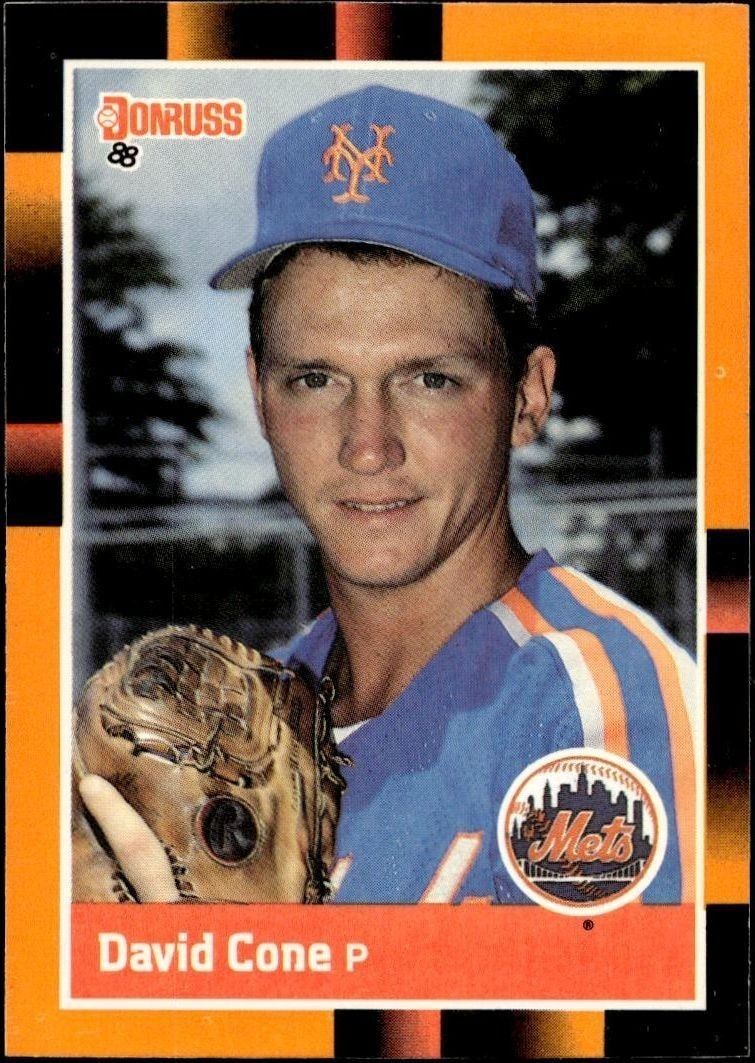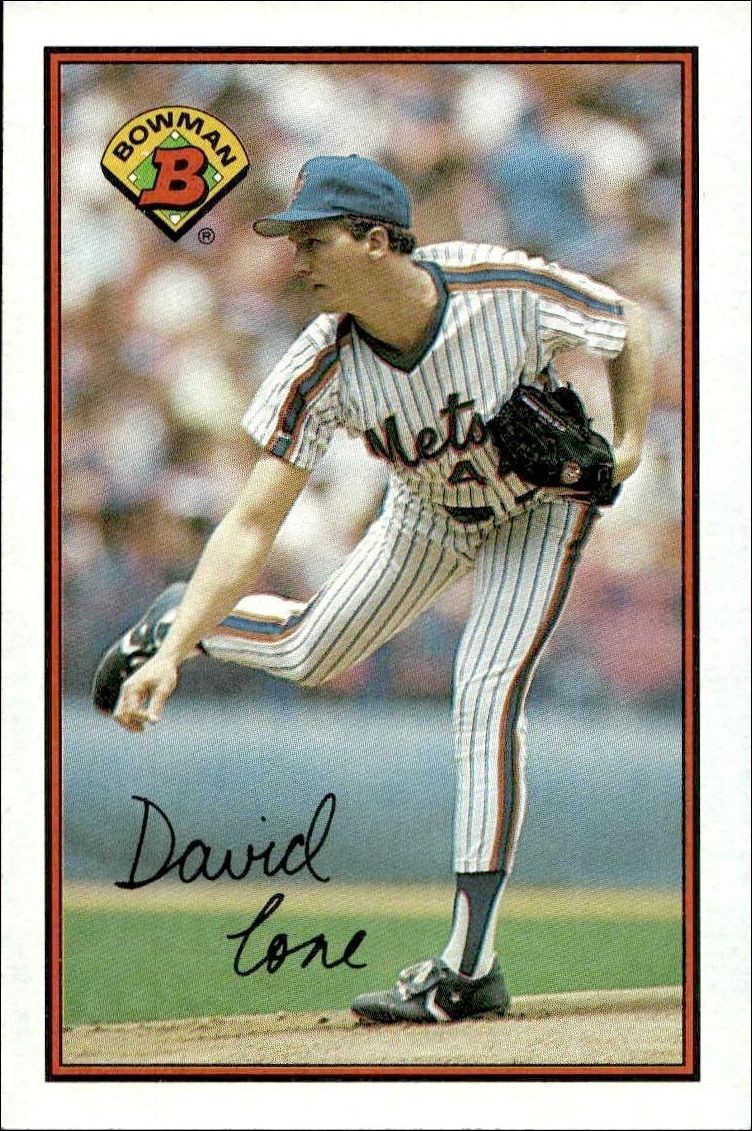
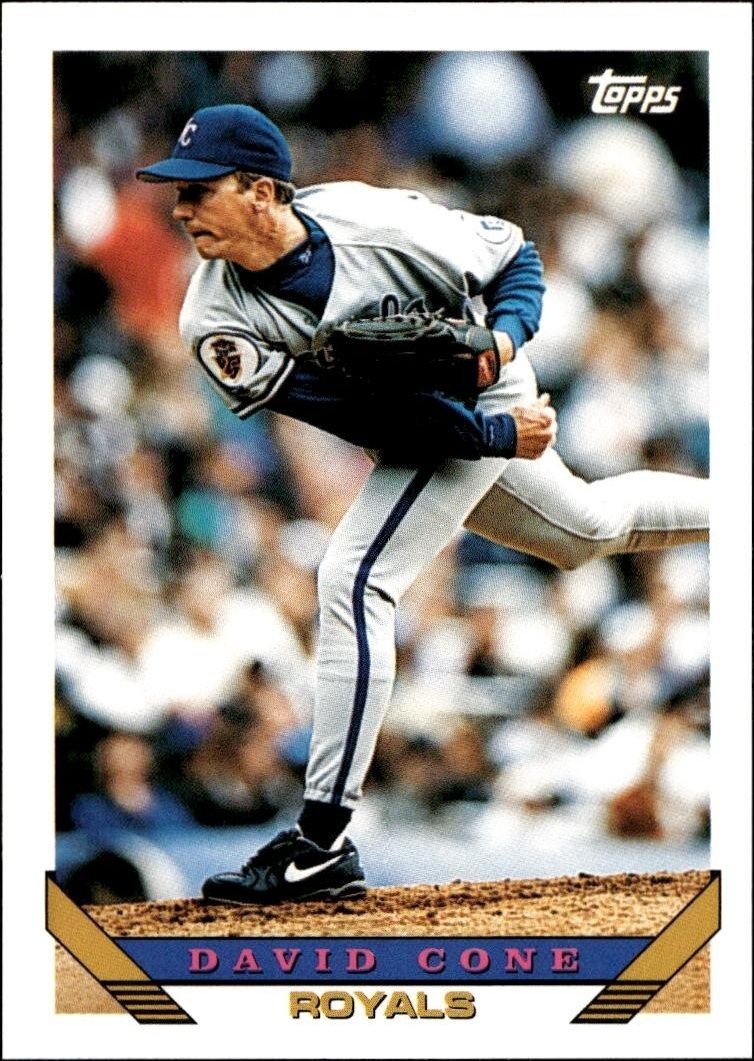
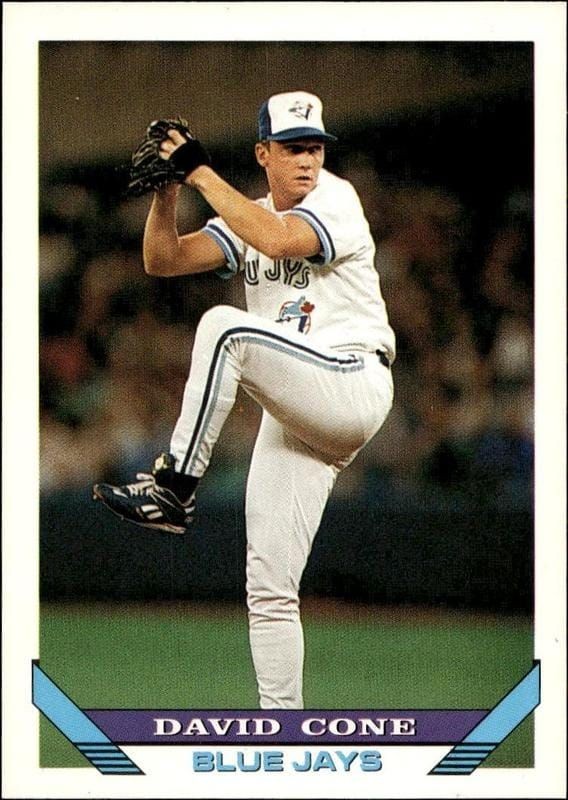

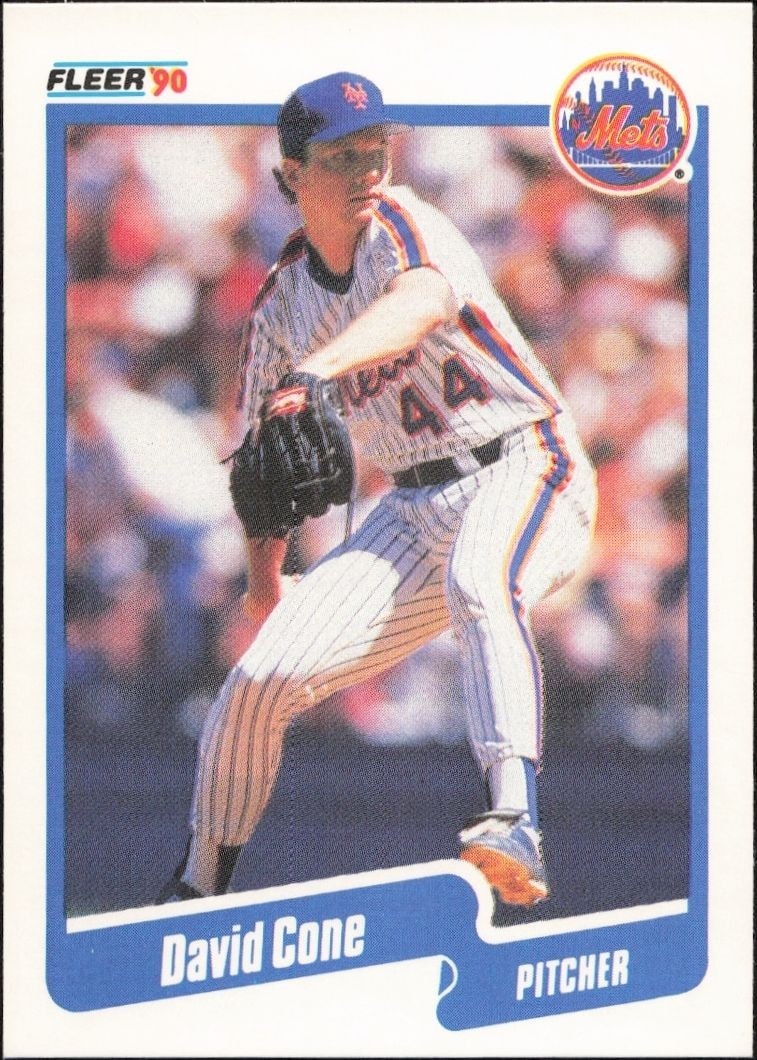
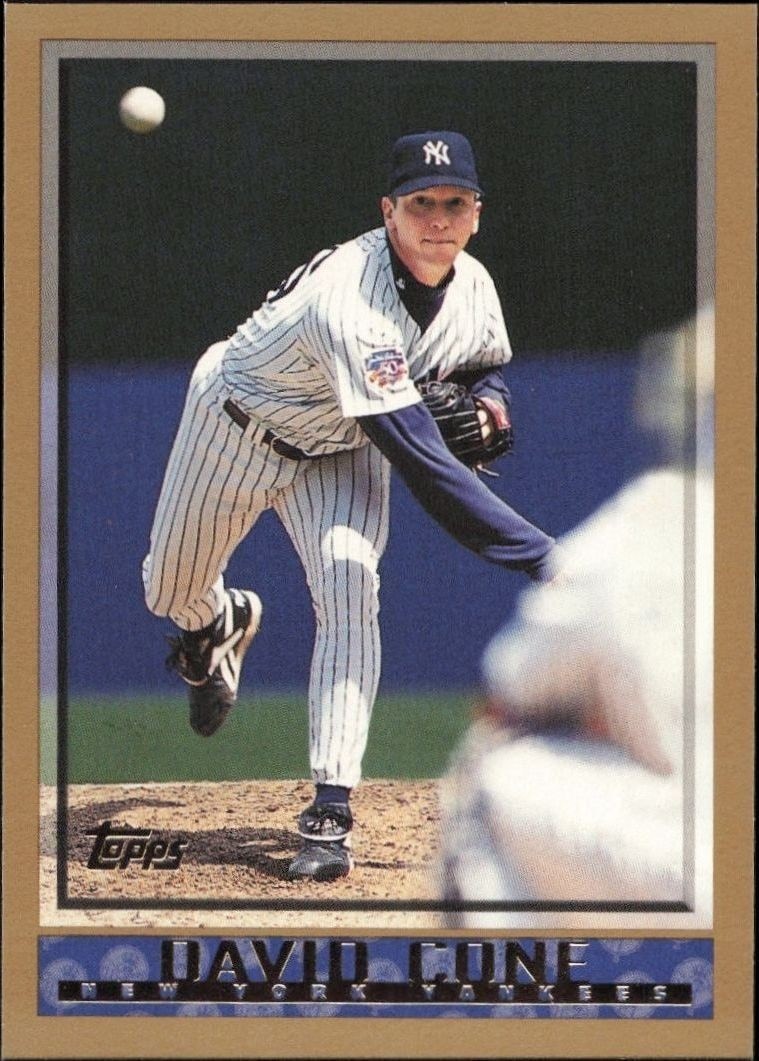
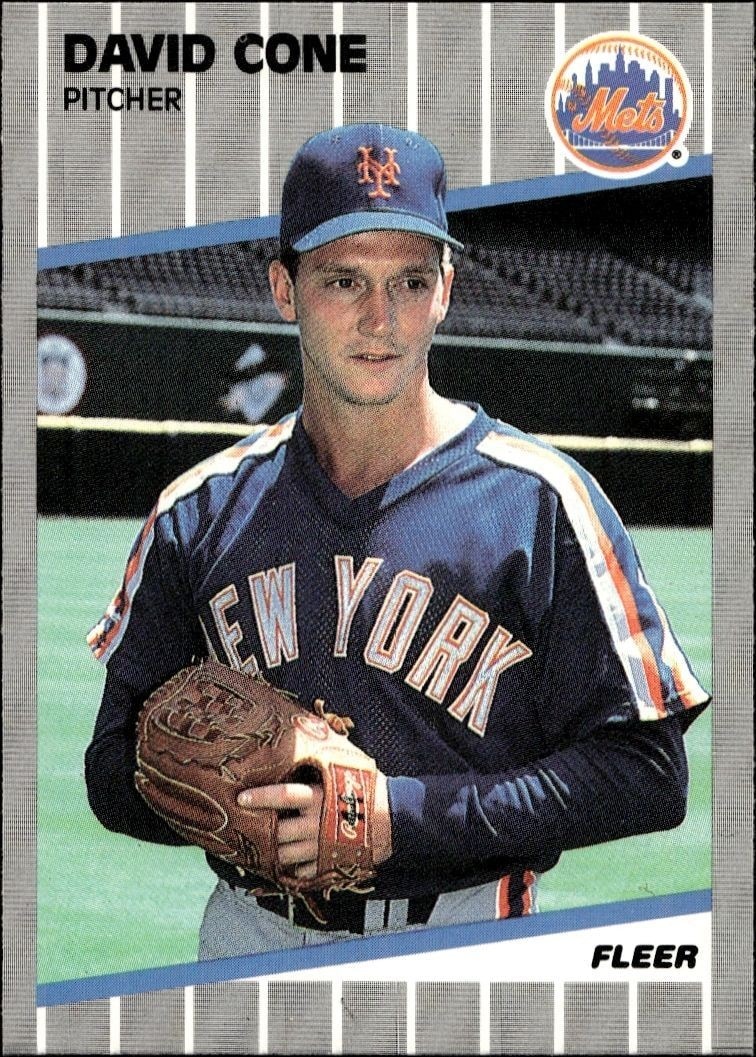

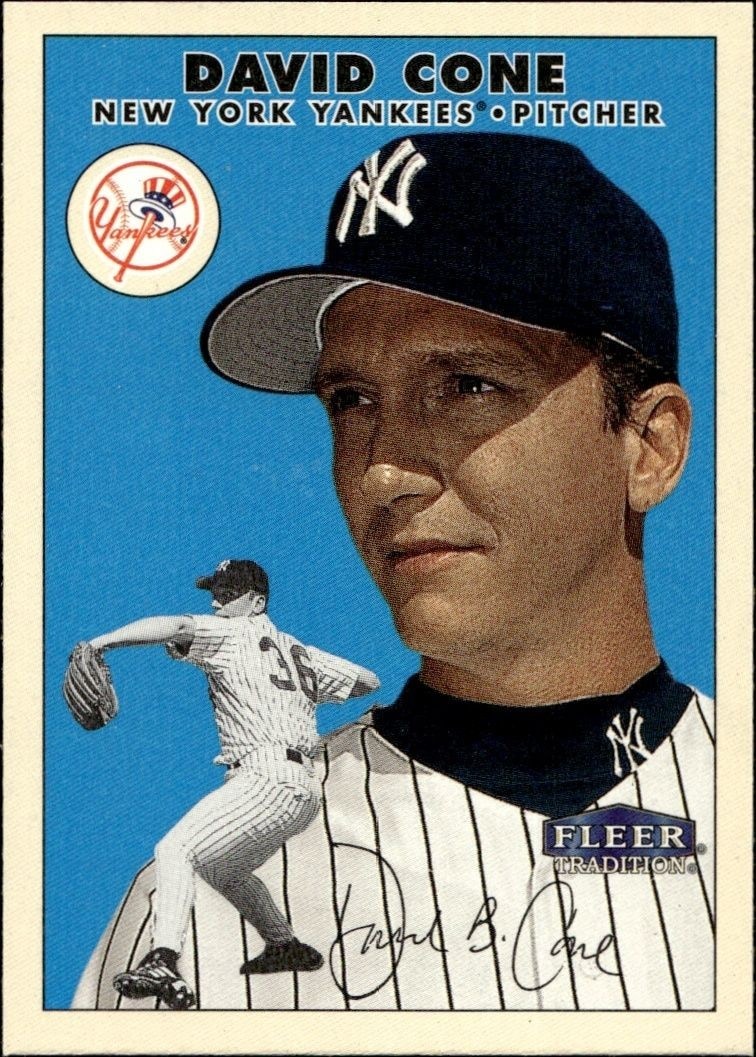
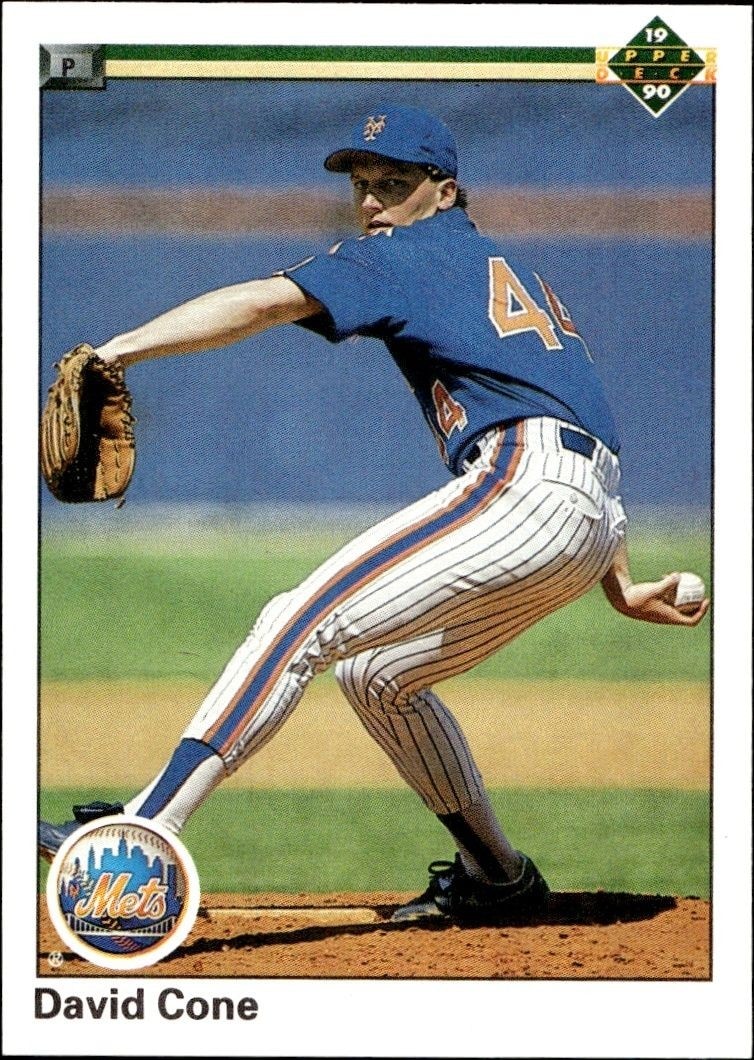
The 1990 Topps David Cone #30 baseball card captures the pitcher during his tenure with the New York Mets. A staple of 1990s baseball card collecting.
1990 • Topps
Major League Baseball • New York Mets
Excellent
30
New
Shipping Calculated at Checkout
Arrives in 4-6 daysEstimated delivery October 23, 2026 - October 25, 2026
Seller returns October 19, 2026.30-day Returns| Condition | Value | Source | Trend | Price Details |
|---|---|---|---|---|
$1.02 | Guide Estimate | 0% | ||
$3.00 | Guide Estimate | 0% | ||
$3.76 | Guide Estimate | 0% | ||
$25.73 | Guide Estimate | -0.5% | ||
$32.37 | Guide Estimate | +0.2% | ||
$52.00 | Guide Estimate | 0% | ||
$24.00 | Guide Estimate | 0% | ||
$39.78 | Guide Estimate | 0% | ||
$24.00 | Guide Estimate | 0% | ||
Raw / Ungraded
PriceCharting Price Guide · Guide Estimate evidence · captured Oct 16, 2026
The 1990 Topps David Cone #30 baseball card represents a significant entry for collectors focused on the New York Mets franchise history. During this period, Cone was a prominent figure in the National League, establishing himself as a reliable starter in the highly competitive MLB landscape. For investors and set builders, this card serves as a foundational component for those completing the 1990 Topps collection. The simplicity of the design allows the focus to remain on the player and the team affiliation, making it a recognizable piece for fans of early 1990s baseball memorabilia. Collectors often seek this card to round out their Mets subsets or to document the roster composition of that specific season. The 1990 Topps David Cone #30 card is widely recognized as an accessible entry point into vintage baseball card collecting. Its availability in various conditions allows collectors at all levels to acquire a piece of sports history without the premium associated with rookie cards or rare parallels. Whether you are building a comprehensive league set or focusing on specific team histories, this card offers a tangible connection to the game's past. By focusing on the product's identity within the 1990 Topps framework, collectors can appreciate the card's role in the broader narrative of baseball history. This approach ensures that the value is derived from the card's place in the set and the player's career timeline, rather than transient market fluctuations.
1 day ago
We'll pre-fill the product details from this catalog entry, so your listing lands on this exact page. Just add photos of your copy, pick its condition, and set your price.
The catalog profile below summarizes the card identity, featured subject, and notable collectible traits.
The subject, team, league, and sport context tied to this card.
Production details and format-specific attributes.
Material
Card Stock
Language
English
Compare prices, grades, photos, and shipping from approved sellers.
New
Excellent
See how many public collections currently include this card.
0 collectors have this card
This 1990 Topps David Cone card sits in an accessible entry-level price tier, reflecting its status as a standard base card from a high-volume production era. While it lacks the premium associated with rookie or specialty parallels, it remains a viable acquisition for collectors seeking affordable representation of a New York Mets pitcher from that period. The current market indicates stable, low-end valuation with limited liquidity due to sparse active listings.
As a standard base card without noted special attributes, serial numbering, or short-print designations, this item represents the highest tier of availability within the 1990 Topps set. Its supply is constrained only by general wear and tear over time rather than intentional scarcity mechanics, meaning it trades at the baseline value of the product line. Collectors should view this as a common parallel rather than a scarce variant.
Investment potential is limited by the card's position as a non-rookie base issue from a year where David Cone was not yet a primary star or Hall of Fame lock at the time of printing. Demand is likely driven by casual Mets collectors or those completing basic team sets rather than serious investors seeking appreciation. The lack of unique scarcity features suggests long-term value will track closely with general baseball card market trends for 1990s base issues.