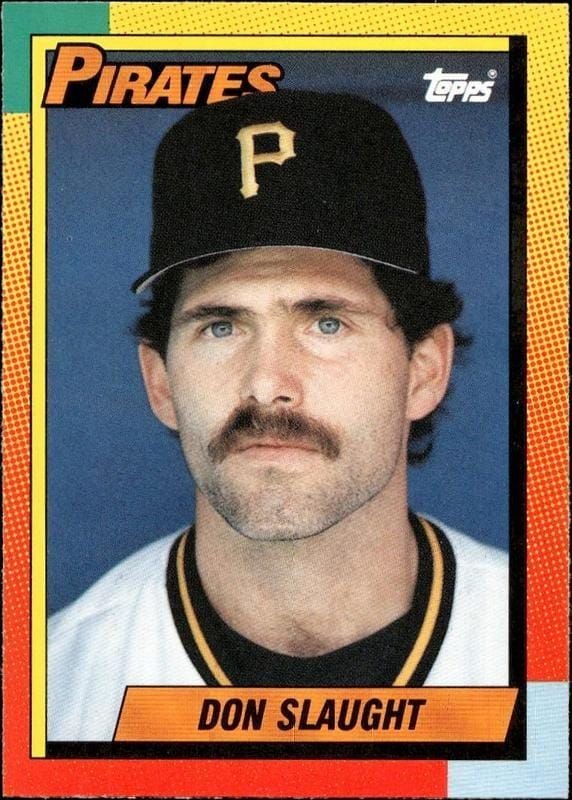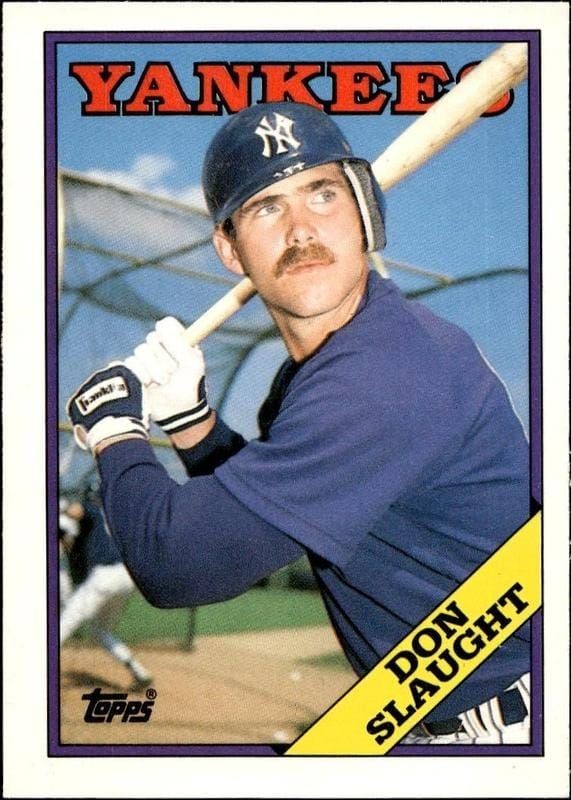
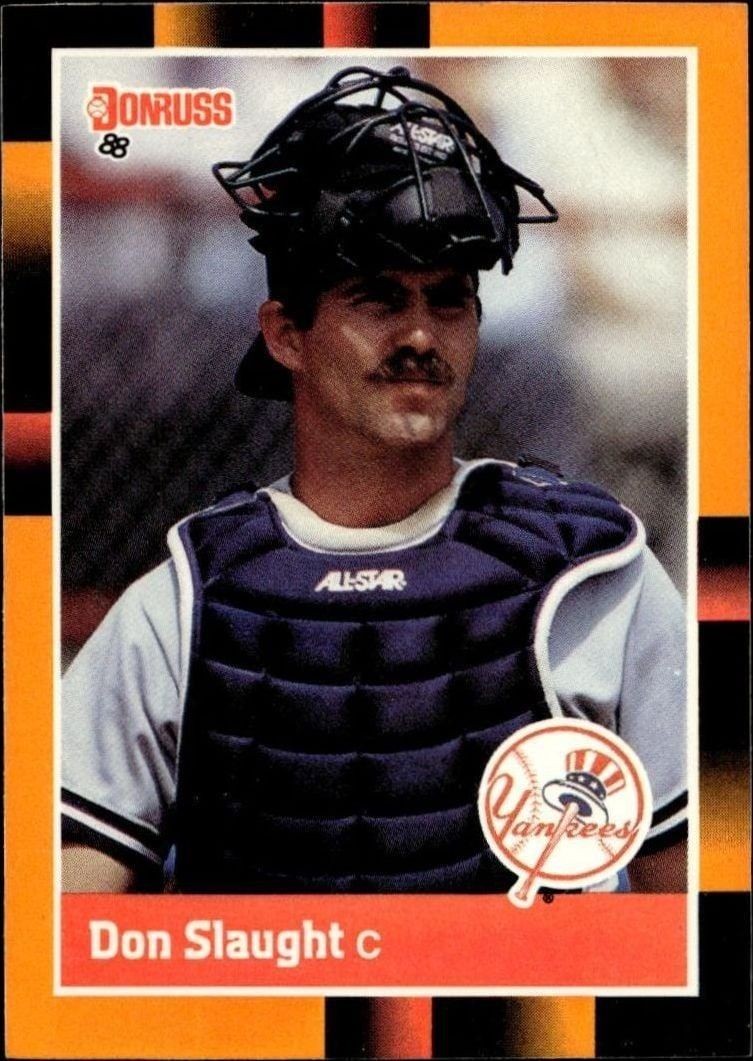
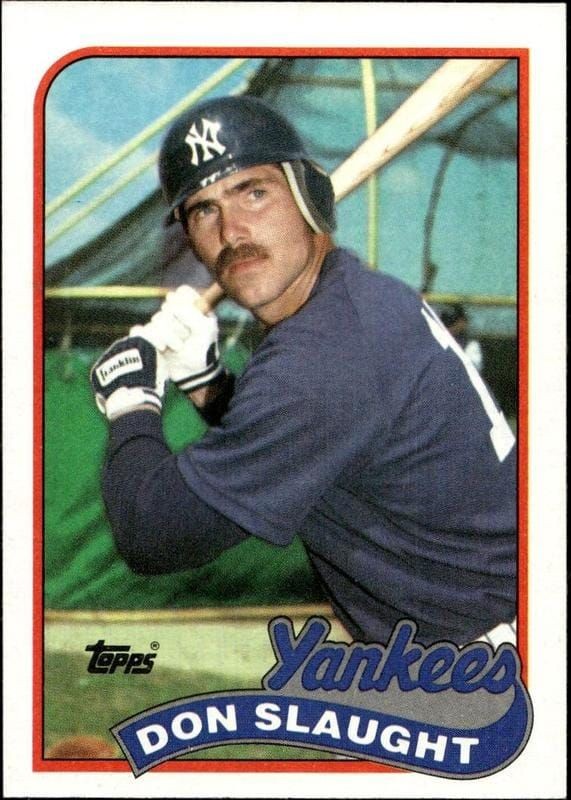
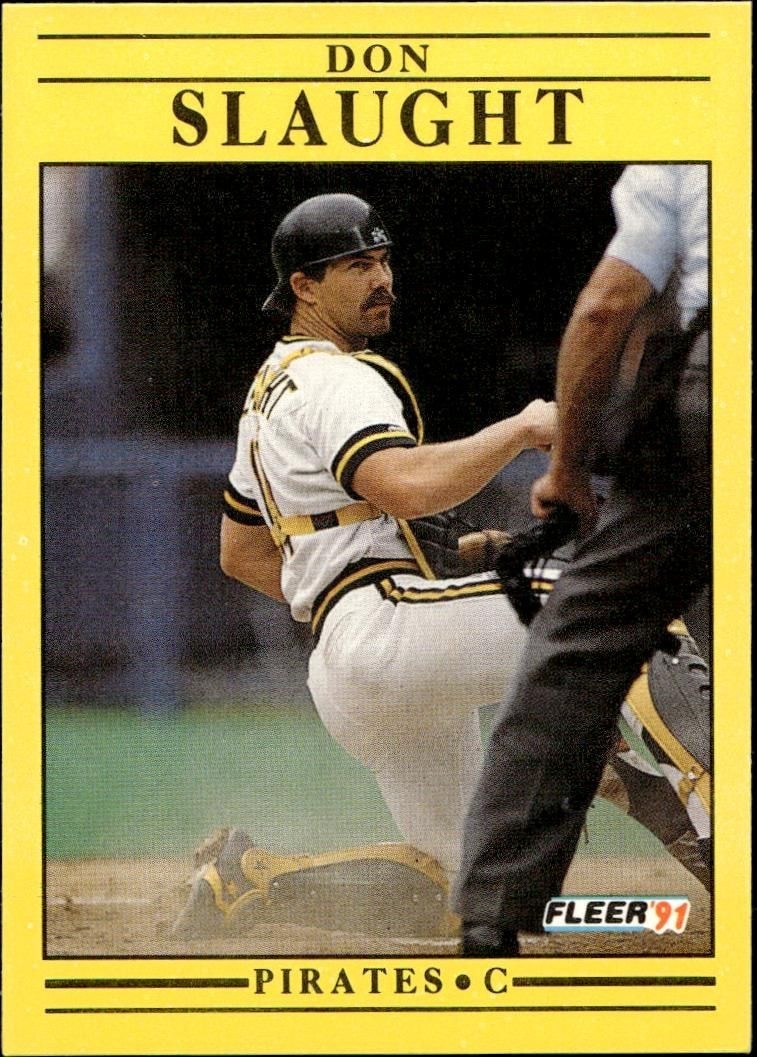
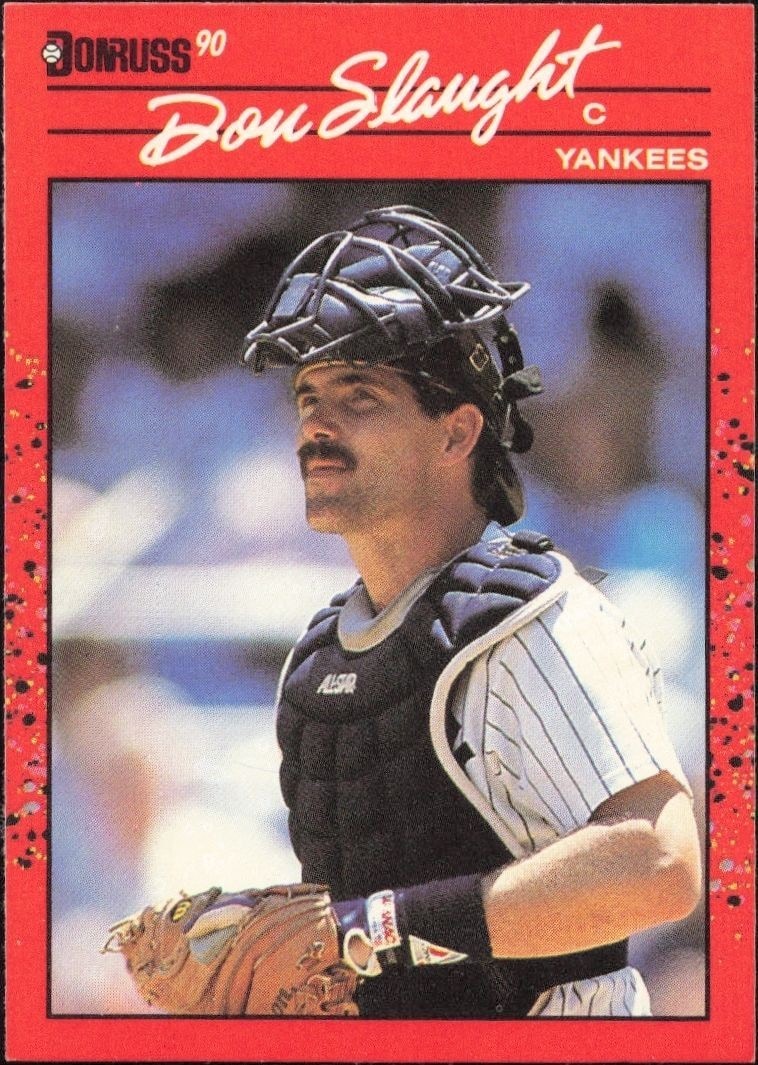
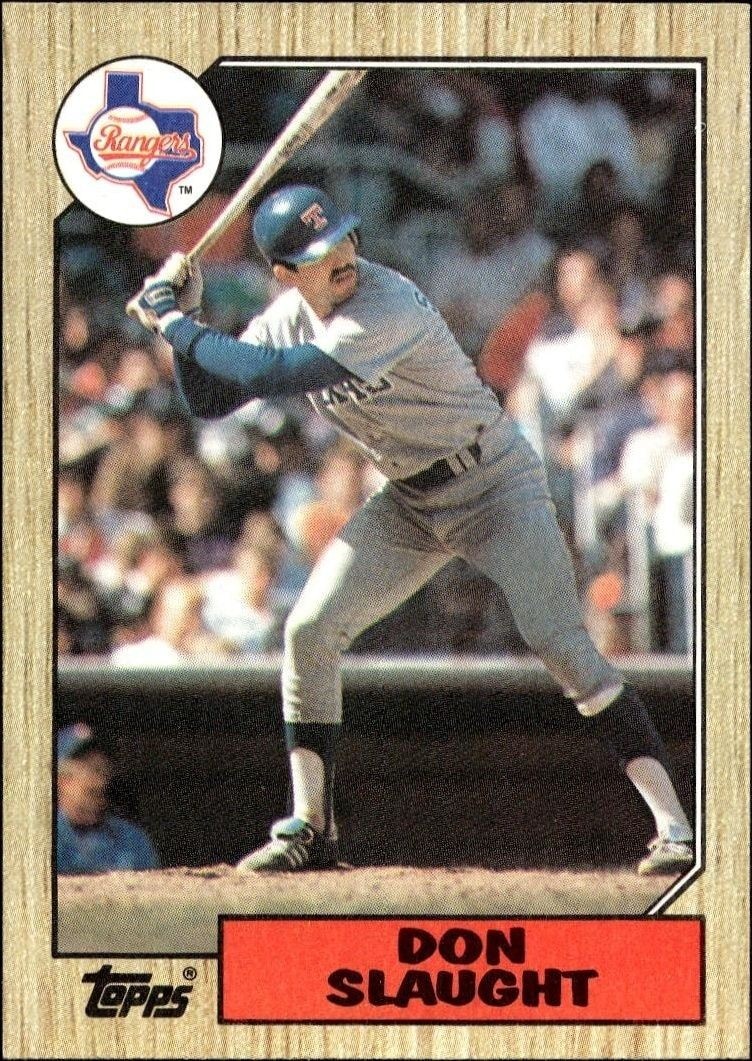
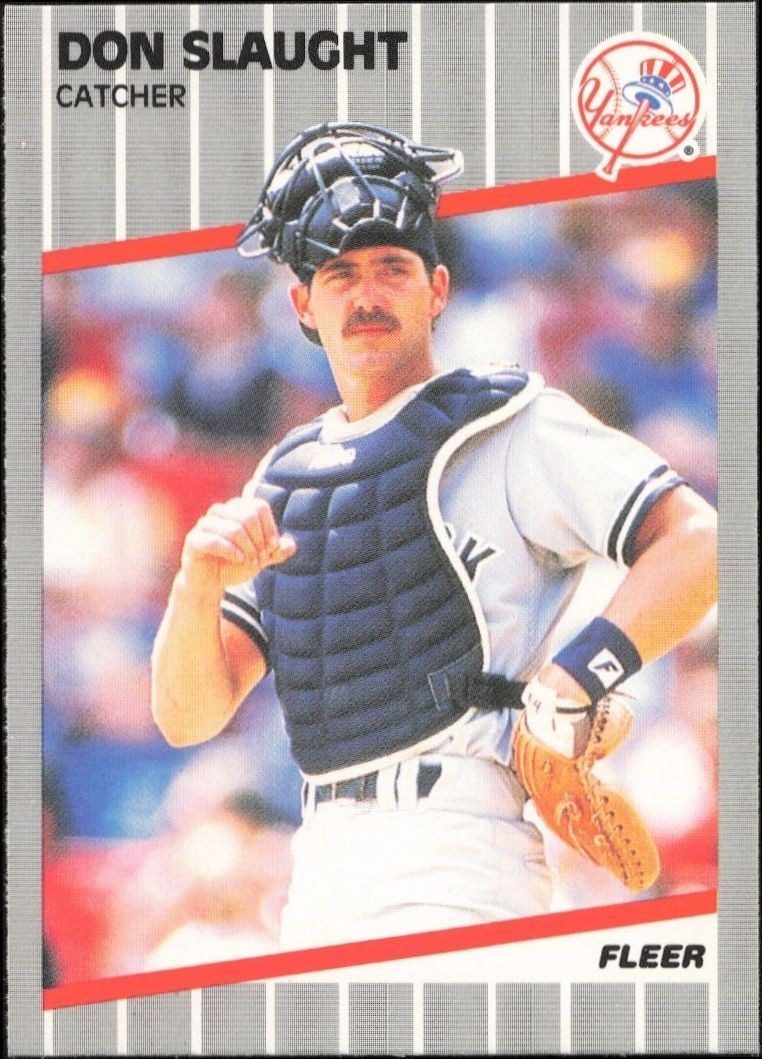
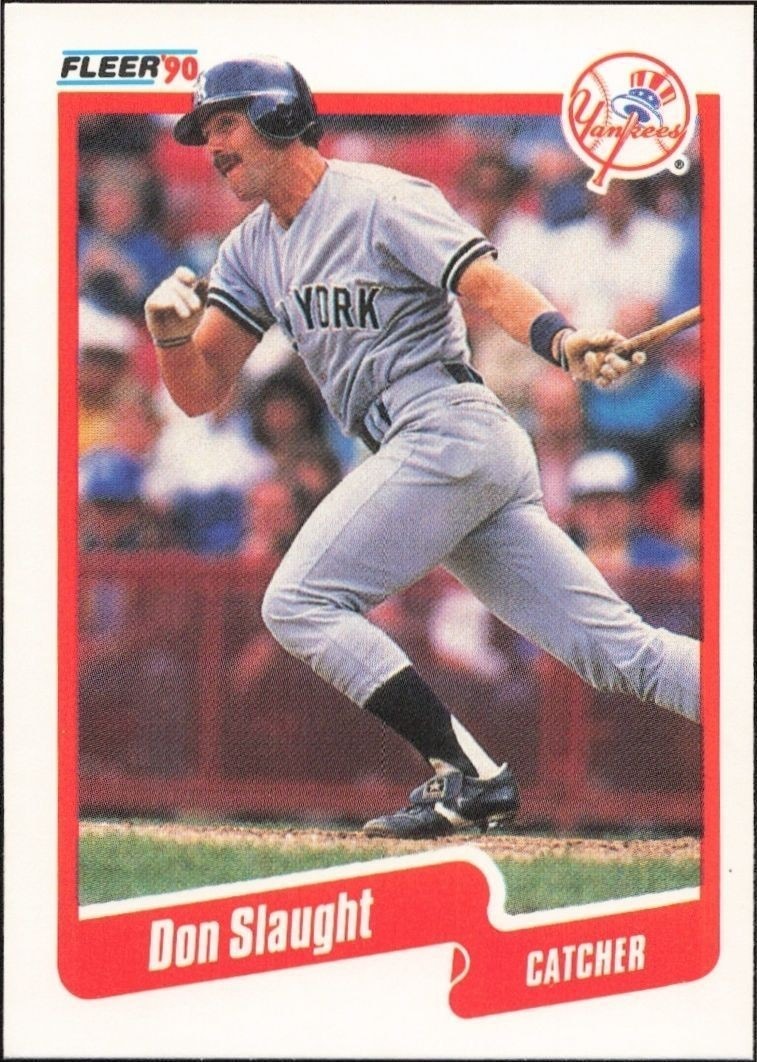
The 1990 Topps Don Slaught #26 baseball card features the New York Yankees catcher in the brand's signature design format. This classic sports trading card captures a key era of Yankees history.
1990 • Topps
Major League Baseball • New York Yankees
Excellent
26
New
Shipping Calculated at Checkout
Arrives in 5-7 daysEstimated delivery October 23, 2026 - October 25, 2026
Seller returns October 19, 2026.30-day Returns| Condition | Value | Source | Trend | Price Details |
|---|---|---|---|---|
$1.17 | Guide Estimate | 0% | ||
$49.99 | Guide Estimate | 0% | ||
$55.00 | Guide Estimate | 0% | ||
Raw / Ungraded
PriceCharting Price Guide · Guide Estimate evidence · captured Oct 18, 2026
The 1990 Topps Don Slaught #26 baseball card stands as a definitive piece of New York Yankees history, capturing the presence of a veteran catcher during a pivotal decade for the franchise. Released in 1990, this card is part of the iconic Topps base set, which remains one of the most recognized and collected series in the hobby. The design features a standard portrait format typical of the era, allowing collectors to appreciate the straightforward yet enduring aesthetic that defined baseball card art in the late 1980s and early 1990s. Don Slaught’s tenure with the Yankees is a notable chapter for fans of the team and the sport. As a reliable backstop, Slaught provided stability to the lineup, making his representation in the 1990 Topps set a valuable asset for those building comprehensive team collections or focusing on specific player histories. The card’s simplicity is its strength, offering a clean look at the player without distracting elements, which appeals to collectors who value the classic design language of the period. For investors and hobbyists, the 1990 Topps set represents a gateway into the modern era of sports card collecting. Cards from this year are sought after for their nostalgic value and the high quality of printing that Topps was known for during this time. Whether you are looking to complete a Yankees set from the early 90s or add a specific player card to your portfolio, the 1990 Topps Don Slaught #26 offers a tangible connection to the game’s past. It serves as a reminder of the enduring appeal of physical memorabilia and the stories that each card holds for those who study the details of the sport. By focusing on the historical significance of the card and the player, collectors can make informed decisions that enhance the depth and breadth of their holdings.
21 hours ago
We'll pre-fill the product details from this catalog entry, so your listing lands on this exact page. Just add photos of your copy, pick its condition, and set your price.
The catalog profile below summarizes the card identity, featured subject, and notable collectible traits.
The subject, team, league, and sport context tied to this card.
Production details and format-specific attributes.
Material
Card Stock
Language
English
Compare prices, grades, photos, and shipping from approved sellers.
New
Excellent
See how many public collections currently include this card.
0 collectors have this card
This 1990 Topps base card of Don Slaught sits in an accessible entry-level tier, reflecting his role as a solid but not elite contributor for the New York Yankees during that era. The current market price indicates modest demand typical of mass-produced 1990s base issues, distinguishing it from premium parallels or rookie cards that command significantly higher valuations. With only one active listing, liquidity is low, suggesting that while the card holds sentimental value for Yankees collectors, it does not drive significant speculative interest.
As a standard base card from a high-volume production set, this item lacks any scarcity mechanics such as serial numbering, short-print status, or parallel foil treatments. The supply is effectively unlimited relative to collector demand, meaning its value is derived entirely from condition and the subject's presence rather than constrained inventory. Without special attributes to differentiate it from the thousands of identical copies in circulation, it represents the most common form of this collectible.
This card is not a rookie issue, eliminating the primary driver for long-term appreciation in modern baseball card investing. The combination of a non-marquee player and a generic base card format suggests limited potential for price growth beyond general inflation adjustments. Collectors may acquire this for personal nostalgia or team-specific needs, but it lacks the scarcity and prestige required for a robust investment thesis.