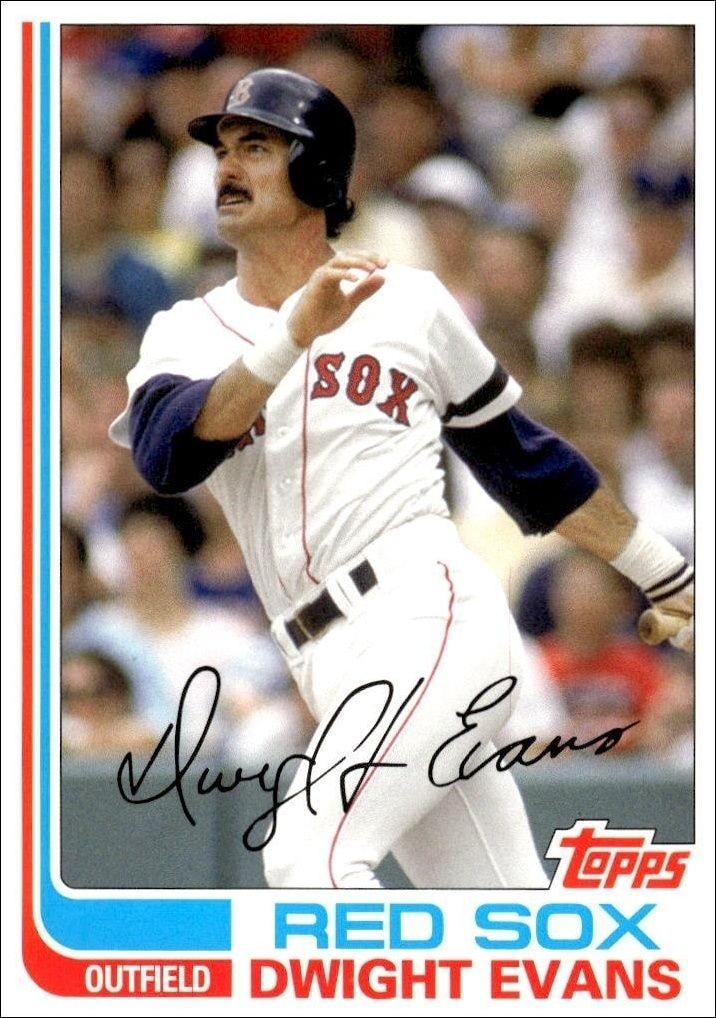




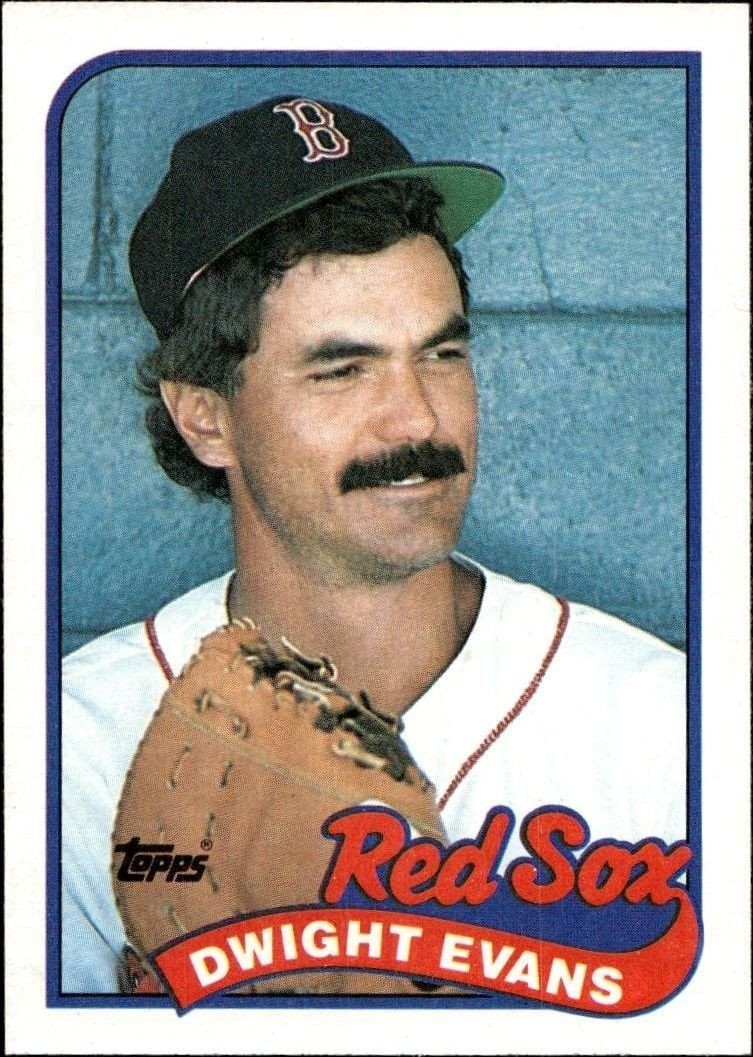
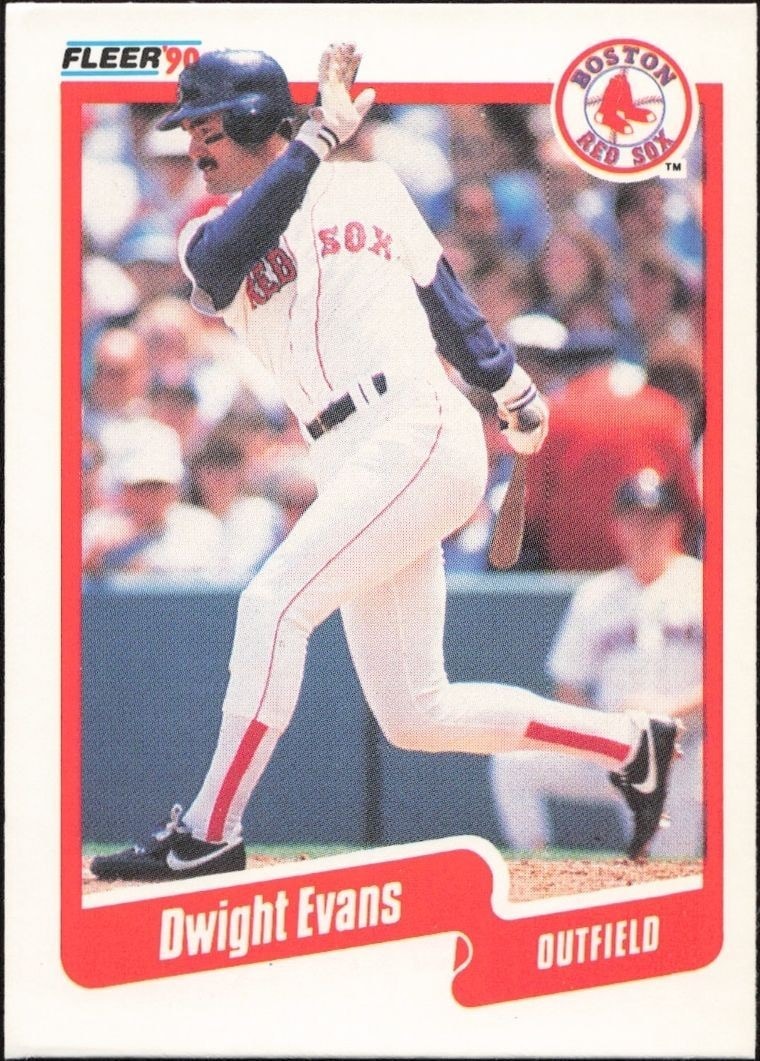

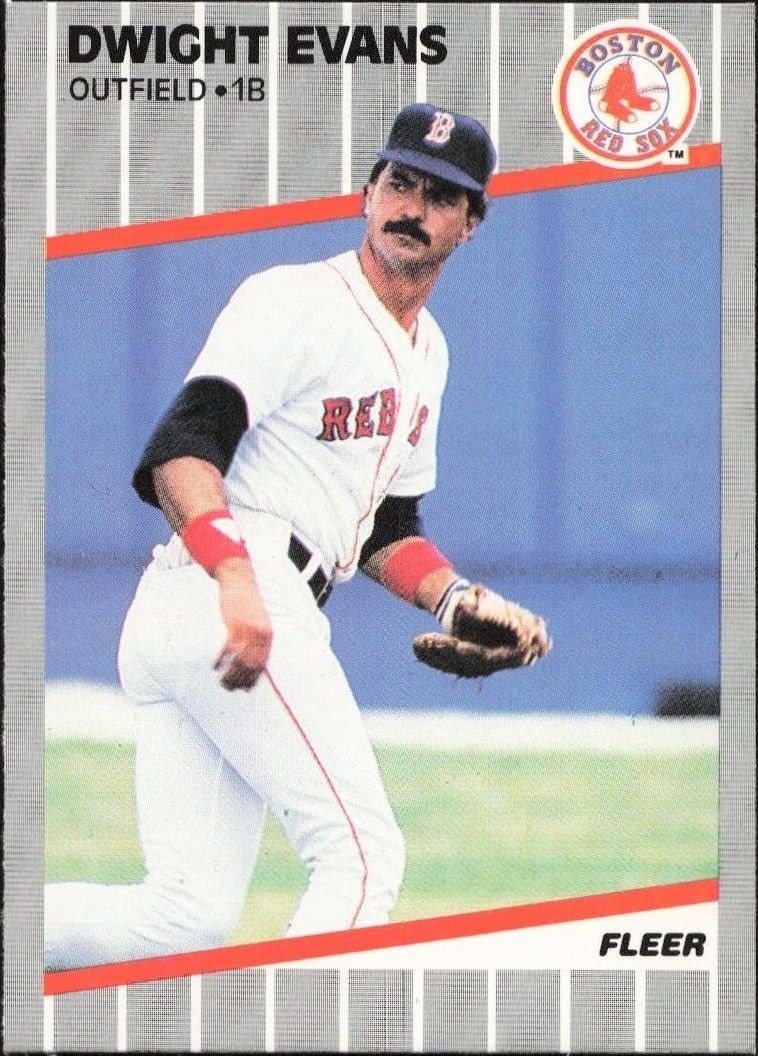
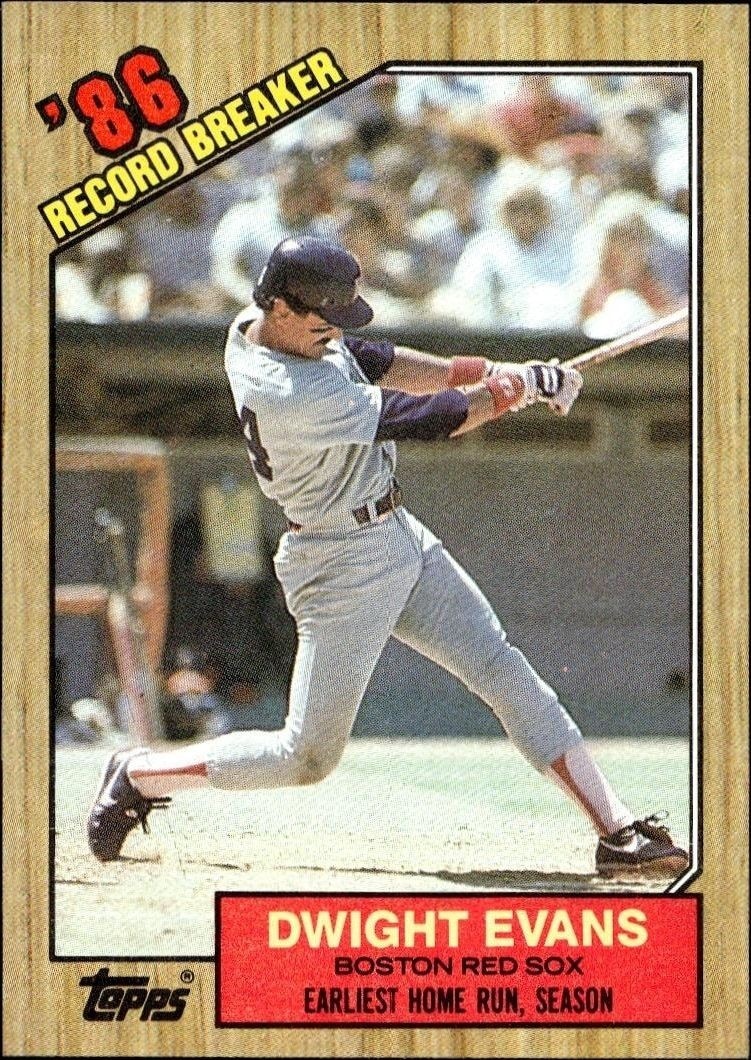
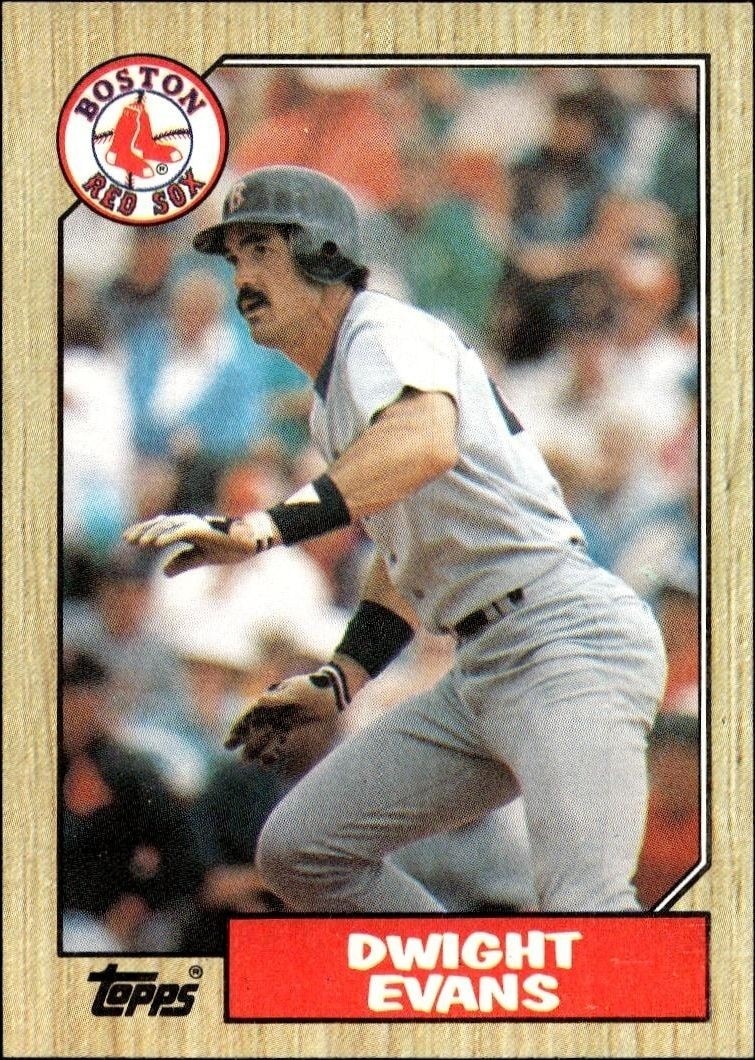
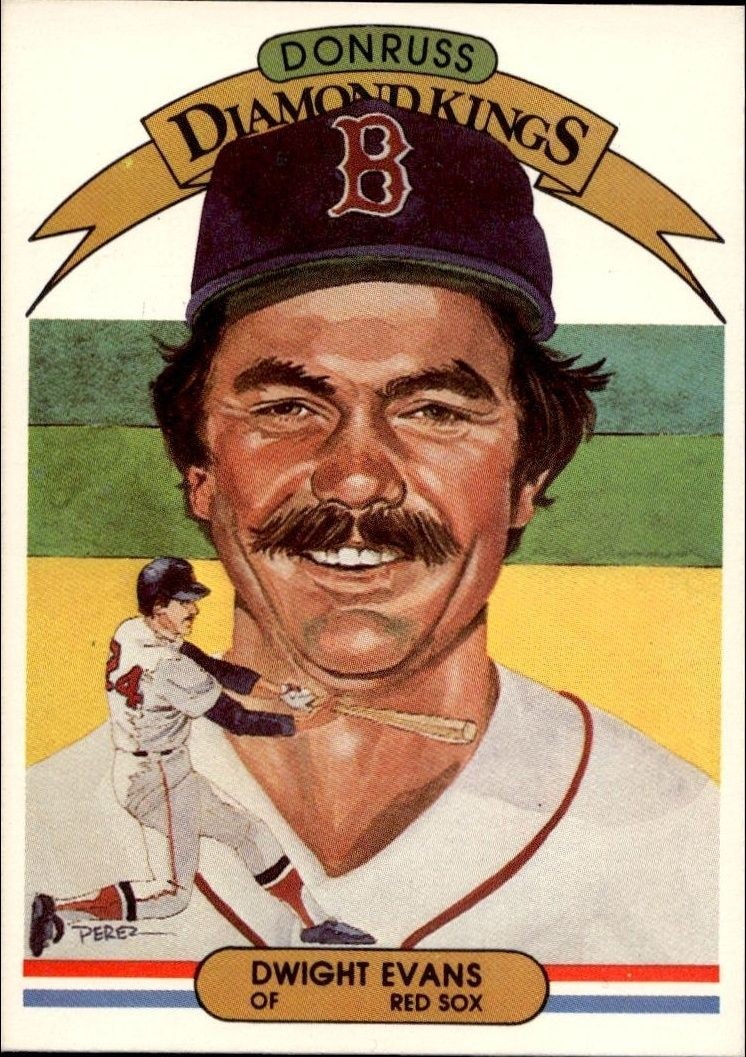
Acquire the 1990 Topps Dwight Evans #375 Boston Red Sox baseball card, a staple of 1990s sports card collecting. This catalog page represents the definitive vintage release for fans of the Red Sox legend.
1990 • Topps
Major League Baseball • Boston Red Sox
Excellent
375
New
Shipping Calculated at Checkout
Arrives in 5-7 daysEstimated delivery November 12, 2026 - November 14, 2026
30-day Returns| Condition | Value | Source | Trend | Price Details |
|---|---|---|---|---|
$1.39As of 10/24/2026 | Guide Estimate | 0% | ||
$1.00As of 9/21/2026 | Completed Sales | |||
$3.25As of 10/24/2026 | Guide Estimate | 0% | ||
$14.99As of 10/24/2026 | Guide Estimate | 0% | ||
$28.00As of 10/24/2026 | Guide Estimate | 0% | ||
$37.00As of 10/24/2026 | Guide Estimate | 0% | ||
$11.00As of 10/24/2026 | Guide Estimate | -35.3% | ||
$28.56As of 10/24/2026 | Guide Estimate | 0% | ||
$17.00As of 10/24/2026 | Guide Estimate | 0% | ||
Raw / Ungraded
PriceCharting Price Guide · Guide Estimate evidence · captured Oct 24, 2026
The 1990 Topps Dwight Evans #375 card stands as a significant piece of Boston Red Sox history, capturing the veteran outfielder during his final season with the franchise. As one of the most recognizable names in Red Sox lore, Evans’ presence on this release makes it a cornerstone for collectors focusing on team history or the broader 1990 Topps set. The card number 375 places it within the standard 792-card checklist, a format that defined baseball collecting throughout the 1980s and early 1990s. For investors and hobbyists alike, vintage baseball cards from this era offer a tangible connection to the sport’s past. The 1990 Topps brand remains highly regarded for its straightforward design and comprehensive coverage of Major League Baseball rosters. Collecting this card allows enthusiasts to complete a chronological journey through the league’s rosters or to build a dedicated collection centered around Evans’ illustrious career. Whether you are looking to fill a gap in your Red Sox collection or add a piece of baseball heritage to your portfolio, this card provides a solid foundation. The marketplace caters to those who appreciate the nostalgia and historical value of pre-modern era cards. This card is not just a piece of cardboard; it is a record of a player’s legacy and a snapshot of the game during a specific point in time.
5 days ago
We'll pre-fill the product details from this catalog entry, so your listing lands on this exact page. Just add photos of your copy, pick its condition, and set your price.
The catalog profile below summarizes the card identity, featured subject, and notable collectible traits.
The subject, team, league, and sport context tied to this card.
Production details and format-specific attributes.
Material
Card Stock
Language
English
Compare prices, grades, photos, and shipping from approved sellers.
New
Excellent
See how many public collections currently include this card.
0 collectors have this card
FAQ
This card is popular because it features Dwight Evans during his final season with the Boston Red Sox, making it a key piece for team-specific collectors. It is also a standard checklist item in the widely collected 1990 Topps set.
Yes, cards produced in 1990 are classified as vintage sports cards. Collectors often seek these out for their historical significance and the nostalgic design elements characteristic of the era.
To complete the 1990 Topps set, you need to acquire all 792 base cards, including the Dwight Evans #375 release.
This 1990 Topps base card represents an entry-level tier within the Dwight Evans collection, reflecting its status as a common issue from a high-volume production year. While it lacks the premium positioning of rookie or parallel variants, it remains a recognizable staple for collectors focused on his Red Sox tenure. The current market position is accessible, serving as a foundational piece rather than a high-value asset.
As a standard base card from the 1990 Topps set, this item carries no special scarcity mechanics such as serial numbering, short-print status, or limited edition designations. Its supply is effectively unlimited relative to the broader market, as it was produced in mass quantities for general distribution. Consequently, it does not benefit from the supply constraints that drive value in parallel or insert cards.
Demand for this specific card is likely driven by budget-conscious collectors seeking affordable representation of Evans rather than speculative growth. The lack of unique attributes limits its potential to trade above typical base-card market trends. Long-term value preservation relies primarily on the enduring popularity of the Red Sox franchise rather than card-specific rarity.