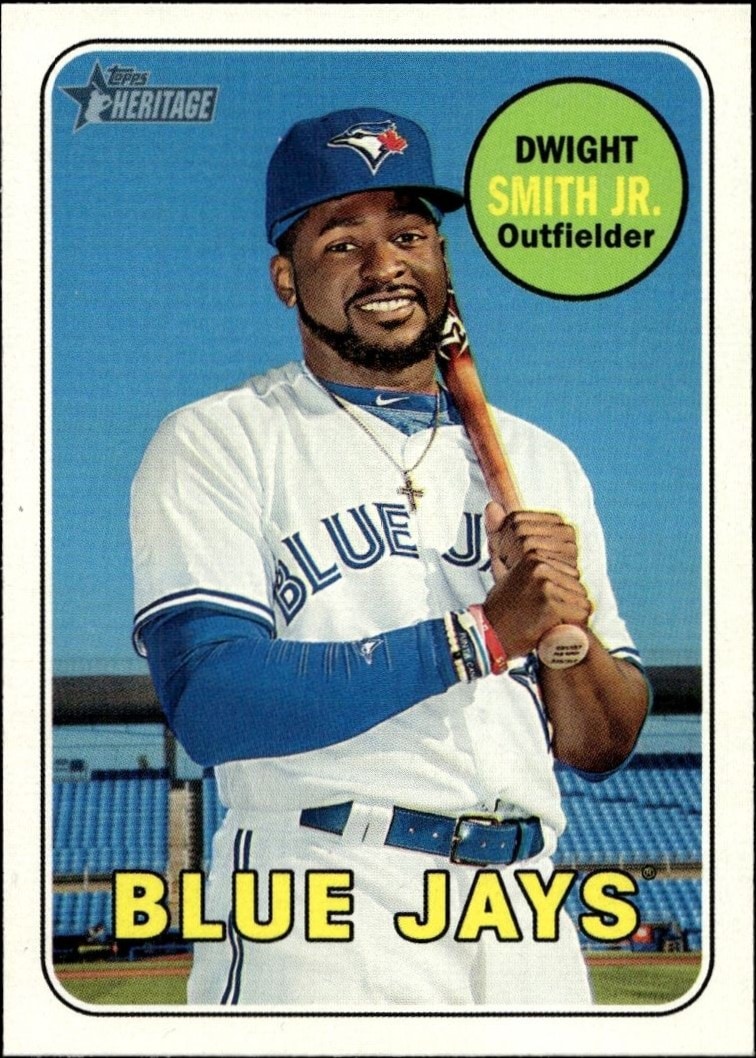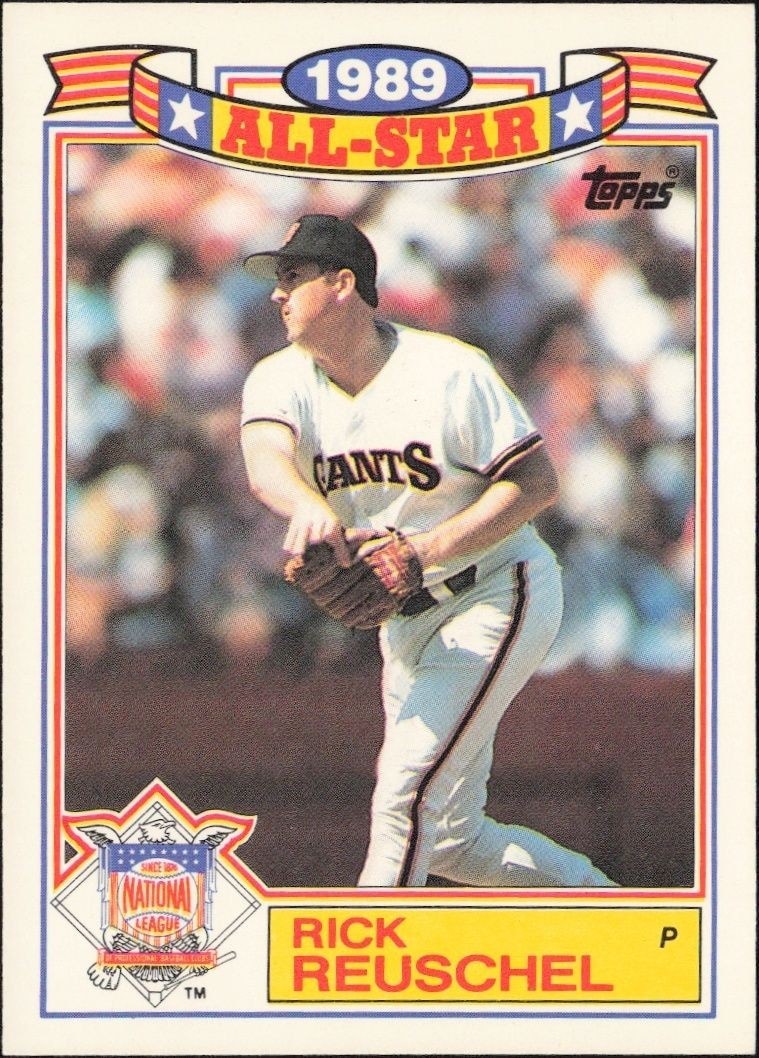
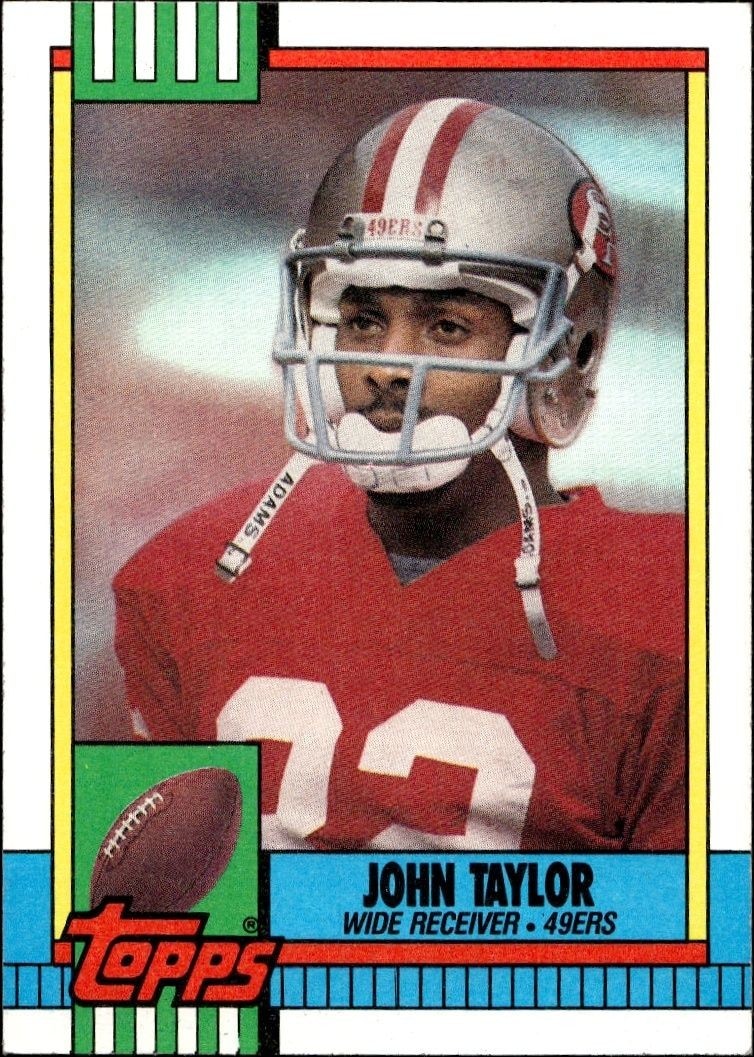

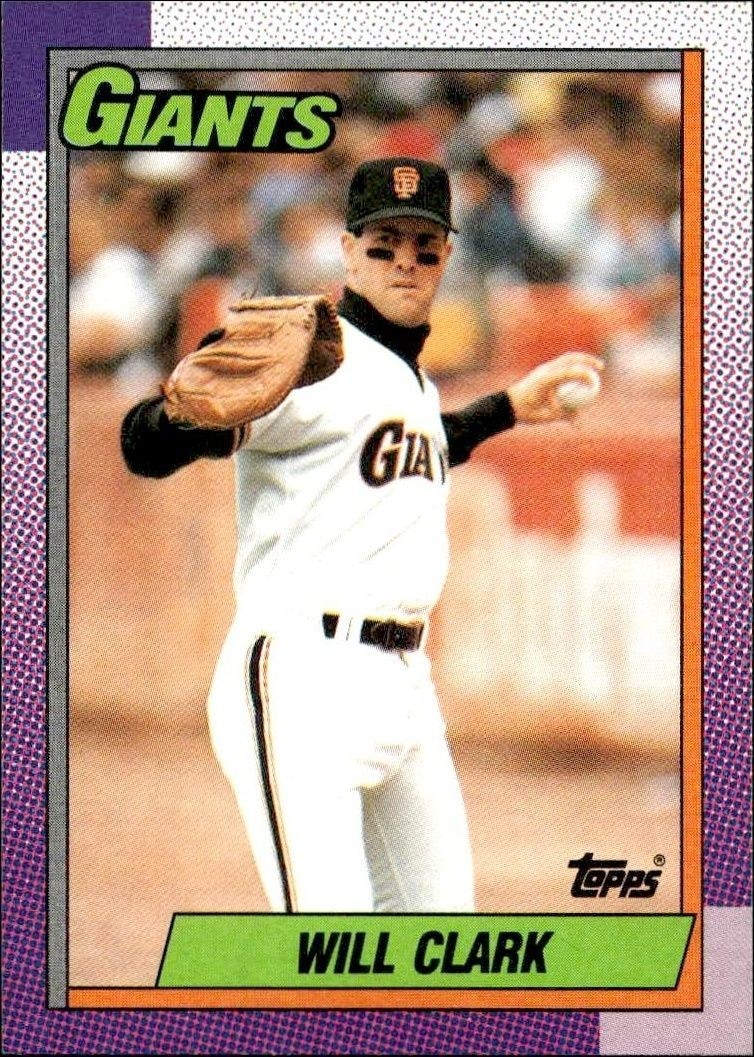


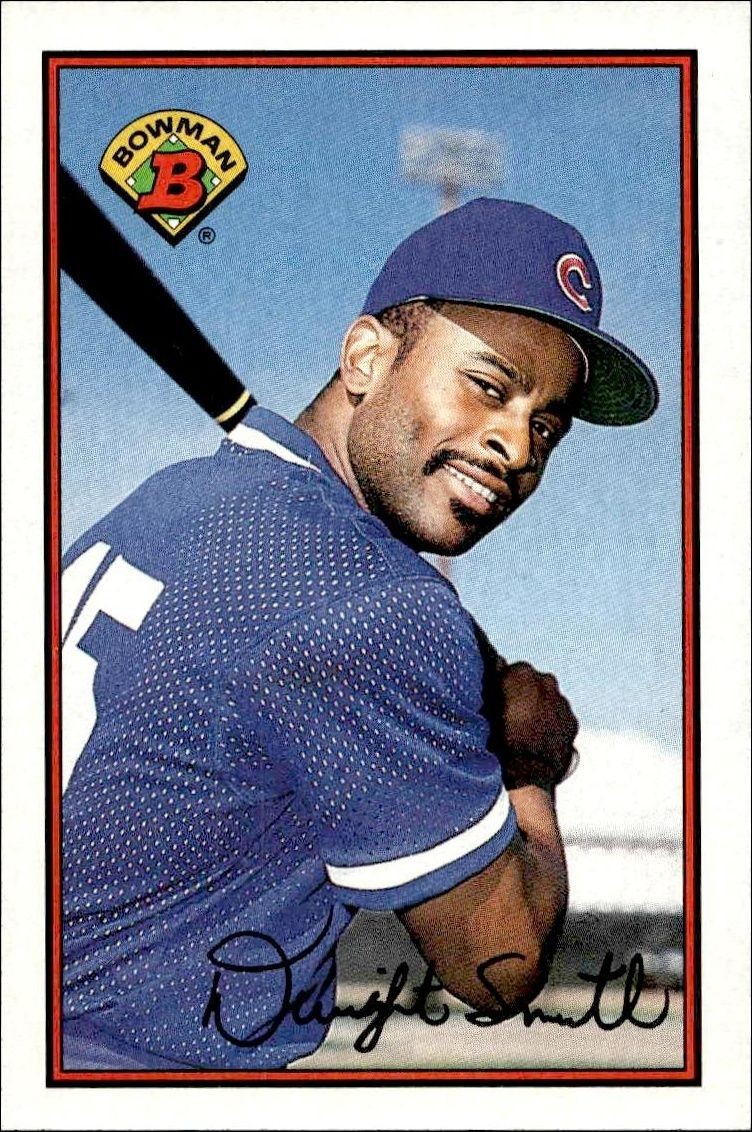

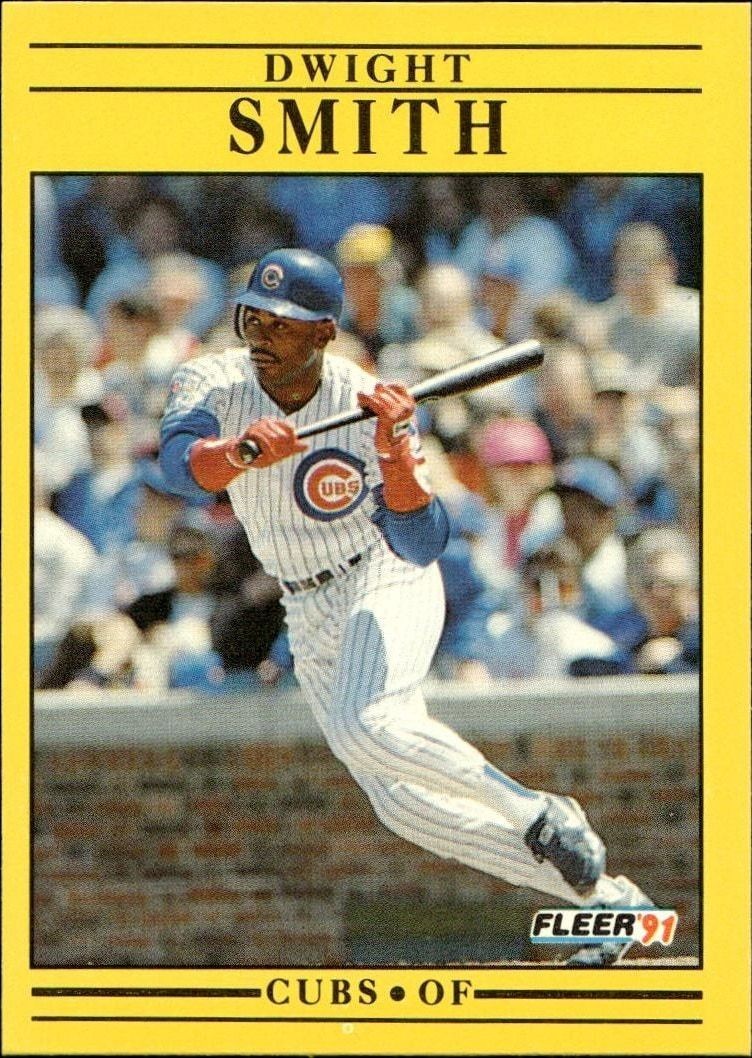

The 1990 Topps Dwight Smith #311 sports card features the Chicago Cubs outfielder in one of the most recognizable baseball card designs of the 1990s.
1990 • Topps
Major League Baseball • Chicago Cubs
Near Mint
311
New
Shipping Calculated at Checkout
Arrives in 4-6 daysEstimated delivery October 24, 2026 - October 26, 2026
30-day Returns| Condition | Value | Source | Trend | Price Details |
|---|---|---|---|---|
$0.99As of 10/5/2026 | Guide Estimate | |||
$3.00As of 10/5/2026 | Guide Estimate | |||
$3.76As of 10/5/2026 | Guide Estimate | |||
$5.50As of 10/5/2026 | Guide Estimate | |||
$6.00As of 10/5/2026 | Guide Estimate | |||
$117.00As of 10/5/2026 | Guide Estimate | |||
$54.00As of 10/5/2026 | Guide Estimate | |||
$89.95As of 10/5/2026 | Guide Estimate | |||
$54.00As of 10/5/2026 | Guide Estimate | |||
Raw / Ungraded
PriceCharting Price Guide · Guide Estimate evidence · captured Oct 5, 2026
History is building. At least two days of matching observations are needed to show a trend.
Each point is the last stored observation that day for this printing, condition, grader, autograph status and source. Gaps mean no observation; guide estimates and asking prices are not completed sales.The 1990 Topps Dwight Smith #311 baseball card captures the Chicago Cubs outfielder during a pivotal period of the franchise's history. Released by Topps, the industry's leading manufacturer, this card is part of a set that defined the visual identity of 1990s baseball collecting. The standard design, featuring a bold color block background and clear typography, remains highly recognizable among hobbyists who grew up with this era of the sport. Dwight Smith served as a versatile outfielder for the Cubs during the late 1980s and early 1990s. This card, numbered 311, represents his tenure with the Chicago Cubs before he moved on to other teams. Collectors often seek out 1990 Topps issues for their nostalgic value and the distinct aesthetic that separates them from modern releases. For investors and set builders, the 1990 Topps Dwight Smith #311 offers a tangible connection to a specific moment in MLB history. While not a rookie card, it holds significance for those tracking Smith's career trajectory or completing the base 792-card set. The card's enduring appeal lies in its place within one of the most widely distributed and collected baseball card series ever produced. Whether you are a dedicated Cubs fan, a devotee of 1990s baseball culture, or a serious set builder, this card represents a foundational element of the hobby. The 1990 Topps set continues to be a staple in collections worldwide, and the Dwight Smith #311 card remains a sought-after piece for those looking to own a piece of baseball history.
5 hours ago
We'll pre-fill the product details from this catalog entry, so your listing lands on this exact page. Just add photos of your copy, pick its condition, and set your price.
The catalog profile below summarizes the card identity, featured subject, and notable collectible traits.
The subject, team, league, and sport context tied to this card.
Production details and format-specific attributes.
Material
Card Stock
Language
English
Compare prices, grades, photos, and shipping from approved sellers.
New
Near Mint
See how many public collections currently include this card.
0 collectors have this card
This 1990 Topps card of Dwight Smith represents a baseline entry-level asset within the modern baseball card market, reflecting its status as a common base card from a high-volume production era. Its current valuation is minimal, indicating it trades well below any significant premium tier and is primarily valued for nostalgic completion rather than investment potential. The lack of special attributes or grading highlights further anchors its price to the lowest end of the spectrum for MLB players of this period.
The card possesses no scarcity mechanics, as it is a standard base issue without serial numbering, short-print designation, or limited edition status. Consequently, its supply is effectively unlimited relative to collector demand, as it was produced in mass quantities typical of mainstream Topps releases from 1990. This absence of exclusive parallels or unique identifiers means it does not benefit from the supply constraints that drive value in other segments of the hobby.
As a non-rookie, non-premium card from a staple set, this item lacks the primary demand drivers such as rookie card status or autograph authenticity that typically sustain long-term collector interest. The market for common base cards from this era is highly saturated, resulting in minimal price appreciation potential over time. Investors should view this as a negligible asset, suitable only for bulk acquisitions to complete specific team or set collections rather than for capital growth.