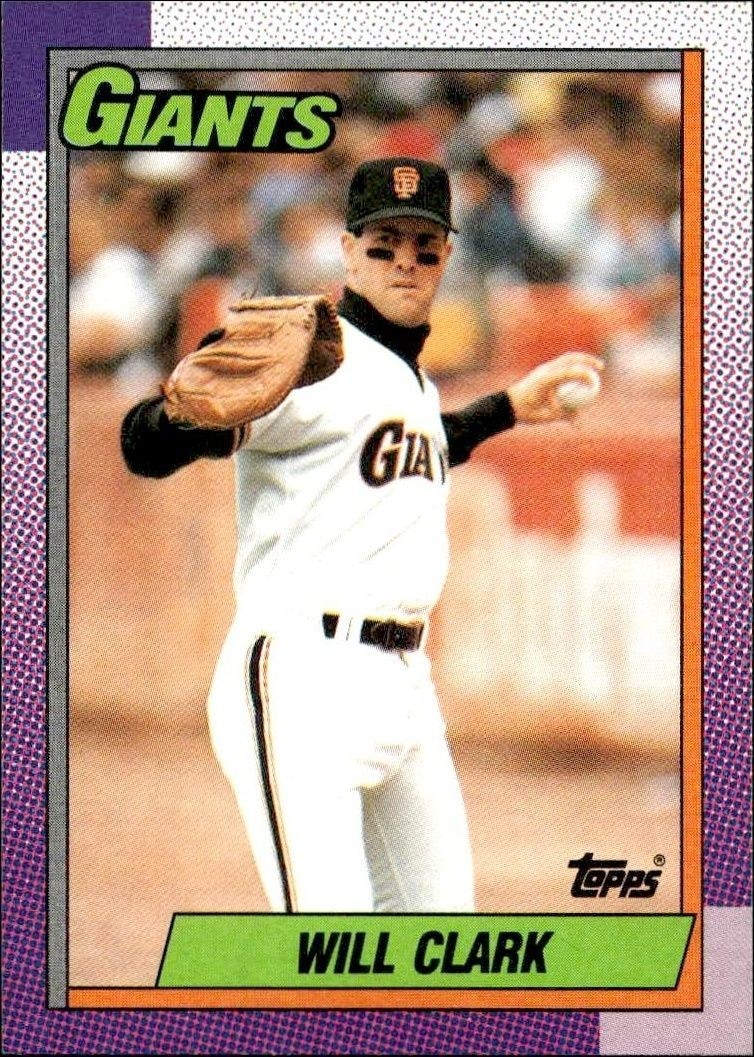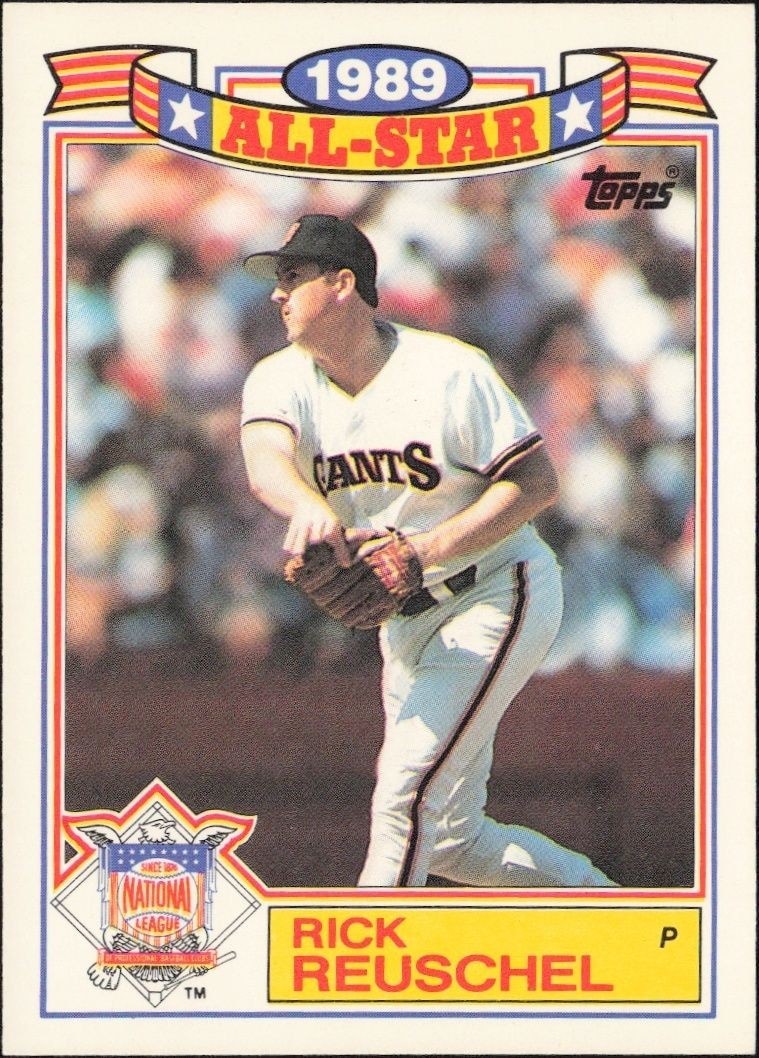
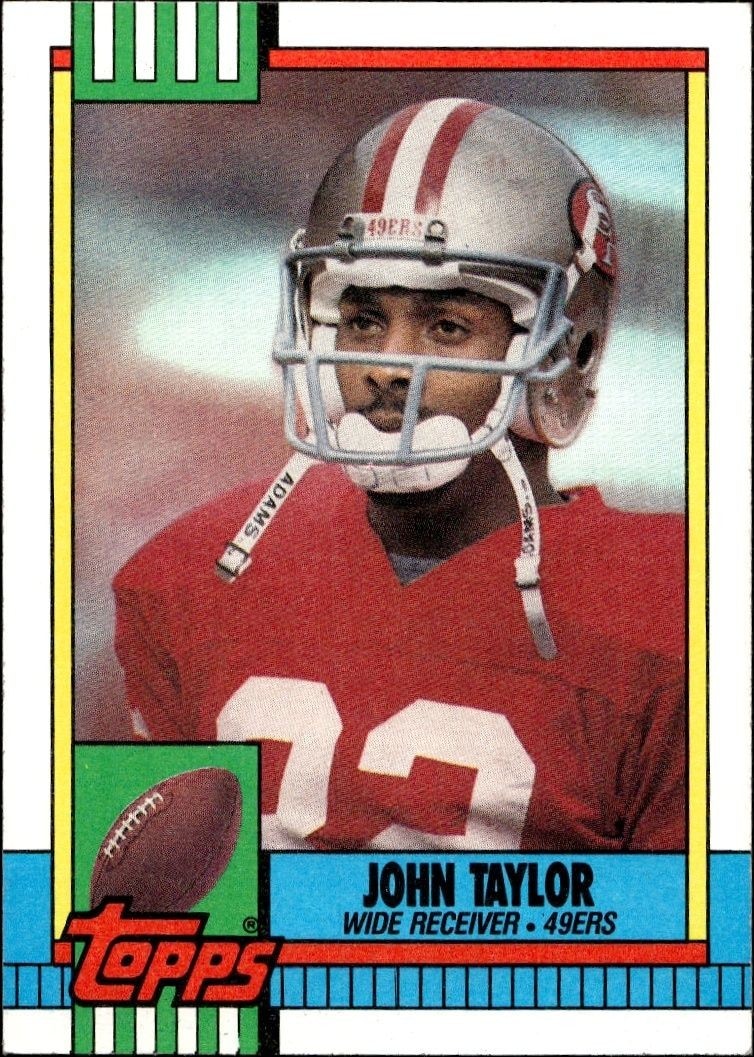

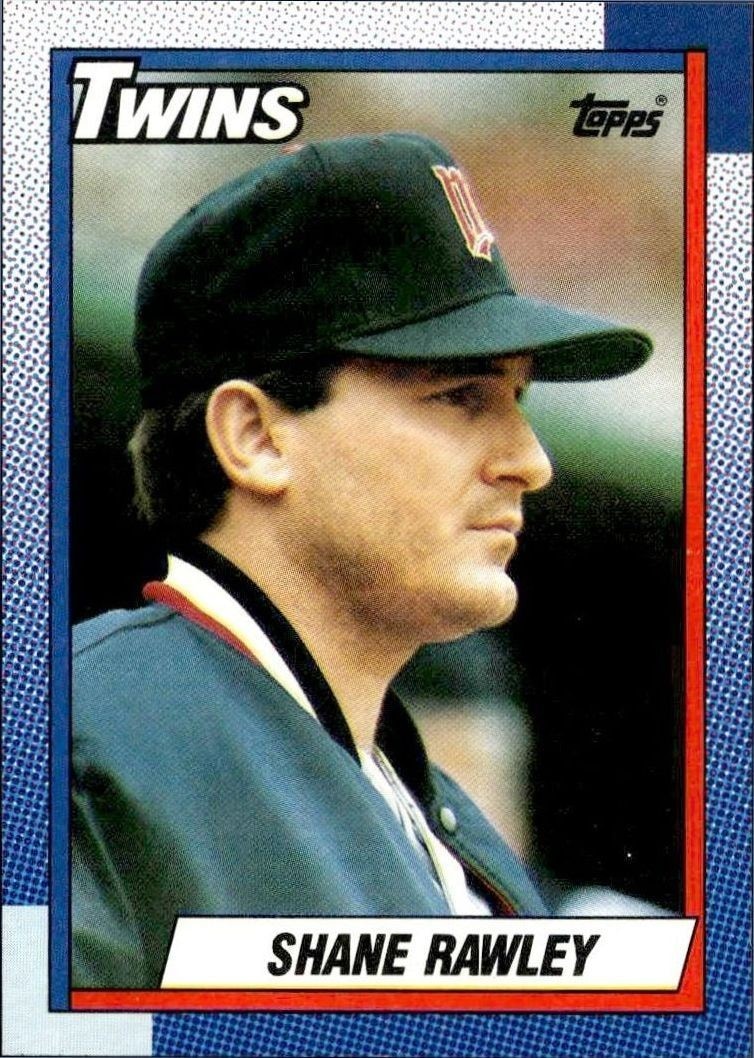



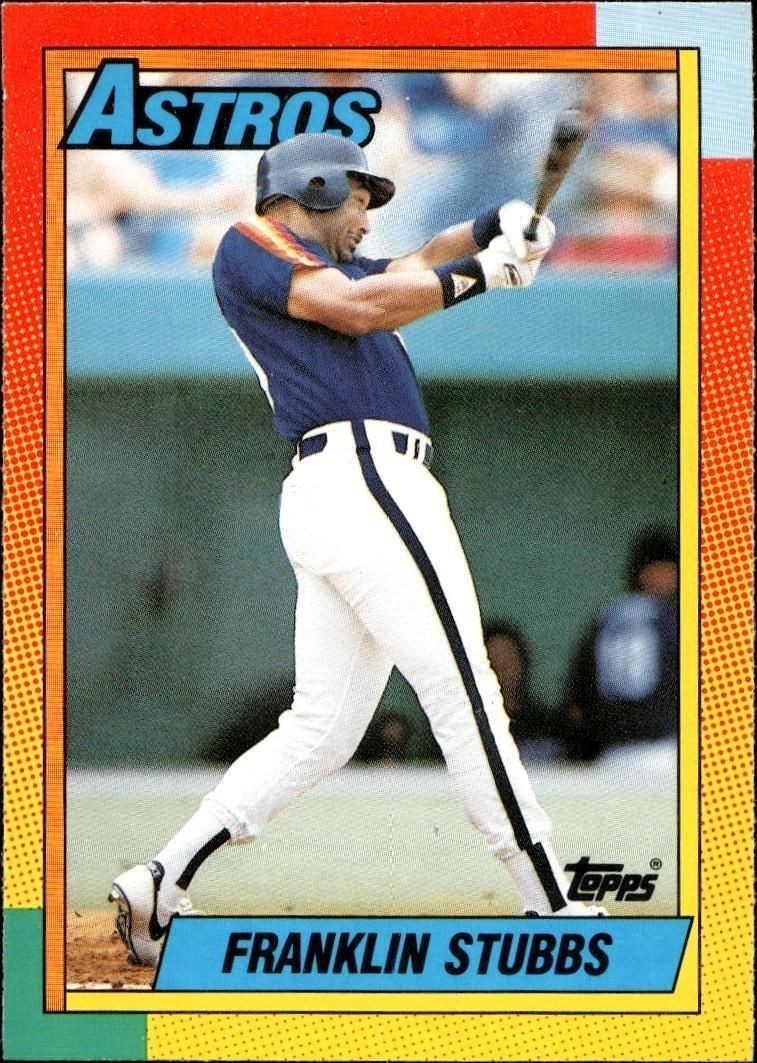

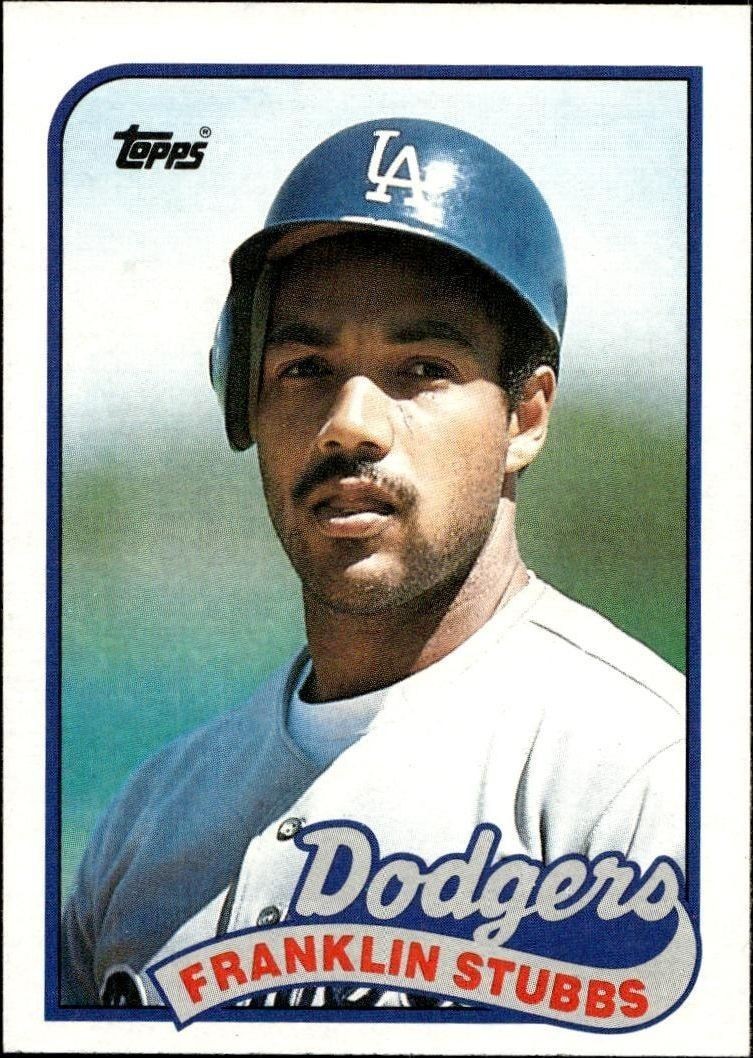
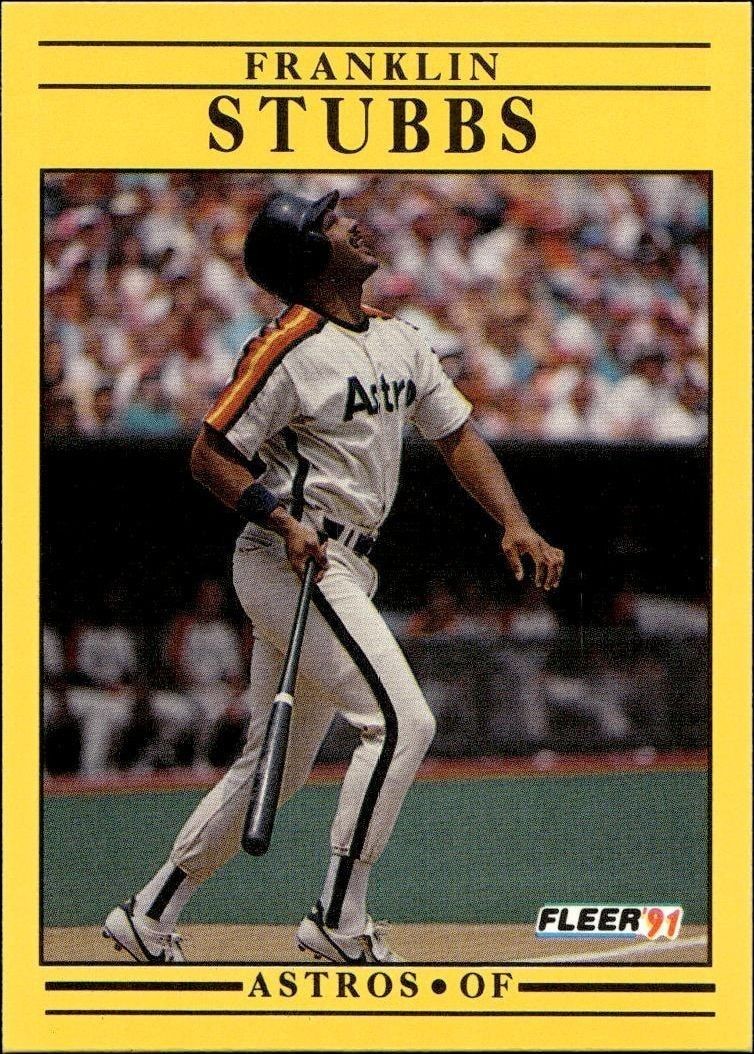


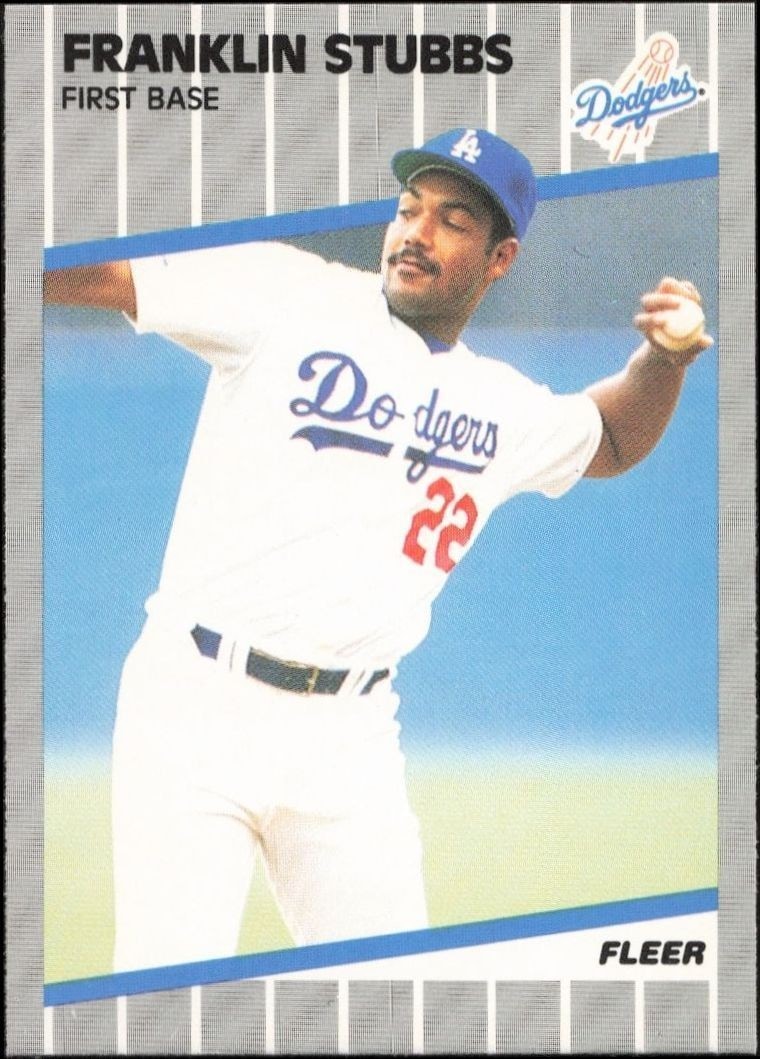

The 1990 Topps Franklin Stubbs #56 card captures the Los Angeles Dodgers infielder in classic vintage baseball card form. A staple for collectors of 1990s MLB memorabilia.
1990 • Topps
Major League Baseball • Los Angeles Dodgers
Excellent
56
New
Shipping Calculated at Checkout
Arrives in 4-6 daysEstimated delivery November 12, 2026 - November 14, 2026
30-day Returns| Condition | Value | Source | Trend | Price Details |
|---|---|---|---|---|
$1.17 | Guide Estimate | 0% | ||
$14.99 | Guide Estimate | 0% | ||
Raw / Ungraded
PriceCharting Price Guide · Guide Estimate evidence · captured Nov 5, 2026
Franklin Stubbs appeared on the 1990 Topps baseball trading card set as card number 56, representing the Los Angeles Dodgers during the early 1990s MLB season. This card is a standard issue from one of the most widely distributed and recognized brands in sports card history, making it a recognizable entry for collectors focusing on 1990s baseball memorabilia. At the time, Stubbs was an active player for the Dodgers, contributing to the team's infield presence before his career concluded. For collectors, acquiring a Franklin Stubbs 1990 Topps #56 card offers a tangible connection to that specific season and team lineup. It serves as a foundational piece for those building a vintage collection dedicated to the Los Angeles Dodgers or the broader 1990 Topps series. The card's straightforward design and historical context make it an accessible yet meaningful addition to any sports card portfolio. Enthusiasts often seek out this release to complete set collections or to highlight the careers of players who defined the Dodgers' roster during the turn of the decade. Whether for nostalgic reasons or historical documentation, the 1990 Topps Franklin Stubbs card remains a relevant item for hobbyists interested in the evolution of baseball card collecting.
6 days ago
We'll pre-fill the product details from this catalog entry, so your listing lands on this exact page. Just add photos of your copy, pick its condition, and set your price.
The catalog profile below summarizes the card identity, featured subject, and notable collectible traits.
The subject, team, league, and sport context tied to this card.
Production details and format-specific attributes.
Material
Card Stock
Language
English
Compare prices, grades, photos, and shipping from approved sellers.
New
Excellent
See how many public collections currently include this card.
0 collectors have this card
FAQ
Franklin Stubbs played for the Los Angeles Dodgers during the 1990 MLB season, as reflected on his 1990 Topps #56 card.
No, the 1990 Topps Franklin Stubbs #56 card is not a rookie card. Stubbs made his MLB debut in 1989, so his rookie card would be from the 1990 season or earlier depending on the set.
To verify authenticity, look for official Topps logos and printing marks. For high-value vintage cards, professional grading services like PSA or Beckett can provide certification, though most standard issues do not require third-party authentication.
This 1990 Topps Franklin Stubbs card represents an entry-level price tier, reflecting its status as a common base card from a high-volume era. While it holds nostalgic value for Dodgers collectors, it lacks the scarcity or condition premiums that drive higher market valuations. The current pricing aligns with standard market expectations for ungraded, non-premium insert cards of this period.
As a standard base card in the 1990 Topps set, this item carries no special scarcity mechanics such as serial numbering, short-print status, or parallel variations. Its supply is effectively unlimited relative to collector demand, as it was mass-produced without any limiting factors. Consequently, it does not benefit from the restricted supply dynamics that typically elevate card values.
This card functions primarily as a portfolio filler or a low-cost acquisition for set completists rather than a growth-oriented asset. Demand is driven by the need to complete specific sets of 1990 Topps baseball cards rather than speculative interest in the player. Collectors seeking value appreciation should look toward rookie cards or limited-parallel subsets within the same era.