











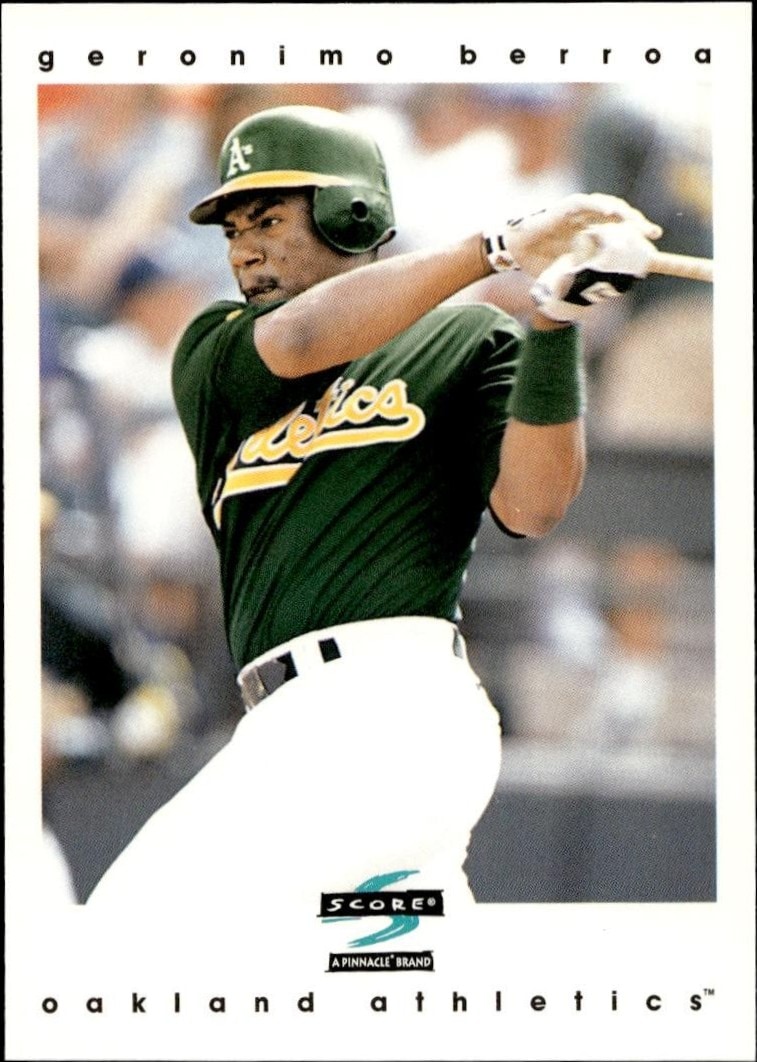
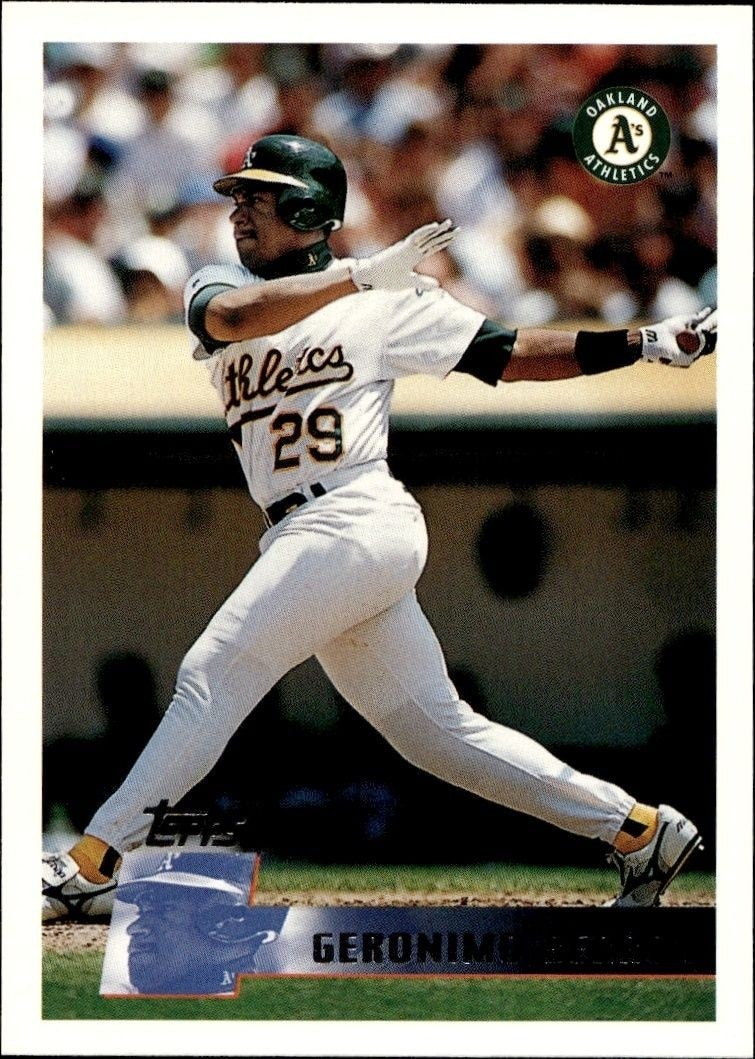
The 1990 Topps Geronimo Berroa baseball card, numbered 617, captures a specific moment in Atlanta Braves history within one of the most recognizable trading card designs of the era.
1990 • Topps
Major League Baseball • Atlanta Braves
Excellent
617
New
Shipping Calculated at Checkout
Arrives in 5-7 daysEstimated delivery October 23, 2026 - October 25, 2026
Seller returns October 19, 2026.30-day Returns| Condition | Value | Source | Trend | Price Details |
|---|---|---|---|---|
$1.49 | Asking Prices | 0% | ||
$5.84 | Guide Estimate | 0% | ||
$6.00 | Guide Estimate | 0% | ||
Raw / Ungraded
eBay Active Listings · Asking Prices evidence · captured Oct 17, 2026
The 1990 Topps Geronimo Berroa baseball card, numbered 617, stands as a tangible link to a specific era of Atlanta Braves history. Produced by Topps, this release is part of a massive annual tradition that defined the look of baseball collecting throughout the 1990s. The design features Berroa in his Braves uniform, offering collectors a straightforward yet nostalgic glimpse into the team's roster during the early part of the decade. For enthusiasts of vintage sports memorabilia, this card represents more than just a player image; it is a piece of cultural history. Collectors often seek out individual cards from this era to complete full base set runs or to focus on specific franchises like the Braves. Geronimo Berroa’s tenure with Atlanta provides context for this card’s place in the broader narrative of Major League Baseball. While his career path took him through several organizations, this issue documents his time with the Braves, appealing to fans who follow the team’s lineage. The card’s catalog number, 617, allows for precise identification within the larger Topps database, which is essential for organized collectors and investors alike. Whether you are a long-time hobbyist looking to fill a gap in your 1990 Topps collection or a new collector entering the world of vintage baseball cards, this product serves as a key identifier for Berroa’s career. The enduring appeal of Topps cards lies in their accessibility and the shared experience they create among fans of the game. By acquiring this card, you are adding a verified piece of baseball lore to your personal archive, preserving the visual identity of a player and team from a pivotal year in sports history.
12 hours ago
We'll pre-fill the product details from this catalog entry, so your listing lands on this exact page. Just add photos of your copy, pick its condition, and set your price.
The catalog profile below summarizes the card identity, featured subject, and notable collectible traits.
The subject, team, league, and sport context tied to this card.
Production details and format-specific attributes.
Material
Card Stock
Language
English
Compare prices, grades, photos, and shipping from approved sellers.
New
Excellent
See how many public collections currently include this card.
0 collectors have this card
This 1990 Topps Geronimo Berroa card trades at a minimal value tier, reflecting its status as a common base insert from a high-volume era. While Berroa had a respectable MLB career, the absence of any special parallels or rookie designation keeps this specific issue well below the price points of his more sought-after variations. The current market price indicates it is accessible to budget-conscious collectors rather than commanding a premium from serious investors.
The card carries no special scarcity attributes, identifying it as a standard base issue from the 1990 Topps set. Without serial numbering, short-print designations, or parallel processing, the supply is effectively unlimited relative to the base set production. This lack of unique limiting factors means the card does not benefit from the supply constraints that typically drive rarity premiums in the secondary market.
As a non-rookie base card from a pre-1990s boom era, this item lacks the rookie-card premium mechanics that drive significant collector demand. The investment outlook is limited to niche completionist collectors seeking to fill gaps in a 1990 Topps set rather than appreciating asset growth. Long-term value retention is likely stagnant given the overwhelming availability of identical copies in the marketplace.
