



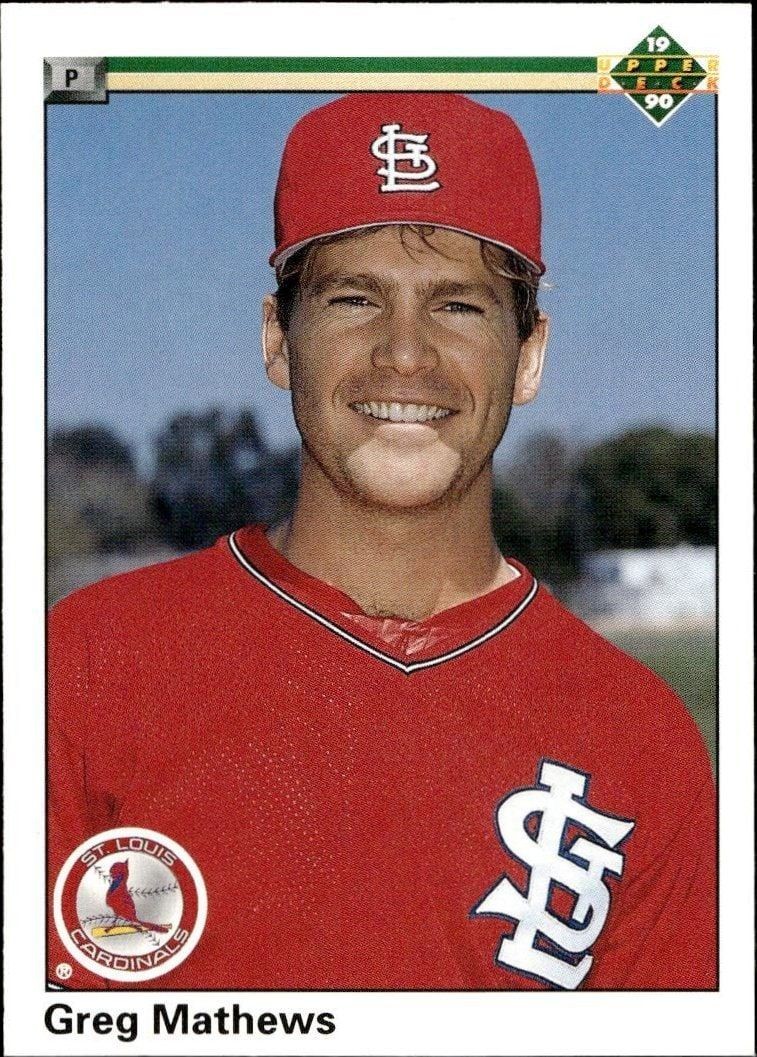
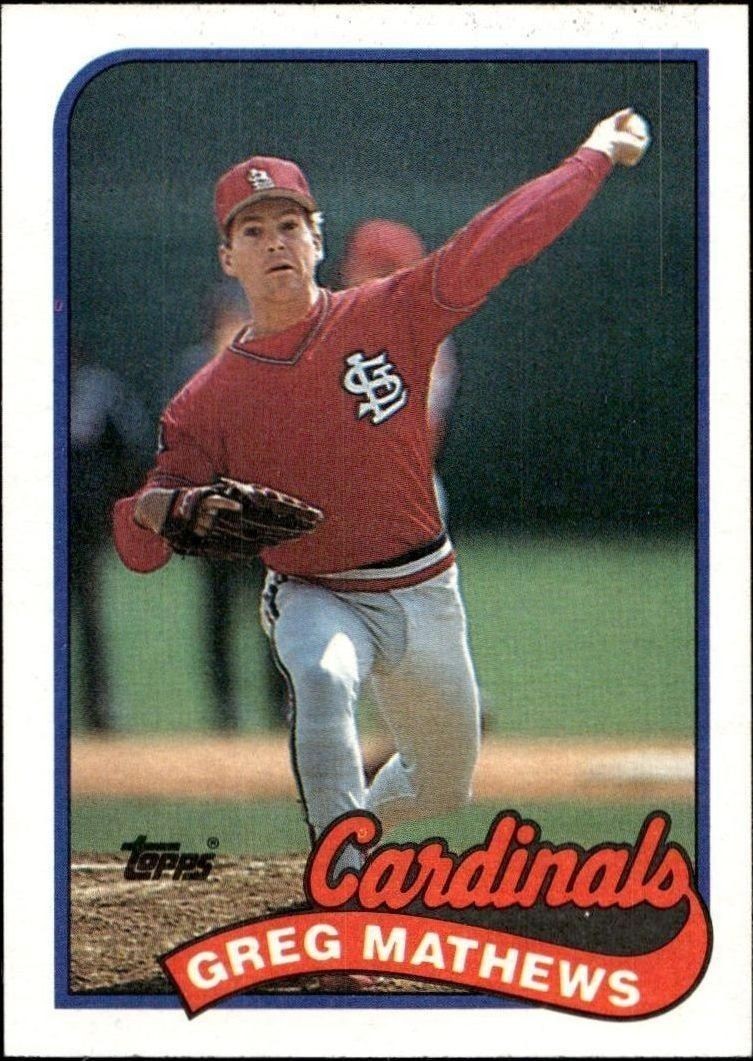
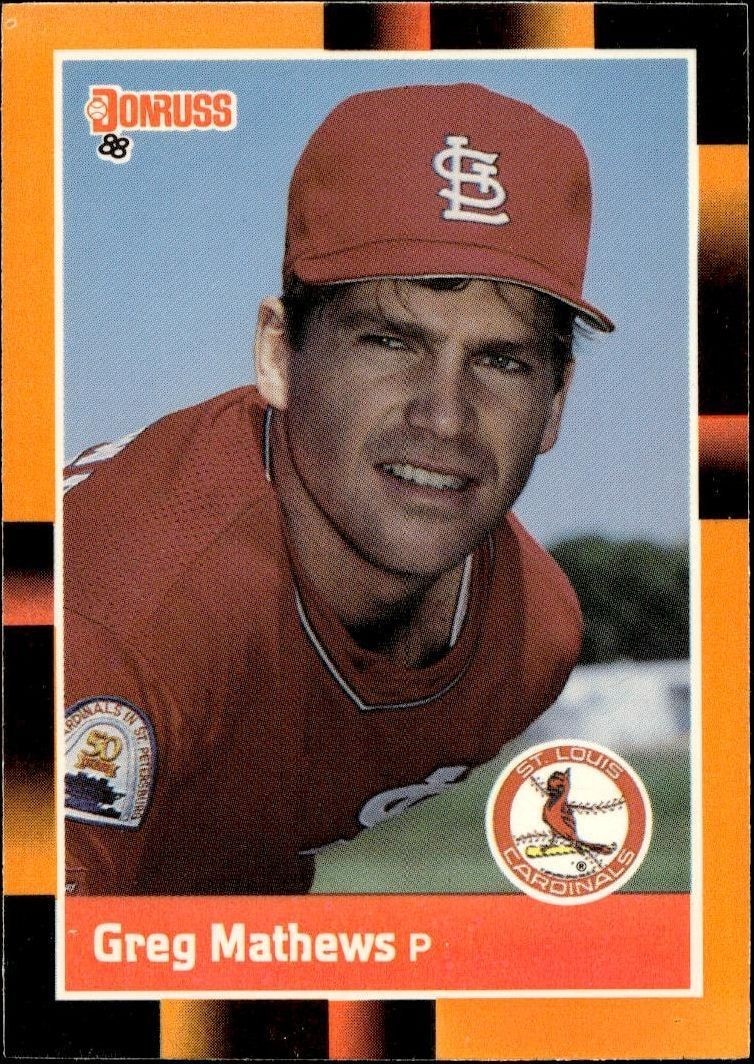
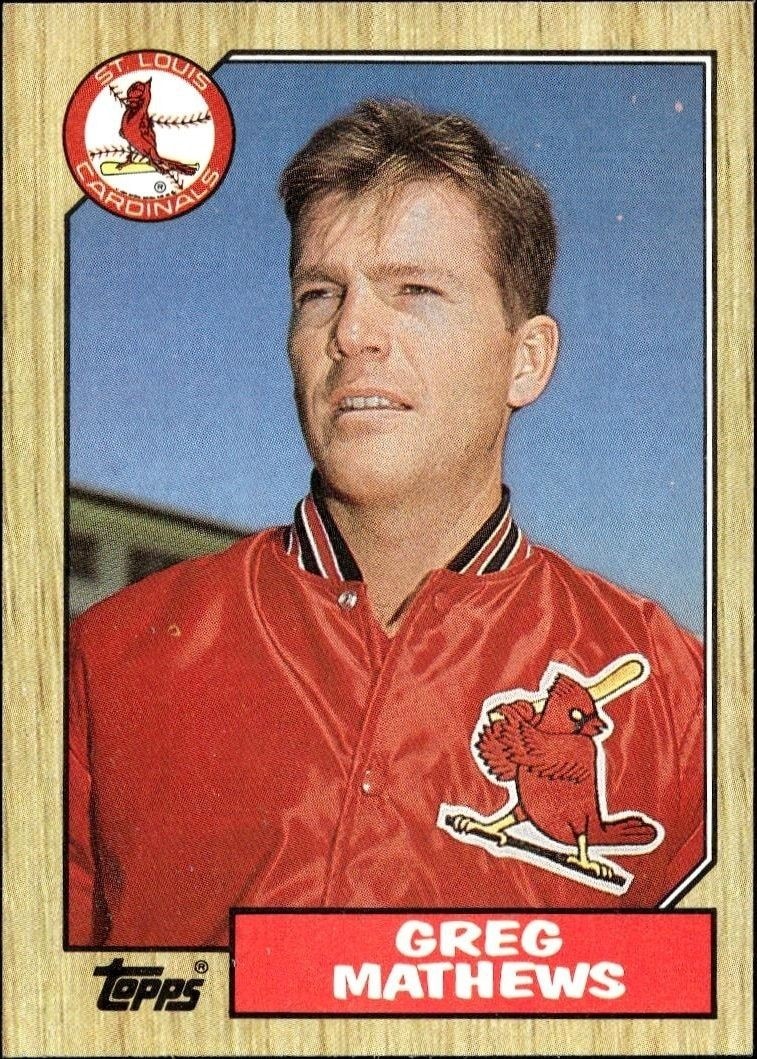
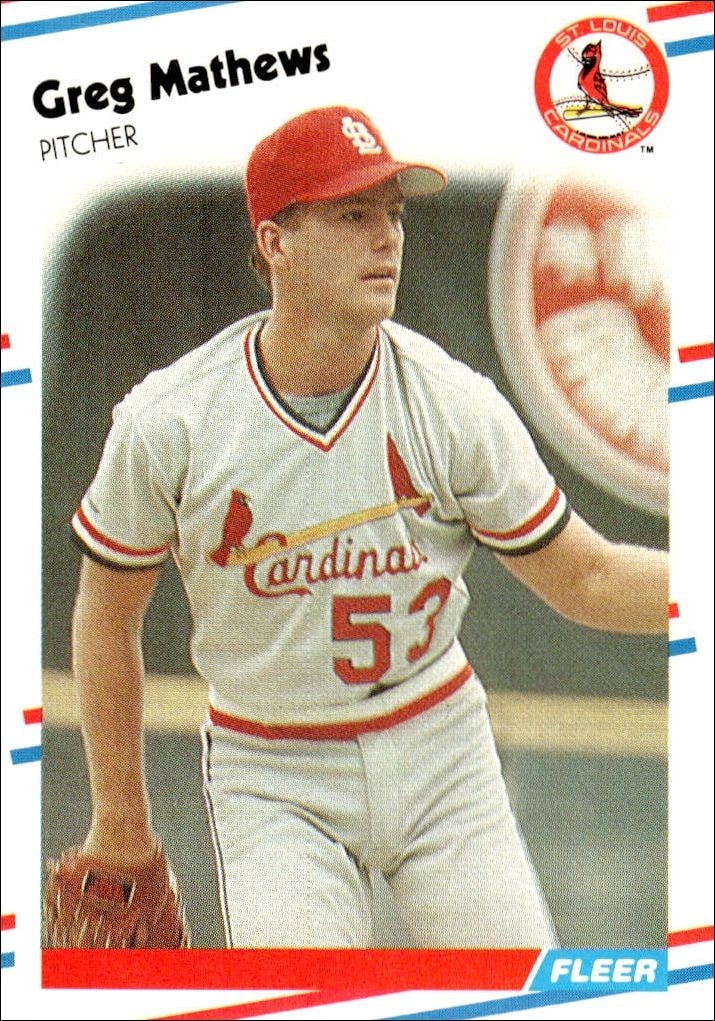
Acquire the 1990 Topps Greg Mathews #209 baseball card, featuring the St. Louis Cardinals player in a staple release from the Topps brand.
1990 • Topps
Major League Baseball • St. Louis Cardinals
Excellent
209
New
Shipping Calculated at Checkout
Arrives in 4-6 daysEstimated delivery October 24, 2026 - October 26, 2026
30-day Returns| Condition | Value | Source | Trend | Price Details |
|---|---|---|---|---|
$1.30 | Asking Prices | |||
Raw / Ungraded
eBay Active Listings · Asking Prices evidence · captured Oct 11, 2026
History is building. At least two days of matching observations are needed to show a trend.
Each point is the last stored observation that day for this printing, condition, grader, autograph status and source. Gaps mean no observation; guide estimates and asking prices are not completed sales.Greg Mathews is featured on card number 209 of the 1990 Topps baseball card set. This release captures the player during his tenure with the St. Louis Cardinals, offering a tangible connection to the team's roster from that specific year. As a standard issue within the Topps brand's annual lineup, this card represents a fundamental piece for enthusiasts of 1990s sports memorabilia. The 1990 Topps set remains one of the most widely collected series in modern sports history. Collectors often seek out specific numbers like #209 to complete base set runs or to focus on particular teams. For fans of the St. Louis Cardinals, Mathews' inclusion provides a direct link to the organization's lineup during the early 1990s era. The card's design adheres to the familiar layout established by the manufacturer, prioritizing clarity and player identification. Building a collection of vintage baseball cards involves acquiring key players and notable roster spots from various seasons. The 1990 Topps Greg Mathews card serves as an accessible entry point for those interested in the St. Louis Cardinals' history or the broader landscape of Major League Baseball during this period. Whether you are targeting a complete base set or focusing on specific team cards, this product fits neatly into any organized collection. By offering access to cards from different eras and teams, the marketplace supports the hobby's growth. Enthusiasts can browse listings to find the specific card number they need to round out their St. Louis Cardinals collection or simply add a piece of 1990s baseball history to their shelf.
14 hours ago
We'll pre-fill the product details from this catalog entry, so your listing lands on this exact page. Just add photos of your copy, pick its condition, and set your price.
The catalog profile below summarizes the card identity, featured subject, and notable collectible traits.
The subject, team, league, and sport context tied to this card.
Production details and format-specific attributes.
Material
Card Stock
Language
English
Compare prices, grades, photos, and shipping from approved sellers.
New
Excellent
See how many public collections currently include this card.
0 collectors have this card
This 1990 Topps Greg Mathews card represents an entry-level tier within the broader baseball card market, reflecting his status as a role player rather than a franchise cornerstone. Without special attributes or high-grade certification noted, it trades at a baseline price point typical for common base cards of this era. The single active listing suggests a thin market with limited immediate liquidity for sellers.
The item is identified as a standard base card with no special attributes such as parallels, short prints, or serial numbering to constrain supply. Consequently, it carries the highest possible print run within the 1990 Topps set, making it widely available compared to hobby-exclusive or insert variations. Scarcity is minimal, relying entirely on condition preservation rather than inherent production limits.
As a non-rookie, non-premium parallel from a major mass-produced set, this card lacks the primary drivers for significant appreciation. Collector demand is likely limited to those completing specific team or player sets, resulting in stable but low-yield potential. Investors should view this as a low-risk acquisition for completion purposes rather than a vehicle for capital growth.
