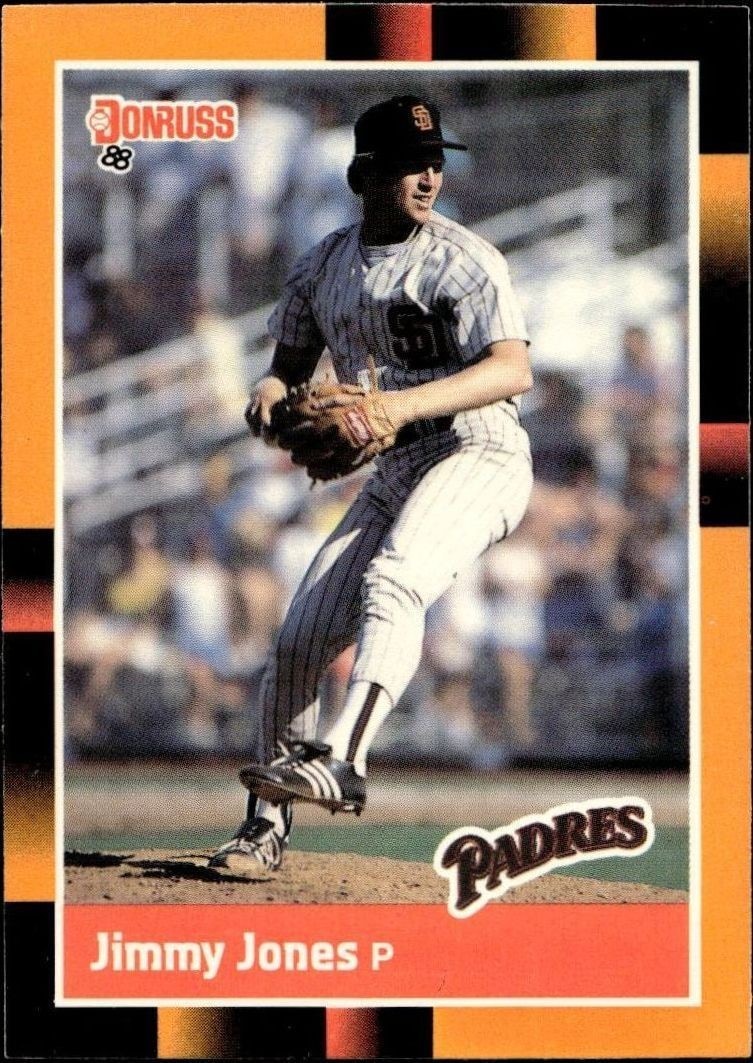





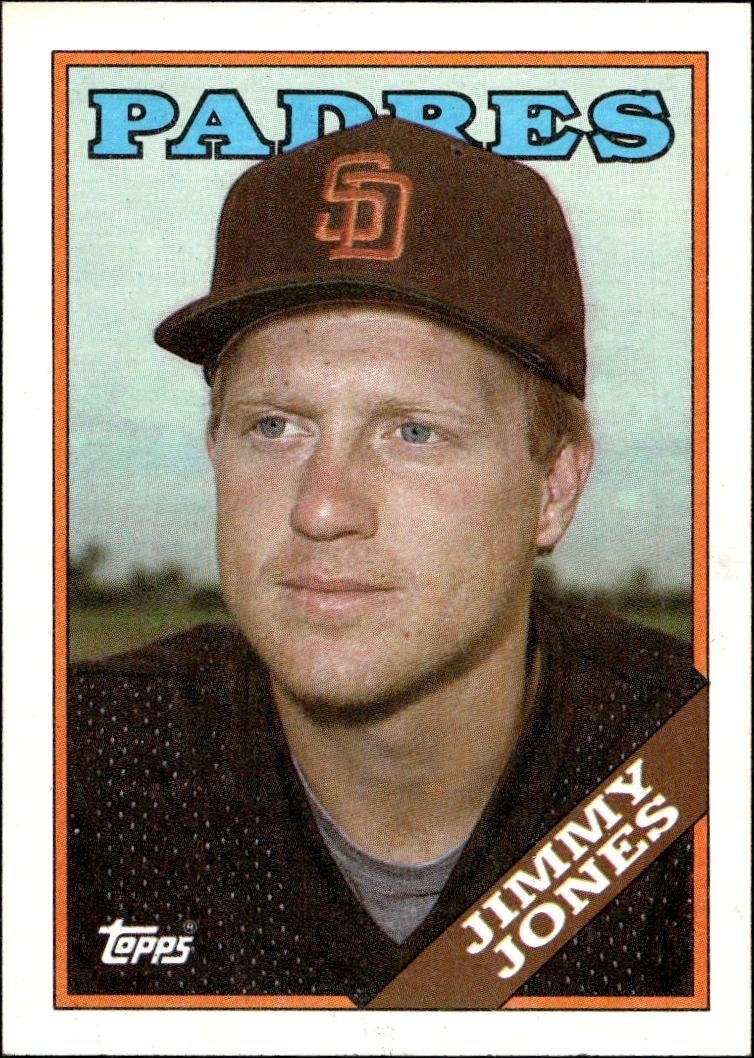
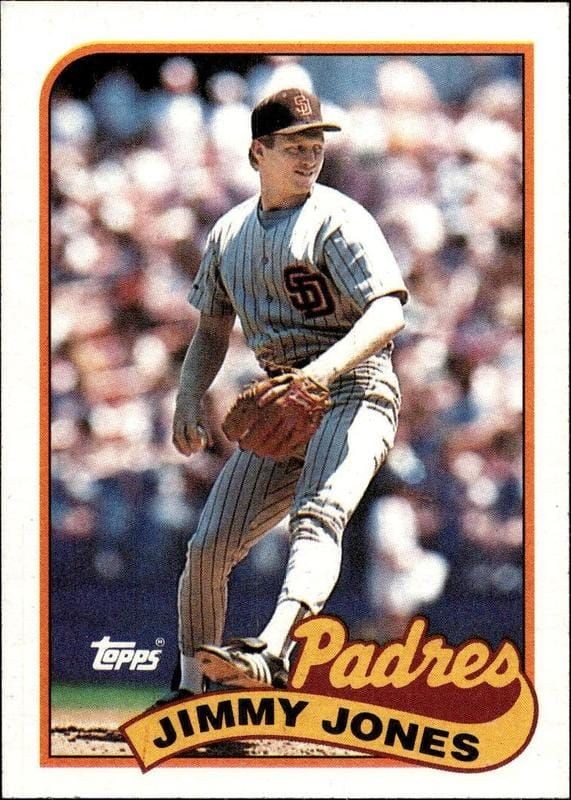


The 1990 Topps Jimmy Jones #359 baseball card captures the New York Yankees player in the iconic 1990 Topps design, a staple for vintage MLB collectors.
1990 • Topps
Major League Baseball • New York Yankees
Excellent
359
New
Shipping Calculated at Checkout
Arrives in 5-7 daysEstimated delivery October 23, 2026 - October 25, 2026
Seller returns October 19, 2026.30-day Returns| Condition | Value | Source | Trend | Price Details |
|---|---|---|---|---|
$0.99 | Guide Estimate | 0% | ||
$29.99 | Guide Estimate | 0% | ||
$33.00 | Guide Estimate | 0% | ||
$100.00 | Guide Estimate | 0% | ||
$46.00 | Guide Estimate | 0% | ||
$77.00 | Guide Estimate | 0% | ||
$46.00 | Guide Estimate | 0% | ||
Raw / Ungraded
PriceCharting Price Guide · Guide Estimate evidence · captured Oct 9, 2026
The 1990 Topps Jimmy Jones #359 baseball card stands as a distinct entry in the 1990 Topps baseball set, cataloging Jimmy Jones during his tenure with the New York Yankees. This card number is essential for enthusiasts focusing on the complete 1990 Topps baseball series, which remains one of the most recognizable designs in sports card history. Collectors often seek this card to round out their year-based collections or to focus on the roster composition of the Yankees during that specific era. For investors and hobbyists alike, the 1990 Topps Jimmy Jones #359 represents a tangible connection to Major League Baseball's rich heritage. Whether you are building a comprehensive set of 1990 Topps baseball cards or curating a collection dedicated to New York Yankees history, this card serves a specific cataloging purpose. We provide a platform where you can find the 1990 Topps Jimmy Jones #359 alongside a diverse selection of other sports trading cards. Our focus is on connecting collectors with the specific cards they need, ensuring that the hunt for rare parallels or base cards is streamlined. The 1990 Topps Jimmy Jones #359 is a fundamental piece for anyone serious about completing a 1990 Topps baseball set or documenting the career of Jimmy Jones within the context of MLB history. It offers a straightforward, catalog-level reference point for the player and team in a year that defined a generation of baseball card design.
1 day ago
We'll pre-fill the product details from this catalog entry, so your listing lands on this exact page. Just add photos of your copy, pick its condition, and set your price.
The catalog profile below summarizes the card identity, featured subject, and notable collectible traits.
The subject, team, league, and sport context tied to this card.
Production details and format-specific attributes.
Material
Card Stock
Language
English
Compare prices, grades, photos, and shipping from approved sellers.
New
Excellent
See how many public collections currently include this card.
0 collectors have this card
This 1990 Topps base card of Jimmy Jones sits at the lowest tier of the modern baseball card market, reflecting its status as a common entry-level item rather than a premium collectible. The absence of any special parallels or insert status places it firmly within the mass-produced base set, resulting in minimal price appreciation potential. While it holds nostalgic value for fans of the 1990 New York Yankees, it commands little to no premium compared to rookie cards or high-grade variations of the same player.
The card lacks any scarcity attributes, as it is a standard base card from the 1990 Topps set with no serial numbering, short-print designations, or limited edition markers. This unadorned nature means the supply is effectively unlimited relative to collector demand, as these cards were printed in vast quantities for widespread distribution. Without unique identifiers or parallel variations, the item remains one of the most abundant forms of this player's memorabilia.
Given its position as a common base card from the early 1990s, this item offers negligible investment upside and should be viewed primarily as a casual acquisition for filling gaps in a set. Collector demand for non-rookie, non-premium cards from this era is typically driven by completionists rather than speculators, limiting liquidity and growth potential. It serves better as a low-cost archival piece than as a vehicle for capital appreciation.