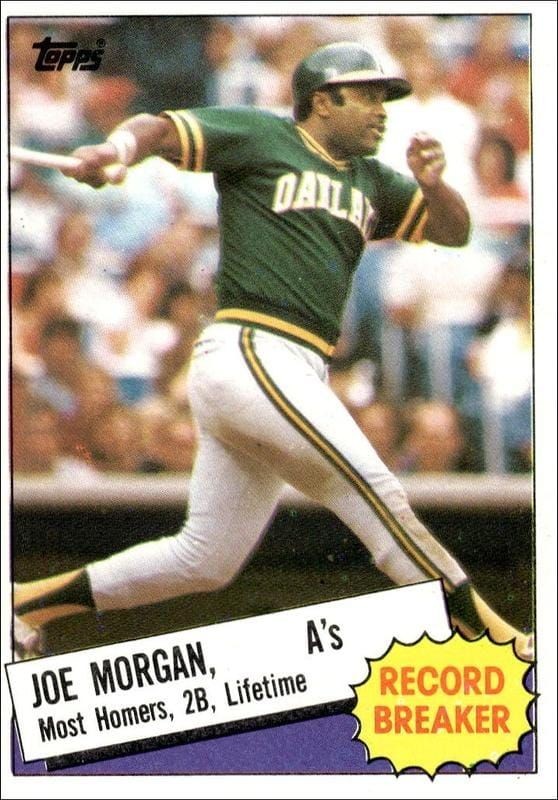




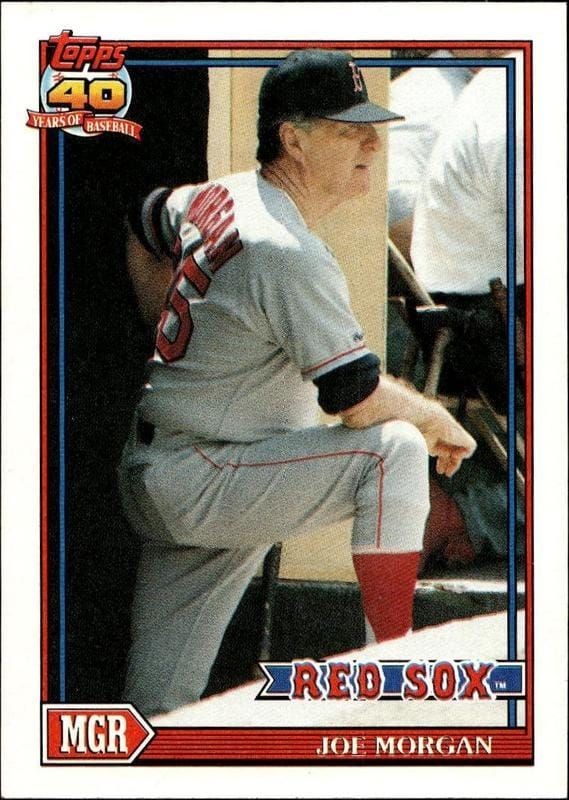
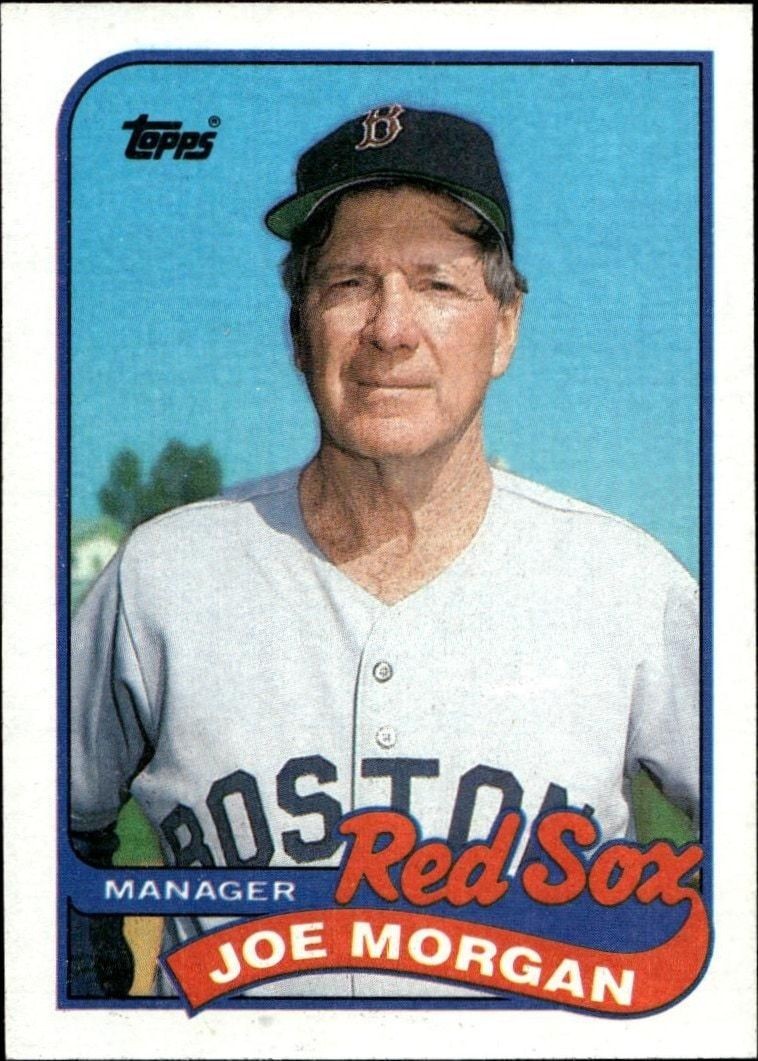


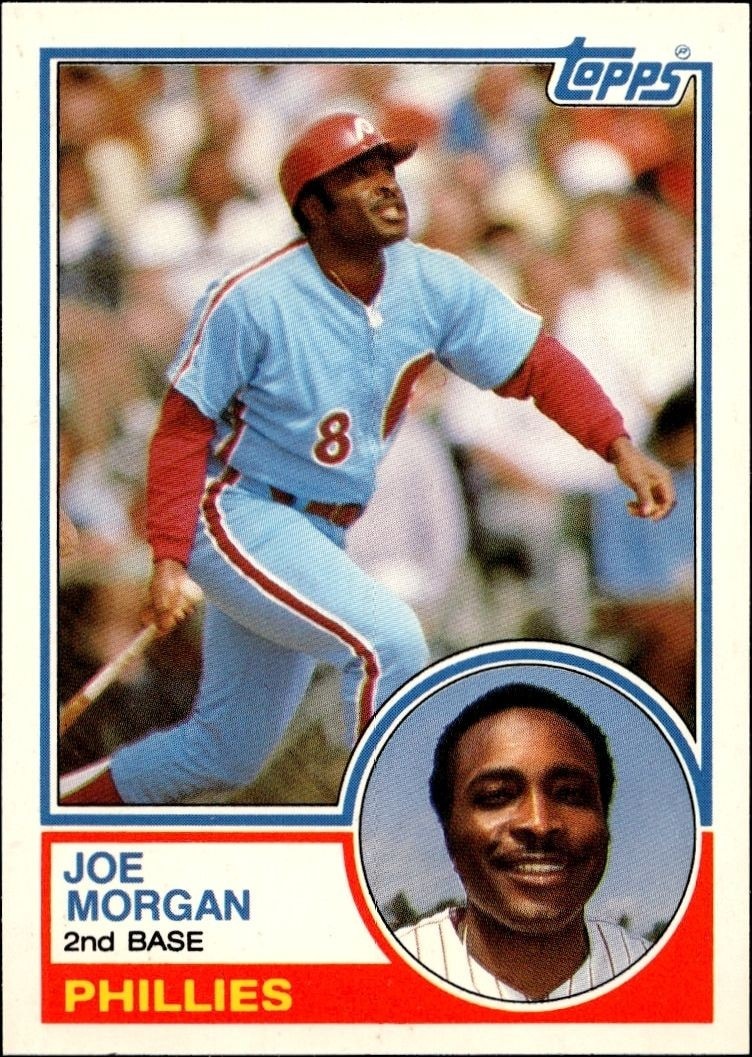
Explore the 1990 Topps baseball card featuring Joe Morgan and his tenure with the Boston Red Sox. Find diverse listings for this #321 card on SuperCatch.
1990 • Topps
Major League Baseball • Boston Red Sox
Near Mint
321
New
Shipping Calculated at Checkout
Arrives in 5-7 daysEstimated delivery October 23, 2026 - October 25, 2026
Seller returns October 19, 2026.30-day Returns| Condition | Value | Source | Trend | Price Details |
|---|---|---|---|---|
$1.37 | Guide Estimate | -0.7% | ||
$1.39As of 9/21/2026 | Completed Sales | |||
$0.99 | Guide Estimate | 0% | ||
$10.44 | Guide Estimate | 0% | ||
$20.07 | Guide Estimate | -0.5% | ||
$36.75 | Guide Estimate | +0.2% | ||
$120.00 | Guide Estimate | 0% | ||
$55.00 | Guide Estimate | 0% | ||
$92.20 | Guide Estimate | +0.3% | ||
$55.00 | Guide Estimate | 0% | ||
Raw / Ungraded
PriceCharting Price Guide · Guide Estimate evidence · captured Oct 16, 2026
The 1990 Topps release remains a staple for collectors who appreciate classic baseball card design and historical roster data. This card, numbered 321, highlights Joe Morgan during his tenure with the Boston Red Sox, offering a tangible piece of Major League Baseball history from that era. For enthusiasts of the 1990 Topps series, this card serves as a key identifier for completing base set collections or focusing on players who contributed to the team during that season. Collecting from the 1990 Topps brand often involves tracking down specific players who were active during that calendar year. The card's identity is rooted in the official league data, linking Morgan directly to his time on the Red Sox roster. This connection makes it particularly relevant for collectors who track player movements or focus on the history of the Boston Red Sox franchise. The straightforward presentation of player information and team affiliation is characteristic of the Topps catalog from this period, appealing to those who value historical accuracy and brand consistency. Whether you are looking to add this card to a personal archive or are exploring the broader market for 1990 Topps baseball cards, the platform allows for easy navigation by player, team, and card number. The focus remains on the product's identity as a recognized piece of sports trading card history, allowing collectors to find the specific version they seek without distraction. By focusing on the core attributes of the card, collectors can make informed decisions about adding this piece to their collection. For those interested in the intersection of player legacy and team history, this card offers a direct link to Morgan's time in Boston. The 1990 Topps set is widely recognized, and cards from this release continue to be sought after by hobbyists who value the era's design and information layout.
20 hours ago
We'll pre-fill the product details from this catalog entry, so your listing lands on this exact page. Just add photos of your copy, pick its condition, and set your price.
The catalog profile below summarizes the card identity, featured subject, and notable collectible traits.
The subject, team, league, and sport context tied to this card.
Production details and format-specific attributes.
Material
Card Stock
Language
English
Compare prices, grades, photos, and shipping from approved sellers.
New
Near Mint
See how many public collections currently include this card.
0 collectors have this card
This 1990 Topps Joe Morgan card represents a mass-produced entry from the post-retirement era, positioning it at the lower end of the price spectrum for the Hall of Famer's collectibles. As a standard base card, it lacks the condition premiums or scarcity drivers that elevate vintage issues, resulting in a modest market valuation relative to his career significance. The availability of active listings suggests a liquid but low-demand environment typical of common vintage staples.
The item is identified as a standard base card with no special attributes such as short printing, serial numbering, or parallel variations noted. This indicates a high supply volume typical of mass-market production in 1990, where no mechanical constraints limit the number of available copies. Consequently, the card does not carry any intrinsic scarcity mechanics that would differentiate its supply from the broader set.
As a non-rookie, non-premium parallel from the early 1990s, this card lacks the rookie-card premium and set-positioning advantages that typically drive long-term collector demand. While Joe Morgan’s legacy ensures baseline interest, the specific mechanics of this release do not offer unique scarcity or condition rarity to support significant appreciation. It serves primarily as an accessible entry point for collection completion rather than a strategic investment vehicle.