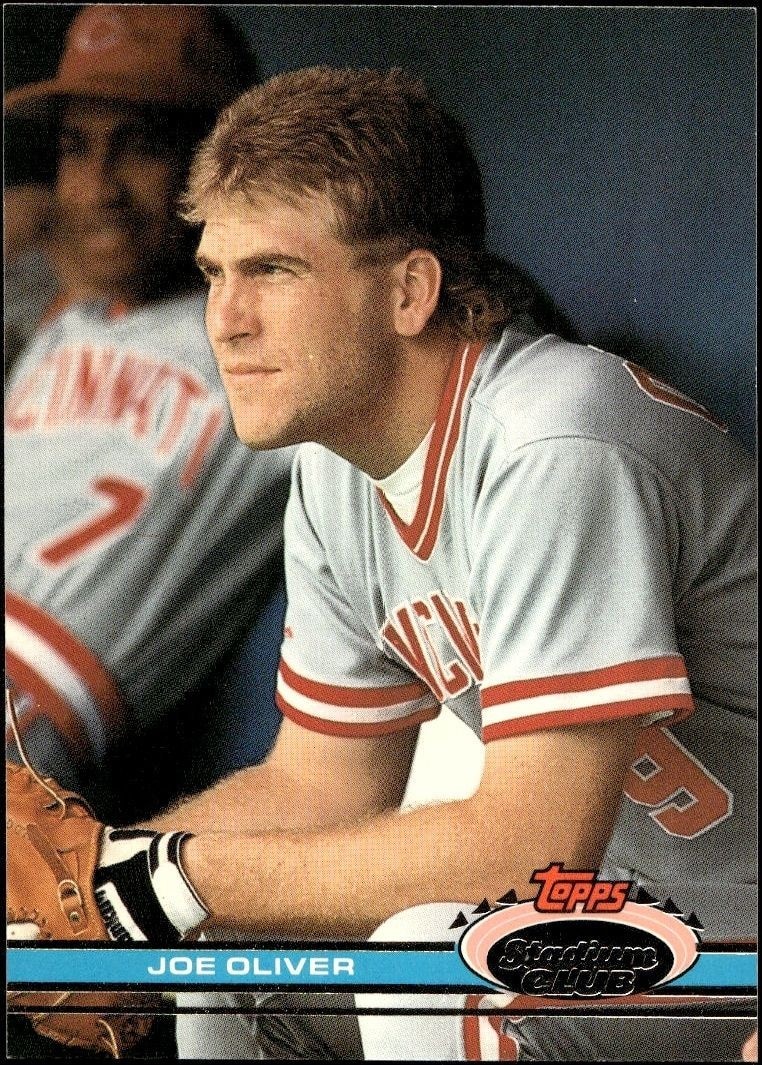




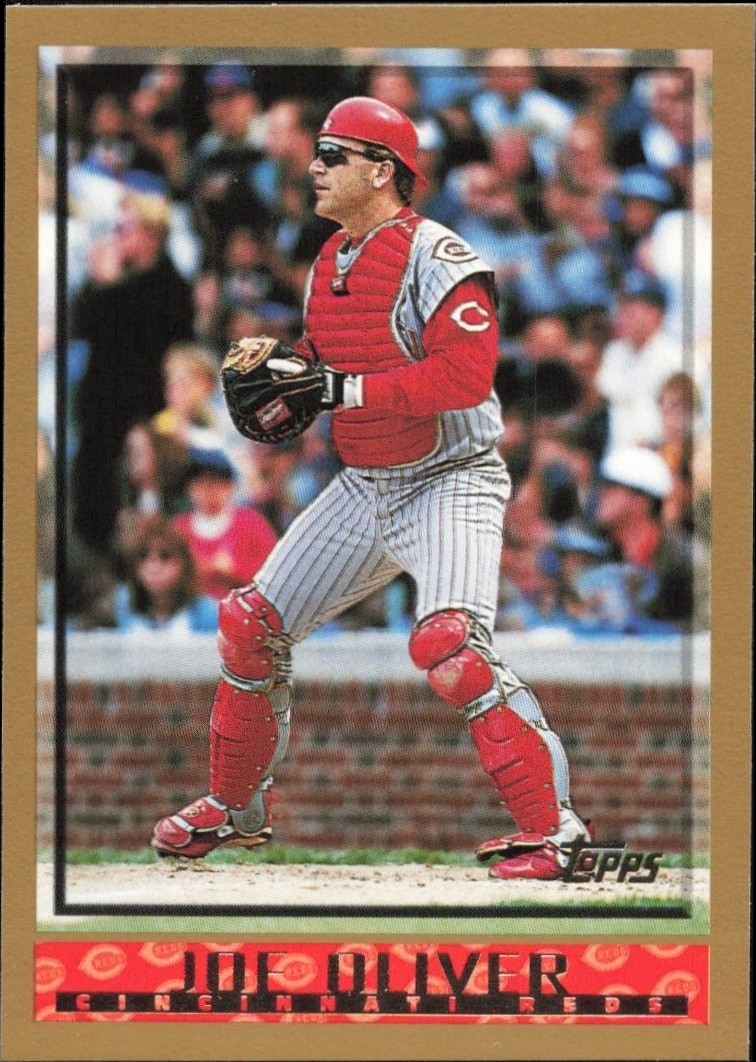


Explore the 1990 Topps Joe Oliver #668 baseball card, a vintage collectible from the Cincinnati Reds era for serious collectors.
1990 • Topps
Major League Baseball • Cincinnati Reds
Excellent
668
New
Shipping Calculated at Checkout
Arrives in 4-6 daysEstimated delivery November 12, 2026 - November 14, 2026
30-day Returns| Condition | Value | Source | Trend | Price Details |
|---|---|---|---|---|
$1.47As of 10/24/2026 | Guide Estimate | 0% | ||
$26.00As of 9/21/2026 | Guide Estimate | |||
$29.00As of 9/21/2026 | Guide Estimate | |||
Raw / Ungraded
PriceCharting Price Guide · Guide Estimate evidence · captured Oct 24, 2026
The 1990 Topps Joe Oliver #668 baseball card represents a specific moment in the history of the Cincinnati Reds franchise. As part of the iconic Topps brand, this card captures Joe Oliver during his tenure with the team, offering collectors a tangible link to that particular season. Topps cards from this era are widely recognized for their distinct design language and historical significance within the sports card hobby. Collectors often seek out cards from the 1990 Topps set due to their nostalgic value and the high-quality production standards established by the manufacturer during this period. The #668 card number places Joe Oliver within the comprehensive checklist, providing context for those building complete sets or focusing on specific players from the Reds roster. For investors and hobbyists alike, vintage cards like this one serve as a cornerstone for understanding the evolution of sports trading cards. The enduring appeal of the 1990 Topps brand lies in its consistent release schedule and the way it documented the careers of players like Joe Oliver. Whether you are looking to complete a base set, add a Reds-related piece to your portfolio, or simply appreciate the aesthetics of early 90s card design, this product offers a meaningful addition to any collection. Building a collection of vintage baseball cards requires attention to detail and an appreciation for the era. The 1990 Topps Joe Oliver #668 card stands as a testament to the depth of the hobby, connecting fans to the game through physical memorabilia. By focusing on the specific attributes of the card—its 1990 release date, the Topps manufacturer, and its association with the Cincinnati Reds—collectors can make informed decisions about their acquisitions. This approach ensures that the value placed on the item is rooted in its historical and catalog identity rather than transient market trends.
6 days ago
We'll pre-fill the product details from this catalog entry, so your listing lands on this exact page. Just add photos of your copy, pick its condition, and set your price.
The catalog profile below summarizes the card identity, featured subject, and notable collectible traits.
The subject, team, league, and sport context tied to this card.
Production details and format-specific attributes.
Material
Card Stock
Language
English
Compare prices, grades, photos, and shipping from approved sellers.
New
Excellent
See how many public collections currently include this card.
0 collectors have this card
FAQ
The card was released in 1990 as part of the standard Topps baseball card set. This year places it within the early 1990s era of sports card production.
The card features Joe Oliver during his time with the Cincinnati Reds. The team association is a key identifier for collectors focusing on Reds history.
No, the 1990 Topps Joe Oliver #668 is not a rookie card. It was issued several years into his career, documenting his time with the Cincinnati Reds.
As a base card from a major set, this item sits at the entry-level price tier relative to Joe Oliver's broader portfolio. It lacks the condition or grading premiums that typically drive value in vintage baseball collectibles. The current pricing reflects standard market liquidity for ungraded base issues from this era.
This card carries no special scarcity attributes, such as serial numbering, short-print status, or parallel variations, placing it in the standard base set category. The supply is determined by the original print run of the 1990 Topps set, which is generally high. Consequently, individual copies do not benefit from the supply constraints associated with limited edition or unique items.
Investment potential is limited by the absence of rookie card designation or special insert features that typically drive collector demand. The card's value is anchored in its status as a standard base issue from a widely produced set. Long-term appreciation is unlikely without significant shifts in the player's historical recognition or the emergence of specific grading premiums for this product.