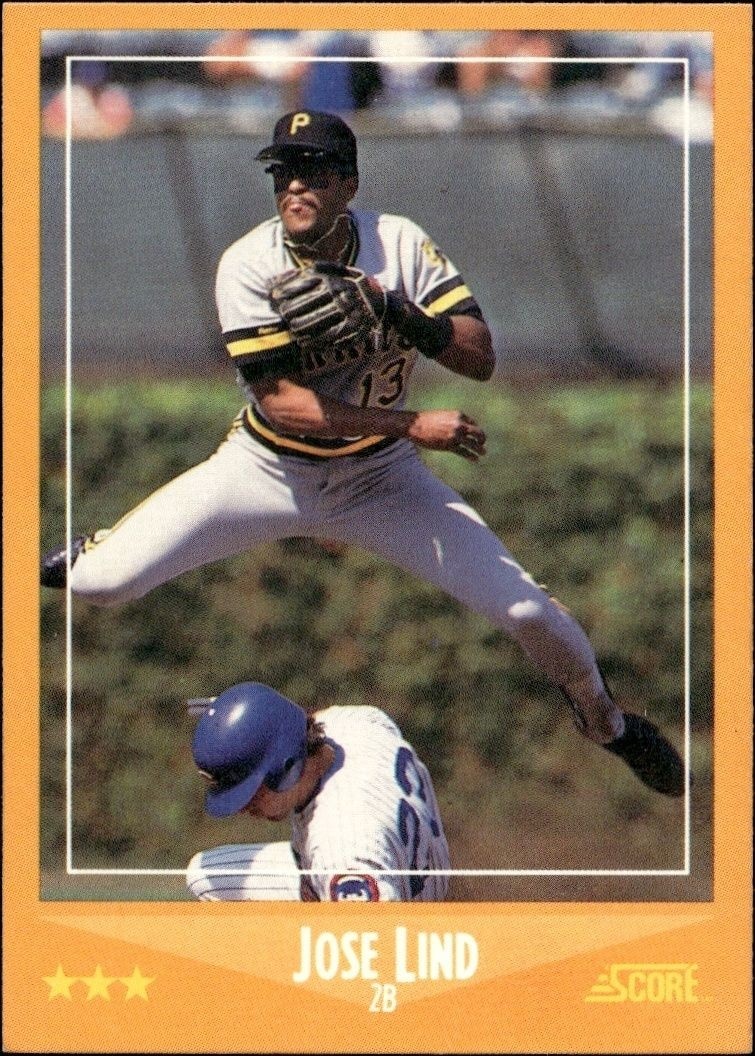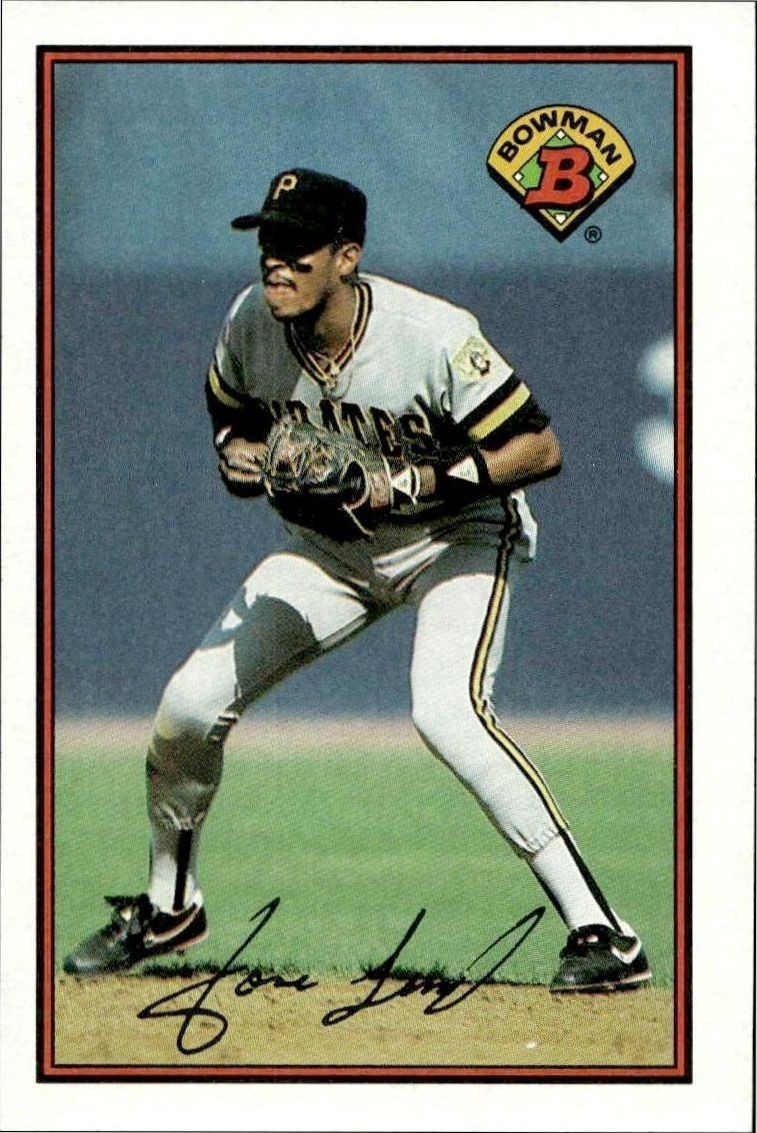
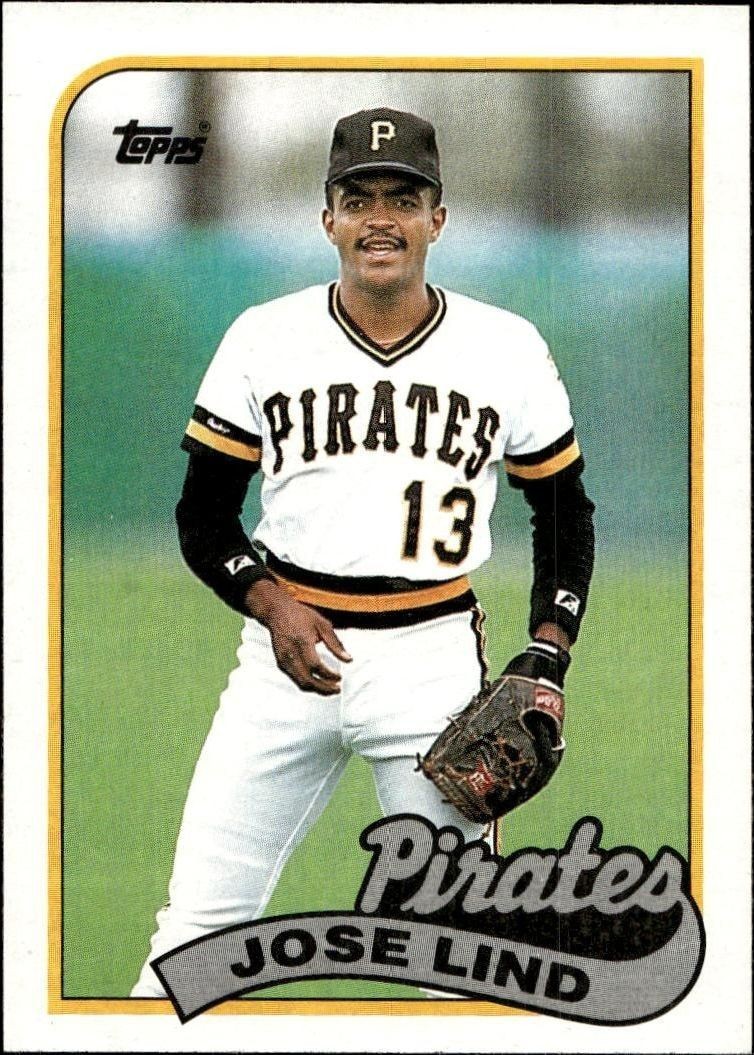
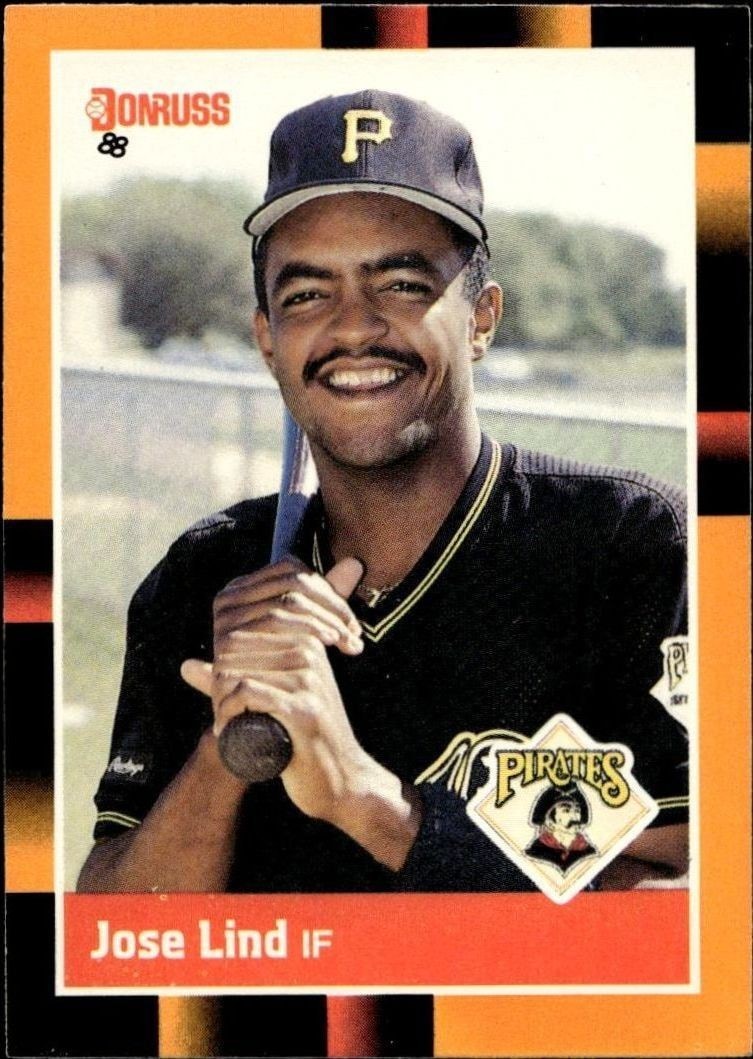
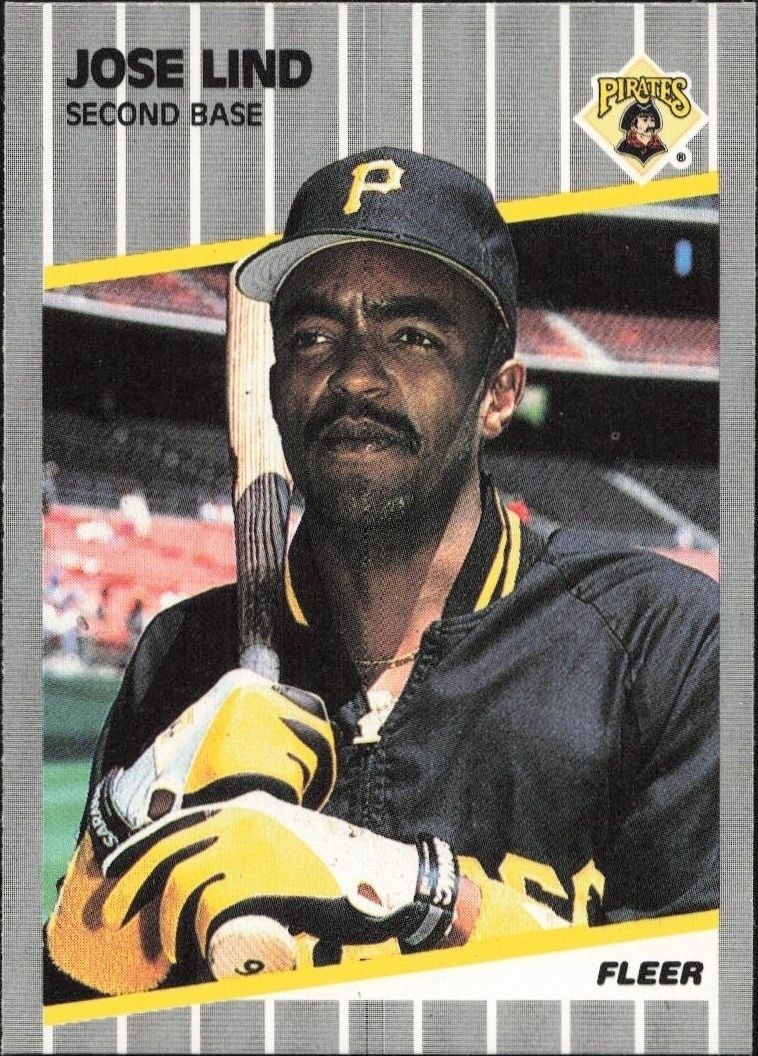
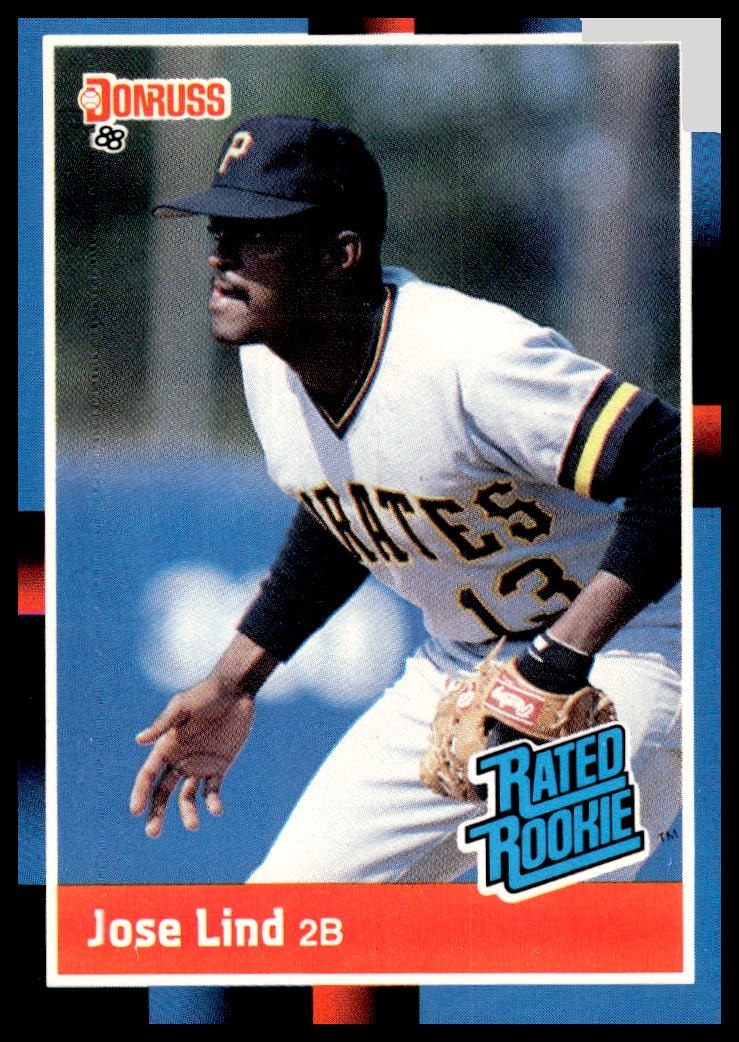
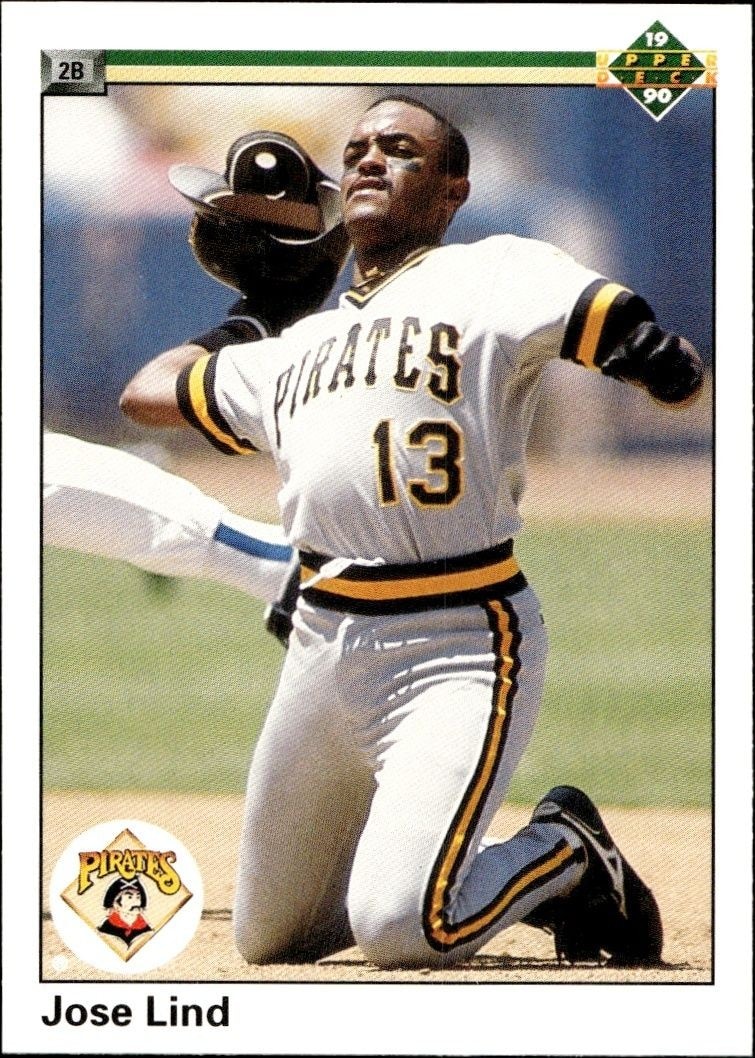
The 1990 Topps #168 Jose Lind baseball card captures the Pittsburgh Pirates infielder during a pivotal era in franchise history.
1990 • Topps
Major League Baseball • Pittsburgh Pirates
Excellent
168
New
Shipping Calculated at Checkout
Arrives in 5-7 daysEstimated delivery October 23, 2026 - October 25, 2026
Seller returns October 19, 2026.30-day Returns| Condition | Value | Source | Trend | Price Details |
|---|---|---|---|---|
$1.39As of 9/21/2026 | Guide Estimate | |||
$2.56As of 9/21/2026 | Guide Estimate | |||
$3.25As of 9/21/2026 | Guide Estimate | |||
$4.00As of 9/21/2026 | Guide Estimate | |||
Raw / Ungraded
PriceCharting Price Guide · Guide Estimate evidence · captured Sep 21, 2026
History is building. At least two days of matching observations are needed to show a trend.
Each point is the last stored observation that day for this printing, condition, grader, autograph status and source. Gaps mean no observation; guide estimates and asking prices are not completed sales.The 1990 Topps #168 Jose Lind baseball card stands as a recognizable piece of early 1990s sports memorabilia. Issued by Topps, the company that dominated the trading card landscape during this decade, this release features Lind while he was active with the Pittsburgh Pirates. Collectors often gravitate toward this card number because it represents a straightforward, standard-issue portrait typical of the brand's design language from that period. Jose Lind played a significant role for the Pirates during the late 1980s and early 1990s. For fans of the team or those who follow the career of infielders from that generation, this card serves as a tangible connection to that specific timeline in Major League Baseball. When searching for vintage baseball cards, the 1990 Topps #168 Jose Lind card remains a popular entry point. It appeals to completists looking to fill gaps in their personal archives, as well as casual collectors interested in the visual history of the Pittsburgh Pirates. The card’s enduring presence in the market highlights its accessibility and its status as a staple for anyone building a library of 1990s MLB trading cards. Whether viewed as a nostalgic keepsake or a component of a larger set, this product offers a direct link to the sport's recent past.
8 hours ago
We'll pre-fill the product details from this catalog entry, so your listing lands on this exact page. Just add photos of your copy, pick its condition, and set your price.
The catalog profile below summarizes the card identity, featured subject, and notable collectible traits.
The subject, team, league, and sport context tied to this card.
Production details and format-specific attributes.
Material
Card Stock
Language
English
Compare prices, grades, photos, and shipping from approved sellers.
New
Excellent
See how many public collections currently include this card.
0 collectors have this card
This 1990 Topps Jose Lind base card trades at a modest entry-level price point, reflecting its status as a common parallel from a standard set rather than a premium insert. While it lacks the condition premiums associated with graded examples or special parallels, it remains accessible for collectors seeking affordable representation of his tenure with the Pittsburgh Pirates. The current listing availability suggests a balanced supply-to-demand ratio typical of mass-produced vintage base cards.
As a standard base card from the 1990 Topps set, this item carries no serial numbering, short-print designations, or limited-edition mechanics that would artificially constrain supply. Its scarcity is defined solely by the original print run volume, which was designed for broad distribution rather than exclusivity. Consequently, the supply pool is likely substantial, with individual cards distinguished primarily by centering and corner wear rather than unique production attributes.
The card’s position as a non-rookie, base-issue item limits its potential for significant appreciation compared to rookie parallels or auto-embedded variants. Collector demand is driven by nostalgic value for the early 1990s Pirates era rather than speculative growth metrics. Investors should view this as a low-risk, low-reward acquisition suitable for completing basic set collections rather than as a vehicle for capital appreciation.