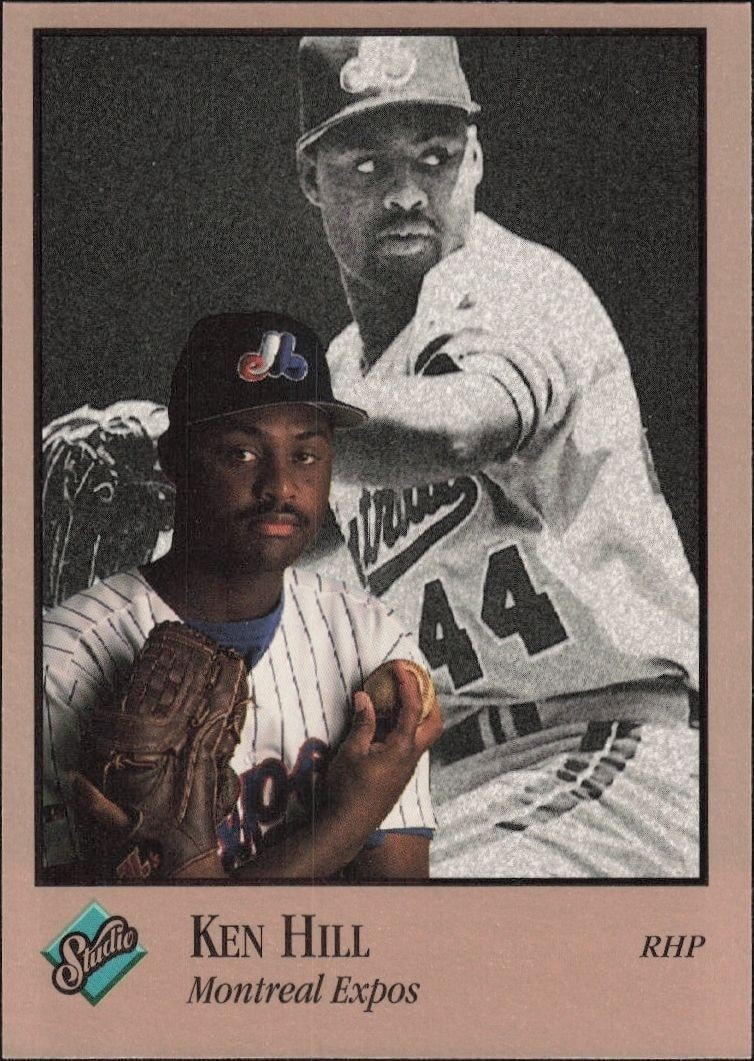






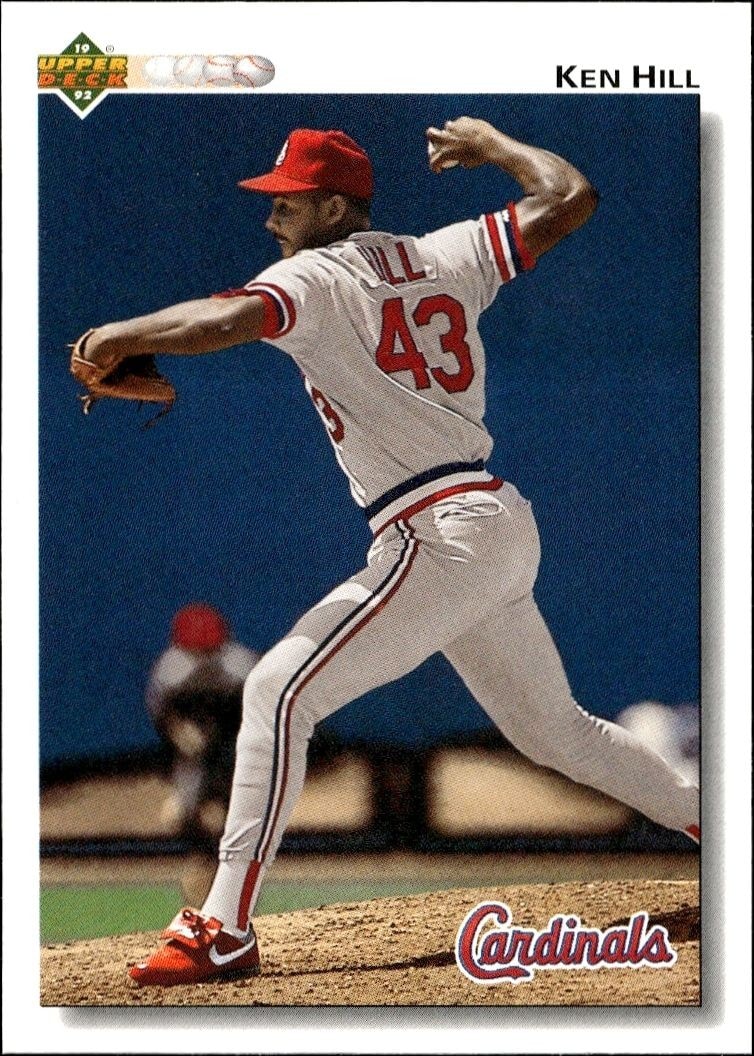

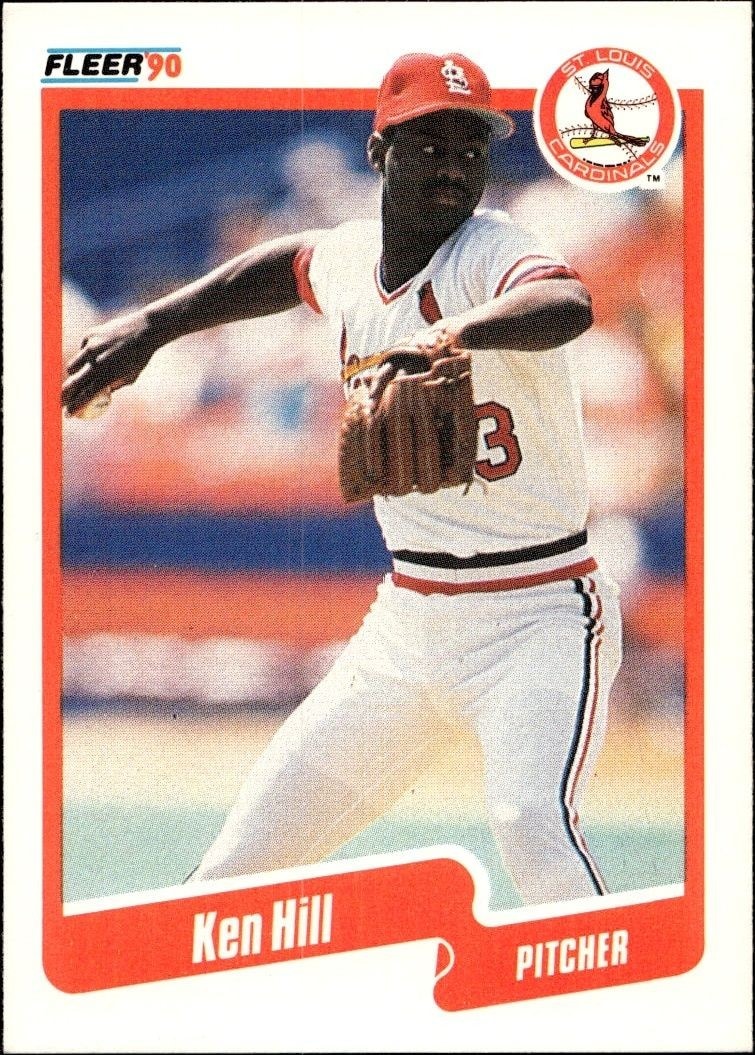
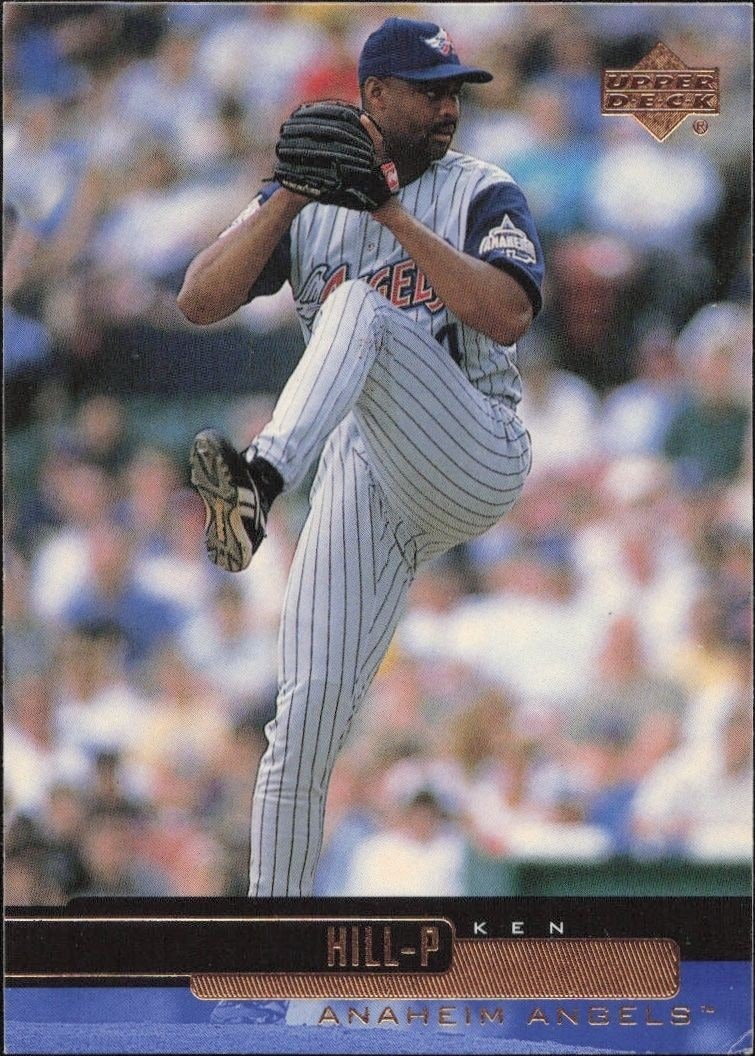

Ken Hill
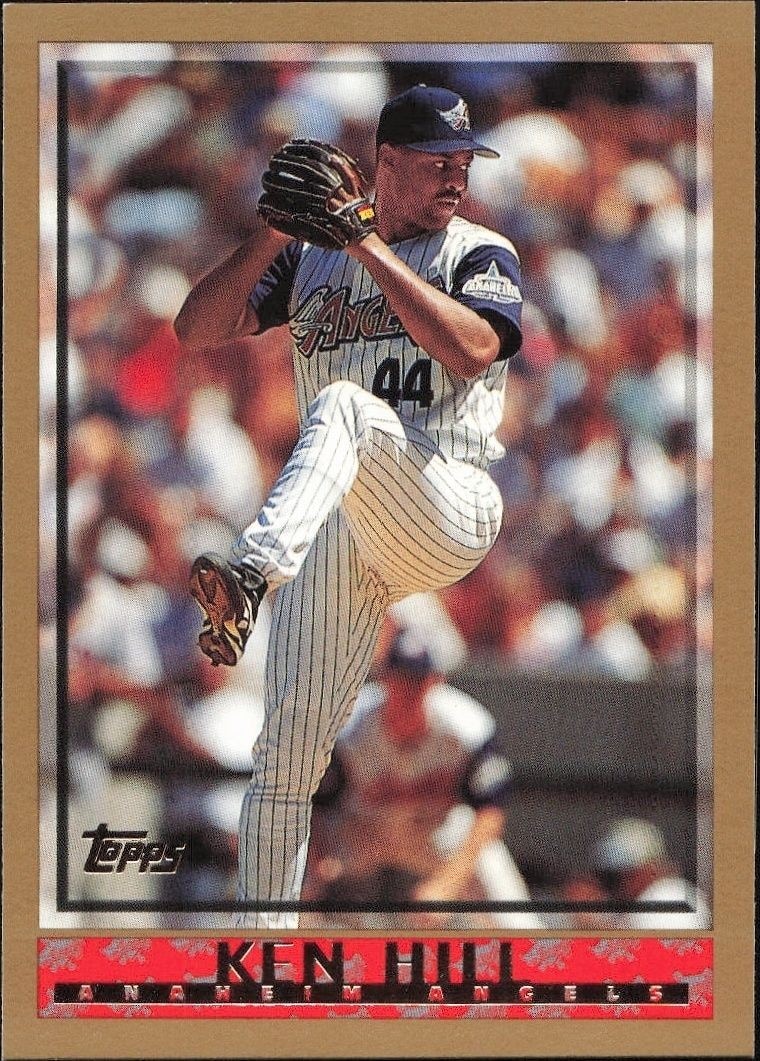
1997 • Score
#13
$11.96
This 1990 Topps Ken Hill #233 card features the St. Louis Cardinals pitcher in a classic release format, serving as a nostalgic entry point for 1990s baseball collectors.
1990 • Topps
Major League Baseball • St. Louis Cardinals
Excellent
233
New
Shipping Calculated at Checkout
Arrives in 4-6 daysEstimated delivery October 24, 2026 - October 26, 2026
30-day Returns| Condition | Value | Source | Trend | Price Details |
|---|---|---|---|---|
$1.30 | Asking Prices | -12.8% | ||
Raw / Ungraded
eBay Active Listings · Asking Prices evidence · captured Oct 16, 2026
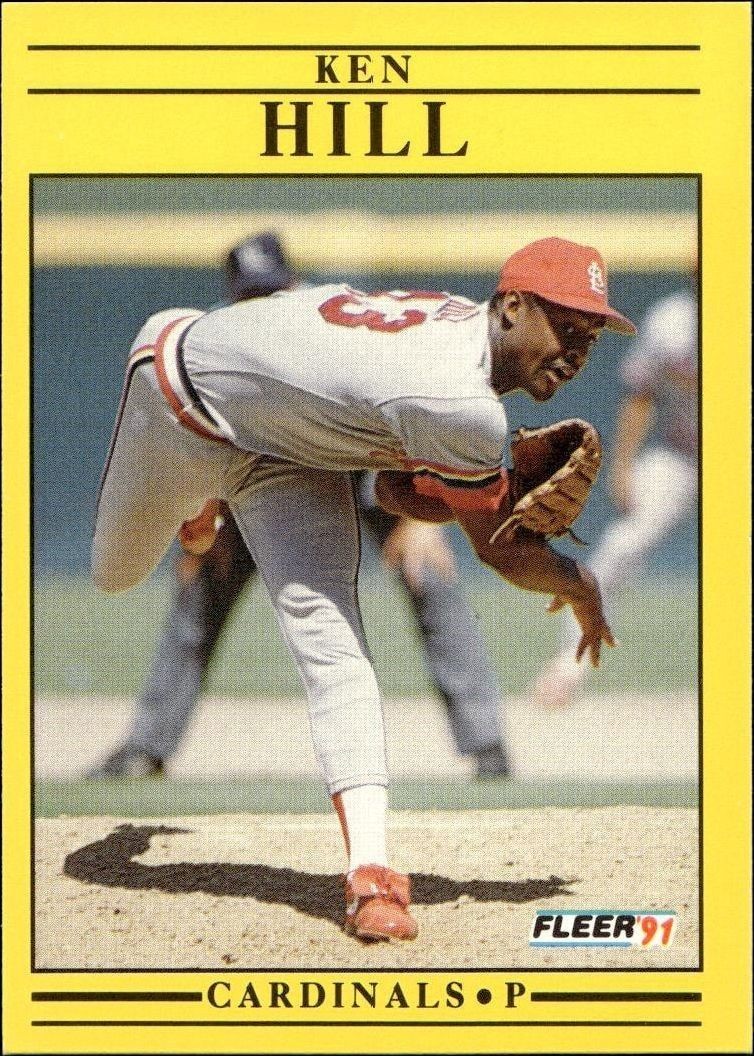
Ken Hill #233 from the 1990 Topps baseball set offers a definitive snapshot of a St. Louis Cardinals pitcher during the early 1990s MLB landscape. As a staple of the Topps brand, this card captures the visual identity of the era, featuring Hill in his iconic red Cardinals uniform. The design reflects the standard layout that defined sports card collecting for decades, making it a recognizable asset for enthusiasts tracking the history of the National League Central. For collectors focused on team history, this card represents a specific chapter in St. Louis Cardinals baseball. While Hill is not a rookie card, it documents his tenure with the organization during a competitive period in franchise lore. Whether you are building a comprehensive set of 1990 Topps releases or seeking to complete a St. Louis Cardinals team collection, this product offers a straightforward path to ownership. The card's enduring popularity ensures it remains a relevant piece for investors and casual collectors alike. Its status as a standard base card makes it an essential component for those who value the completeness of their 90s baseball portfolios. By focusing on the catalog identity of this release, collectors can appreciate the card's role in the broader narrative of 1990s professional baseball without the noise of speculation. The 1990 Topps Ken Hill #233 card stands as a testament to the enduring legacy of the sport's most popular trading card manufacturer. It serves as a tangible link to the players and teams that defined the decade, offering a clean, classic design that appeals to modern aesthetic sensibilities while honoring traditional collecting standards.
12 hours ago
We'll pre-fill the product details from this catalog entry, so your listing lands on this exact page. Just add photos of your copy, pick its condition, and set your price.
The catalog profile below summarizes the card identity, featured subject, and notable collectible traits.
The subject, team, league, and sport context tied to this card.
Production details and format-specific attributes.
Material
Card Stock
Language
English
Compare prices, grades, photos, and shipping from approved sellers.
New
Excellent
See how many public collections currently include this card.
0 collectors have this card
This 1990 Topps Ken Hill card represents a baseline entry point for collectors seeking early-career assets from the St. Louis Cardinals era. With no special attributes or parallel variations noted, the card trades at a standard market tier typical for non-premium base issues of this vintage. Its value is derived primarily from its status as a recognizable starter from that specific season rather than any unique scarcity or condition premium.
The card is identified as a standard base issue within the 1990 Topps set, meaning it lacks serial numbering, short-print designations, or limited edition mechanics. As a mass-produced item from a major brand, supply is effectively unlimited relative to collector demand, preventing any scarcity-driven premium. The absence of special attributes ensures it remains in the highest tier of availability within the product line.
As a non-rookie base card, this item does not benefit from rookie-card premium mechanics or the heightened demand associated with a player's debut season. Collector interest is likely limited to those building specific team sets or focusing on the 1990 Topps brand specifically. Long-term value appreciation is unlikely to outperform broader market trends given the abundant supply and lack of unique identifying features.