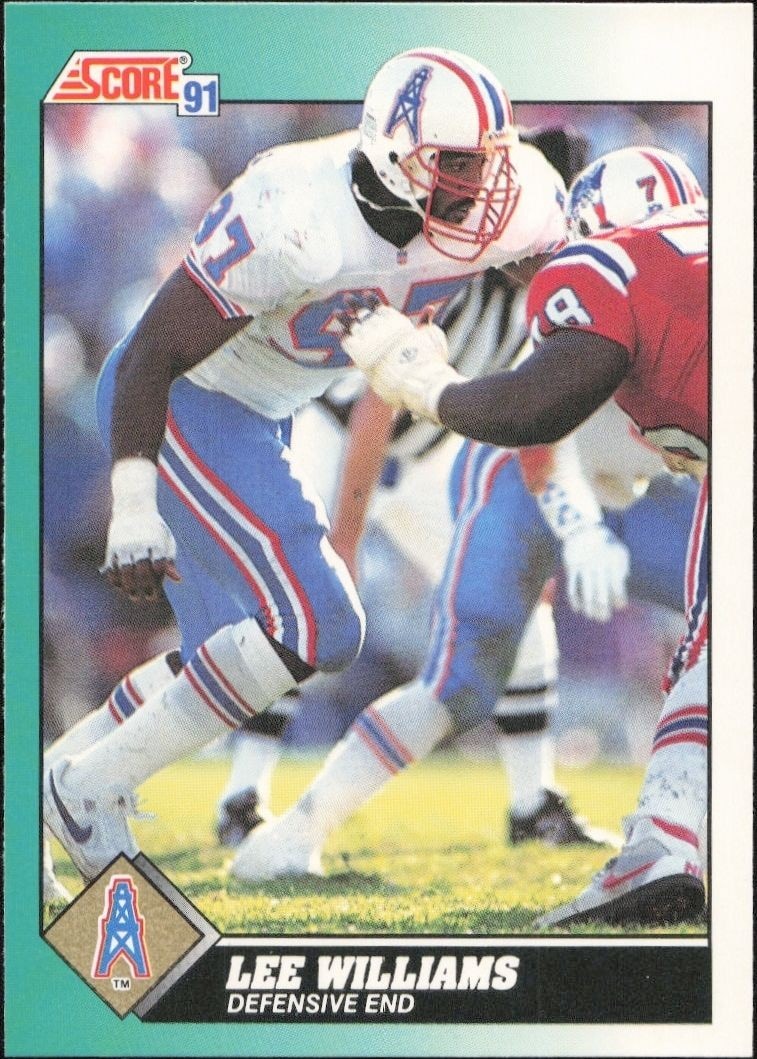
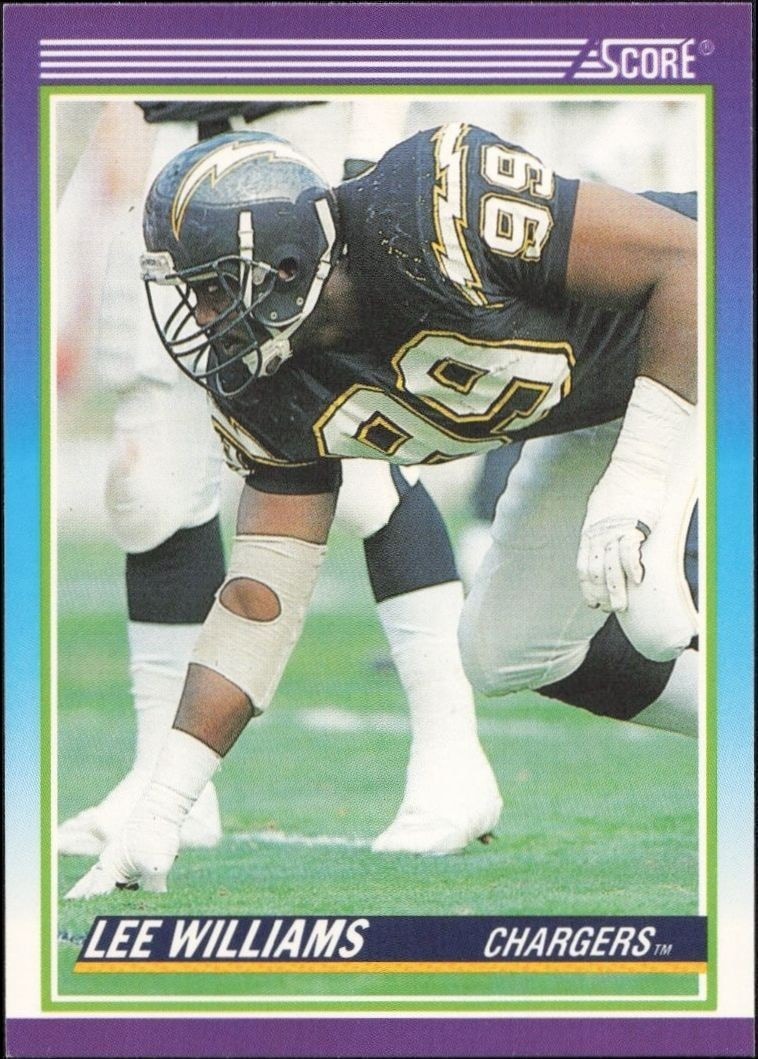

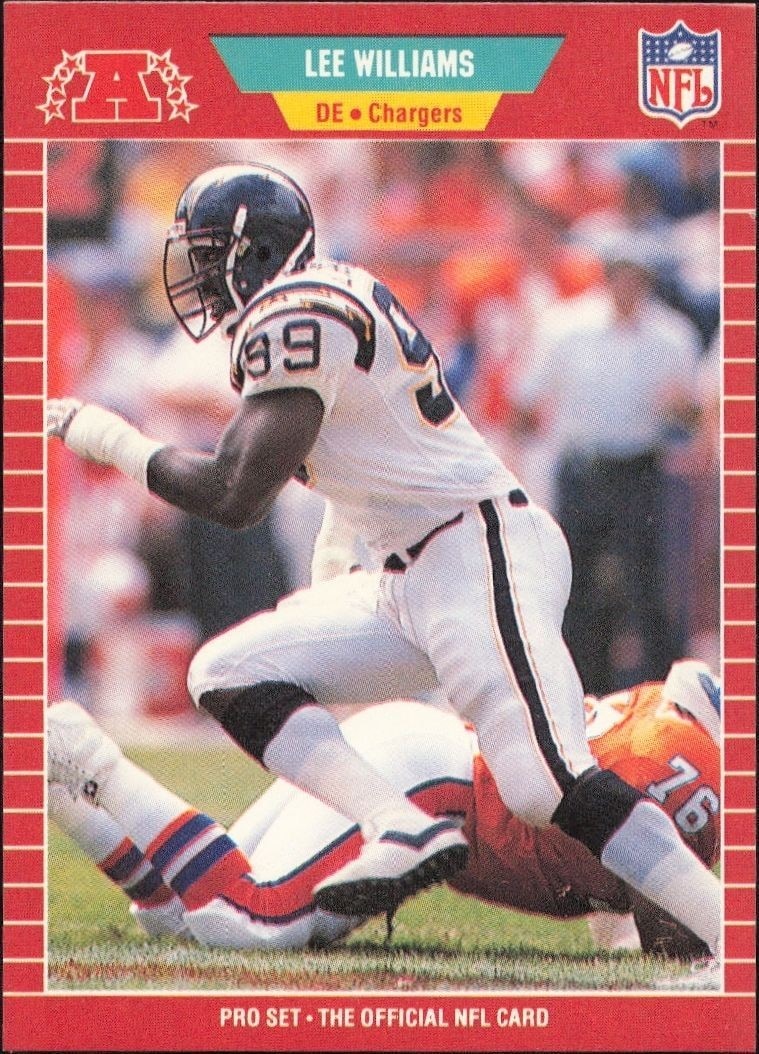
The 1990 Topps Lee Williams #389 card documents the San Diego Chargers linebacker during the 1990 NFL season. This vintage sports trading card is a staple for collectors of 1990s football history.
1990 • Topps
National Football League • San Diego Chargers
Near Mint
389
New
Shipping Calculated at Checkout
Arrives in 5-7 daysEstimated delivery October 23, 2026 - October 25, 2026
Seller returns October 19, 2026.30-day Returns| Condition | Value | Source | Trend | Price Details |
|---|---|---|---|---|
$1.55 | Asking Prices | +32.5% | ||
Raw / Ungraded
eBay Active Listings · Asking Prices evidence · captured Oct 10, 2026
The 1990 Topps Lee Williams #389 card offers a tangible connection to the 1990 NFL season and the San Diego Chargers roster. Lee Williams played as a linebacker for the Chargers during this era, making this card a key reference point for historians and fans of the team's mid-90s lineup. As part of the iconic 1990 Topps football set, this release features the brand's signature design language, characterized by bold borders and high-contrast photography that defined sports card aesthetics of the decade. For collectors, this card represents more than just a player profile; it is a piece of 1990s sports memorabilia history. Whether you are building a comprehensive collection of Chargers alumni or focusing on the broader landscape of 1990s sports cards, this product identifies a specific entry in that catalog. It serves as a foundational component for those interested in the structural evolution of football trading cards from the late 1980s into the 1990s. Collector interest in this product often stems from a desire to own a verified piece of NFL history from a specific transitional period in the league. The card’s status as a standard issue from a major manufacturer ensures its place in any serious archive of vintage football items. It appeals to those who value the authenticity of era-specific designs and the nostalgia associated with pre-digital sports collecting. By acquiring this product, collectors engage with the tangible legacy of the San Diego Chargers and the broader NFL community of the early 1990s.
14 hours ago
We'll pre-fill the product details from this catalog entry, so your listing lands on this exact page. Just add photos of your copy, pick its condition, and set your price.
The catalog profile below summarizes the card identity, featured subject, and notable collectible traits.
The subject, team, league, and sport context tied to this card.
Production details and format-specific attributes.
Material
Card Stock
Language
English
Compare prices, grades, photos, and shipping from approved sellers.
New
Near Mint
See how many public collections currently include this card.
0 collectors have this card
This card represents a low-tier entry point within the broader 1990 Topps football set, reflecting its status as a standard base card for a role player. The current market positioning indicates minimal premium compared to high-profile stars or rookie cards from the same era. Condition sensitivity is likely low given the abundance of copies in the marketplace, resulting in stable but modest valuation. The San Diego Chargers affiliation provides a niche team-based interest, though it does not drive significant price appreciation on its own.
The card lacks any special scarcity attributes, existing as a standard base issue within the 1990 Topps product. Without serial numbering, short-print status, or parallel variations, the supply is effectively unlimited relative to collector demand. This mass-produced nature means that availability is not a constraint, and the card does not benefit from the supply-side mechanics that typically elevate value in the secondary market.
As a non-rookie base card for a player who did not achieve widespread national stardom, this item offers limited appreciation potential for investors. The 1990 Topps set is heavily saturated, and without unique identifiers, it trades in line with bulk market trends rather than commanding individual premiums. Collectors interested in this card are likely driven by team completionism or nostalgia rather than financial growth expectations.