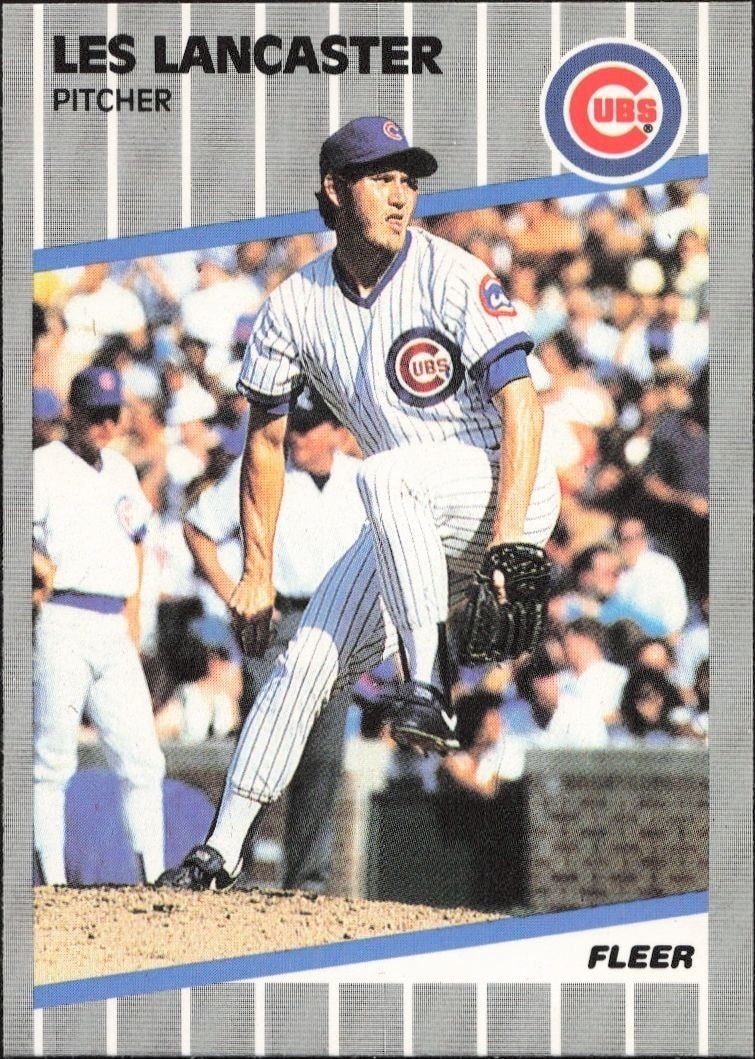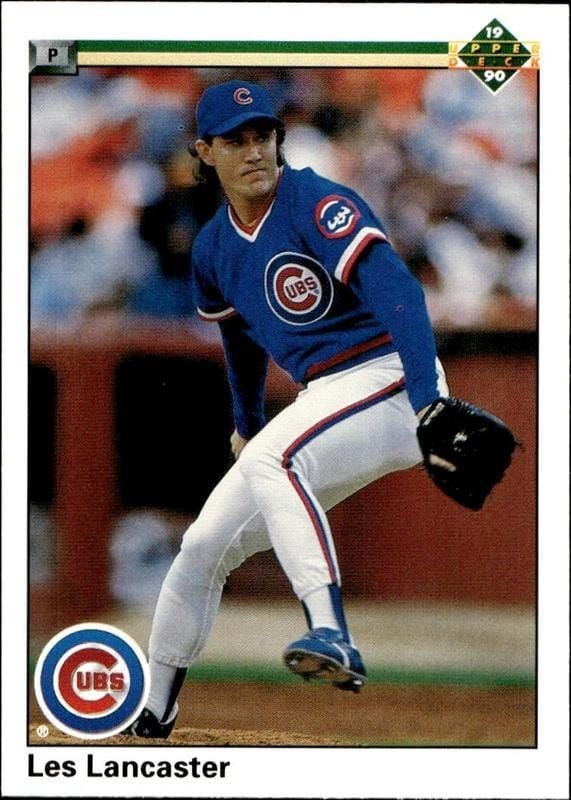
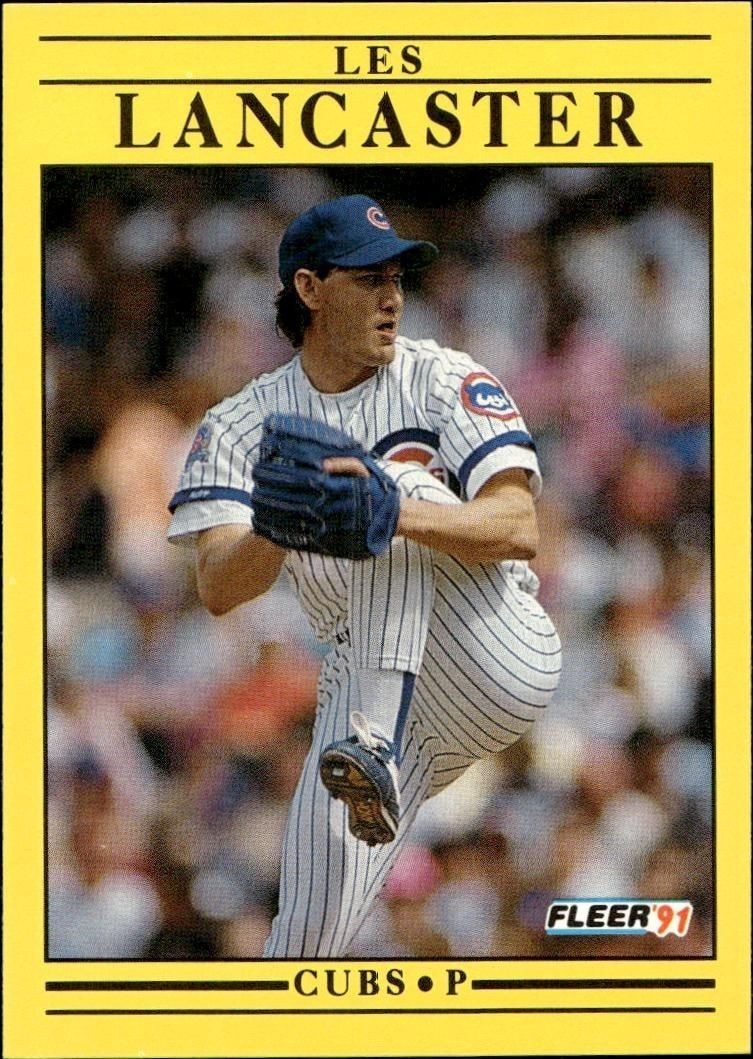
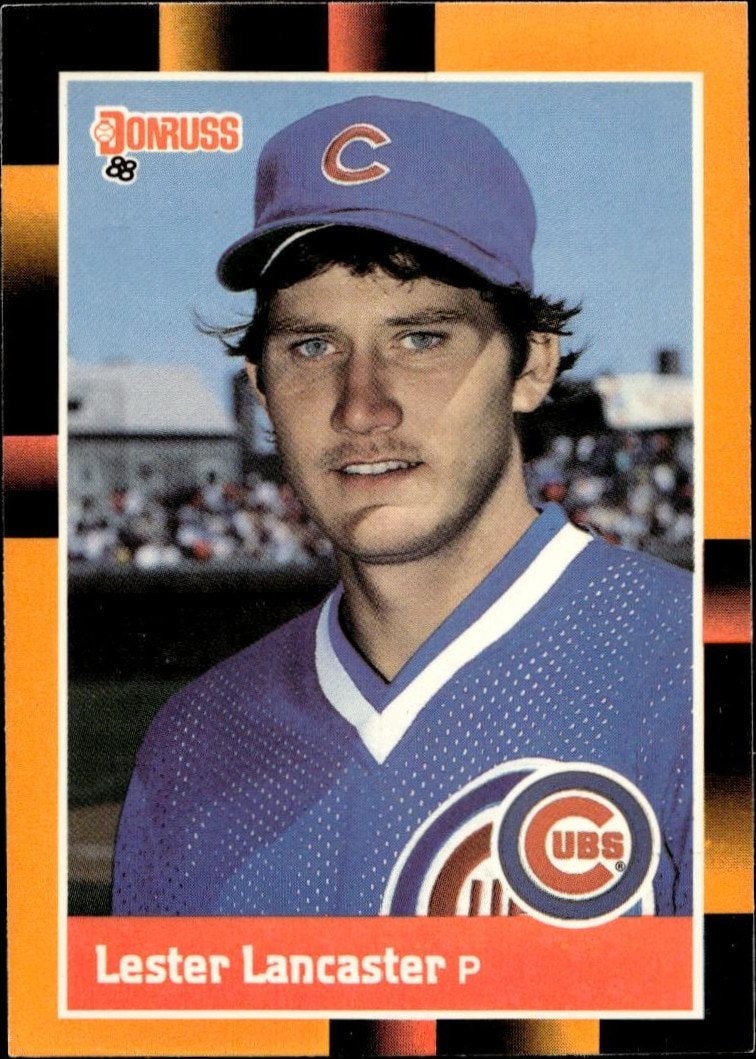
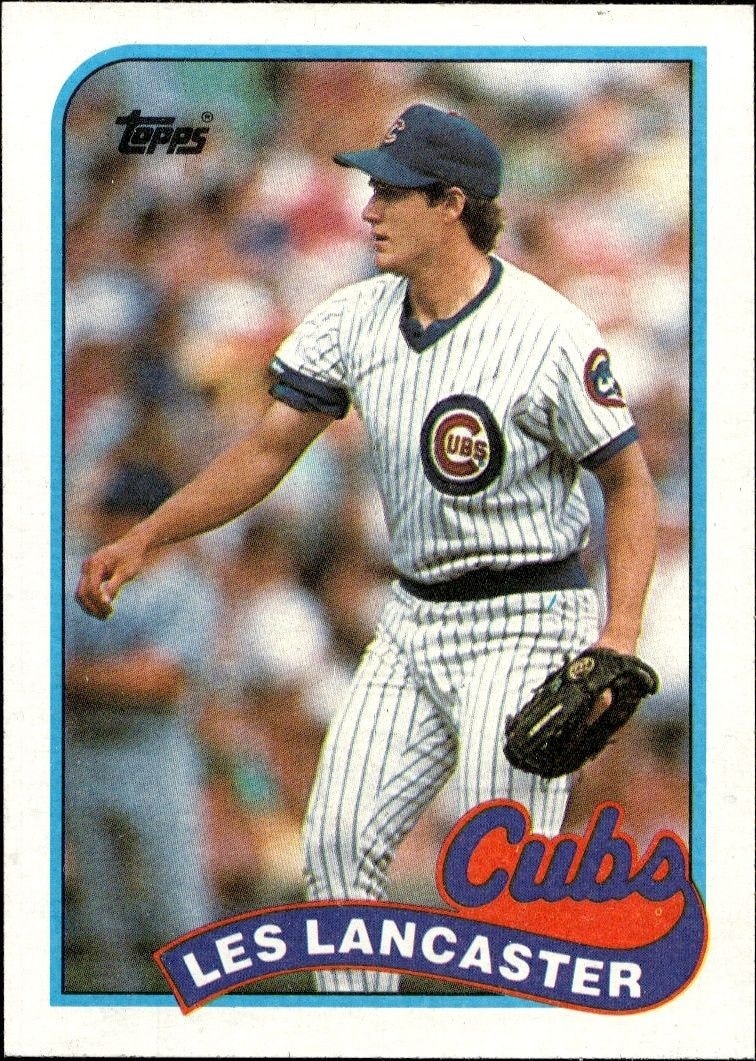

The 1990 Topps Les Lancaster #437 sports card represents a specific moment in Chicago Cubs history for dedicated MLB collectors.
1990 • Topps
Major League Baseball • Chicago Cubs
Excellent
437
New
Shipping Calculated at Checkout
Arrives in 6-8 daysEstimated delivery October 23, 2026 - October 25, 2026
Seller returns October 19, 2026.30-day Returns| Condition | Value | Source | Trend | Price Details |
|---|---|---|---|---|
$0.99 | Guide Estimate | 0% | ||
$29.99 | Guide Estimate | 0% | ||
$33.00 | Guide Estimate | 0% | ||
Raw / Ungraded
PriceCharting Price Guide · Guide Estimate evidence · captured Oct 16, 2026
Les Lancaster appears as card number 437 in the 1990 Topps baseball set, offering collectors a tangible connection to the Chicago Cubs roster during that specific MLB season. This release is part of the extensive Topps series, which remains a foundational element for many hobbyists who value the brand's consistent production of major league sports cards. The card serves as a catalog entry for enthusiasts tracking players who contributed to the team's lineup in 1990. For those focused on completing sets, this card fills a precise slot in the 1990 Topps checklist. The design and layout are characteristic of Topps' approach during the early 1990s, providing a standardized visual reference that helps collectors organize their acquisitions. Whether you are targeting the Chicago Cubs subset or aiming for a complete base set run, this product identifies the exact card needed to advance your collection. Collecting from the 1990 Topps brand appeals to those who appreciate the era's distinct aesthetic and historical context within baseball trading. Lancaster's presence on this card highlights the depth of the Cubs' roster at the time, making it a relevant item for investors and hobbyists alike who study player rosters and team compositions from the turn of the decade. The card's identity is clearly defined by its brand, year, and unique card number, ensuring accurate tracking within any database or physical binder. By focusing on the product's identity within the 1990 Topps framework, collectors can easily verify they are seeking the correct card for their set. This approach ensures that every acquisition aligns with the established checklist and maintains the integrity of the collection. The card stands as a standard reference point for 1990s baseball memorabilia, bridging the gap between past seasons and current collecting interests.
1 day ago
We'll pre-fill the product details from this catalog entry, so your listing lands on this exact page. Just add photos of your copy, pick its condition, and set your price.
The catalog profile below summarizes the card identity, featured subject, and notable collectible traits.
The subject, team, league, and sport context tied to this card.
Production details and format-specific attributes.
Material
Card Stock
Language
English
Compare prices, grades, photos, and shipping from approved sellers.
New
Excellent
See how many public collections currently include this card.
0 collectors have this card
This 1990 Topps base card of Les Lancaster sits at the lower end of the market value spectrum, reflecting its status as a common insert within a highly produced set. The pricing suggests it trades below the premium tier typically reserved for rookie cards or highly sought-after star players from the same era. Current market positioning indicates minimal collector demand relative to the broader 1990 Topps baseball population.
The card lacks any special scarcity attributes such as serial numbering, short-print designation, or parallel finishes, placing it firmly in the base set category. This lack of unique identifiers means supply is determined solely by the original mass-production volume of the 1990 Topps baseball set. Consequently, the item does not benefit from the supply constraints that drive value in limited-edition or special-parallel variants.
As a non-rookie base card from the early 1990s, the long-term appreciation potential is limited by the sheer abundance of similar items in circulation. Collector demand is likely driven primarily by specific team set completionists rather than general market speculation. Without special attributes or rookie status, the card is unlikely to command significant premiums or outperform broader set averages.