











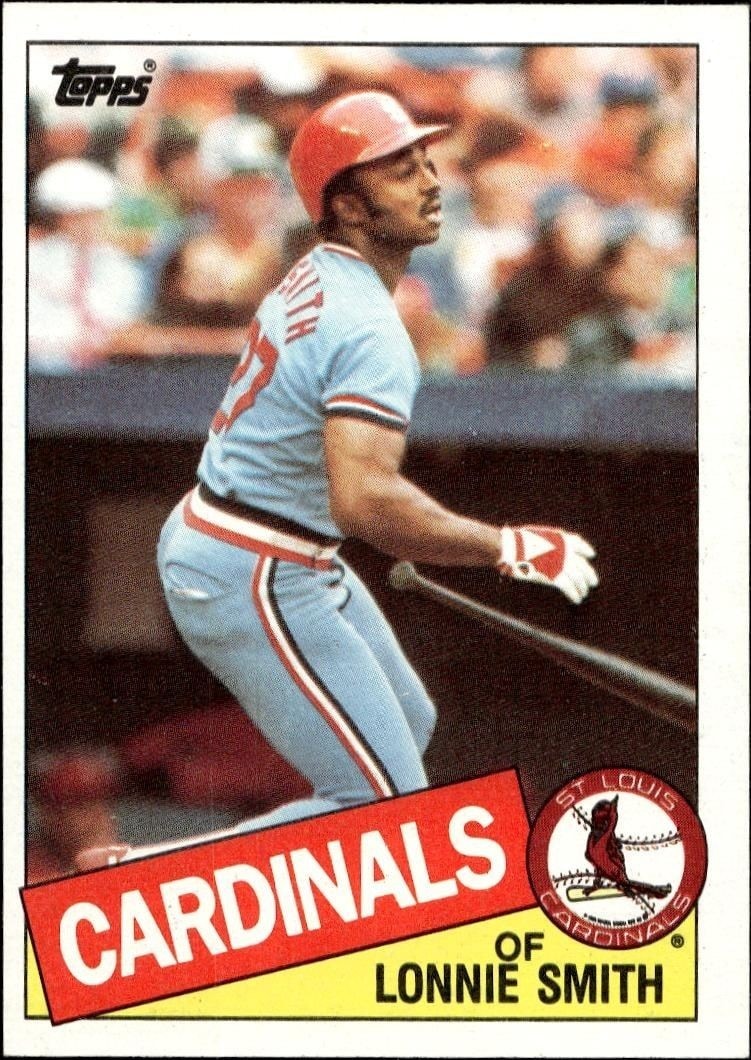


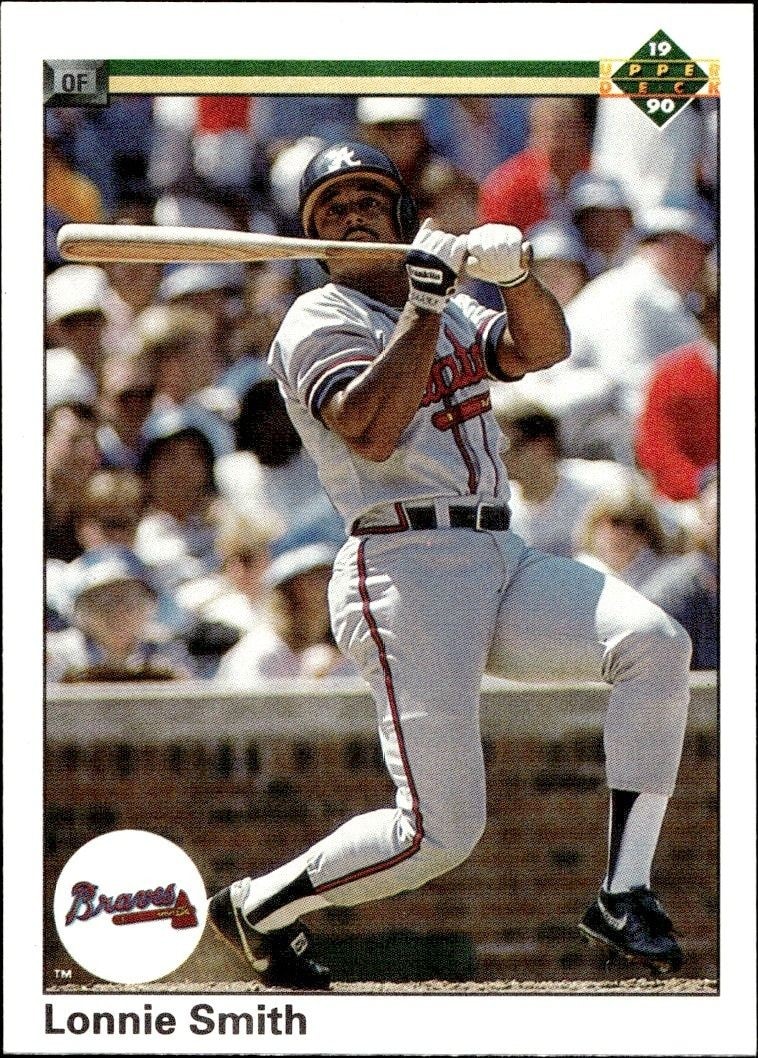
Explore the 1990 Topps #152 Lonnie Smith baseball card, a vintage collectible from the Atlanta Braves' roster during the 1990 MLB season.
1990 • Topps
Major League Baseball • Atlanta Braves
Excellent
152
New
Shipping Calculated at Checkout
Arrives in 6-8 daysEstimated delivery October 23, 2026 - October 25, 2026
Seller returns October 19, 2026.30-day Returns| Condition | Value | Source | Trend | Price Details |
|---|---|---|---|---|
$0.50 | Guide Estimate | -49.5% | ||
$6.39 | Guide Estimate | -0.5% | ||
$7.00 | Guide Estimate | 0% | ||
$8.00 | Guide Estimate | 0% | ||
Raw / Ungraded
PriceCharting Price Guide · Guide Estimate evidence · captured Oct 9, 2026
The 1990 Topps Lonnie Smith #152 baseball card represents a distinct era in sports trading card history. Released by Topps, this card features Lonnie Smith during his tenure with the Atlanta Braves in Major League Baseball. For enthusiasts building a collection of Atlanta Braves history, this card serves as a tangible link to the team's lineup during the 1990 season. Lonnie Smith was a prominent outfielder, and his inclusion in the 1990 Topps base set offers a straightforward yet meaningful addition to any vintage portfolio. The card's catalog number, 152, places it within the comprehensive 792-card base set that Topps produced that year, ensuring its place in the chronological flow of the collection. Collecting vintage baseball cards from the 1990s has seen renewed interest, with many hobbyists seeking out original Topps releases for their historical significance and nostalgic appeal. The 1990 Topps Lonnie Smith #152 card appeals to those who value the simplicity and consistency of the era's production. Whether you are focusing on specific teams, players, or general vintage sets, this card provides a solid foundation for expanding your holdings. As with all vintage cards, preservation and authenticity are paramount, making the 1990 Topps brand a trusted name for serious collectors. The enduring popularity of Topps products ensures that cards like this one remain relevant and sought after in the secondary market. Whether you are completing a set of 1990 Topps releases or adding a notable Braves player to your collection, this card offers a piece of baseball history. The combination of the iconic Topps branding, the specific year, and the featured athlete creates a collectible that resonates with fans of the sport's past. As the market for vintage sports cards continues to grow, items from the 1990 era stand out for their accessibility and historical context.
1 day ago
We'll pre-fill the product details from this catalog entry, so your listing lands on this exact page. Just add photos of your copy, pick its condition, and set your price.
The catalog profile below summarizes the card identity, featured subject, and notable collectible traits.
The subject, team, league, and sport context tied to this card.
Production details and format-specific attributes.
Material
Card Stock
Language
English
Compare prices, grades, photos, and shipping from approved sellers.
New
Excellent
See how many public collections currently include this card.
0 collectors have this card
This 1990 Topps card of Lonnie Smith trades at the entry-level price tier, reflecting its status as a standard base card from a high-volume production set. Its modest market positioning is typical for non-premium parallel versions of players from this era, where condition variations and simple design do not command significant premiums. While it holds nostalgic value for collectors of Atlanta Braves history, it does not currently trade above the broader market average for common baseball cards of this period.
The card possesses no special scarcity attributes, such as serial numbering, short-print status, or limited edition markings, meaning it exists in a standard base production run. Without any parallel variants or unique identifiers, the supply is determined solely by the original print volume, which is generally high for mainstream brands like Topps. Consequently, the card lacks the constrained supply mechanics that typically drive up rarity and collector interest.
As a non-rookie card from a mass-market set, this item lacks the rookie-card premium mechanics that usually drive long-term value appreciation in the sports card market. The absence of special parallels or limited edition features suggests that collector demand is primarily driven by nostalgia rather than scarcity, limiting potential for significant growth. Investors should view this as a low-risk, low-reward acquisition suitable for completing base sets rather than as a standalone investment vehicle.
