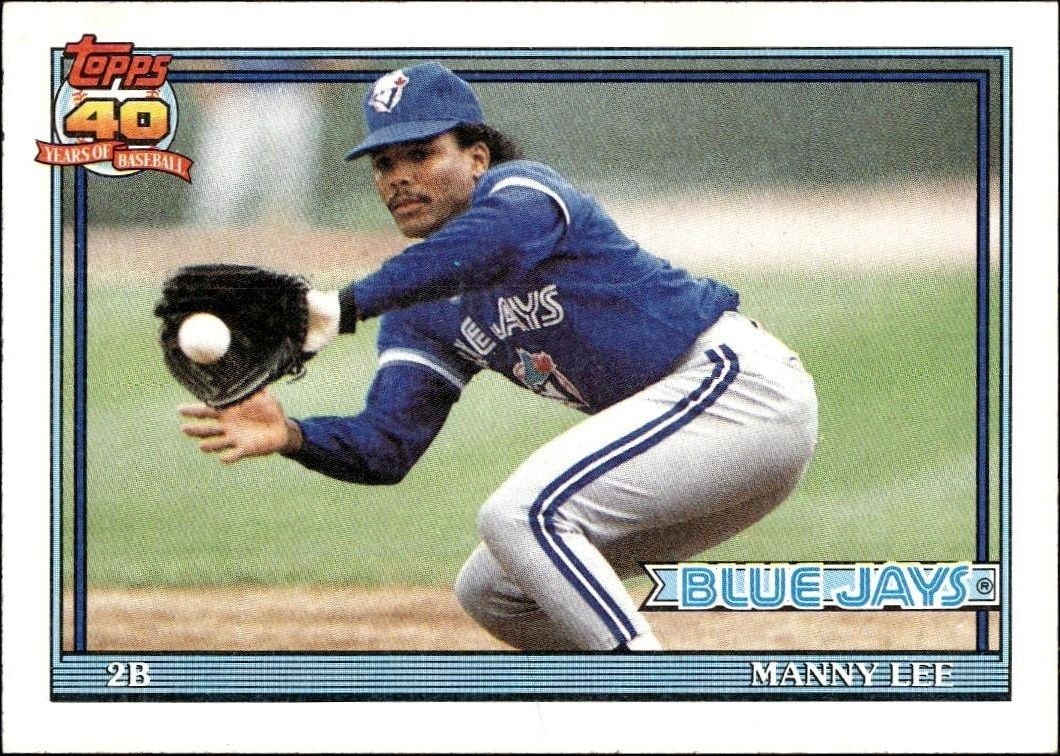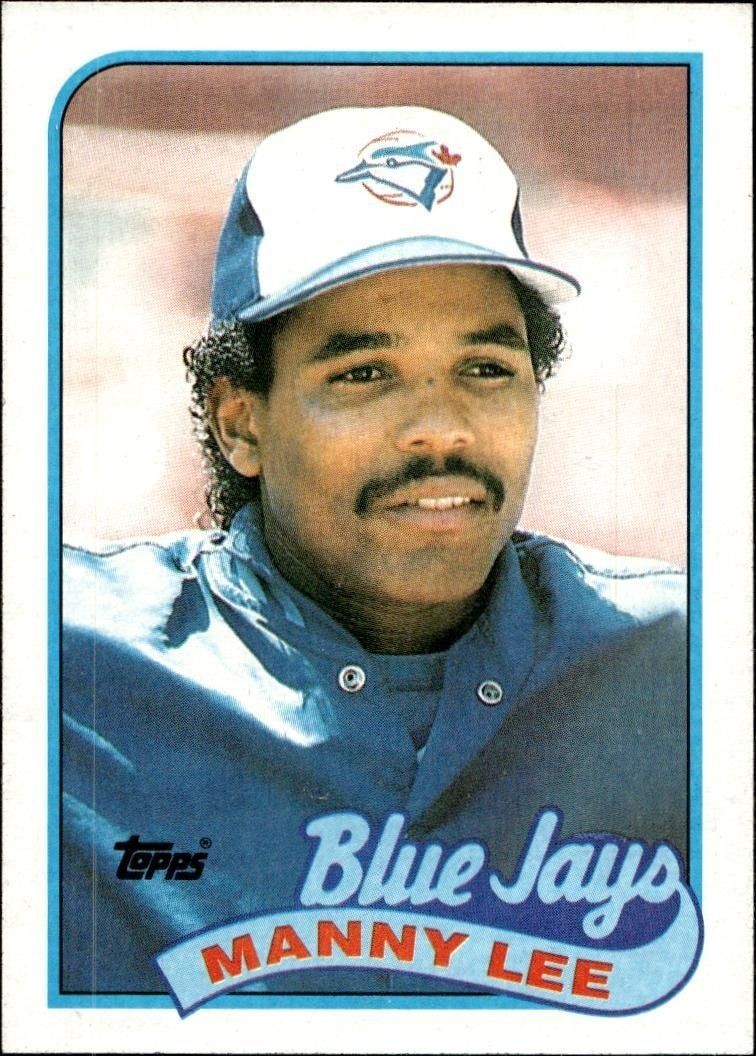
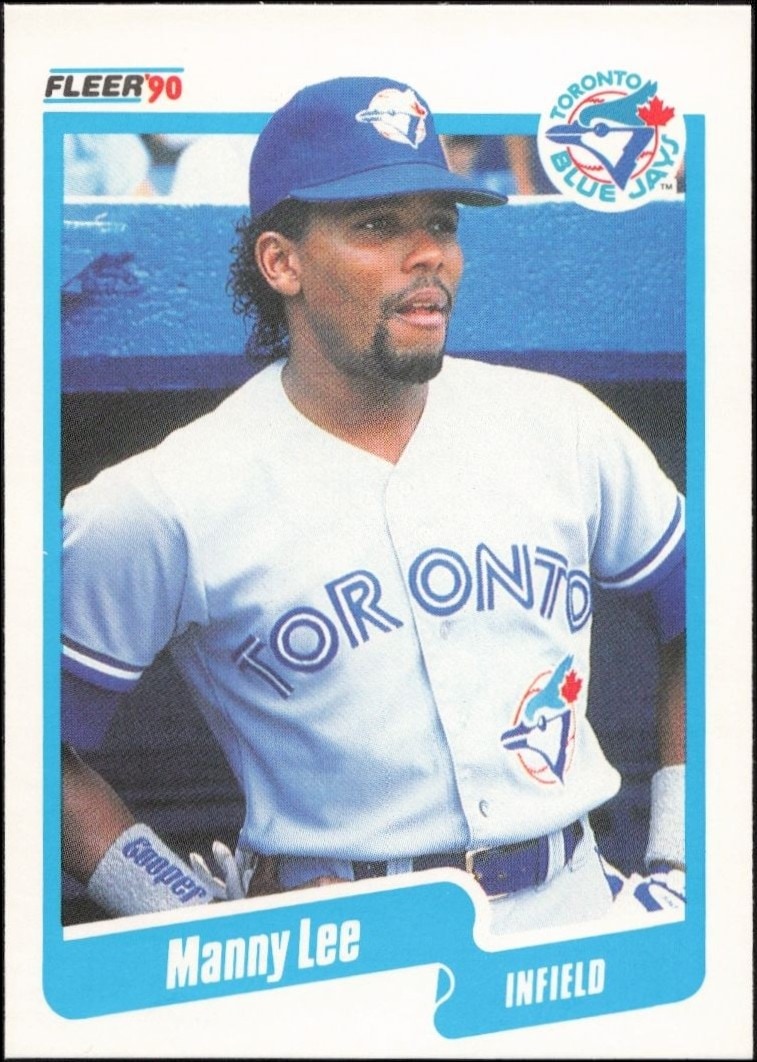
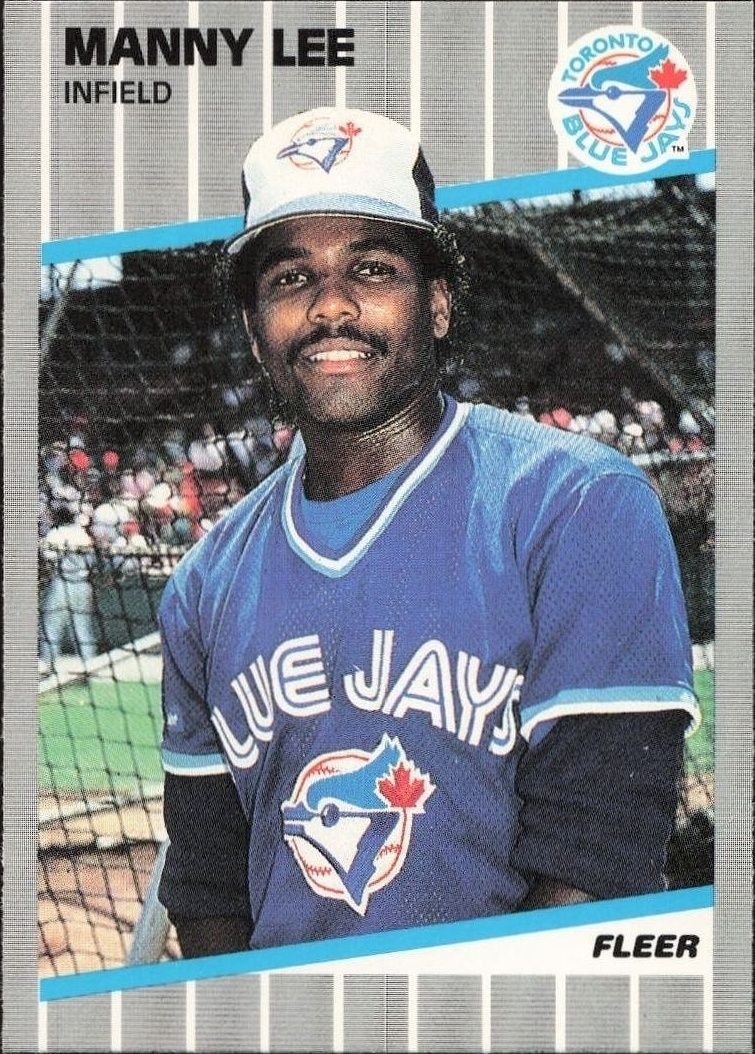
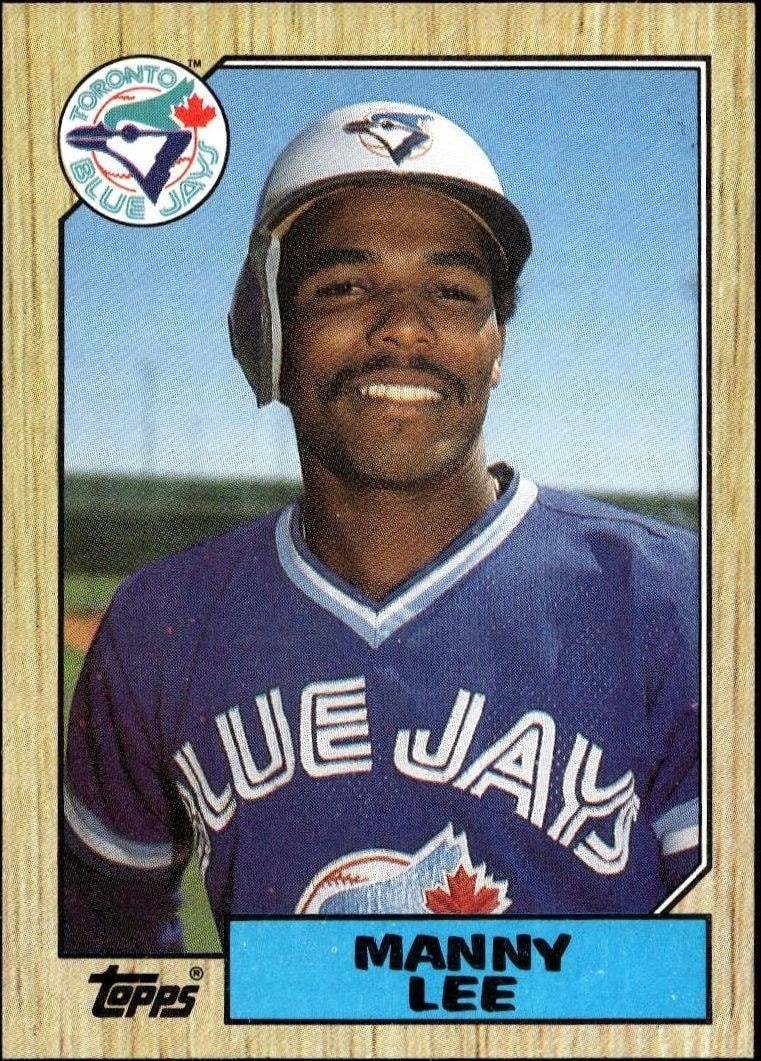
Explore the 1990 Topps Manny Lee #113 baseball card, featuring the Toronto Blue Jays infielder from one of the most recognizable sets in sports card history.
1990 • Topps
Major League Baseball • Toronto Blue Jays
Excellent
113
New
Shipping Calculated at Checkout
Arrives in 5-7 daysEstimated delivery October 23, 2026 - October 25, 2026
Seller returns October 19, 2026.30-day Returns| Condition | Value | Source | Trend | Price Details |
|---|---|---|---|---|
$1.30 | Asking Prices | 0% | ||
$19.99 | Guide Estimate | 0% | ||
Raw / Ungraded
eBay Active Listings · Asking Prices evidence · captured Oct 16, 2026
The 1990 Topps Manny Lee #113 baseball card stands as a distinct entry in the annual Topps baseball series, capturing the Toronto Blue Jays roster during a pivotal era for the franchise. This card identifies Manny Lee as a key infielder for the Blue Jays, providing collectors with a tangible connection to the team's lineup during the early 1990s. For collectors focusing on Toronto Blue Jays history, this card serves as an essential component for those building comprehensive team sets. The numbered position, 113, places Manny Lee within the standard roster distribution typical of the brand's catalog structure. Owning this card allows enthusiasts to complete their set of 1990 Topps baseball cards, preserving a moment in the franchise's timeline before its subsequent championship runs. The appeal of the 1990 Topps Manny Lee #113 card lies in its accessibility and historical context. As a mass-produced issue from a major manufacturer, it represents the volume-driven nature of sports card collecting in the late 1980s and early 1990s. Collectors often seek out these cards not only for their individual player representation but also for their role in completing larger chronological sets. Whether you are a dedicated Blue Jays fan or a broader baseball card investor, integrating this card into your collection adds depth to your understanding of the era's rosters and team dynamics. By focusing on the specific details of the 1990 Topps release, collectors can ensure they are building accurate and complete collections. The Manny Lee #113 card remains a staple for those who appreciate the straightforward, no-frills design that defined Topps products of that time.
2 hours ago
We'll pre-fill the product details from this catalog entry, so your listing lands on this exact page. Just add photos of your copy, pick its condition, and set your price.
The catalog profile below summarizes the card identity, featured subject, and notable collectible traits.
The subject, team, league, and sport context tied to this card.
Production details and format-specific attributes.
Material
Card Stock
Language
English
Compare prices, grades, photos, and shipping from approved sellers.
New
Excellent
See how many public collections currently include this card.
0 collectors have this card
This 1990 Topps card of Manny Lee represents a low-tier entry point within the broader baseball card market, reflecting his status as a backup infielder rather than a franchise cornerstone. The modest pricing indicates it trades significantly below premium tier players from the same era, serving primarily as an affordable addition for team-specific or era-focused collections. Its value is driven by the general accessibility of 1990s base cards rather than individual player demand.
As a standard base card from the 1990 Topps set, this item carries no special scarcity mechanics such as serial numbering, short-print status, or parallel variants. Supply is effectively unlimited relative to collector demand, as these were mass-produced and widely distributed during the peak of the baseball card boom. Consequently, the card exists in a high-supply environment where rarity is determined solely by condition rather than print run constraints.
The outlook for this card is limited to its utility as a building block for complete set collectors rather than a vehicle for capital appreciation. Without rookie card designation or unique parallel attributes, it lacks the specific demand drivers that typically elevate market value above average base cards. Investors should view this as a low-risk, low-reward acquisition suitable for filling gaps in a 1990 Topps collection rather than as a standalone speculative asset.