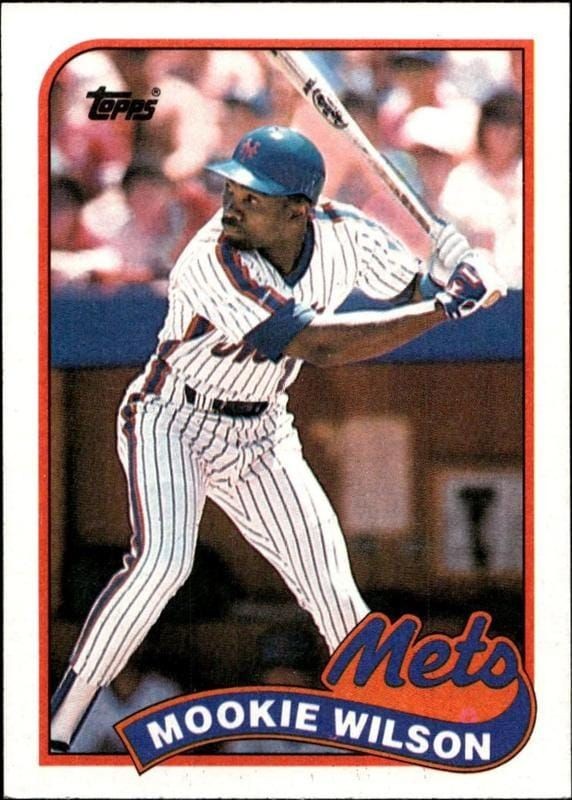



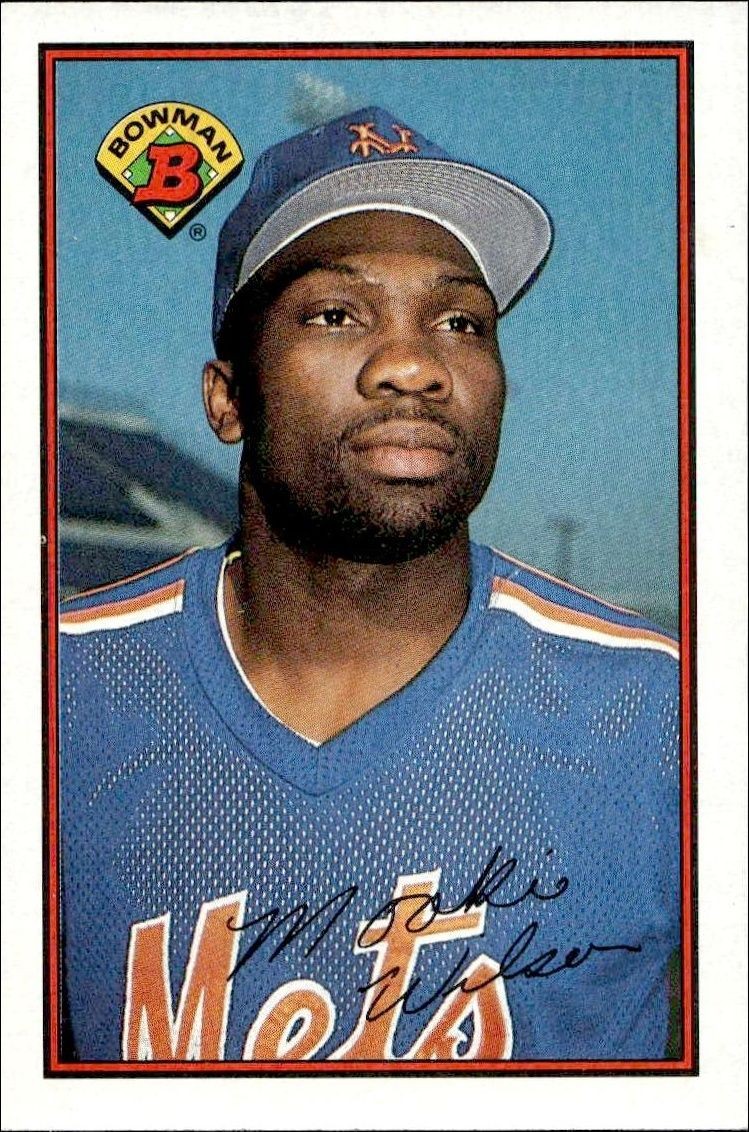
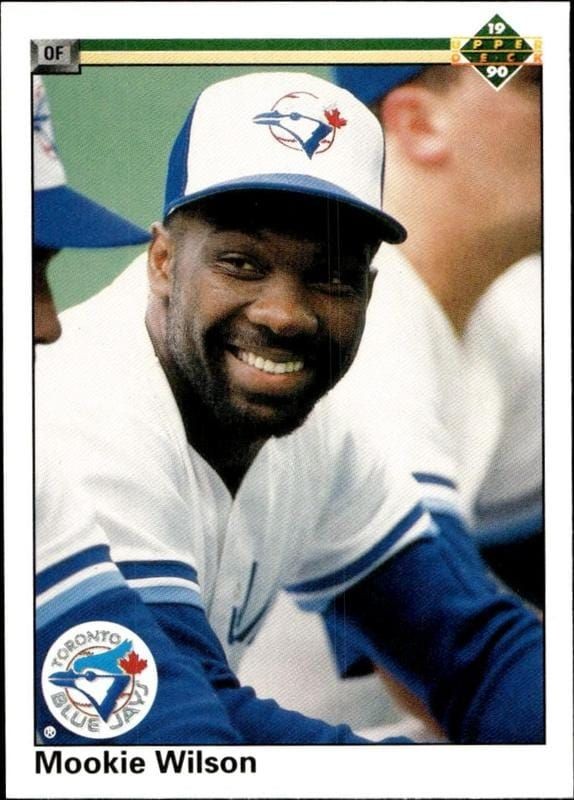
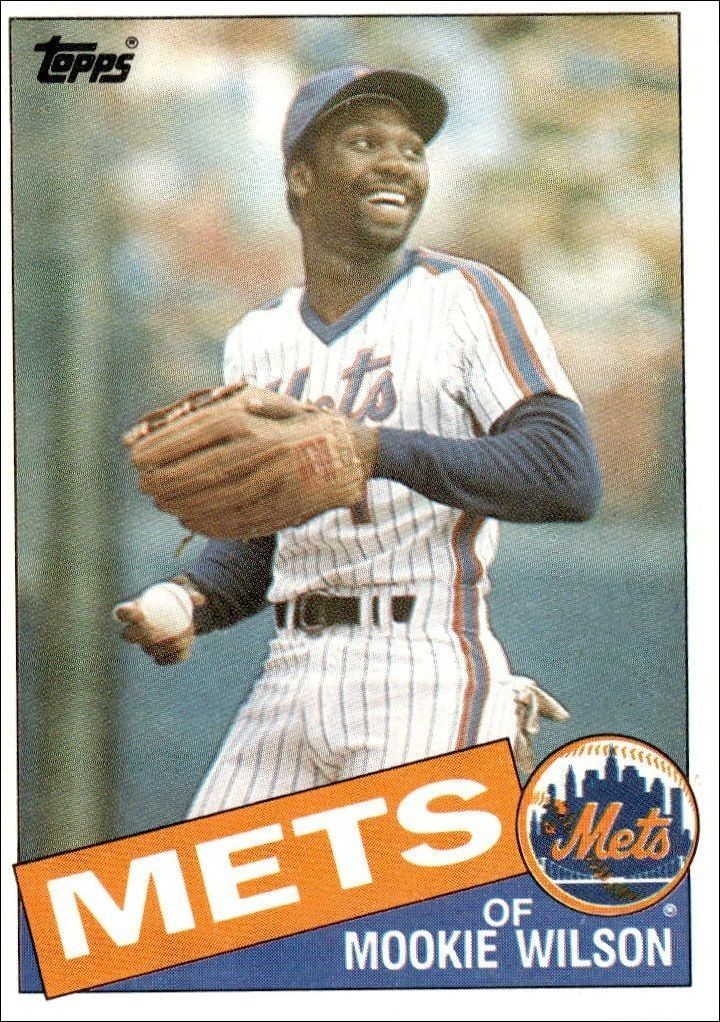
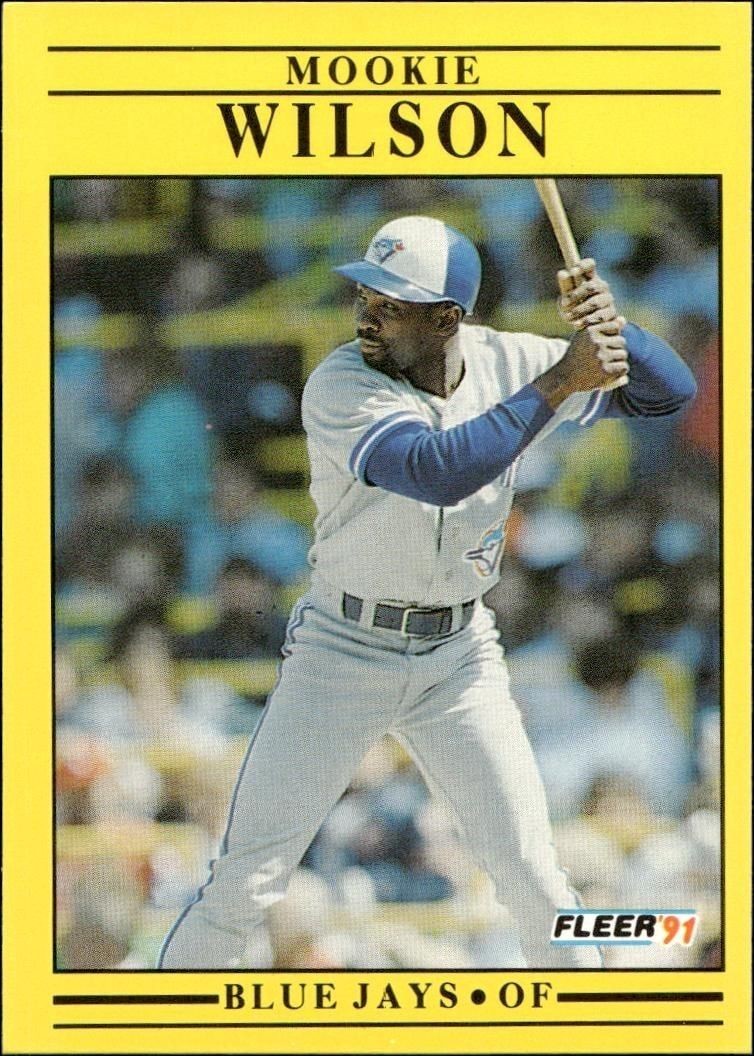

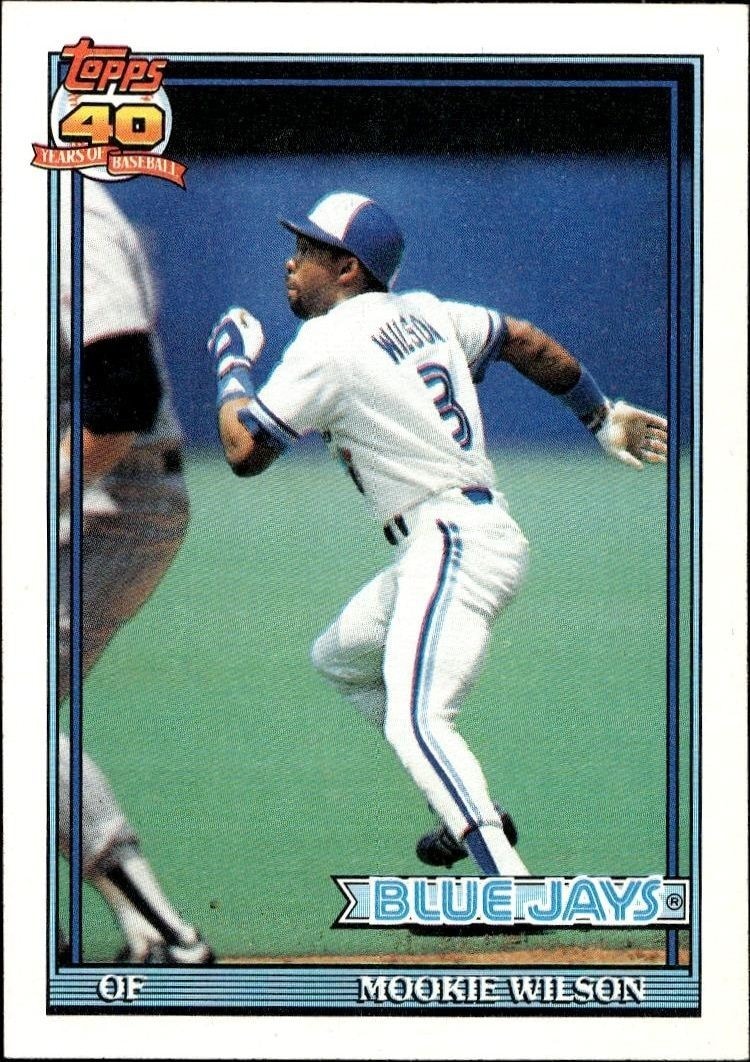


Explore the 1990 Topps #182 Mookie Wilson baseball card, capturing the Blue Jays infielder during a pivotal period in franchise history.
1990 • Topps
Major League Baseball • Toronto Blue Jays
Excellent
182
New
Shipping Calculated at Checkout
Arrives in 5-7 daysEstimated delivery October 23, 2026 - October 25, 2026
Seller returns October 19, 2026.30-day Returns| Condition | Value | Source | Trend | Price Details |
|---|---|---|---|---|
$1.40 | Guide Estimate | 0% | ||
$2.90 | Guide Estimate | 0% | ||
$254.00 | Guide Estimate | 0% | ||
$117.00 | Guide Estimate | 0% | ||
$195.00 | Guide Estimate | 0% | ||
$117.00 | Guide Estimate | 0% | ||
Raw / Ungraded
PriceCharting Price Guide · Guide Estimate evidence · captured Oct 16, 2026
The 1990 Topps #182 Mookie Wilson baseball card captures the Toronto Blue Jays infielder during a defining era of the franchise's rise. Issued by Topps, this release remains a staple for collectors seeking to complete their base set or build a comprehensive library of 1990s baseball memorabilia. Wilson's tenure with the Blue Jays represents a significant chapter in team history, making this card a relevant piece for fans of the organization and vintage sports enthusiasts alike. Collecting vintage sports cards often involves tracking down specific issues that define a player's career arc. This 1990 Topps Mookie Wilson card serves as a tangible connection to that timeline, offering a straightforward yet valuable addition to any collection. Whether you are a dedicated Blue Jays fan or a hobbyist focused on the broader landscape of 1990s baseball, this card fits seamlessly into a curated archive. For investors and hobbyists, understanding the context of the 1990 Topps set is key. As one of the most widely distributed baseball card brands of the era, it offers a accessible entry point for new collectors while maintaining historical significance for veterans. The #182 card number places Wilson within the standard roster layout, making it easy to locate within the larger collection. By focusing on the product's identity and historical context, collectors can appreciate the card beyond its physical attributes. This approach ensures that the value lies in the knowledge of the era and the player's contribution to the game.
20 hours ago
We'll pre-fill the product details from this catalog entry, so your listing lands on this exact page. Just add photos of your copy, pick its condition, and set your price.
The catalog profile below summarizes the card identity, featured subject, and notable collectible traits.
The subject, team, league, and sport context tied to this card.
Production details and format-specific attributes.
Material
Card Stock
Language
English
Compare prices, grades, photos, and shipping from approved sellers.
New
Excellent
See how many public collections currently include this card.
0 collectors have this card
This card represents a low-tier entry point within the broader Mookie Wilson market, trading at a modest premium relative to its base status due to the inherent nostalgia of the 1990 Topps brand. While Wilson holds significant historical weight as a key figure in the 1986 World Series, this specific 1990 release does not command the same valuation as his earlier rookie or peak-era cards. The current pricing reflects a stable, accessible floor for collectors seeking to complete basic set runs rather than high-value investment pieces.
As a standard base card from the 1990 Topps set, this item carries no special scarcity mechanics such as serial numbering, short printing, or parallel variations. Its supply is effectively infinite relative to the collector base, as these were mass-produced for general distribution without limited edition constraints. Consequently, the card lacks the artificial supply caps that typically drive premium valuations in modern sports card markets.
Investment potential for this specific card is limited by its status as a common base issue from the early 1990s, a period where mass production diluted individual card value. Demand is primarily driven by casual completionists rather than serious investors, resulting in minimal price appreciation potential compared to rookie cards or short-print parallels. Collectors should view this as a low-risk acquisition for set building rather than a vehicle for capital growth.