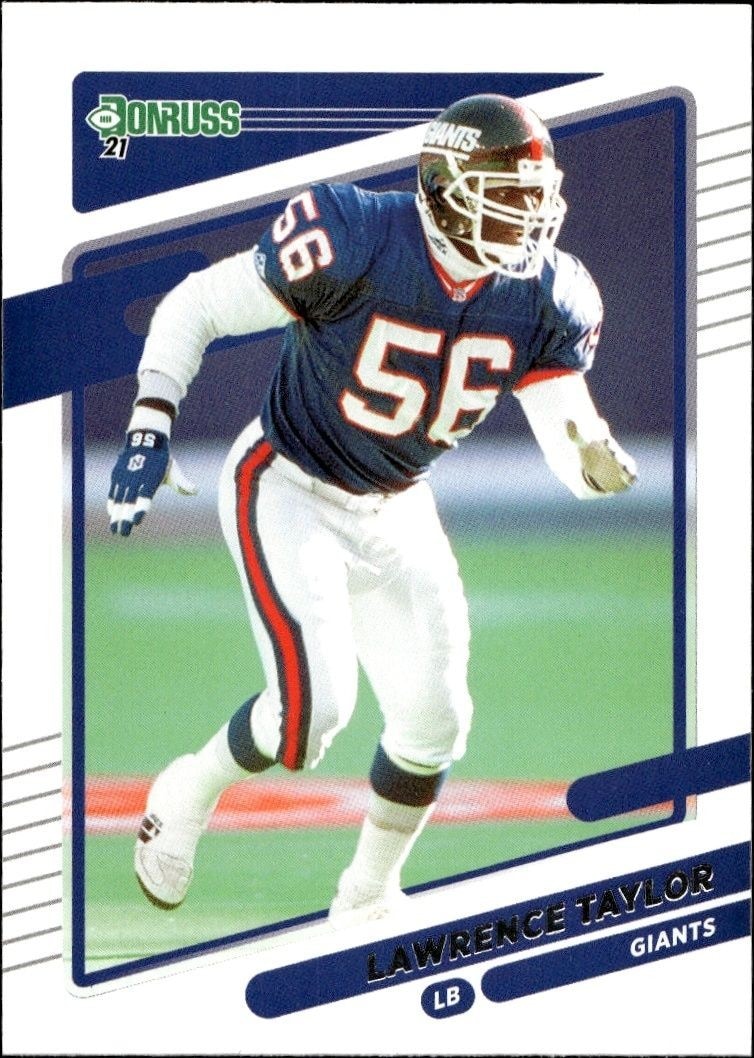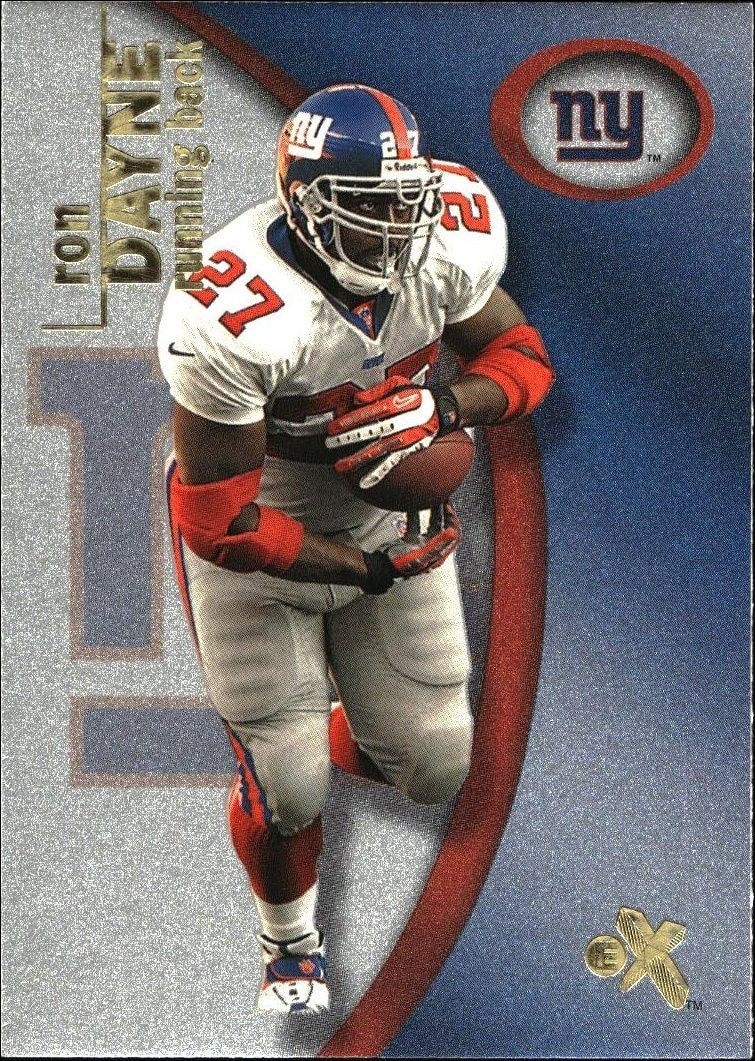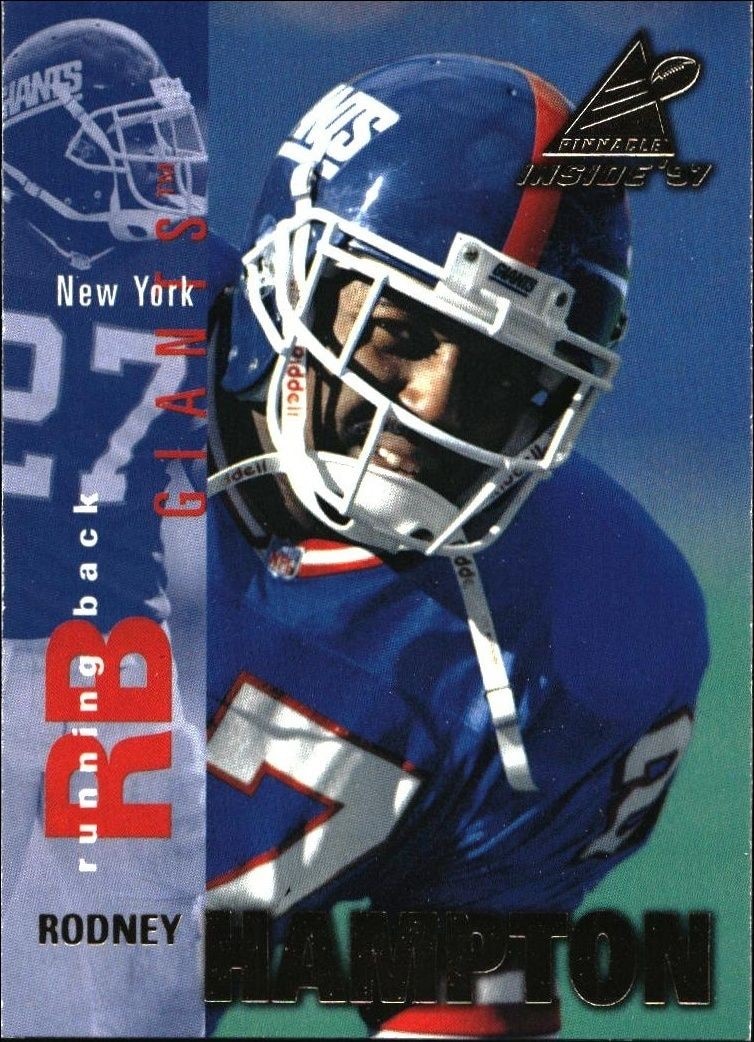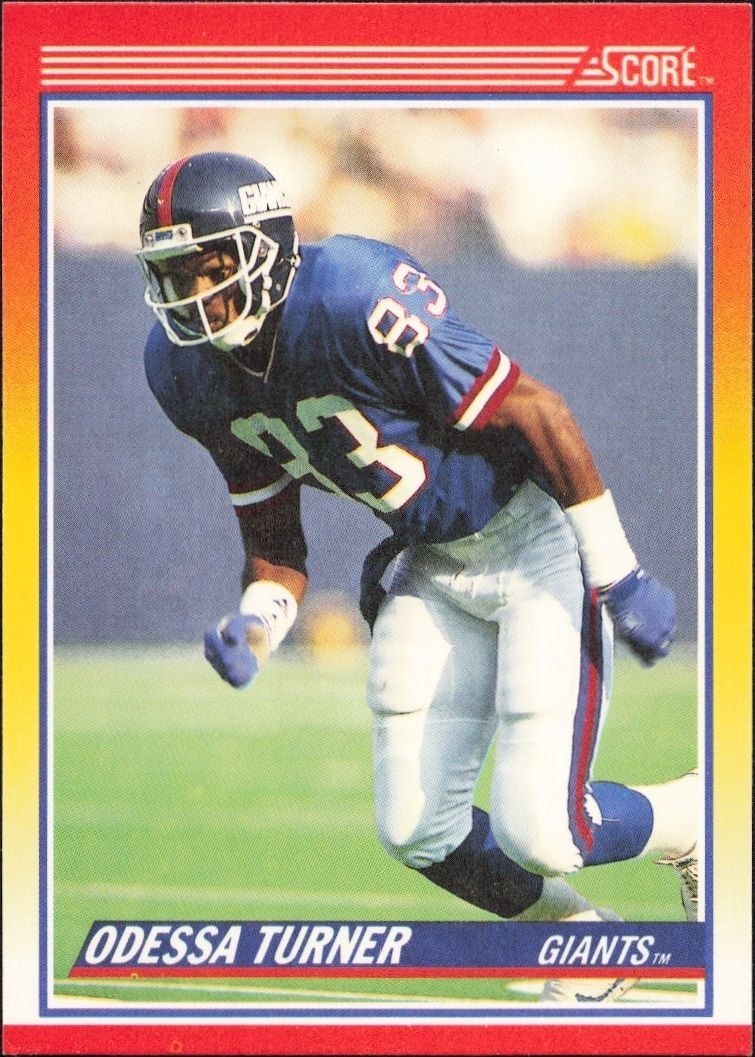
The 1990 Topps Odessa Turner #61 card features the New York Giants defensive back in a definitive snapshot of 1990s NFL football design. This product represents a key entry for enthusiasts completing the base set or building a specialized team collection.
1990 • Topps
National Football League • New York Giants
Excellent
61
New
Shipping Calculated at Checkout
Arrives in 5-7 daysEstimated delivery October 23, 2026 - October 25, 2026
Seller returns October 19, 2026.30-day Returns| Condition | Value | Source | Trend | Price Details |
|---|---|---|---|---|
$1.40 | Guide Estimate | |||
Raw / Ungraded
PriceCharting Price Guide · Guide Estimate evidence · captured Oct 11, 2026
History is building. At least two days of matching observations are needed to show a trend.
Each point is the last stored observation that day for this printing, condition, grader, autograph status and source. Gaps mean no observation; guide estimates and asking prices are not completed sales.The 1990 Topps Odessa Turner #61 card captures a specific moment in New York Giants history, featuring the defensive back during his tenure with the franchise. Released by Topps, this product is part of one of the most widely distributed and recognized sports trading card sets of the decade. For collectors, the 1990 Topps football set serves as a foundational piece for understanding the visual and commercial landscape of sports collectibles in the early 1990s. Odessa Turner, wearing number 61 in the catalog, represents the depth of the Giants' roster during a highly competitive era of the NFL. While Turner may not be the primary headline of the set, cards featuring role players and defensive specialists like him are essential for serious set builders who aim for 100% completion. Collecting this card offers a tangible connection to the broader narrative of the New York Giants in 1990. Whether you are assembling a complete set of Topps football cards or focusing on a single team subset, the Odessa Turner #61 card is a necessary component. It provides a snapshot of the league's personnel and the iconic Topps branding that defined sports card collecting for a generation. Enthusiasts often seek out these cards to fill gaps in their archives, ensuring their collection reflects the full scope of the era's rosters. The product remains a relevant item for those interested in the history of the New York Giants and the evolution of football trading cards.
22 hours ago
We'll pre-fill the product details from this catalog entry, so your listing lands on this exact page. Just add photos of your copy, pick its condition, and set your price.
The catalog profile below summarizes the card identity, featured subject, and notable collectible traits.
The subject, team, league, and sport context tied to this card.
Production details and format-specific attributes.
Material
Card Stock
Language
English
Compare prices, grades, photos, and shipping from approved sellers.
New
Excellent
See how many public collections currently include this card.
0 collectors have this card
This 1990 Topps Odessa Turner card represents a niche entry point within the Giants' franchise history, trading at a modest premium relative to common base parallels but remaining accessible for specialized collectors. Its value is anchored by the enduring popularity of the New York Giants brand, though the player's limited mainstream recognition keeps it below the tier of star athletes. The current market reflects a stable, low-volume trading environment typical for role players from this era.
As a standard base card with no noted special attributes, serial numbering, or parallel finishes, the supply is determined by the original print run of the 1990 Topps Football set. This lack of scarcity mechanics means the card competes directly with other ungraded or lightly graded examples from the same production wave. Consequently, condition becomes the primary differentiator, with well-preserved examples commanding slight preference over worn copies.
The card serves as a historical artifact for Giants memorabilia enthusiasts rather than a high-growth asset, given the absence of rookie status or significant player accolades. Collector demand is likely driven by team-specific needs rather than broad market interest, limiting potential for rapid appreciation. Long-term value retention depends on the stability of the vintage football market and the continued preservation of team legacy among collectors.