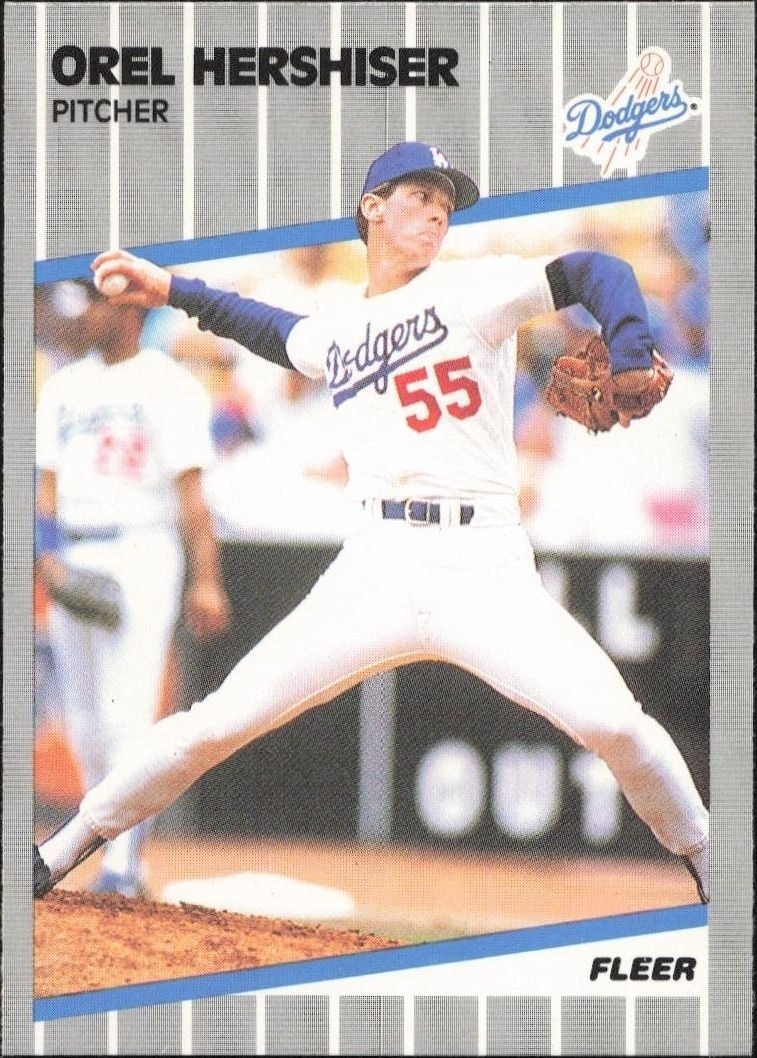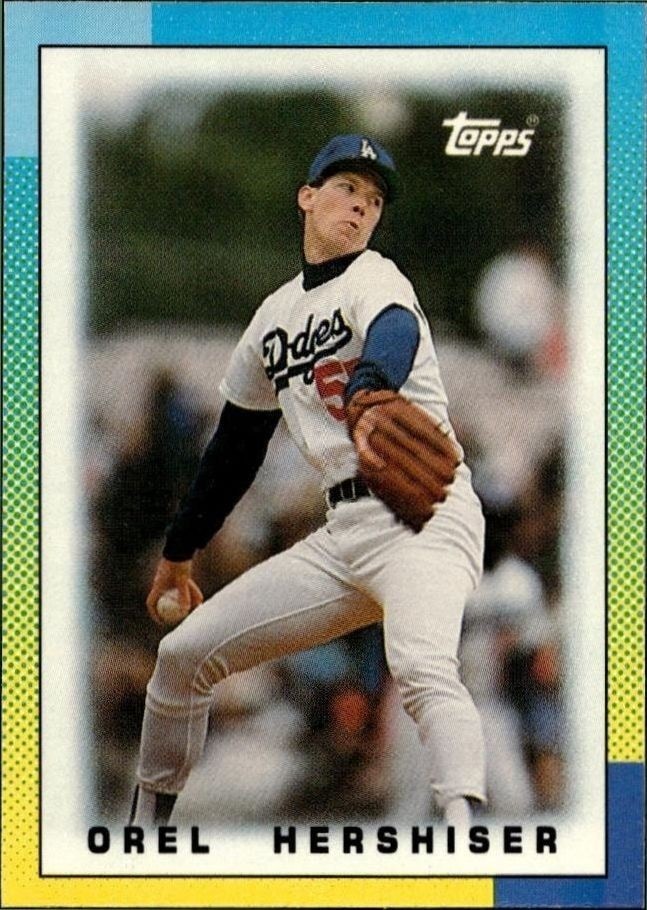




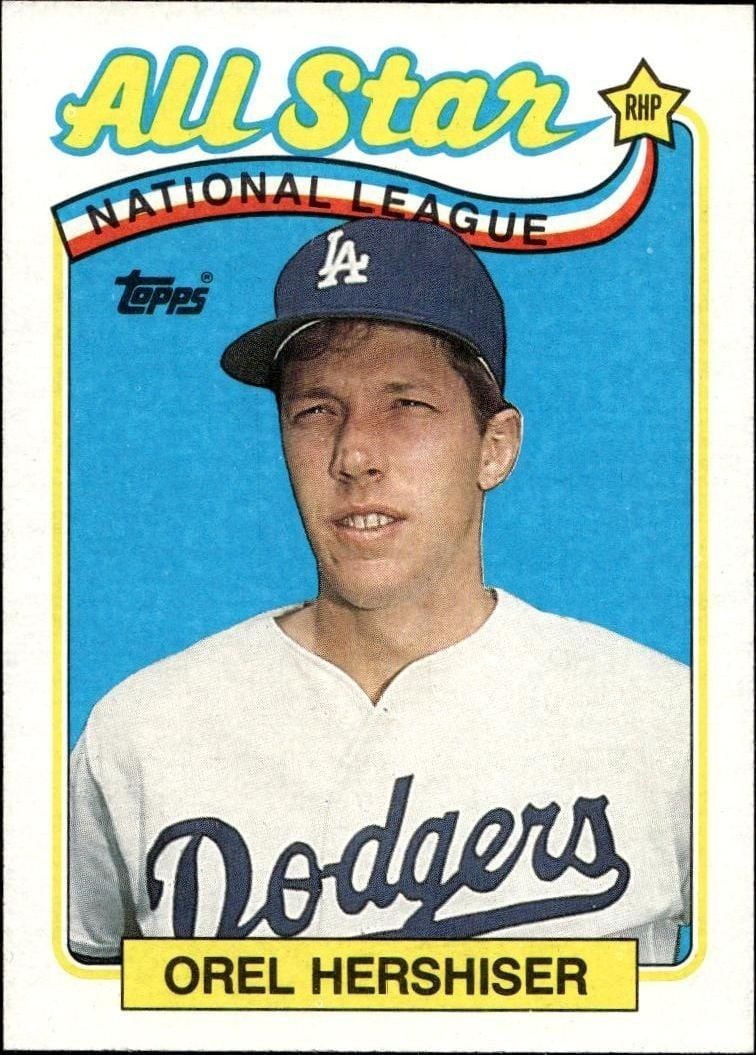


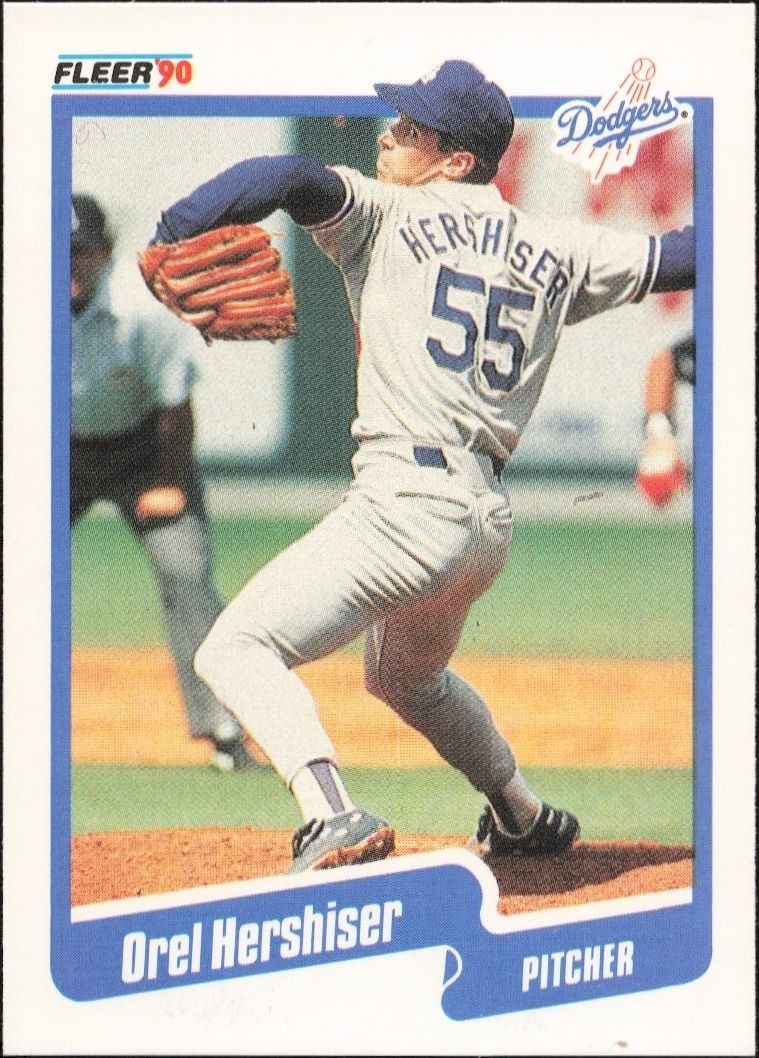

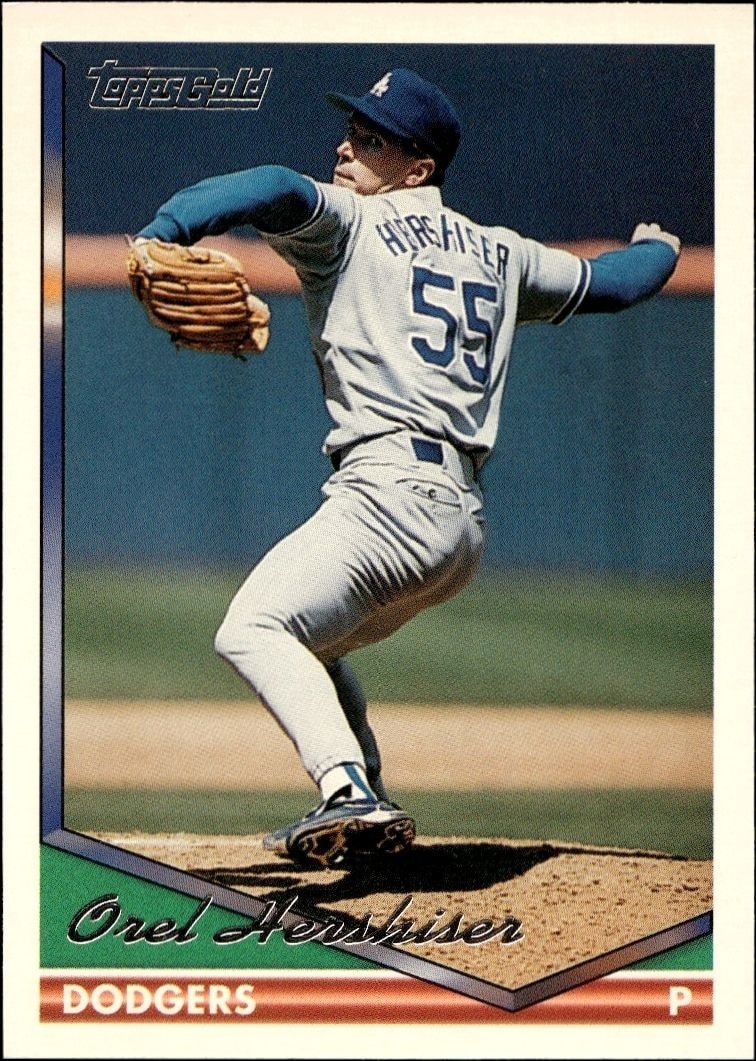

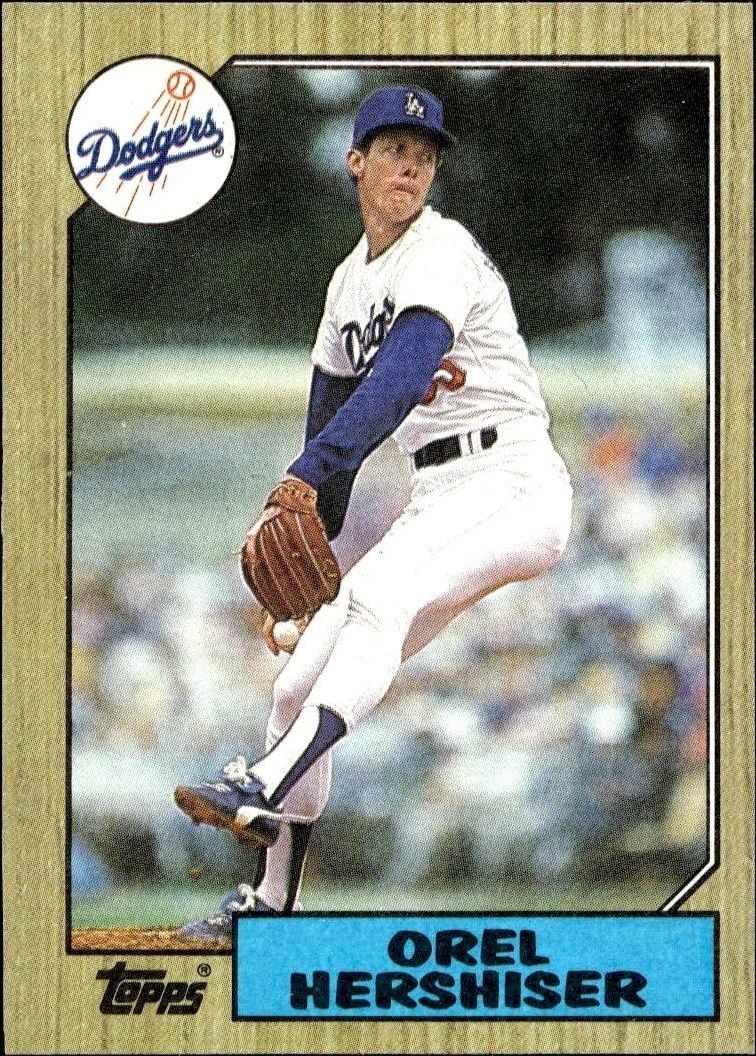
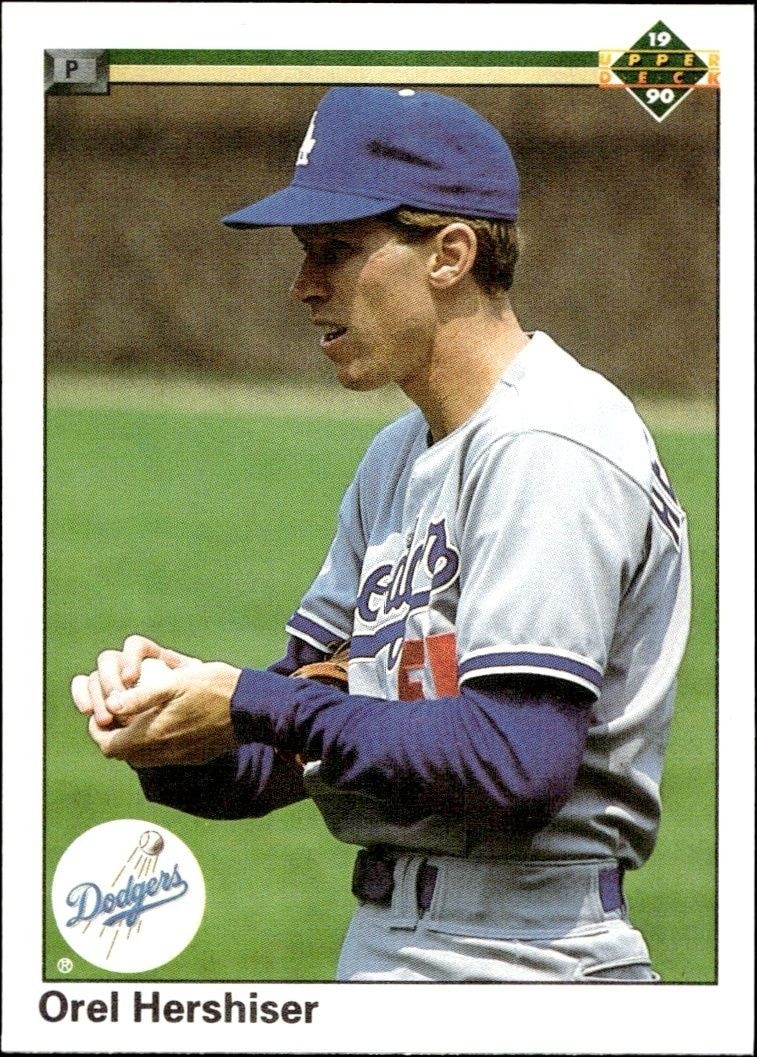
The 1990 Topps Orel Hershiser #780 is a vintage Los Angeles Dodgers baseball card from the 1990 Topps series, representing a key piece of 1990s sports memorabilia.
1990 • Topps
Major League Baseball • Los Angeles Dodgers
Excellent
780
New
Shipping Calculated at Checkout
Arrives in 4-6 daysEstimated delivery October 23, 2026 - October 25, 2026
Seller returns October 19, 2026.30-day Returns| Condition | Value | Source | Trend | Price Details |
|---|---|---|---|---|
$2.24As of 8/17/2026 | Completed Sales | 0% | ||
$2.24As of 9/28/2026 | Completed Sales | 0% | ||
$11.48As of 9/21/2026 | Guide Estimate | |||
$14.31As of 9/21/2026 | Guide Estimate | |||
$15.75As of 9/21/2026 | Guide Estimate | |||
$104.00As of 9/21/2026 | Guide Estimate | |||
$48.00As of 9/21/2026 | Guide Estimate | |||
$79.99As of 9/21/2026 | Guide Estimate | |||
$48.00As of 9/21/2026 | Guide Estimate | |||
Raw / Ungraded
The Card API Sold Comps · Completed Sales evidence · captured Sep 28, 2026
The 1990 Topps Orel Hershiser #780 is a distinct entry in the 1990 Topps baseball card set, capturing the image of a prominent Los Angeles Dodgers player during a significant era of the sport. This card number is an integral part of the 1990 Topps base set, which remains one of the most recognizable and widely collected products in modern trading card history. Collectors often seek out the 1990 Topps Orel Hershiser #780 for its nostalgic value and its place within the broader context of 1990s baseball culture. The Los Angeles Dodgers have a storied history, and cards featuring their players from this decade hold a special appeal for fans and investors alike. The 1990 Topps brand is known for its consistent design and accessibility, making it a staple for those building comprehensive collections. Whether you are a long-time fan of the Los Angeles Dodgers or a dedicated collector of vintage baseball cards, the 1990 Topps Orel Hershiser #780 offers a tangible connection to the past. It serves as a reminder of the competitive spirit and artistic style that defined sports cards in 1990. Adding this card to your collection allows you to preserve a piece of baseball history while appreciating the enduring legacy of the 1990 Topps series. For those looking to complete their 1990 Topps set or acquire a specific player card, this product provides a focused opportunity to own a piece of the 1990s baseball landscape. The 1990 Topps Orel Hershiser #780 stands as a testament to the quality and cultural impact of sports trading cards from this pivotal year.
1 day ago
We'll pre-fill the product details from this catalog entry, so your listing lands on this exact page. Just add photos of your copy, pick its condition, and set your price.
The catalog profile below summarizes the card identity, featured subject, and notable collectible traits.
The subject, team, league, and sport context tied to this card.
Production details and format-specific attributes.
Material
Card Stock
Language
English
Compare prices, grades, photos, and shipping from approved sellers.
New
Excellent
See how many public collections currently include this card.
0 collectors have this card
This 1990 Topps Orel Hershiser card represents a baseline entry point for collectors seeking a Dodgers legend from that era, currently trading at a modest price tier relative to his peak 1988 MVP season memorabilia. The absence of special attributes indicates it is a standard base card, meaning its value is driven primarily by nostalgic demand rather than scarcity or premium grading potential. While accessible, it lacks the distinct features that typically command significant premiums in the secondary market for this specific player.
As a standard base card within the 1990 Topps set, this item does not carry scarcity mechanics such as serial numbering, short printing, or parallel variants that would artificially constrain supply. The lack of unique identifiers means the population is effectively the total print run, making it widely available to collectors. Consequently, the card relies on general availability rather than exclusive distribution models to attract interest.
The investment potential is limited by its position as a common base card, which typically sees slower appreciation compared to rookie cards or high-tier parallels of the same subject. Collector demand is likely steady but modest, driven by those completing basic sets rather than investors seeking high-growth assets. Without rookie status or special production attributes, the card serves more as a fill-in piece for completionists than a standalone investment vehicle.