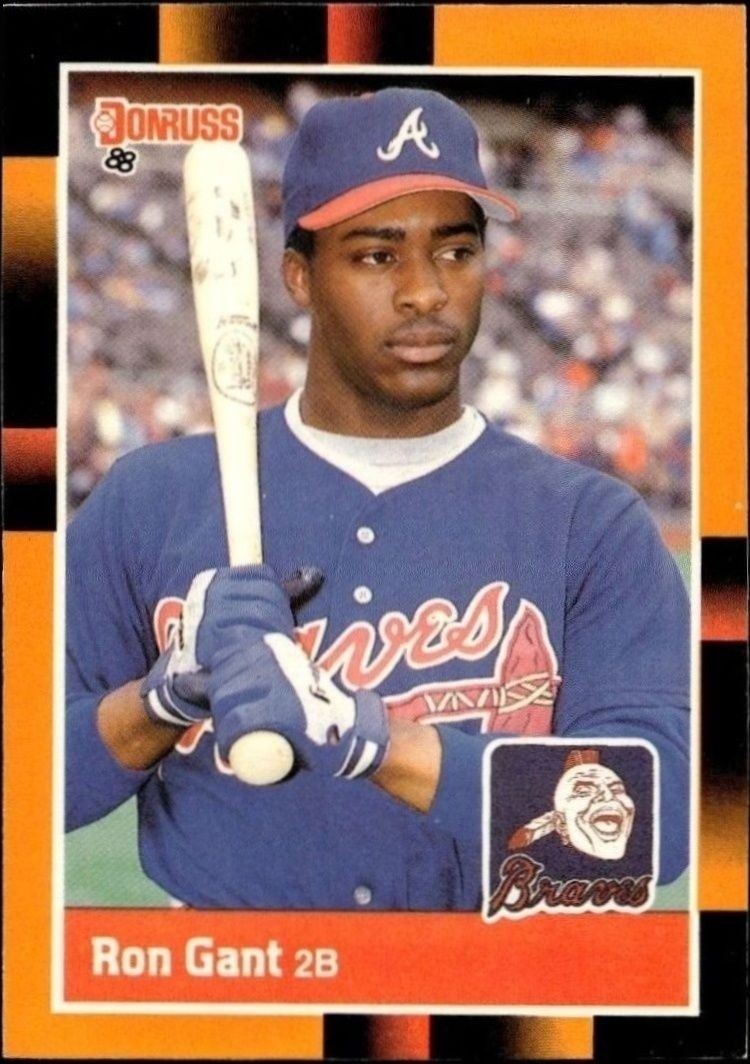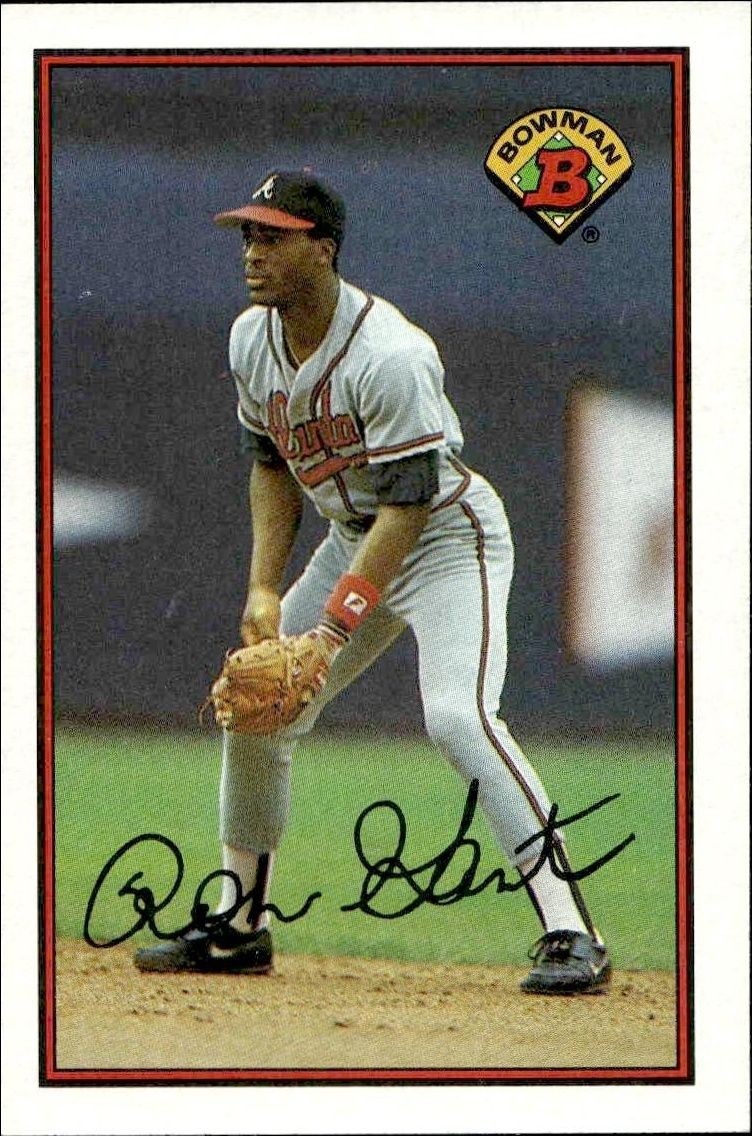
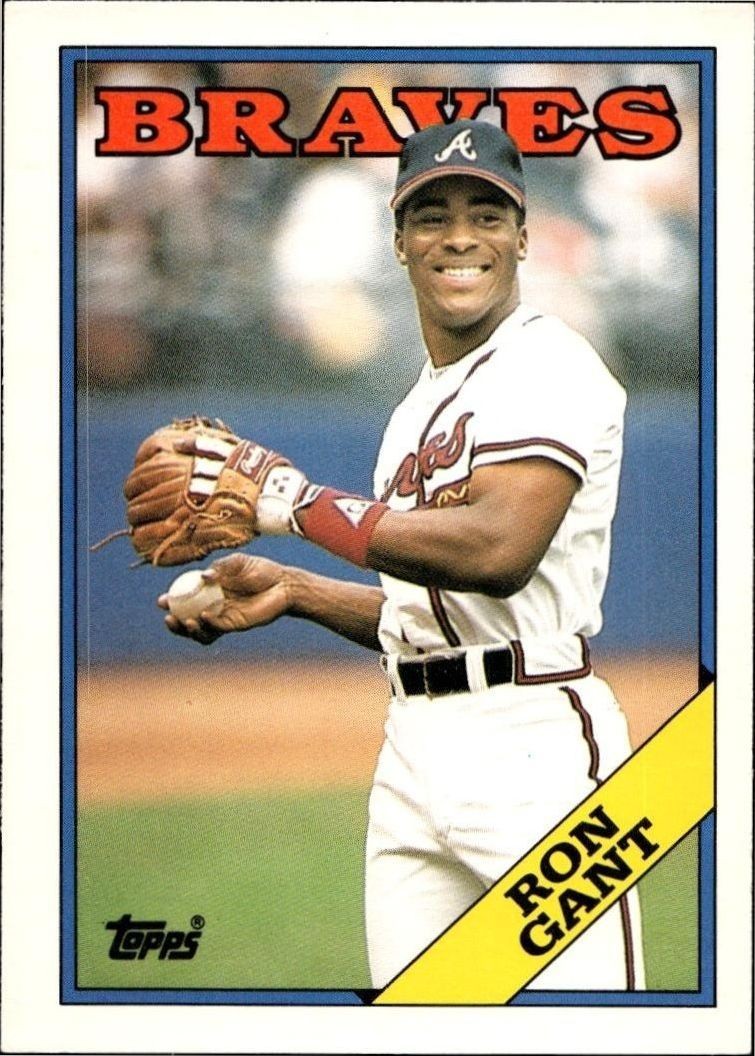
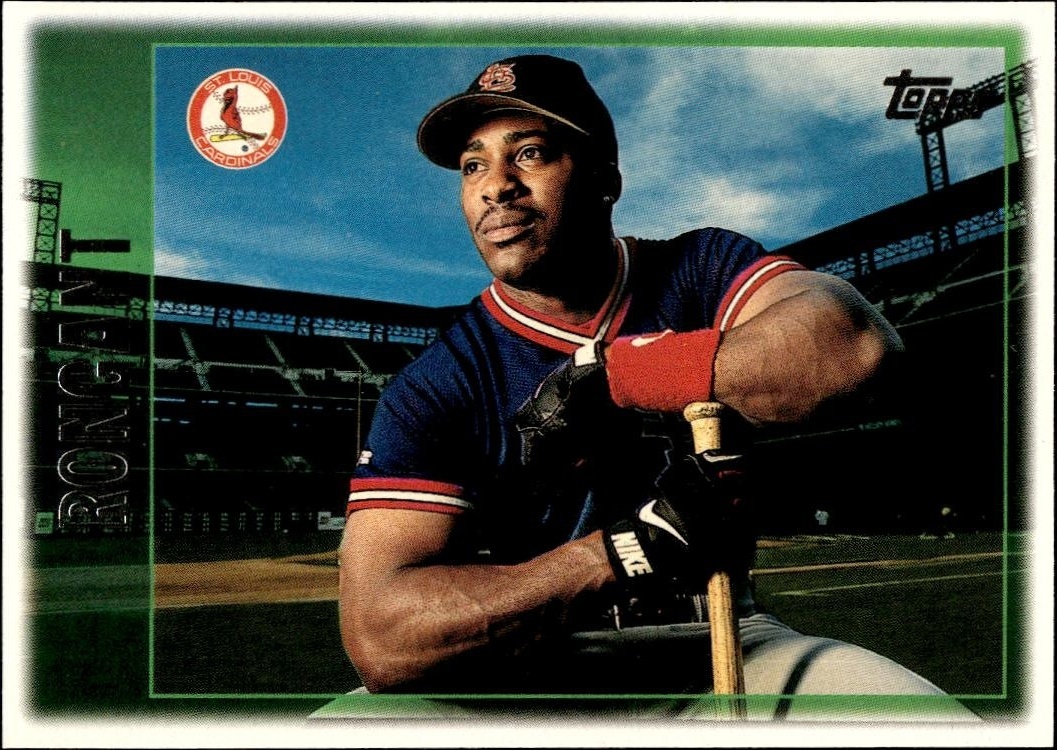

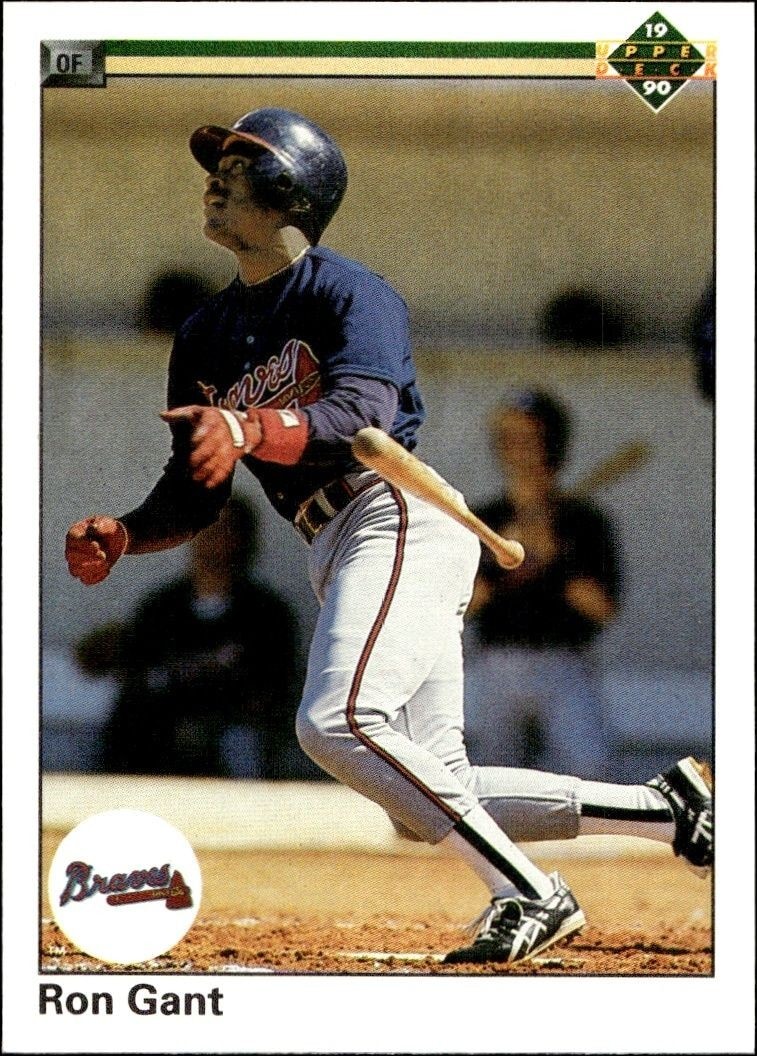
Explore the 1990 Topps Ron Gant #567 baseball card, featuring the Atlanta Braves outfielder in one of the most recognizable designs of the early 1990s.
1990 • Topps
Major League Baseball • Atlanta Braves
Excellent
567
New
Shipping Calculated at Checkout
Arrives in 5-7 daysEstimated delivery October 23, 2026 - October 25, 2026
Seller returns October 19, 2026.30-day Returns| Condition | Value | Source | Trend | Price Details |
|---|---|---|---|---|
$1.19 | Guide Estimate | +46.9% | ||
$9.41 | Guide Estimate | +16.6% | ||
$10.00 | Guide Estimate | +11.1% | ||
$11.00 | Guide Estimate | +10% | ||
Raw / Ungraded
PriceCharting Price Guide · Guide Estimate evidence · captured Oct 16, 2026
The 1990 Topps Ron Gant #567 baseball card represents a distinct era in sports trading card history, capturing the Atlanta Braves outfielder during a pivotal time in franchise history. As part of the primary 1990 Topps set, this card is identified by its standard card number, making it easily catalogable for collectors who organize by set and issue rather than just player name. The design reflects the classic aesthetic of Topps cards from the late 1980s and early 1990s, characterized by clean borders and a focus on the player's action or portrait, which appeals to those who appreciate the visual consistency of that period. Collectors of Atlanta Braves memorabilia often seek out cards from this year to document the roster composition during the team's resurgence. Ron Gant was a significant contributor to the Braves' lineup, and his presence on the 1990 Topps checklist provides a tangible link to that season. For investors and hobbyists alike, the 1990 Topps base set remains a foundational collection, with each card number serving as a crucial component for those aiming to complete the entire run. The #567 designation helps distinguish this entry within the larger catalog, ensuring accurate tracking for set builders. Whether you are looking to fill a gap in your Braves collection or acquire a piece of 1990s baseball history, this card offers a straightforward yet valuable addition to any hobby shelf. The enduring popularity of Topps products means that even base cards from this decade continue to hold relevance in the secondary market. For those interested in the broader context of baseball trading cards, the 1990 release serves as a snapshot of the sport before the more complex parallel and insert-heavy designs of later years. It remains a staple for enthusiasts who value the simplicity and accessibility of vintage sports cards.
15 hours ago
We'll pre-fill the product details from this catalog entry, so your listing lands on this exact page. Just add photos of your copy, pick its condition, and set your price.
The catalog profile below summarizes the card identity, featured subject, and notable collectible traits.
The subject, team, league, and sport context tied to this card.
Production details and format-specific attributes.
Material
Card Stock
Language
English
Compare prices, grades, photos, and shipping from approved sellers.
New
Excellent
See how many public collections currently include this card.
0 collectors have this card
This 1990 Topps Ron Gant card sits in an entry-level price tier, reflecting its status as a standard base card from a high-print-run era. While Gant was a significant player for the Atlanta Braves during the late 80s and 90s, the lack of special attributes keeps this specific issue trading below the premium commanded by his rookie or autograph variations. The current market positioning suggests it is accessible for casual collectors but does not command a significant condition premium compared to higher-grade counterparts.
As a standard base card from the 1990 Topps set, this item carries no serial numbering, short-print designations, or parallel variations that would artificially constrain supply. Its scarcity is determined solely by natural survival rates and circulation wear, meaning it is widely available in both raw and graded formats. Without unique attributes, it does not possess the rarity mechanics that typically drive intense competition among specialized collectors.
Investment potential is limited by the massive print run characteristic of mainstream Topps releases from this period, which dilutes long-term appreciation prospects. Collector demand is likely driven by nostalgia for the Braves' successful era rather than speculative growth, making it a solid addition for complete set builders rather than a standalone asset. The card's value will likely remain stable and low, tracking with the broader market for common vintage baseball issues.