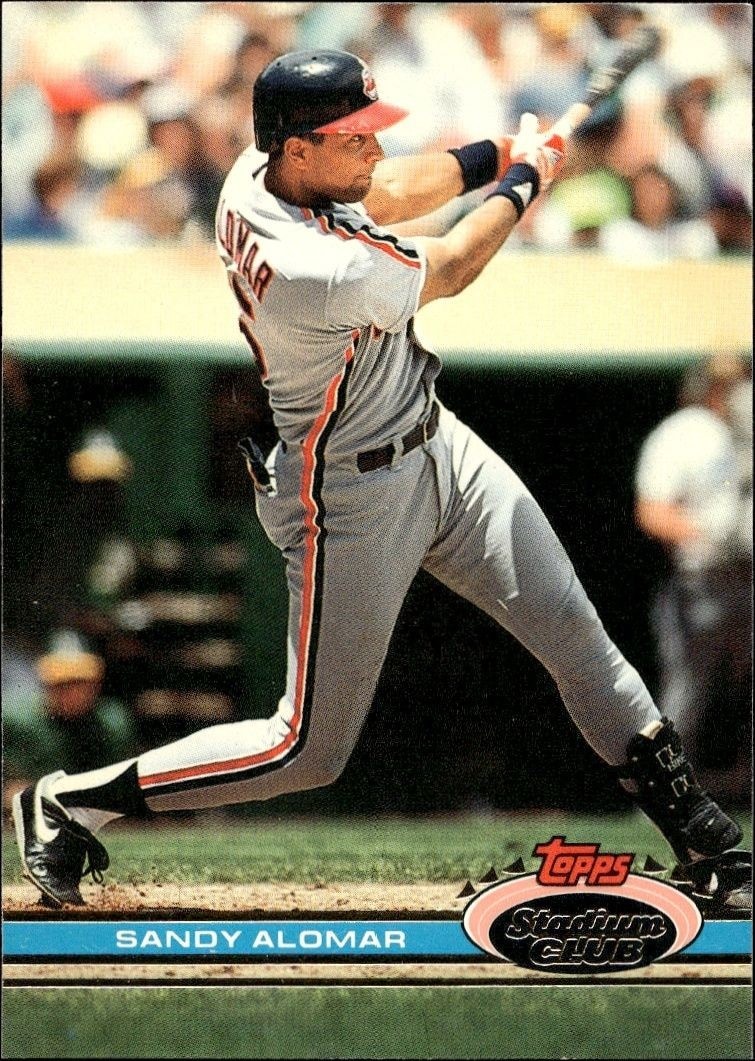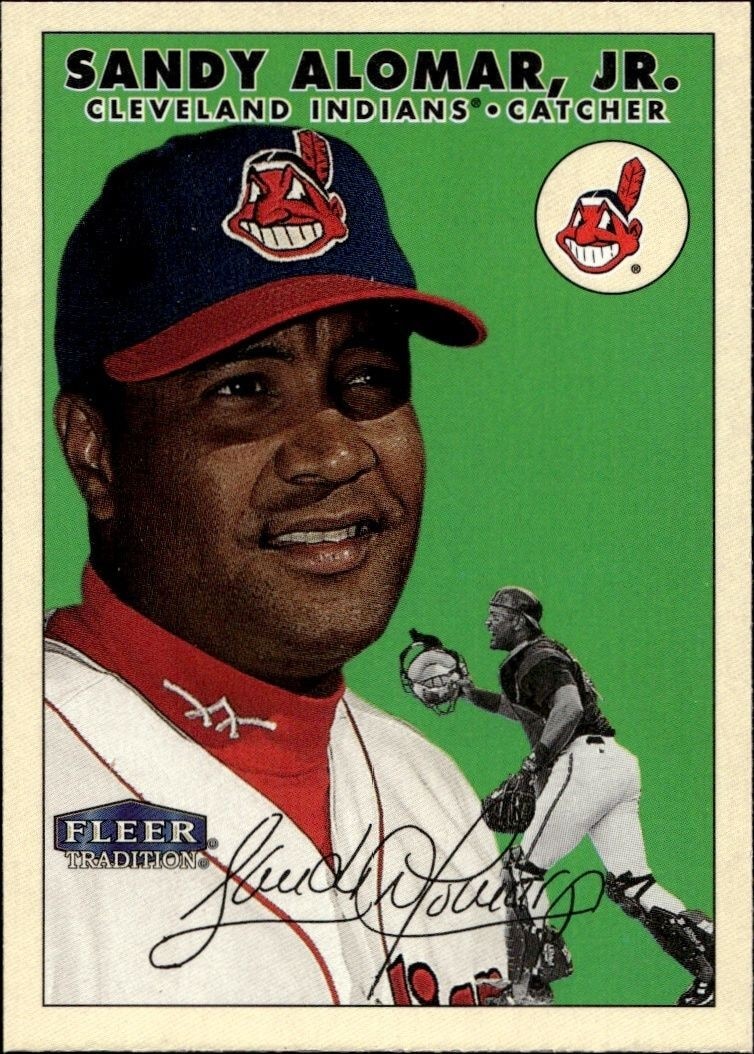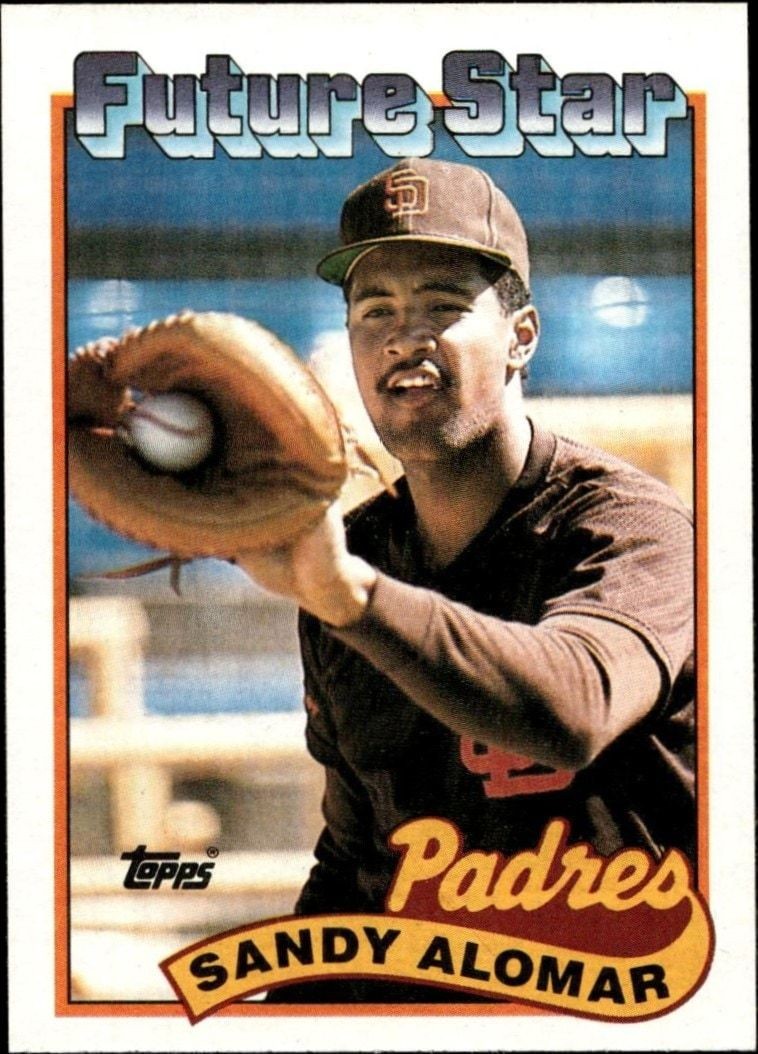

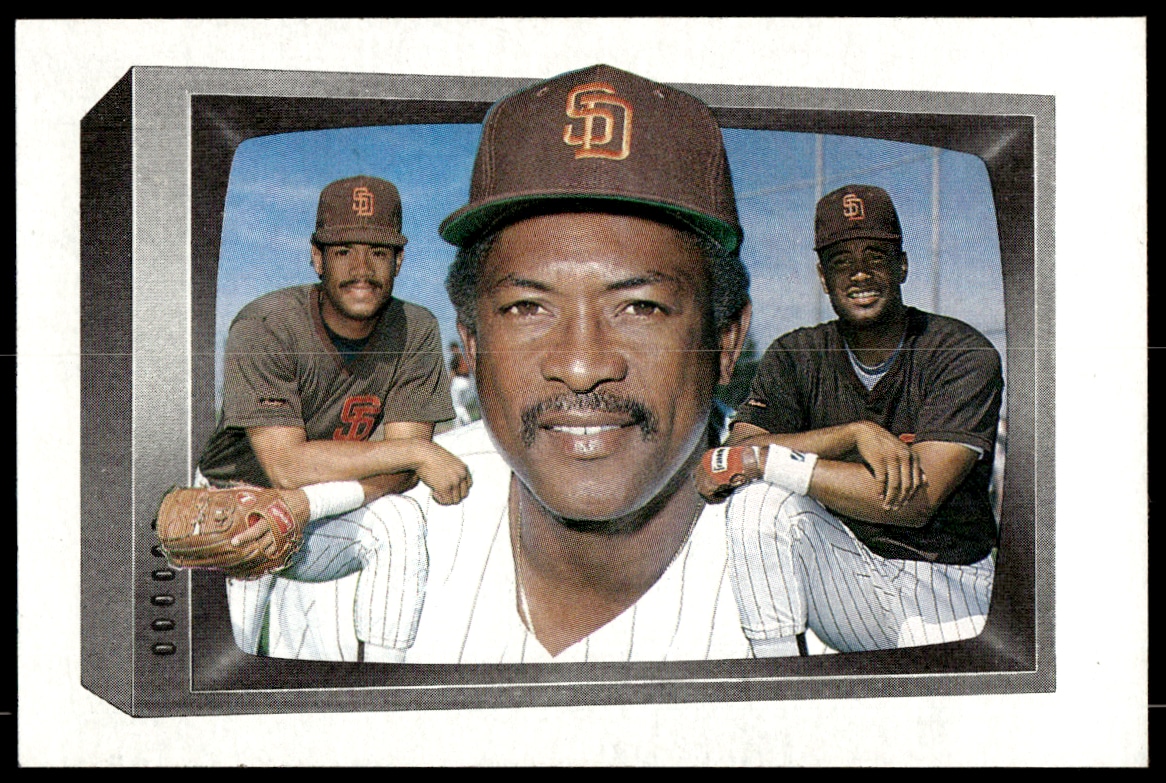

The 1990 Topps Sandy Alomar #353 sports card features the San Diego Padres player in one of the most recognized designs in trading card history.
1990 • Topps
Major League Baseball • San Diego Padres
Excellent
353
New
Shipping Calculated at Checkout
Arrives in 5-7 daysEstimated delivery October 23, 2026 - October 25, 2026
Seller returns October 19, 2026.30-day Returns| Condition | Value | Source | Trend | Price Details |
|---|---|---|---|---|
$0.99 | Guide Estimate | 0% | ||
$5.51 | Guide Estimate | 0% | ||
$11.00 | Guide Estimate | 0% | ||
$17.00 | Guide Estimate | 0% | ||
$23.00 | Guide Estimate | 0% | ||
$11.00 | Guide Estimate | 0% | ||
$17.50 | Guide Estimate | 0% | ||
$11.00 | Guide Estimate | 0% | ||
Raw / Ungraded
PriceCharting Price Guide · Guide Estimate evidence · captured Oct 17, 2026
The 1990 Topps Sandy Alomar #353 card captures a specific moment in baseball history, representing the San Diego Padres during a pivotal era for the franchise. Collectors often seek out this card number to complete their base set collections or to focus on players who had significant impacts during that period. Sandy Alomar, featured on card #353, was a key figure for the San Diego Padres. For investors and hobbyists alike, the 1990 Topps series remains a cornerstone of the hobby, offering a blend of nostalgia and historical significance. The card serves as a tangible connection to the sport's past, allowing enthusiasts to hold a piece of the game's heritage. Whether you are building a comprehensive collection of Padres memorabilia or focusing on specific players from the early 1990s, this card holds a prominent place in any serious assembly. The enduring appeal of vintage baseball cards like this 1990 Topps issue lies in their ability to evoke memories of the game's golden eras. By acquiring this Sandy Alomar card, collectors are not just purchasing an item; they are securing a verified piece of sports history that continues to resonate with fans and investors alike. The combination of the iconic Topps branding, the player's association with the Padres, and the specific card number makes this a valuable addition to any themed collection.
13 hours ago
We'll pre-fill the product details from this catalog entry, so your listing lands on this exact page. Just add photos of your copy, pick its condition, and set your price.
The catalog profile below summarizes the card identity, featured subject, and notable collectible traits.
The subject, team, league, and sport context tied to this card.
Production details and format-specific attributes.
Material
Card Stock
Language
English
Compare prices, grades, photos, and shipping from approved sellers.
New
Excellent
See how many public collections currently include this card.
0 collectors have this card
This 1990 Topps Sandy Alomar card represents a standard base-issue entry point for the player, trading at a modest value consistent with non-premium vintage baseball cards. Its current pricing reflects a lack of special attributes or grading premiums that typically drive higher tiers in the secondary market. The card sits at the lower end of the price spectrum relative to Alomar's other collectibles, serving primarily as an affordable entry for those building broad team or league sets rather than seeking high-value investments.
As a standard base card from the 1990 Topps set, this item carries no serial numbering, parallel finishes, or short-print designations that would artificially constrain its supply. The scarcity is determined solely by the original mass production run, which was extensive and widely distributed to retailers. Without unique manufacturing markers or limited edition status, the card remains one of many identical copies available in the market, resulting in high availability and low intrinsic rarity.
The investment potential for this specific card is limited due to its ungraded, base-set status and the absence of rookie-card designation or special parallel features. Collector demand is likely driven by set completionists seeking affordable fills rather than speculative investors looking for appreciation. Long-term value growth is unlikely to outpace broader vintage baseball trends unless the player's historical significance increases or the card receives professional grading that highlights its condition.