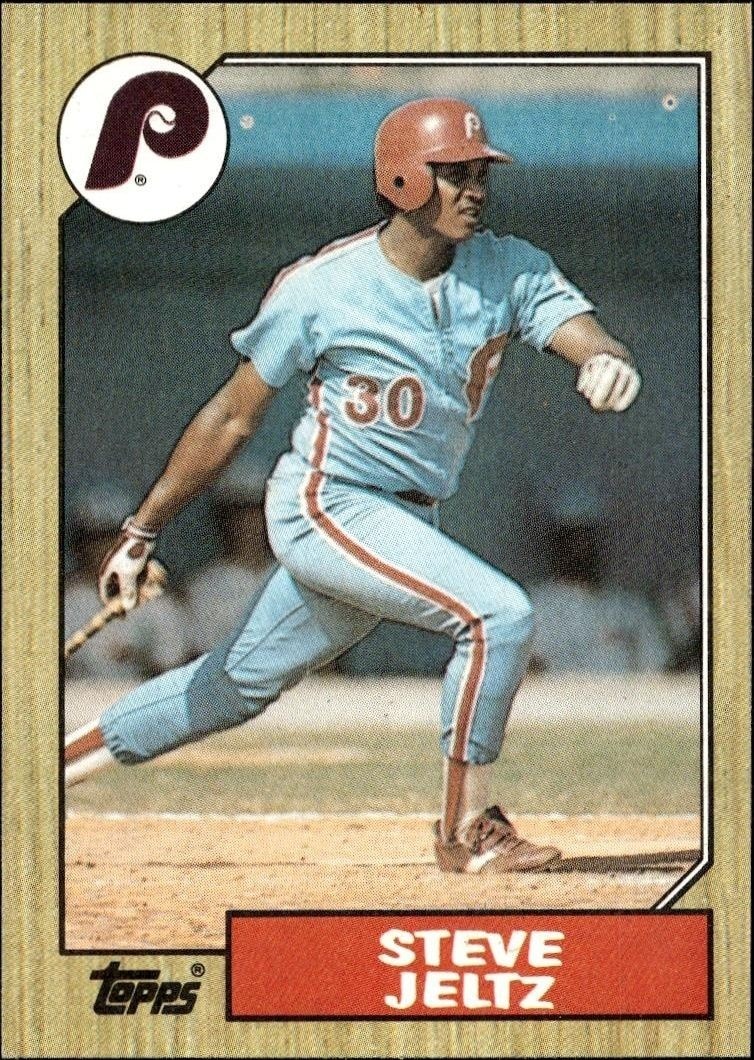



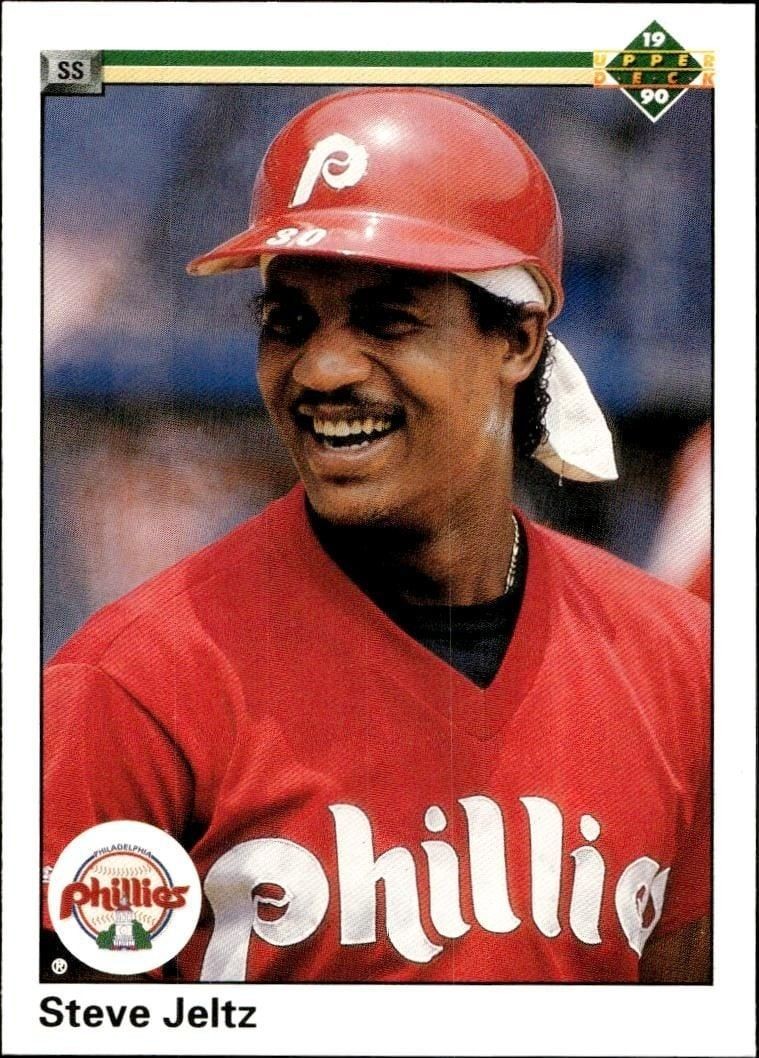
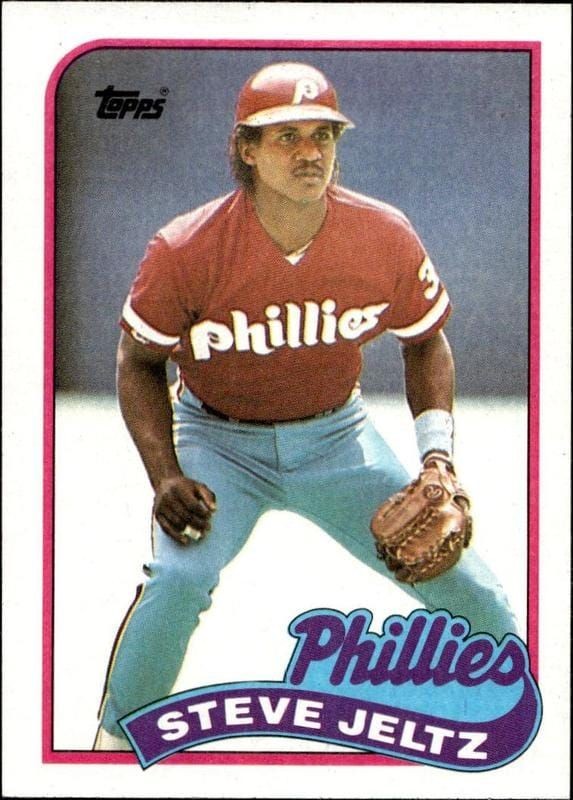
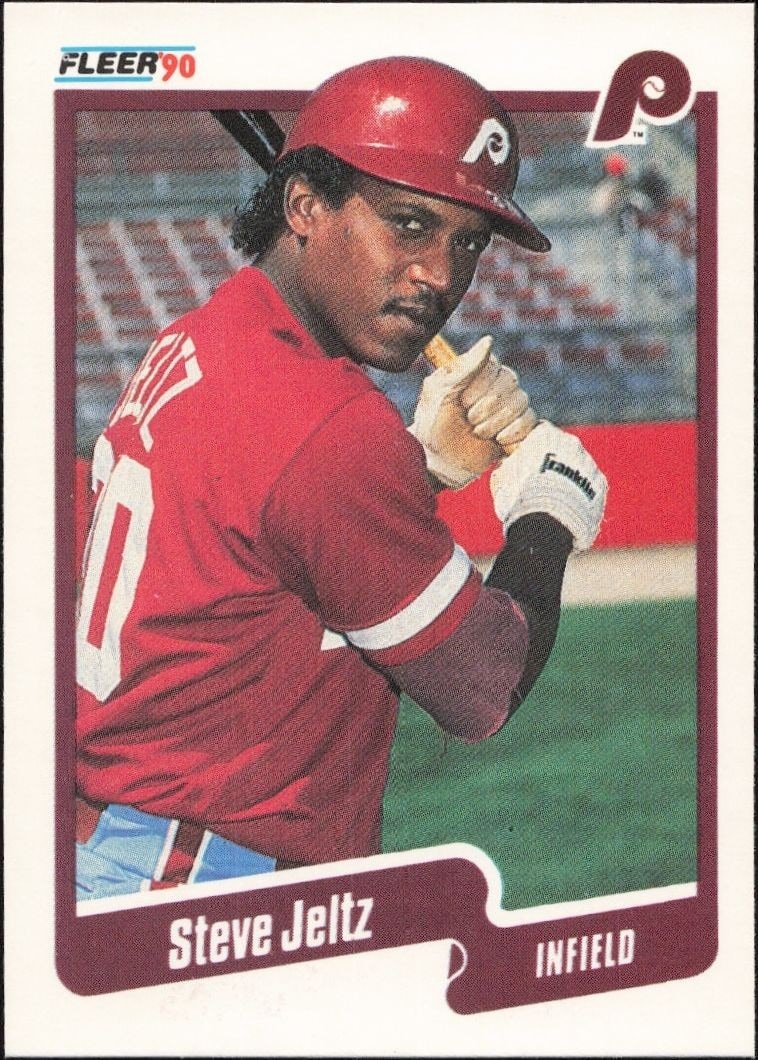
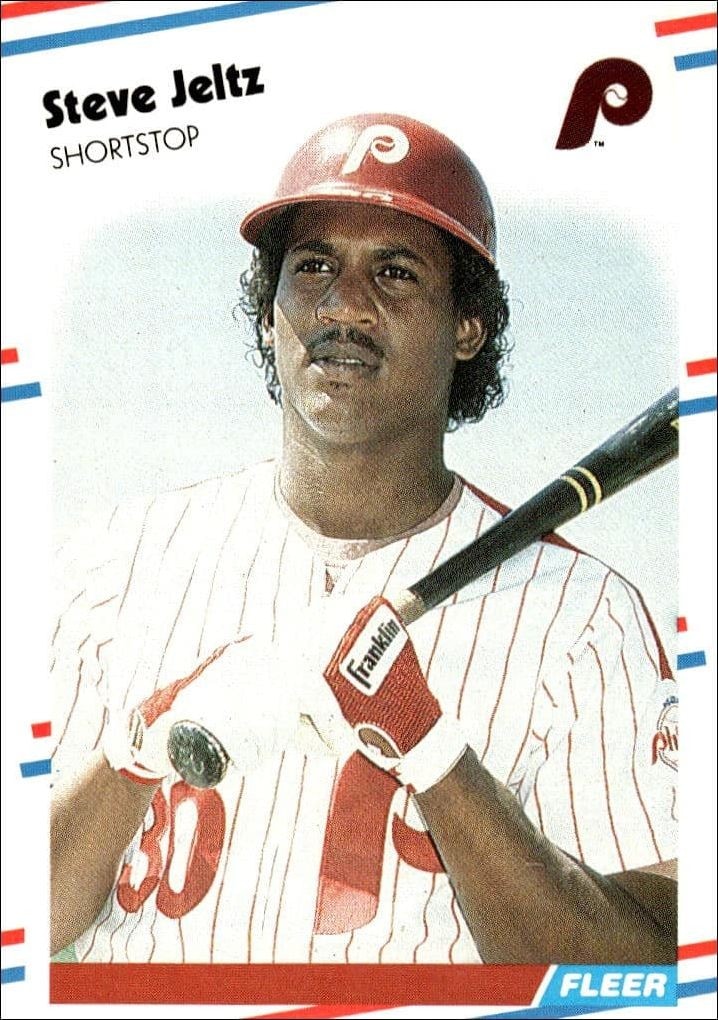
Acquire the 1990 Topps Steve Jeltz #607 baseball card, featuring the Philadelphia Phillies player from the iconic 1990 Topps set.
1990 • Topps
Major League Baseball • Philadelphia Phillies
Excellent
607
New
Shipping Calculated at Checkout
Arrives in 5-7 daysEstimated delivery October 23, 2026 - October 25, 2026
Seller returns October 19, 2026.30-day Returns| Condition | Value | Source | Trend | Price Details |
|---|---|---|---|---|
$1.24 | Guide Estimate | 0% | ||
Raw / Ungraded
PriceCharting Price Guide · Guide Estimate evidence · captured Oct 16, 2026
The 1990 Topps #607 card features Steve Jeltz during his tenure with the Philadelphia Phillies, offering a tangible piece of early 1990s Major League Baseball history. As a staple of the 1990 Topps series, this sports card captures the visual identity of the era, characterized by its distinctive design elements that defined a generation of trading cards. Collectors often seek out this card number to complete their base set runs, making it a standard yet essential component for those organizing their vintage baseball collections. Steve Jeltz’s appearance on card #607 serves as a historical record of his time in the MLB, specifically highlighting his connection to the Philadelphia Phillies organization. For investors and hobbyists alike, 1990 Topps cards are recognized for their widespread distribution and nostalgic appeal, providing an accessible entry point into vintage sports memorabilia. The card’s layout and typography reflect the design language of the time, offering a straightforward presentation of the player and team information that collectors value for its authenticity and era-specific charm. Whether you are building a comprehensive collection of Phillies history or focusing on the broader 1990 Topps base set, this card represents a reliable addition to any portfolio. The enduring popularity of the 1990 Topps brand ensures that cards like #607 remain relevant in the secondary market, appealing to both new hobbyists discovering the era and seasoned collectors preserving baseball heritage.
19 hours ago
We'll pre-fill the product details from this catalog entry, so your listing lands on this exact page. Just add photos of your copy, pick its condition, and set your price.
The catalog profile below summarizes the card identity, featured subject, and notable collectible traits.
The subject, team, league, and sport context tied to this card.
Production details and format-specific attributes.
Material
Card Stock
Language
English
Compare prices, grades, photos, and shipping from approved sellers.
New
Excellent
See how many public collections currently include this card.
0 collectors have this card
As a 1990 Topps base card for Steve Jeltz, this item resides in the entry-level tier of MLB collectibles, reflecting the player's limited long-term mainstream appeal compared to franchise icons. The current market price indicates a modest valuation typical for non-star players from this era, where supply significantly outstrips specialized demand. Without any special attributes or grading premiums, the card trades at the baseline for raw, ungraded issues from this specific set and year.
This card is identified as a standard base issue within the 1990 Topps set, meaning it lacks the scarcity mechanics associated with parallels, short prints, or serial numbering. Consequently, the supply is determined solely by the original mass-production run of the base set, which is generally abundant for major brands of this vintage. The absence of any unique identifiers or limited edition tags means the item does not benefit from artificial supply constraints that typically drive rarity premiums.
The investment potential for this specific card is limited due to its status as a common base card for a player who does not command strong collector demand. While the 1990 Topps set has historical significance, individual cards for role players or lesser-known figures rarely appreciate beyond general inflation or minor set-completion needs. Collectors seeking this item are likely focused on assembling complete base sets rather than pursuing standalone value growth, keeping the long-term outlook stable but low-growth.