










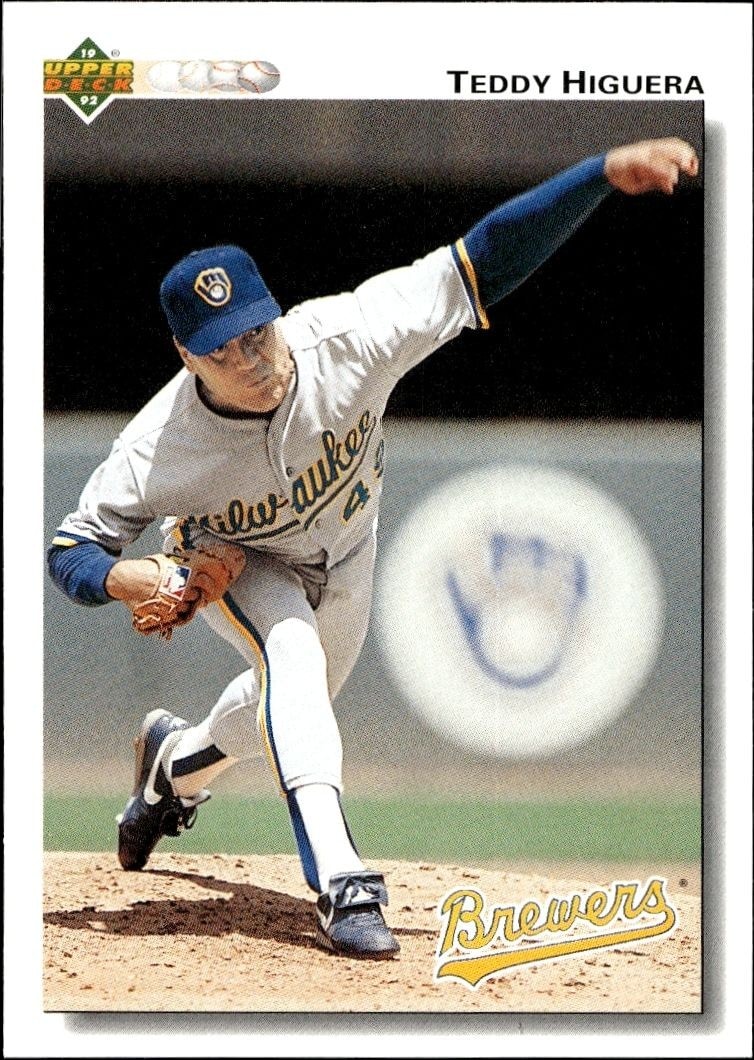
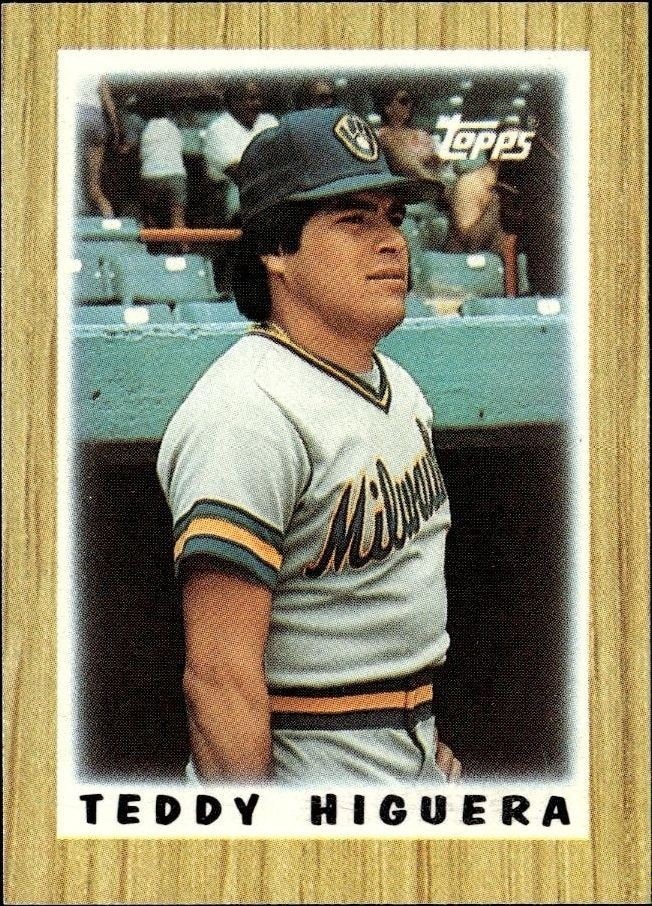
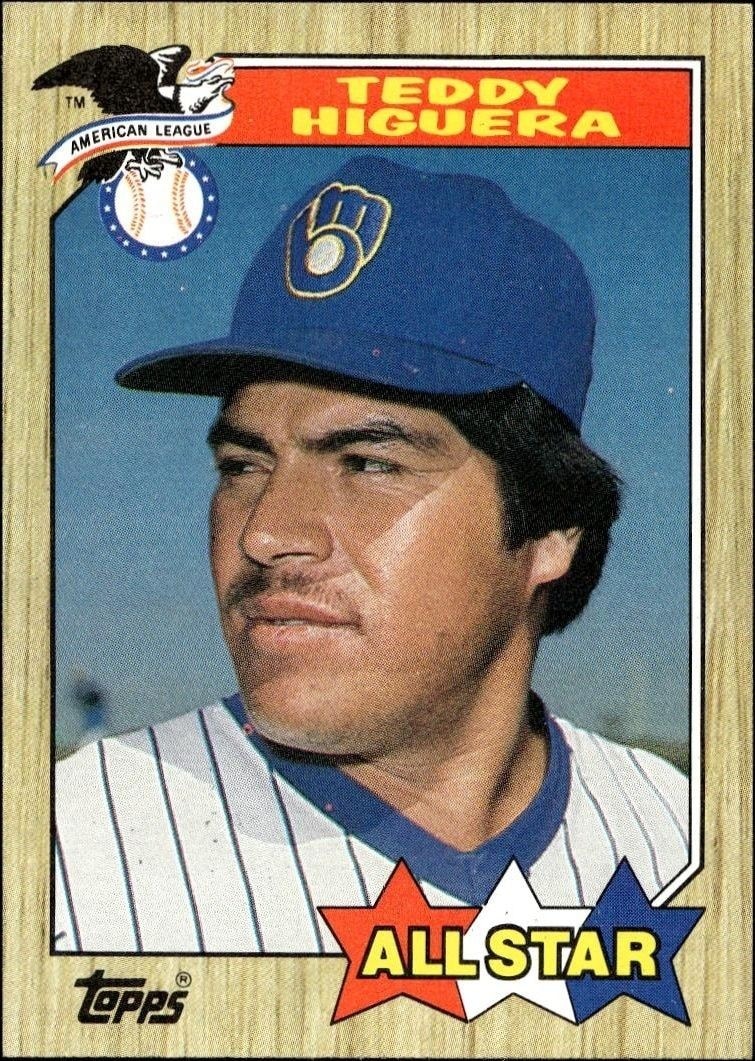
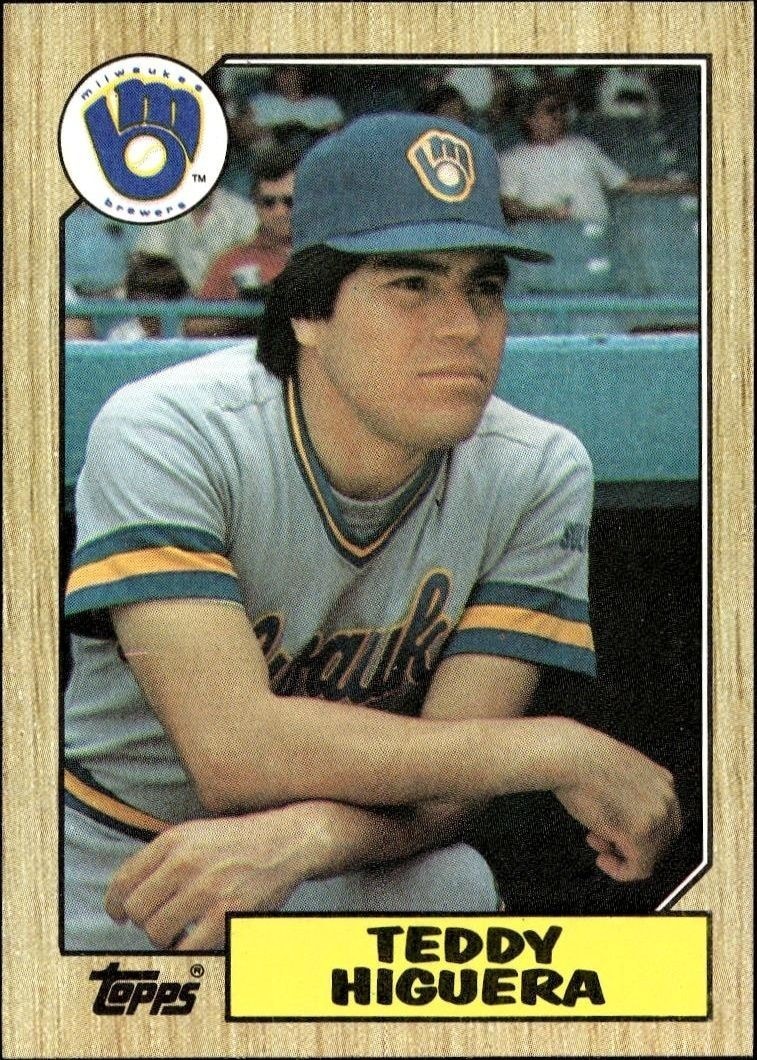

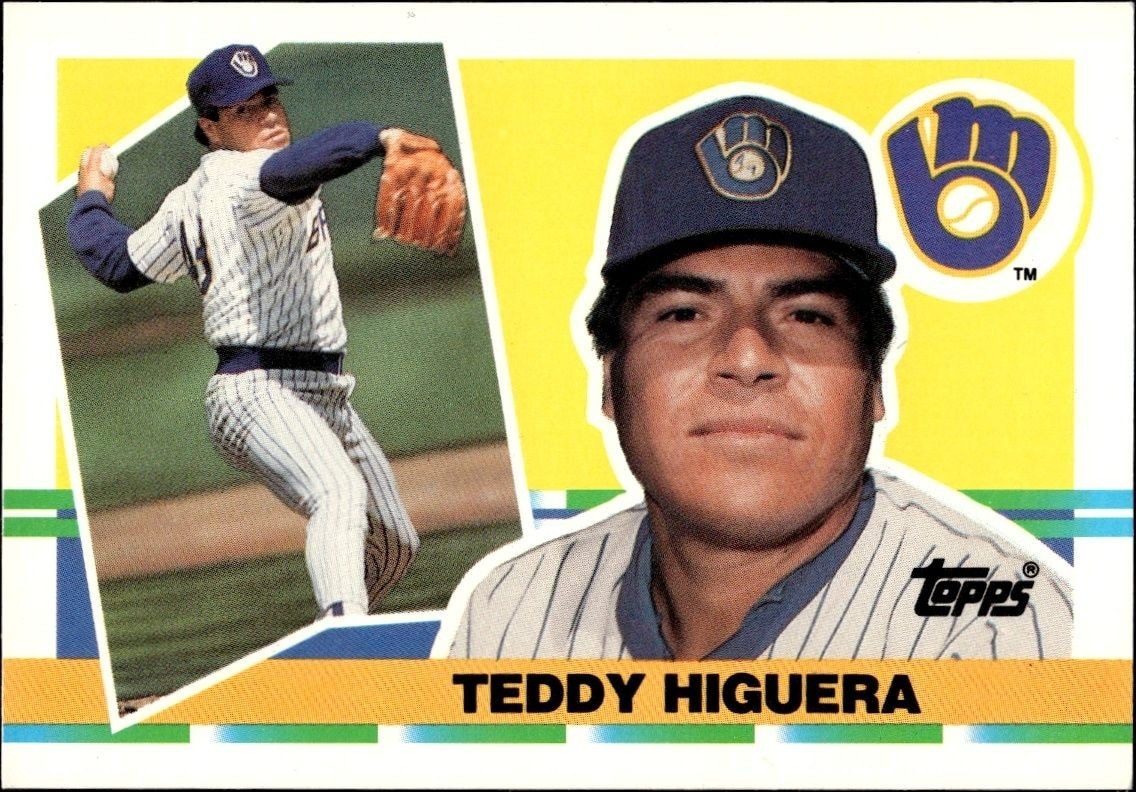
Explore the 1990 Topps Teddy Higuera #15 baseball card, a staple of vintage sports card collecting featuring the Milwaukee Brewers pitcher.
1990 • Topps
Major League Baseball • Milwaukee Brewers
Excellent
15
New
Shipping Calculated at Checkout
Arrives in 4-6 daysEstimated delivery October 23, 2026 - October 25, 2026
30-day Returns| Condition | Value | Source | Trend | Price Details |
|---|---|---|---|---|
$1.29 | Asking Prices | -12.8% | ||
Raw / Ungraded
eBay Active Listings · Asking Prices evidence · captured Oct 16, 2026
The 1990 Topps Teddy Higuera #15 card captures a specific moment in baseball history, featuring the Milwaukee Brewers pitcher during a pivotal era for the franchise. As part of the massive 1990 Topps base set, this card is recognized by its distinct design and the clear presentation of Higuera in his Brewers uniform. For collectors, card number 15 serves as a foundational element for those looking to complete the 1990 Topps checklist. The 1990 release remains one of the most widely collected sets from the early 90s boom, making this card a common yet essential find. While not a rookie card, it represents Higuera's established career with Milwaukee, appealing to fans of the team and the player. Whether you are building a personal collection, seeking to fill a gap in your 1990 Topps binder, or investing in classic sports memorabilia, this card offers a tangible connection to the sport's past. The straightforward design and historical context make it a reliable addition to any serious collection of 90s baseball cards. ## What is the significance of card number 15 in the 1990 Topps set? Card number 15 is part of the base set's sequential numbering, identifying Teddy Higuera as one of the featured players on the Milwaukee Brewers team roster for that year. ## Is this card a rookie card for Teddy Higuera? No, this is not a rookie card. It was released in 1990, several years after Higuera's debut, representing his career with the Milwaukee Brewers. ## Why is the 1990 Topps set popular among collectors? The 1990 Topps set is highly popular due to its large size, distinctive design, and the inclusion of many notable players from that era, making it a staple for set builders.
1 day ago
We'll pre-fill the product details from this catalog entry, so your listing lands on this exact page. Just add photos of your copy, pick its condition, and set your price.
The catalog profile below summarizes the card identity, featured subject, and notable collectible traits.
The subject, team, league, and sport context tied to this card.
Production details and format-specific attributes.
Material
Card Stock
Language
English
Compare prices, grades, photos, and shipping from approved sellers.
New
Excellent
See how many public collections currently include this card.
0 collectors have this card
This 1990 Topps base card of Teddy Higuera sits in an accessible entry-level tier, reflecting its status as a standard issue rather than a premium insert. While Higuera was a key contributor for the Milwaukee Brewers during this era, the lack of special attributes keeps the valuation modest compared to his rookie or high-grade counterparts. Current market activity suggests a stable, low-cost acquisition point for casual collectors focusing on 1990s Brewers memorabilia.
As a standard base card from the 1990 Topps set, this item does not carry inherent scarcity mechanics such as serial numbering, short-print designations, or parallel variants. Its supply is determined by the original mass production of the base set, meaning it remains widely available in the secondary market. Consequently, the card relies on condition rather than unique production limits to differentiate its value.
Investment potential is primarily driven by nostalgia for the 1990 Milwaukee Brewers rather than speculative growth metrics. The absence of rookie-card status or special parallels limits the card's appeal to high-end investors, restricting demand to those specifically completing base set runs or focused on era-specific team collections. Long-term value retention depends on the overall health of the vintage baseball market rather than individual card attributes.
