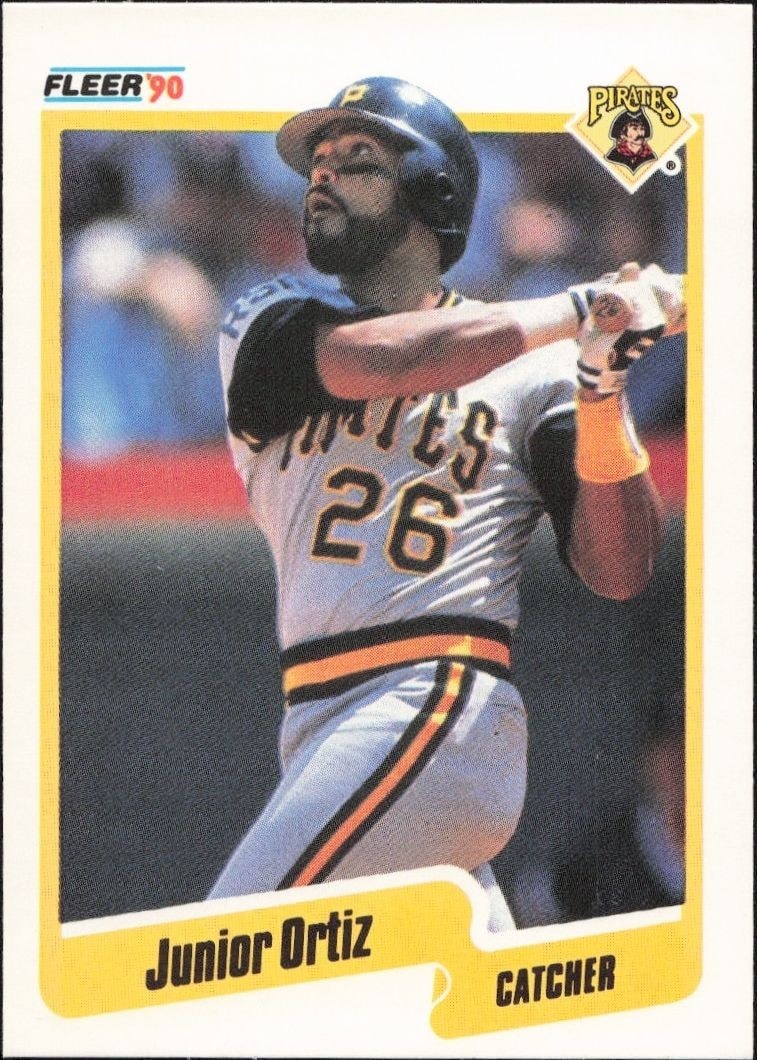




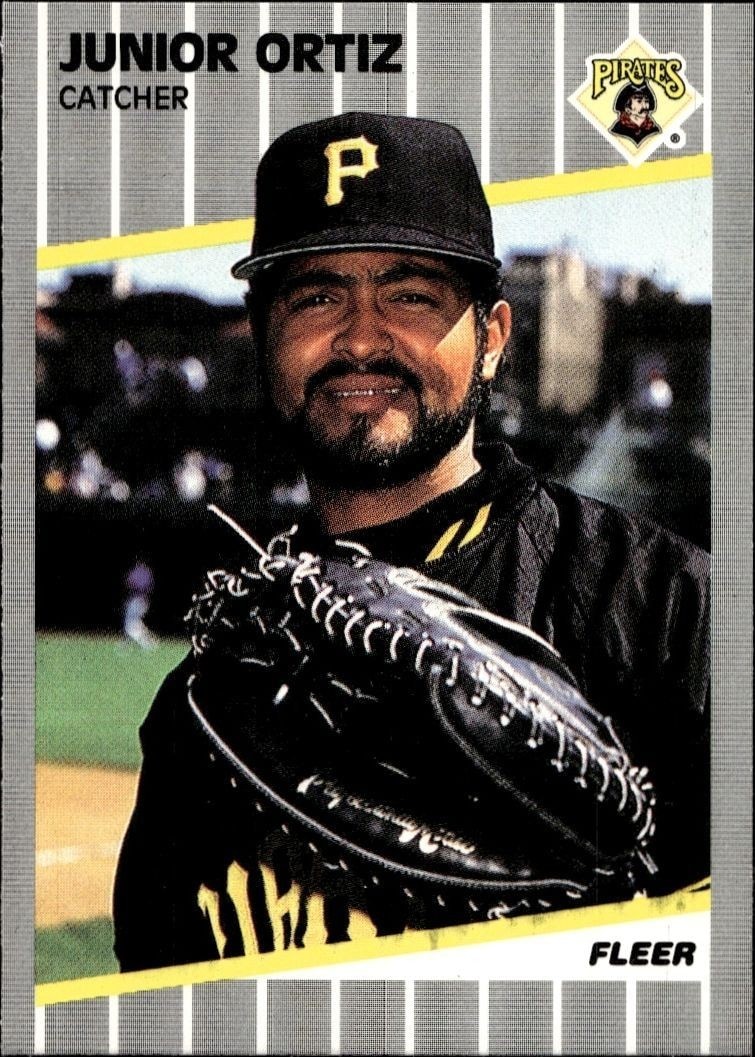
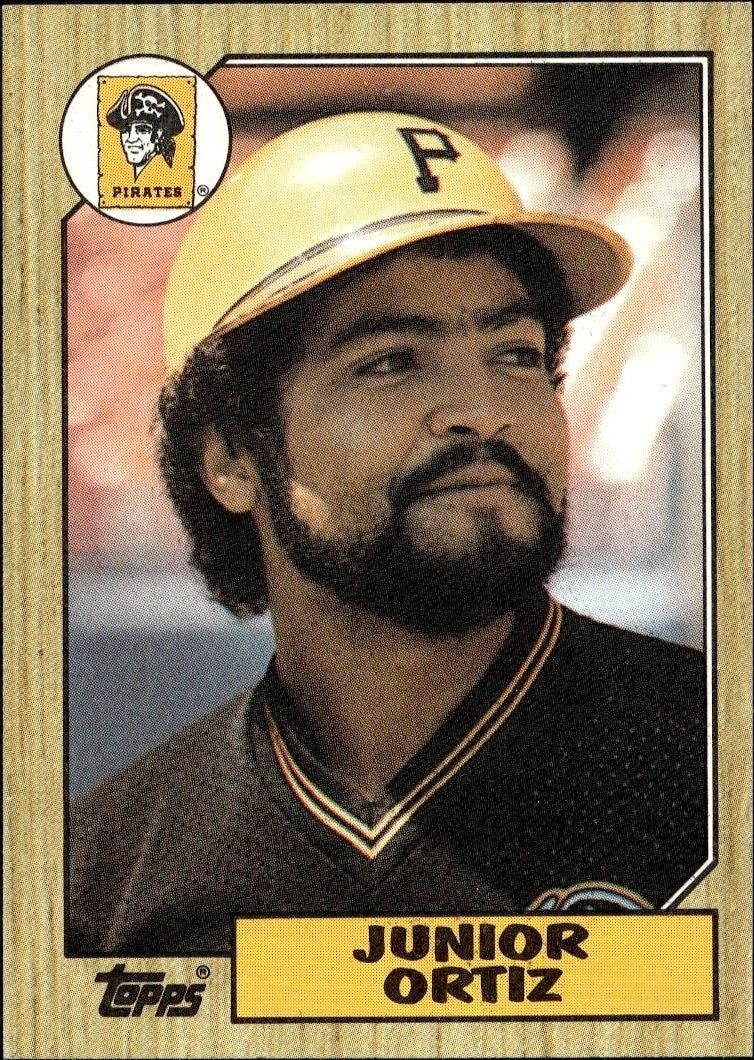
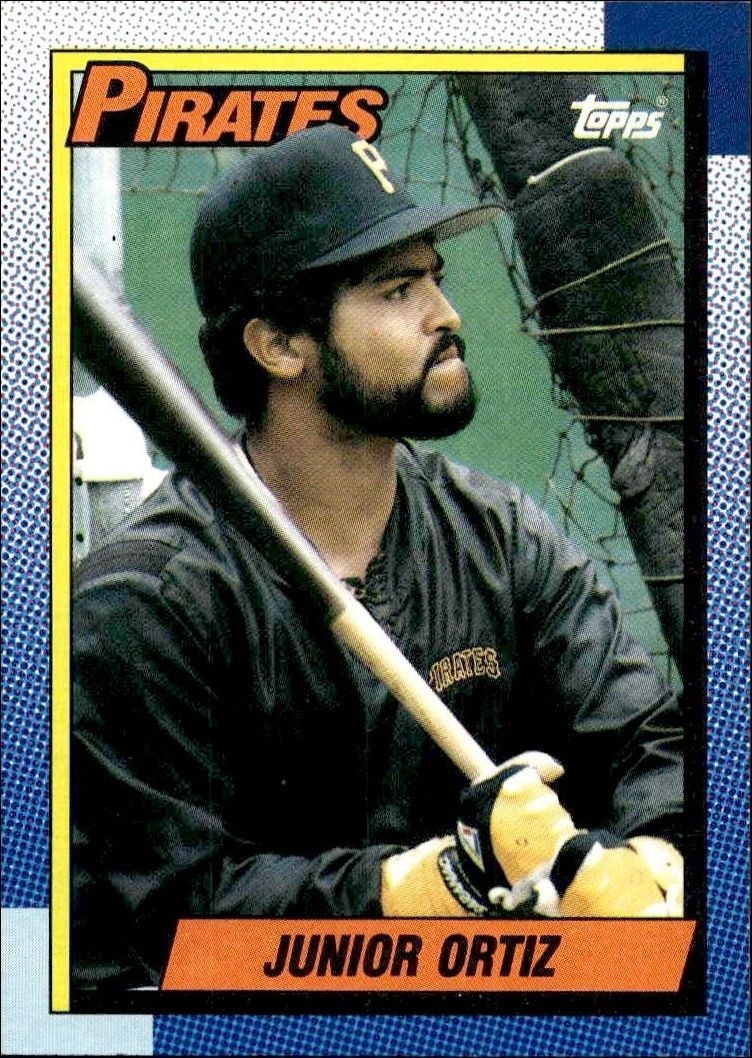
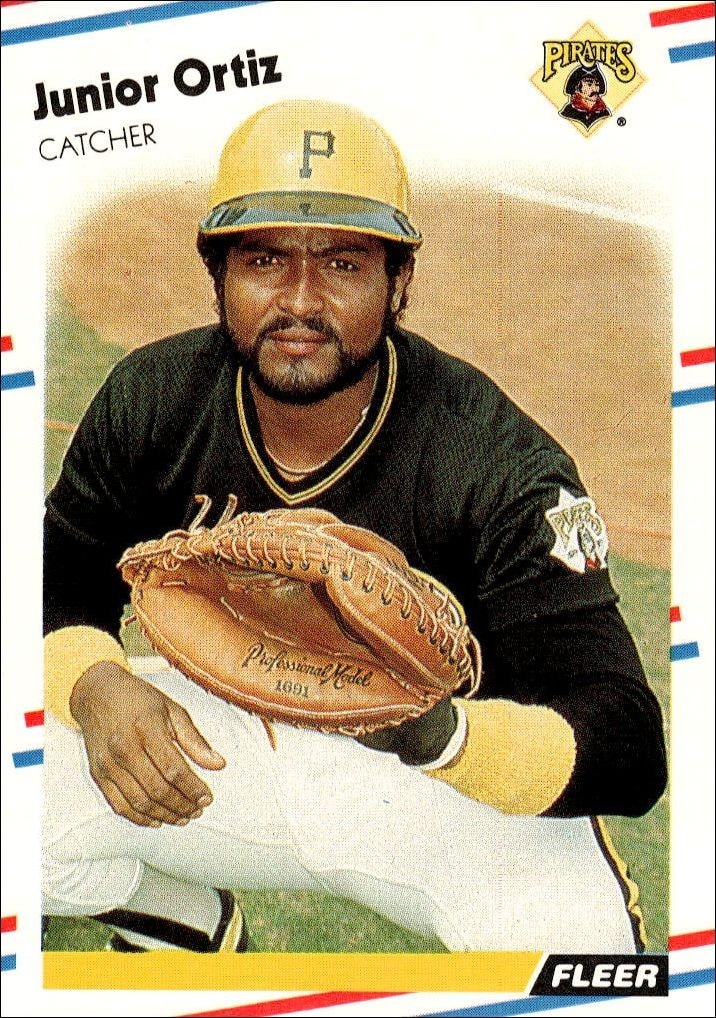
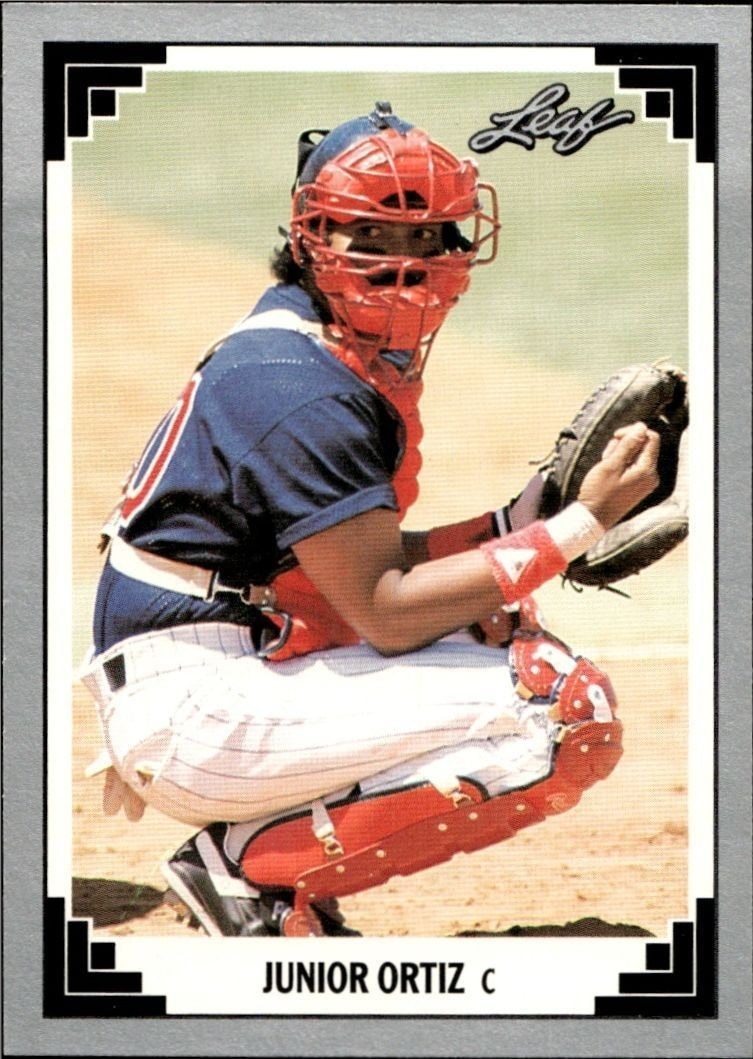
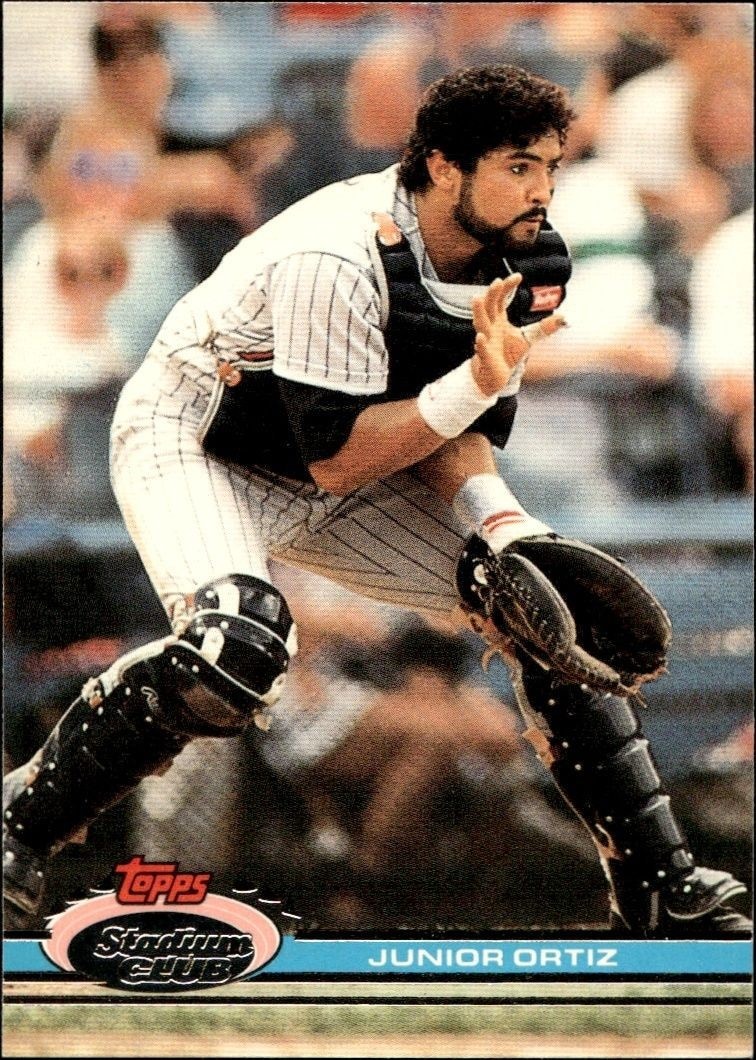
The 1990 Topps Traded Junior Ortiz #85T card captures the Minnesota Twins infielder during the early 1990s MLB season. This vintage sports trading card is a sought-after component for serious collectors building comprehensive sets.
1990 • Topps • Traded
Major League Baseball • Minnesota Twins
Near Mint
85T
New
Shipping Calculated at Checkout
30-day Returns| Condition | Value | Source | Trend | Price Details |
|---|---|---|---|---|
$1.25 | Guide Estimate | 0% | ||
Raw / Ungraded
PriceCharting Price Guide · Guide Estimate evidence · captured Oct 23, 2026
The 1990 Topps Traded Junior Ortiz #85T card serves as a tangible piece of Minnesota Twins history, documenting Ortiz's tenure with the organization during a pivotal era of Major League Baseball. Issued by Topps as part of the Traded series, this release captures the infielder's presence on the diamond following the initial base set distribution. Collectors often seek this card number to complete their vintage baseball collections, appreciating its role in the broader narrative of 1990s sports memorabilia. As a staple of the Traded series, this card reflects the collecting habits of the early 1990s, where updated rosters and mid-season acquisitions were highlighted in separate releases. The design and production values of the 1990 Topps Traded set remain iconic among hobbyists, making cards like #85T essential for those focused on set building. Whether you are a dedicated fan of the Minnesota Twins or a broader vintage baseball enthusiast, adding this product to your collection offers a connection to the players and teams that defined the sport during this time. The enduring appeal of 1990s Topps products lies in their accessibility and the clear documentation they provide of player movements and team compositions. For investors and hobbyists alike, understanding the context of the Traded series enhances the appreciation of individual cards like the Junior Ortiz release. By focusing on the historical significance and set identity, collectors can make informed decisions about their acquisitions. This card represents more than just a trading card; it is a snapshot of a specific moment in baseball history, preserved through the cataloging efforts of Topps and valued by the community of collectors who keep these memories alive.
3 days ago
We'll pre-fill the product details from this catalog entry, so your listing lands on this exact page. Just add photos of your copy, pick its condition, and set your price.
The catalog profile below summarizes the card identity, featured subject, and notable collectible traits.
The core identity of the card within the set.
The subject, team, league, and sport context tied to this card.
Production details and format-specific attributes.
Material
Card Stock
Language
English
Compare prices, grades, photos, and shipping from approved sellers.
New
Near Mint
See how many public collections currently include this card.
0 collectors have this card
This 1990 Topps Traded card of Junior Ortiz represents a value-tier entry point within the broader Minnesota Twins market, reflecting his status as a role player rather than a franchise cornerstone. While the card lacks special parallel variations or premium finishes that typically drive significant price appreciation, it maintains steady demand among collectors focusing on specific team sets from this era. The current pricing reflects the abundance of base-level rookie and early-career cards for players who did not achieve long-term stardom, keeping it accessible for budget-conscious investors.
As a standard base card from the 1990 Topps Traded set, this item does not carry inherent scarcity mechanics such as serial numbering, short-print designations, or one-of-one production limits. Supply is determined primarily by the total print run of the base set, which is generally high for major brands of this period, leading to a robust secondary market inventory. Without specific attributes like refractors or autographs to constrain availability, the card's rarity is defined by its common status within the set hierarchy.
Investment potential is limited by the card's position as a non-rookie, base-issue parallel, which typically sees lower collector demand compared to premier rookie cards or high-end inserts. While the Minnesota Twins heritage provides a baseline of interest, the lack of special attributes means the card is unlikely to outperform the general market for vintage baseball cards. Long-term value retention depends on the stability of the vintage sports card sector rather than any unique scarcity or career-defining milestones associated with this specific issue.