




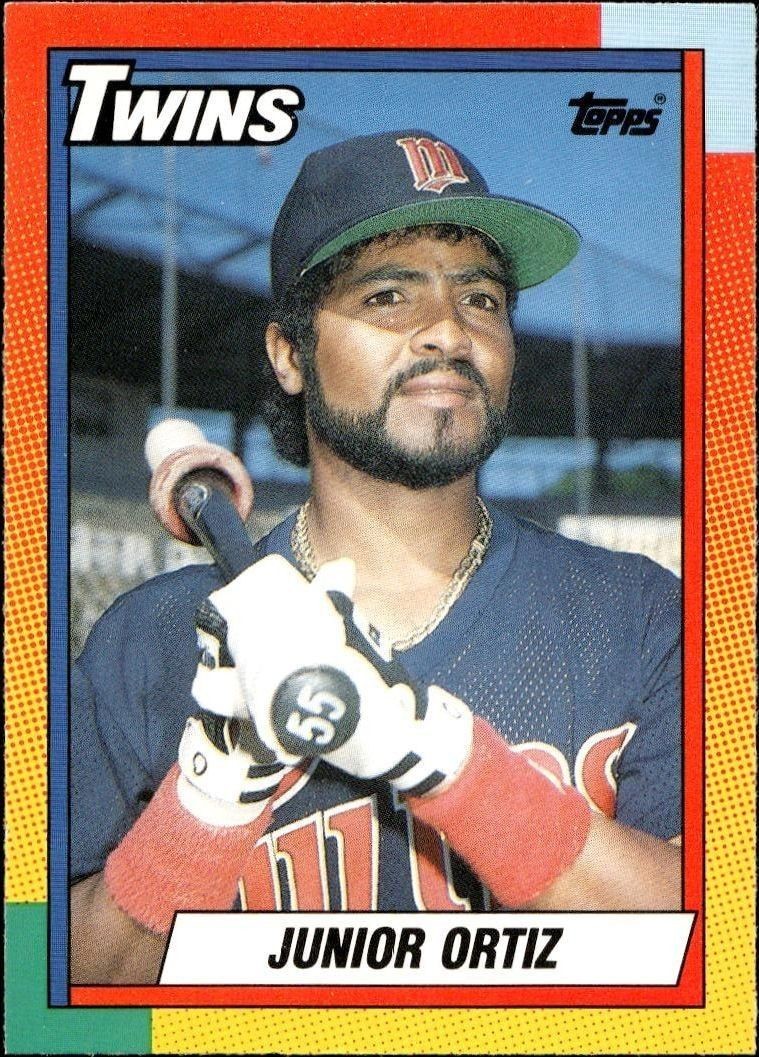

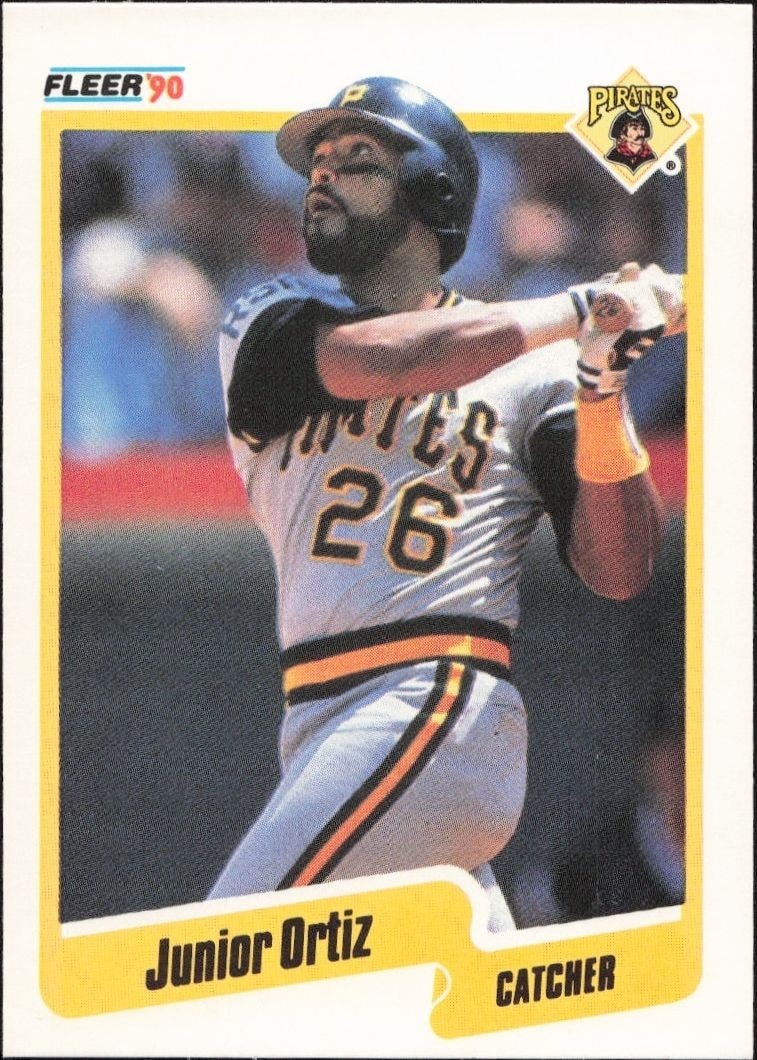
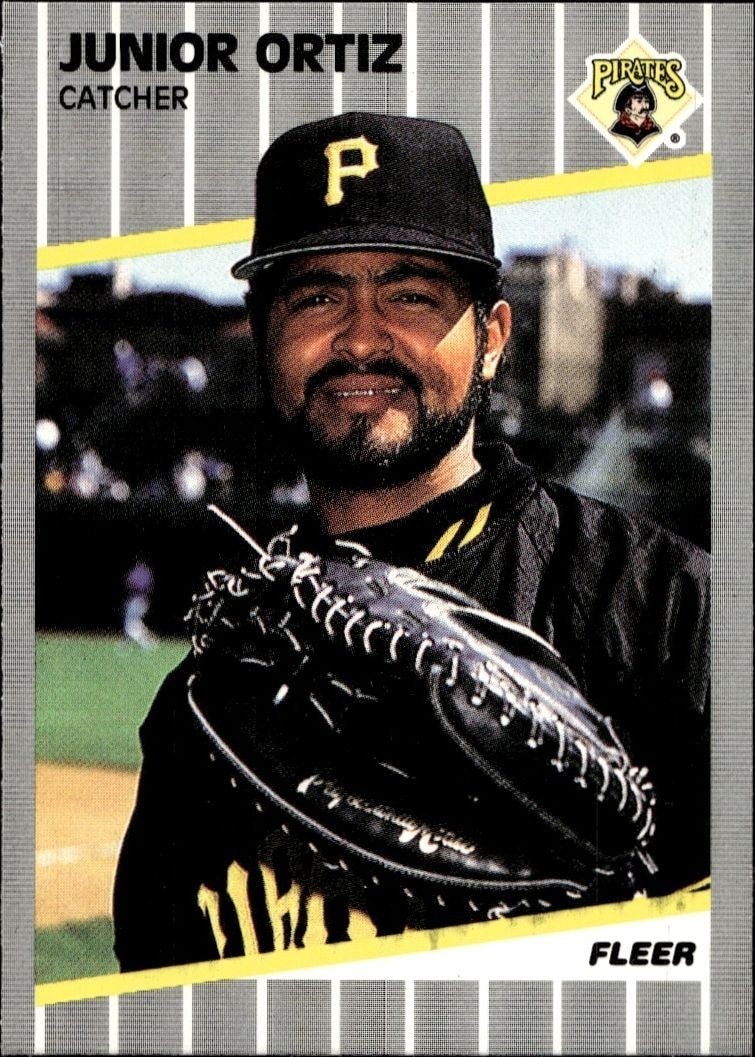
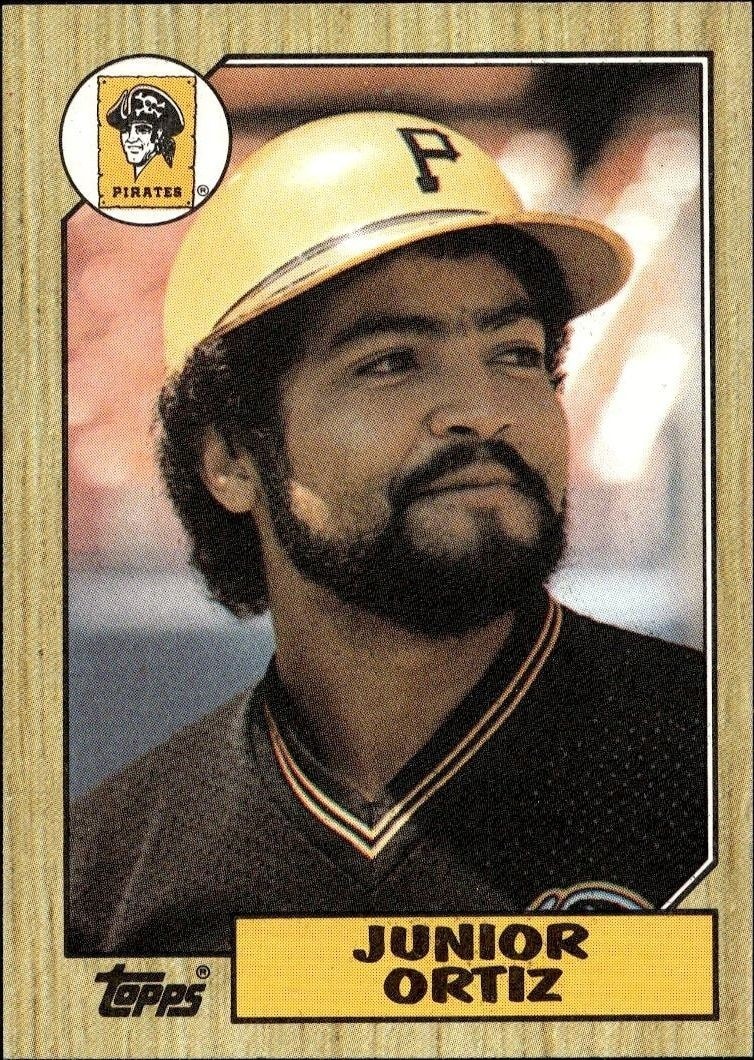
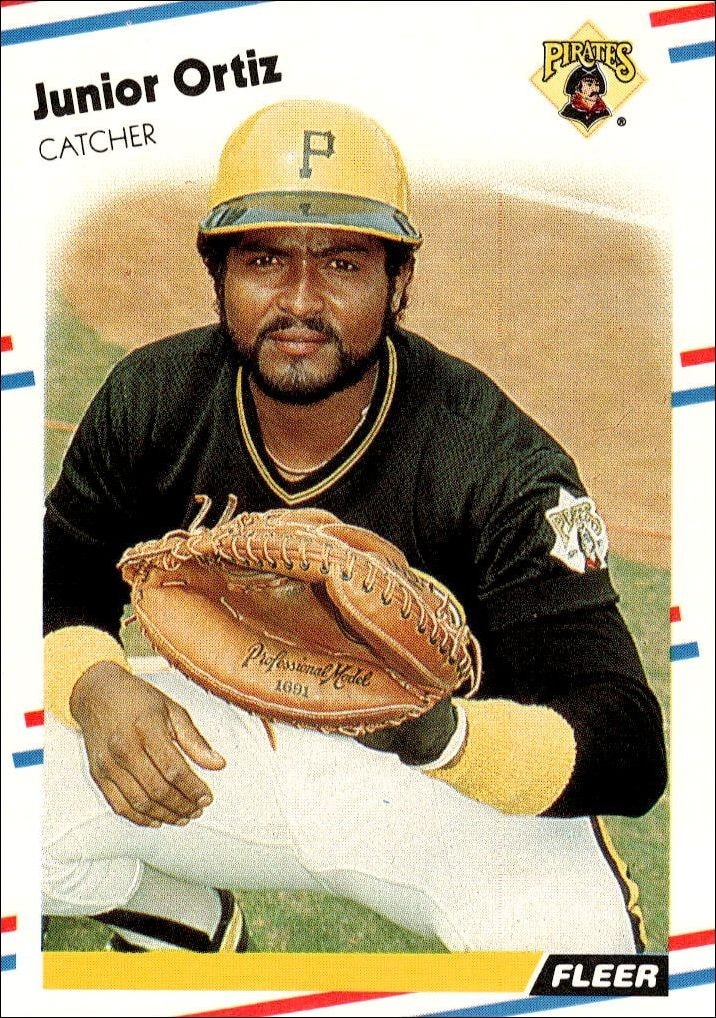
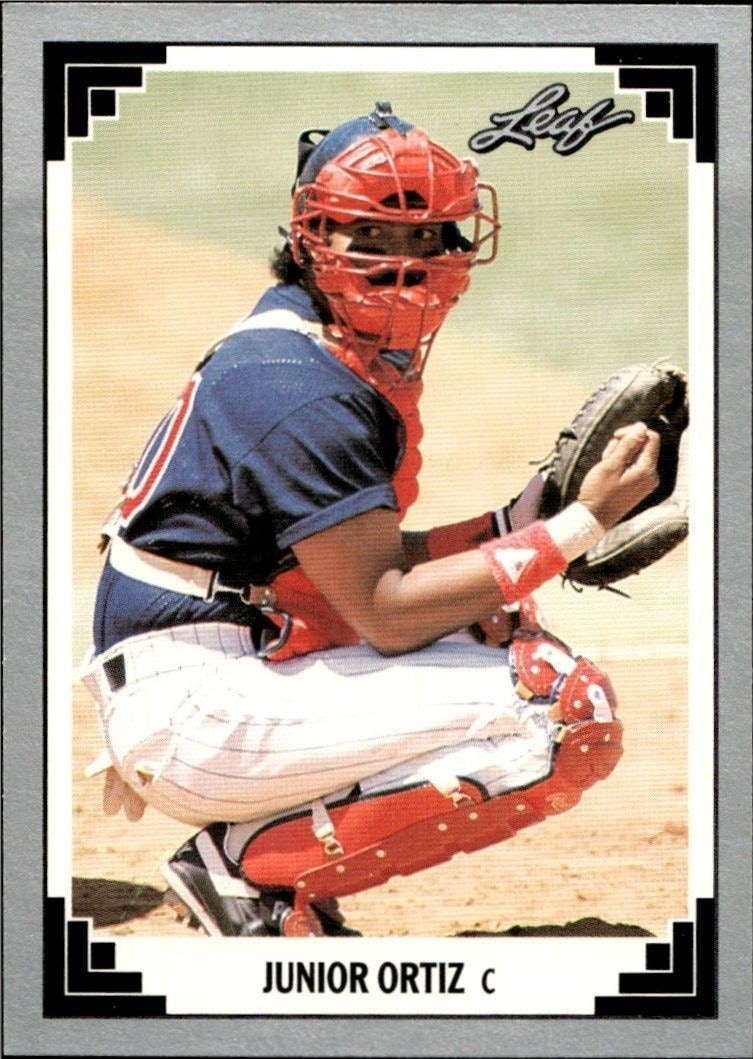
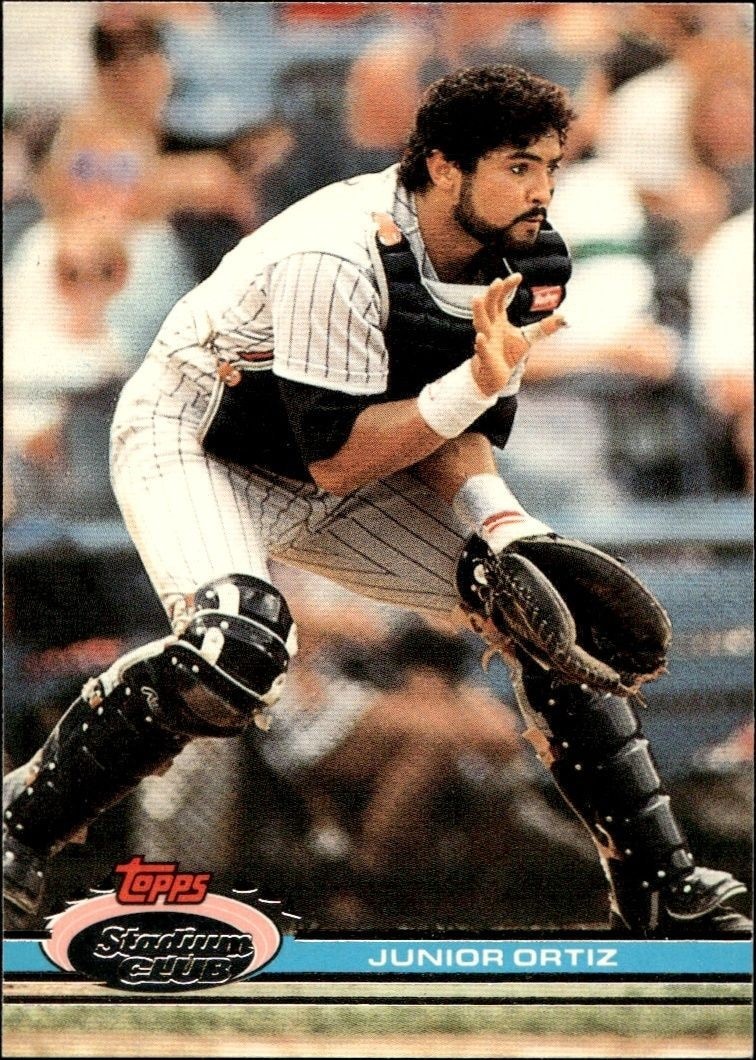
Explore the 1990 Topps baseball card featuring Junior Ortiz, numbered 322. This classic release captures a player from the Pittsburgh Pirates during the 1990 season.
1990 • Topps
Major League Baseball • Pittsburgh Pirates
Excellent
322
New
Shipping Calculated at Checkout
Arrives in 5-7 daysEstimated delivery October 29, 2026 - October 31, 2026
30-day Returns| Condition | Value | Source | Trend | Price Details |
|---|---|---|---|---|
$0.37 | Guide Estimate | 0% | ||
$0.06As of 9/24/2026 | Completed Sales | |||
$1.88 | Guide Estimate | 0% | ||
$19.99 | Guide Estimate | 0% | ||
$29.94 | Guide Estimate | 0% | ||
$33.00 | Guide Estimate | 0% | ||
Raw / Ungraded
PriceCharting Price Guide · Guide Estimate evidence · captured Oct 20, 2026
The 1990 Topps baseball card featuring Junior Ortiz, numbered 322, represents a specific moment in the history of the Pittsburgh Pirates franchise. As a standard issue from the 1990 season, this card is part of the iconic Topps brand's annual release, which remains a cornerstone for vintage sports card collecting. The design reflects the era's aesthetic, providing a tangible connection to the players who wore the Pirates uniform during that time. Collectors often seek out cards from this year to complete base sets or to focus on individual player portfolios. Junior Ortiz's appearance in the 1990 Topps set offers a glimpse into the team's roster during a pivotal period. For investors and hobbyists alike, cards from the early 1990s are valued for their historical significance and the nostalgia they evoke. The card serves as a catalog entry for Ortiz's career, documenting his association with the Pirates. When evaluating cards from the 1990 Topps series, collectors typically look for the integrity of the card number and the clarity of the player identification. This product provides access to the standard version of card 322, allowing enthusiasts to build their collections with confidence in the product's authenticity and historical context. Whether you are a long-time collector of Pittsburgh Pirates memorabilia or a newcomer to the hobby, this card offers a direct link to the 1990 baseball landscape. The enduring appeal of 1990s baseball cards lies in their design simplicity and the rich history they represent. Junior Ortiz's card is a notable entry for those tracking the careers of players from that era. By acquiring this piece, you are adding a verified component of the 1990 Topps set to your collection, ensuring that your portfolio reflects the depth and variety of the sport's recent past.
3 days ago
We'll pre-fill the product details from this catalog entry, so your listing lands on this exact page. Just add photos of your copy, pick its condition, and set your price.
The catalog profile below summarizes the card identity, featured subject, and notable collectible traits.
The subject, team, league, and sport context tied to this card.
Production details and format-specific attributes.
Material
Card Stock
Language
English
Compare prices, grades, photos, and shipping from approved sellers.
New
Excellent
See how many public collections currently include this card.
0 collectors have this card
This 1990 Topps card of Junior Ortiz sits at the very bottom of the price tier, reflecting its status as a common base card from a mass-produced set. The current market value indicates minimal premium, as the card lacks any special inserts or variations that typically drive collector interest for players of his tenure. It trades well below the market average for key players, serving primarily as a fill-in for complete set collectors rather than a standalone investment piece.
The card possesses no special scarcity attributes, existing as a standard base card within the 1990 Topps baseball set. Without serial numbering, short-print status, or parallel foil treatments, the supply is effectively unlimited relative to the total print run. This lack of distinguishing features means the card's scarcity is defined solely by its age and condition, rather than any intentional production limitation.
As a non-rookie base card from a high-volume set, the collector demand drivers are limited to basic set completion needs. The absence of rookie card status or special parallels suggests stagnant growth potential, with value largely dependent on general vintage baseball market trends. Investors should view this as a low-risk, low-reward asset suitable for filling gaps rather than appreciating significantly over time.
