

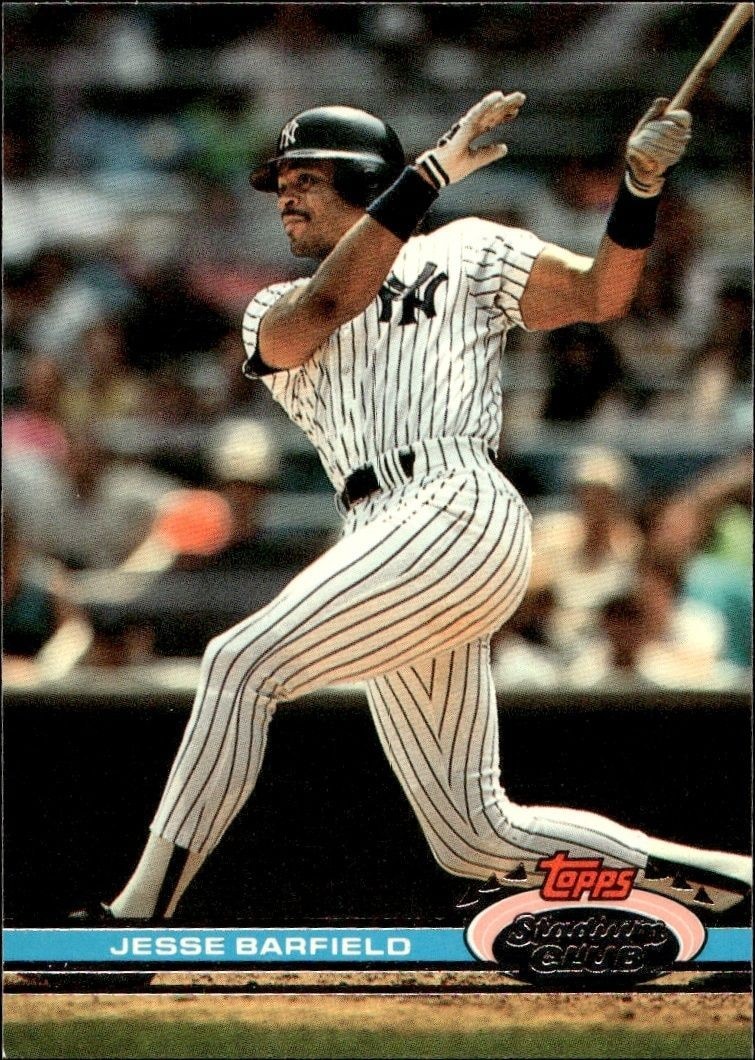
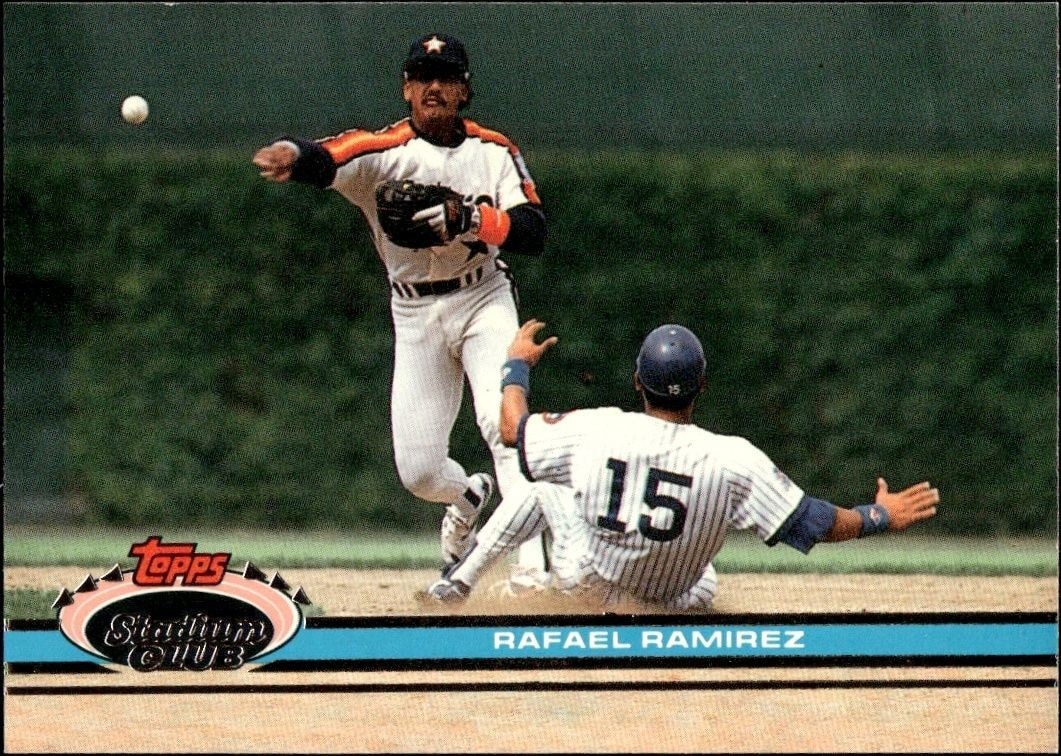
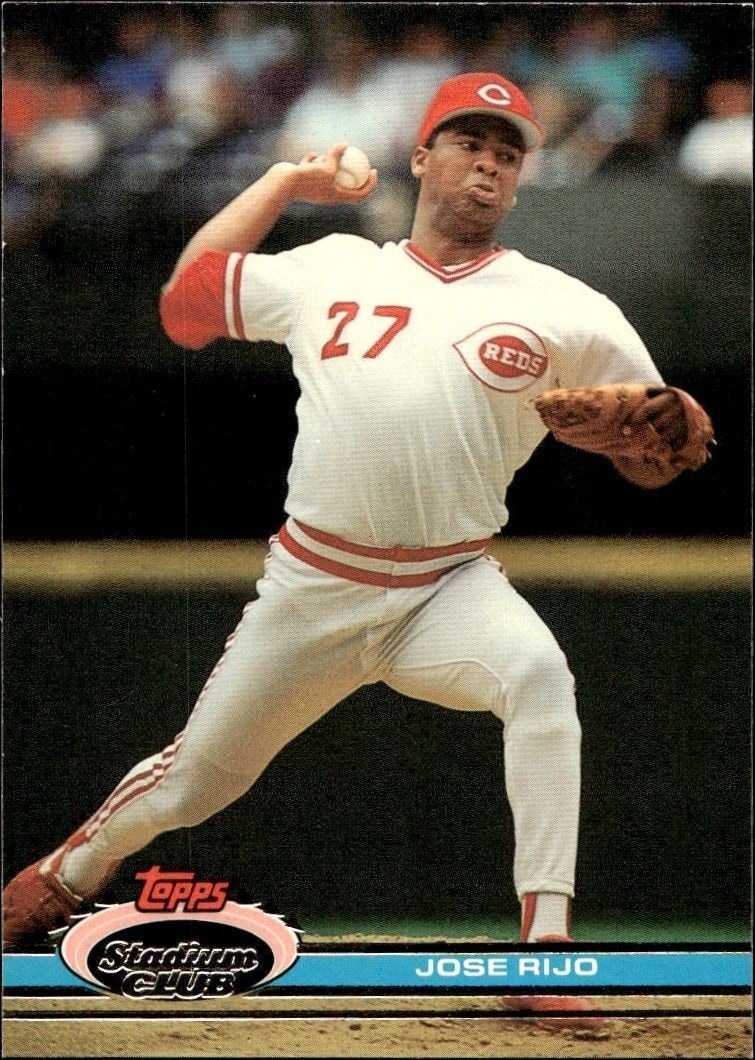
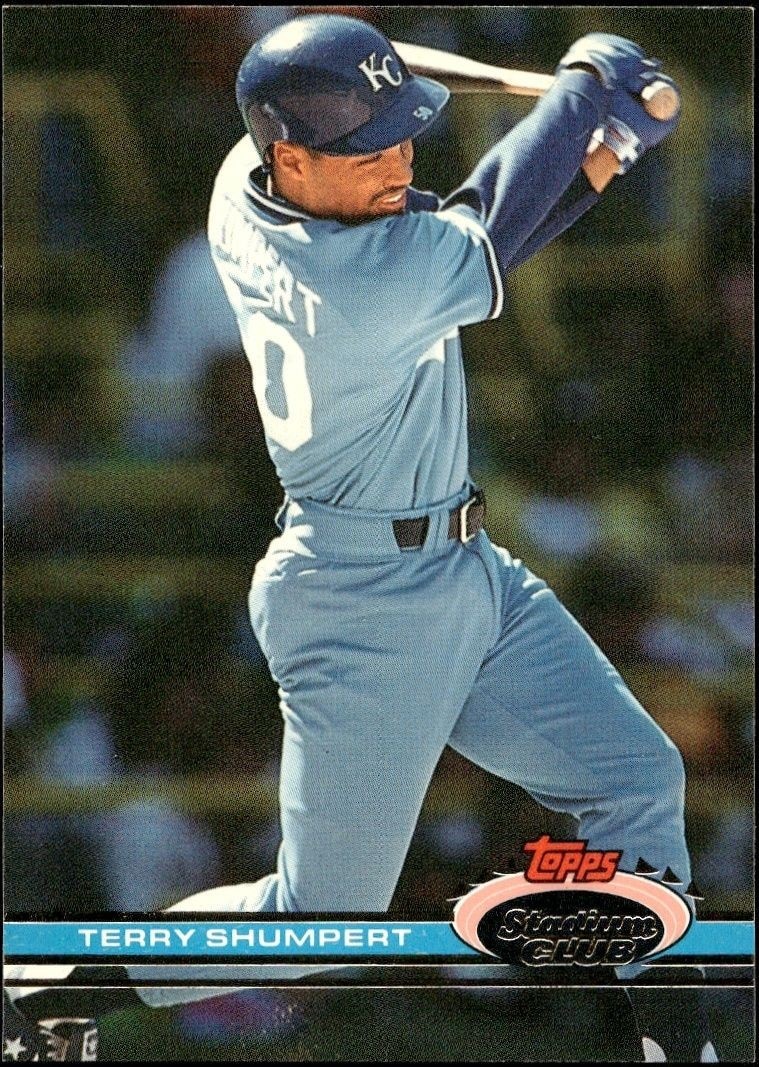
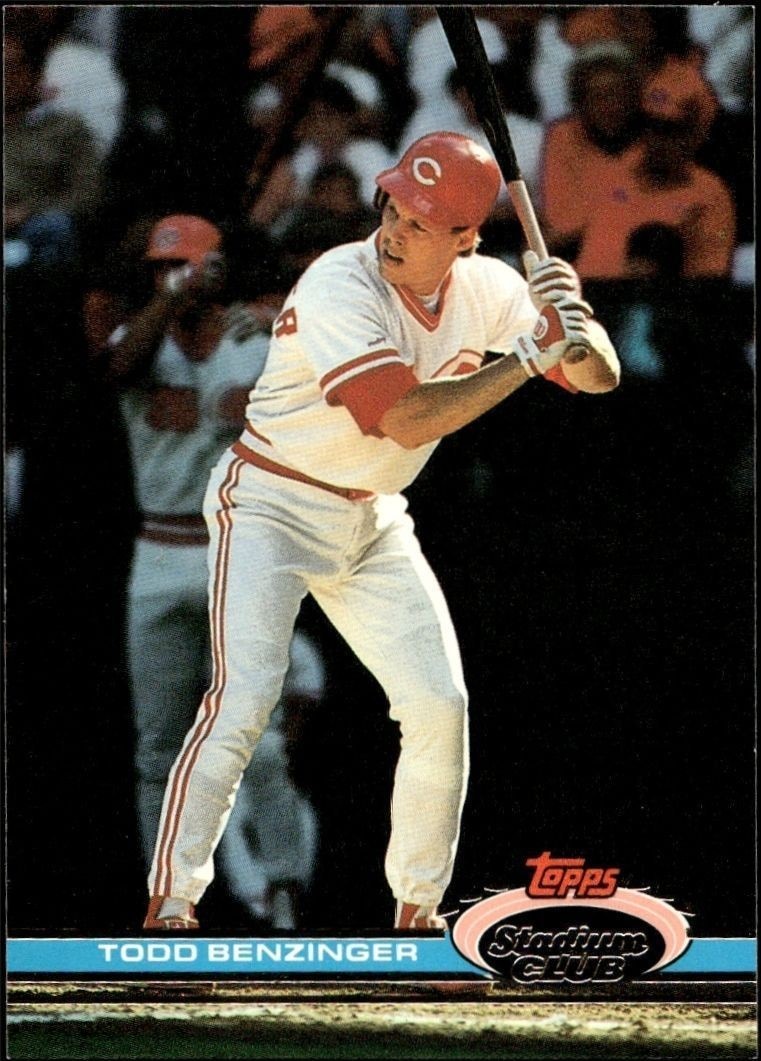
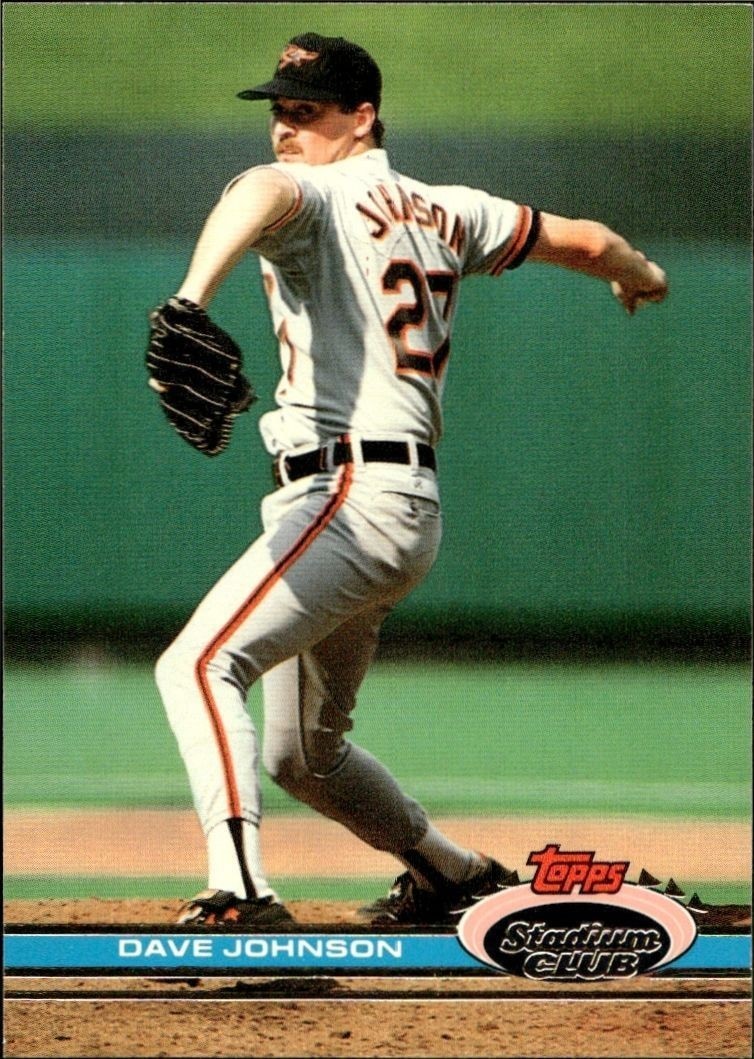
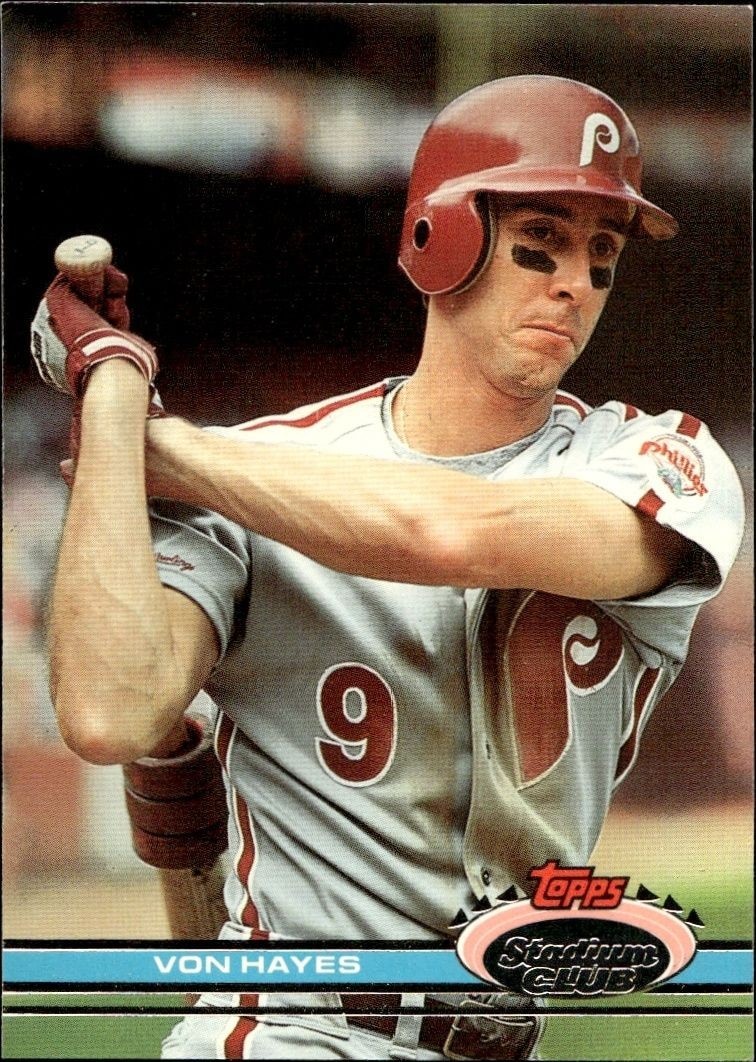
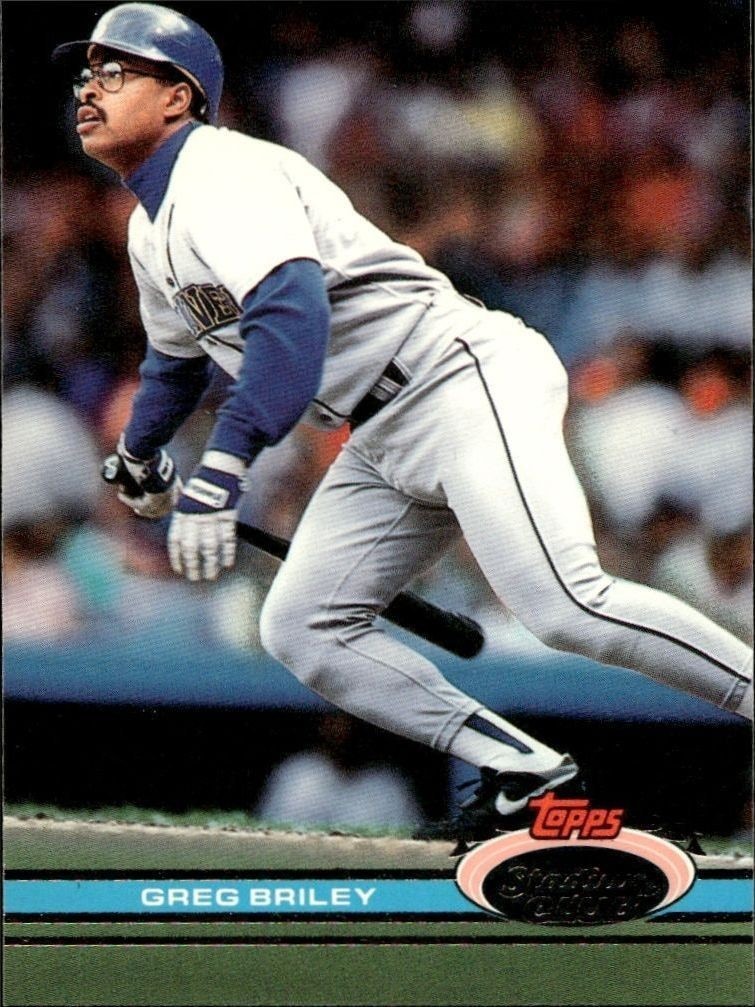


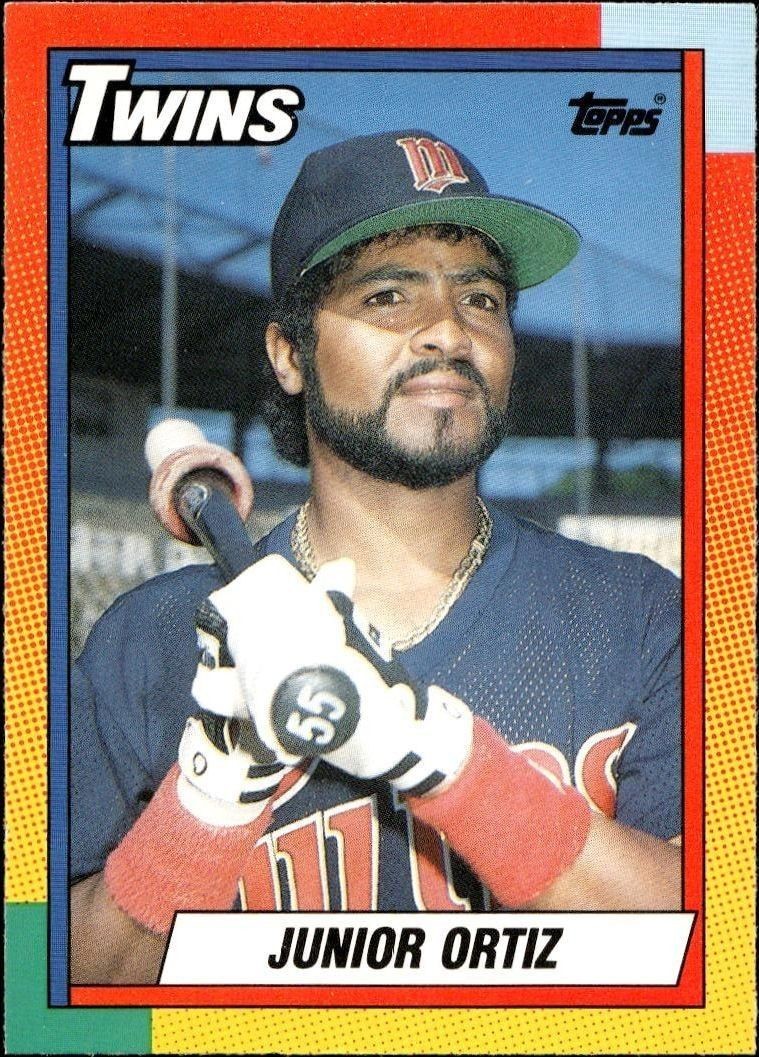

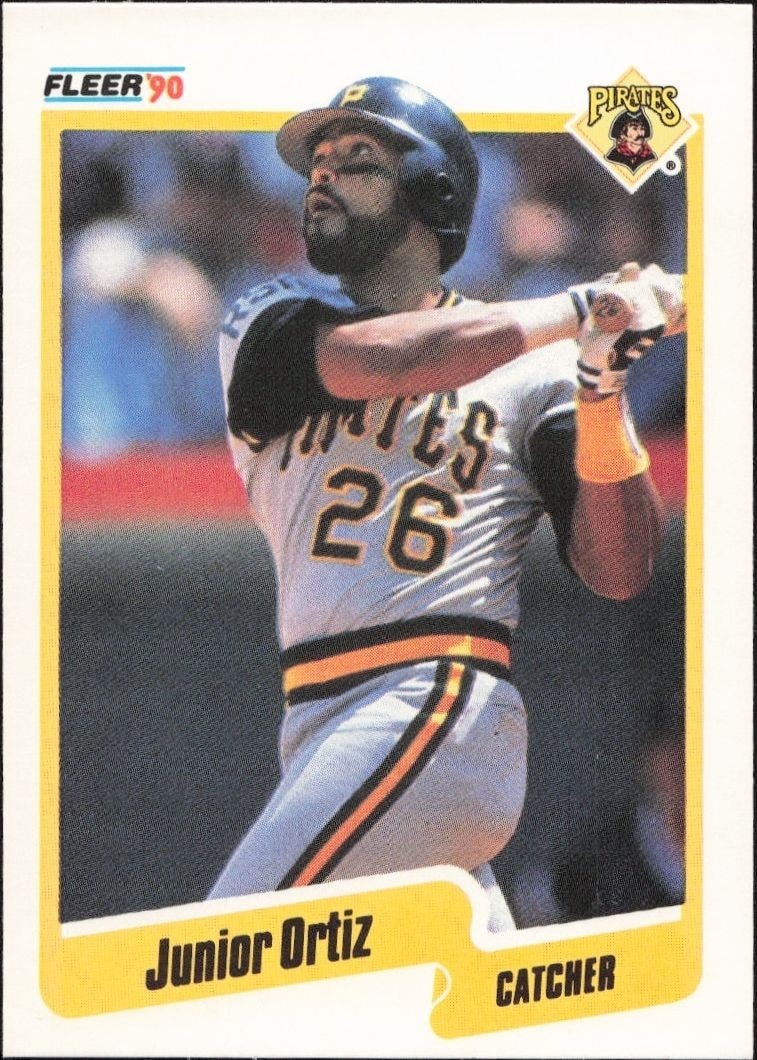
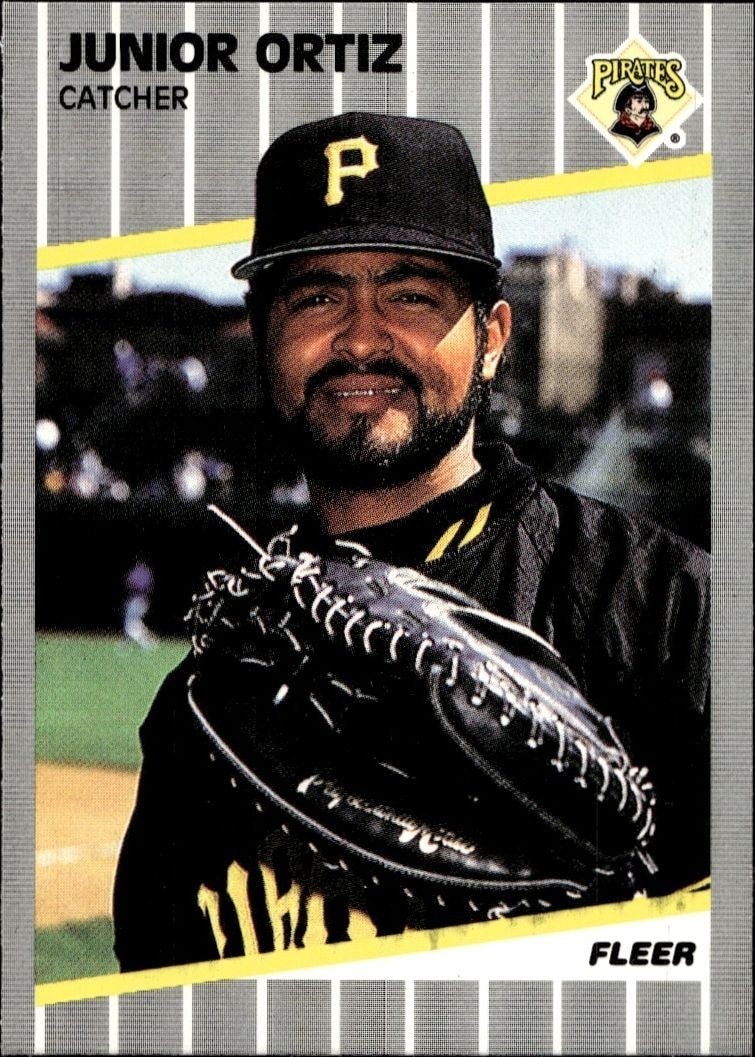
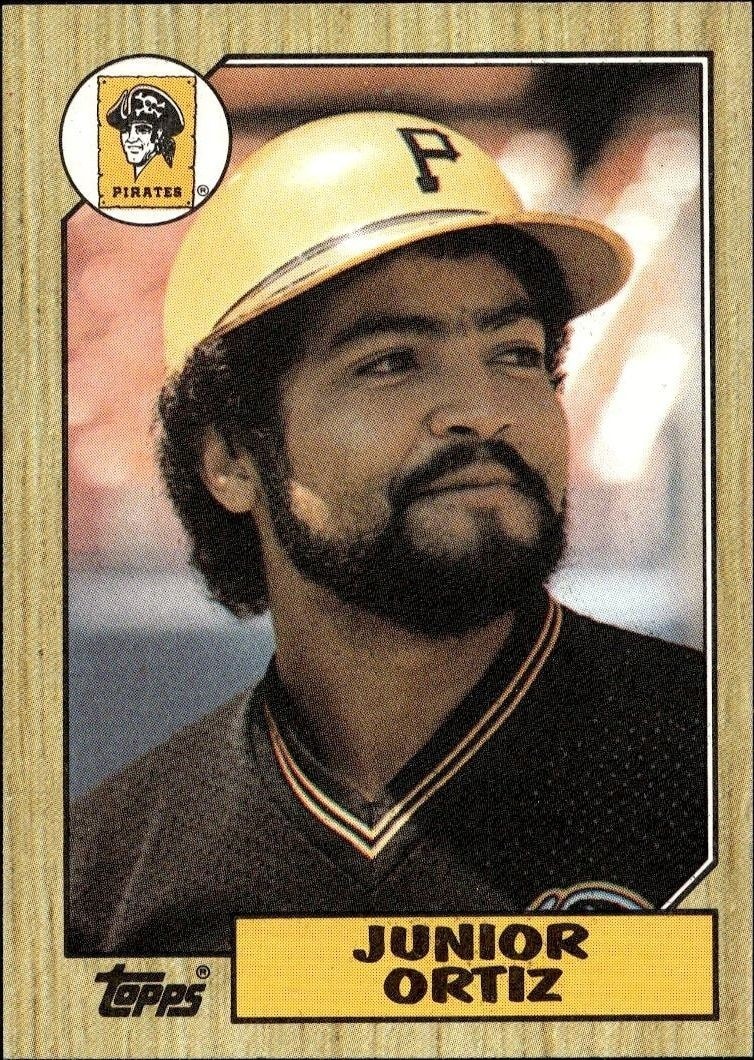
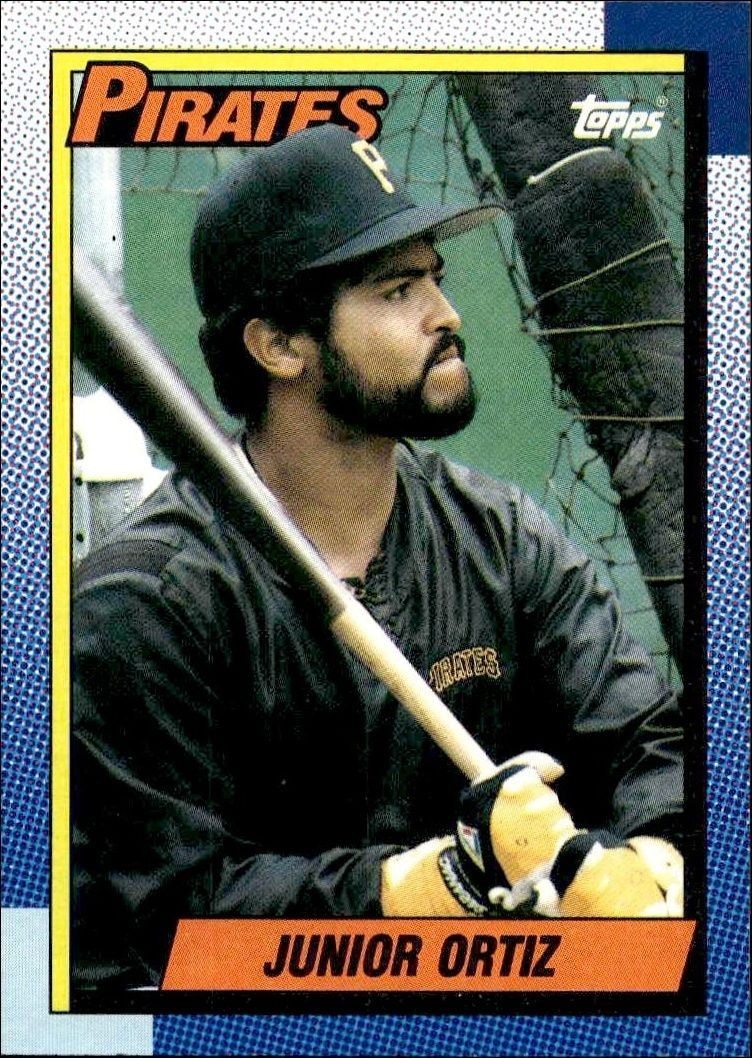
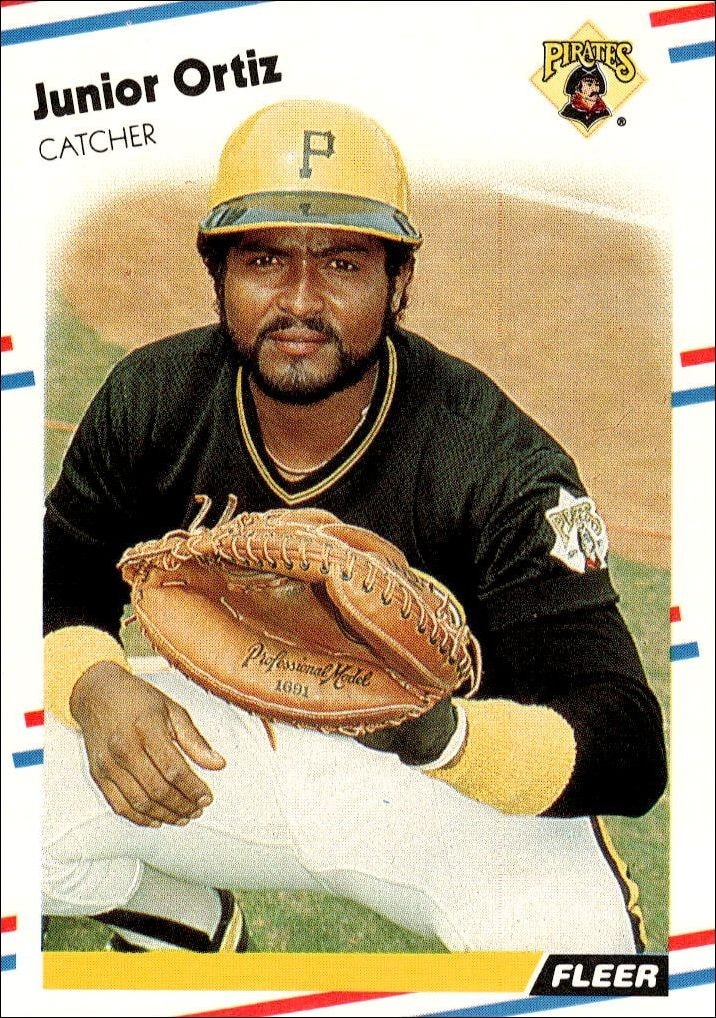
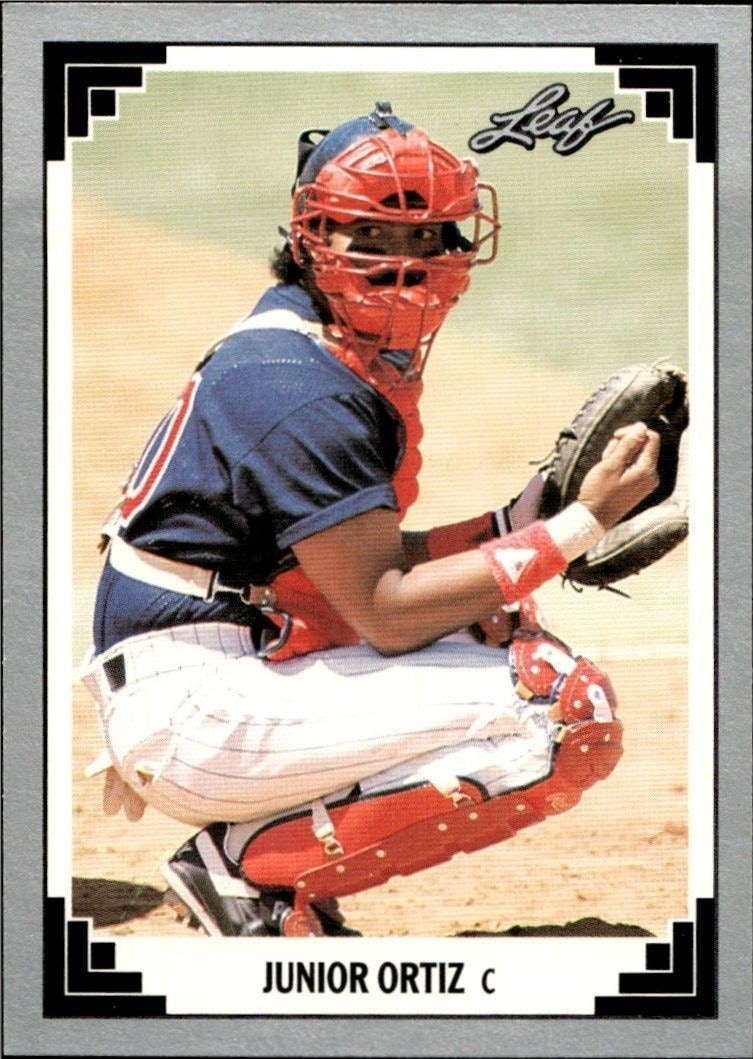
The 1991 Topps Stadium Club card featuring Junior Ortiz, numbered 13, representing his time with the Minnesota Twins in Major League Baseball.
1991 • Topps • Stadium Club
Major League Baseball • Minnesota Twins
Near Mint
13
New
Shipping Calculated at Checkout
Arrives in 4-6 daysEstimated delivery November 12, 2026 - November 14, 2026
30-day Returns| Condition | Value | Source | Trend | Price Details |
|---|---|---|---|---|
$1.57As of 10/15/2026 | Guide Estimate | |||
$32.00As of 10/15/2026 | Guide Estimate | |||
$15.00As of 10/15/2026 | Guide Estimate | |||
$24.39As of 10/15/2026 | Guide Estimate | |||
$15.00As of 10/15/2026 | Guide Estimate | |||
Raw / Ungraded
PriceCharting Price Guide · Guide Estimate evidence · captured Oct 16, 2026
History is building. At least two days of matching observations are needed to show a trend.
Each point is the last stored observation that day for this printing, condition, grader, autograph status and source. Gaps mean no observation; guide estimates and asking prices are not completed sales.This 1991 Topps Stadium Club card features Junior Ortiz, who played for the Minnesota Twins. Identified by card number 13, this sports trading card captures Ortiz during his tenure in Major League Baseball. Junior Ortiz is the central figure on card 13, providing a tangible connection to his performances with the Minnesota Twins. As a product of the 1991 Topps Stadium Club series, this card serves as a historical artifact of his career in the league. The design and layout are characteristic of the 1991 Topps brand, offering a consistent visual identity across the entire set. For those interested in the history of the Minnesota Twins or the 1991 MLB season, this card provides a direct link to that period. Junior Ortiz's inclusion on card 13 makes it a distinct item for collectors focusing on player-specific acquisitions. Understanding the context of the 1991 Topps Stadium Club series helps collectors appreciate the place of this card within the larger landscape of baseball memorabilia.
13 hours ago
We'll pre-fill the product details from this catalog entry, so your listing lands on this exact page. Just add photos of your copy, pick its condition, and set your price.
The catalog profile below summarizes the card identity, featured subject, and notable collectible traits.
The core identity of the card within the set.
The subject, team, league, and sport context tied to this card.
Production details and format-specific attributes.
Material
Card Stock
Language
English
Compare prices, grades, photos, and shipping from approved sellers.
New
Near Mint
See how many public collections currently include this card.
0 collectors have this card
FAQ
Junior Ortiz played for the Minnesota Twins when this card was produced. The 1991 Topps Stadium Club set features players from various teams across Major League Baseball, with Ortiz representing the Twins.
Junior Ortiz is card number 13 in the 1991 Topps Stadium Club series. This numbering system helps collectors identify and organize their sets efficiently.
Yes, the 1991 Topps Stadium Club set is considered a vintage baseball card collection. Released over three decades ago, it holds historical significance for collectors of early 1990s sports memorabilia.
This 1991 Topps Stadium Club card of Junior Ortiz represents a baseline market tier, reflecting its status as a standard issue from the early 90s baseball boom. As a non-premium parallel or insert, it trades at the lower end of the spectrum compared to rookie cards or autographed variants of the same player. The current pricing suggests a stable, accessible entry point for collectors focused on team completeness rather than individual player speculation.
The card possesses no special scarcity attributes, such as serial numbering, short-print designations, or one-of-one status, meaning it was produced in standard volume. Its rarity is defined solely by its age and the general attrition rate of mass-produced cards from the 1991 era. Consequently, supply is determined by the remaining population of ungraded or low-grade copies in circulation.
With no rookie card designation or unique parallel features, the investment potential is limited to modest appreciation driven by nostalgia for the 1990s era. Demand is likely sustained by collectors seeking to fill gaps in Minnesota Twins or 1991 set completions rather than speculative growth. Long-term value will remain tied to the general health of the vintage baseball market rather than individual player performance metrics.
