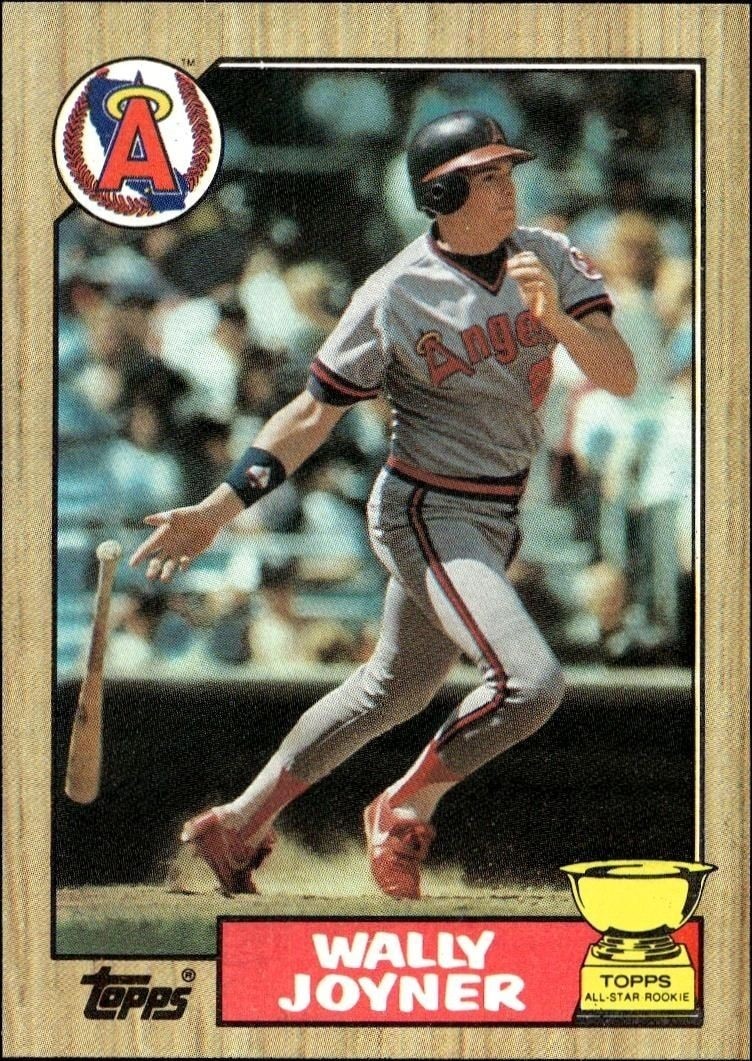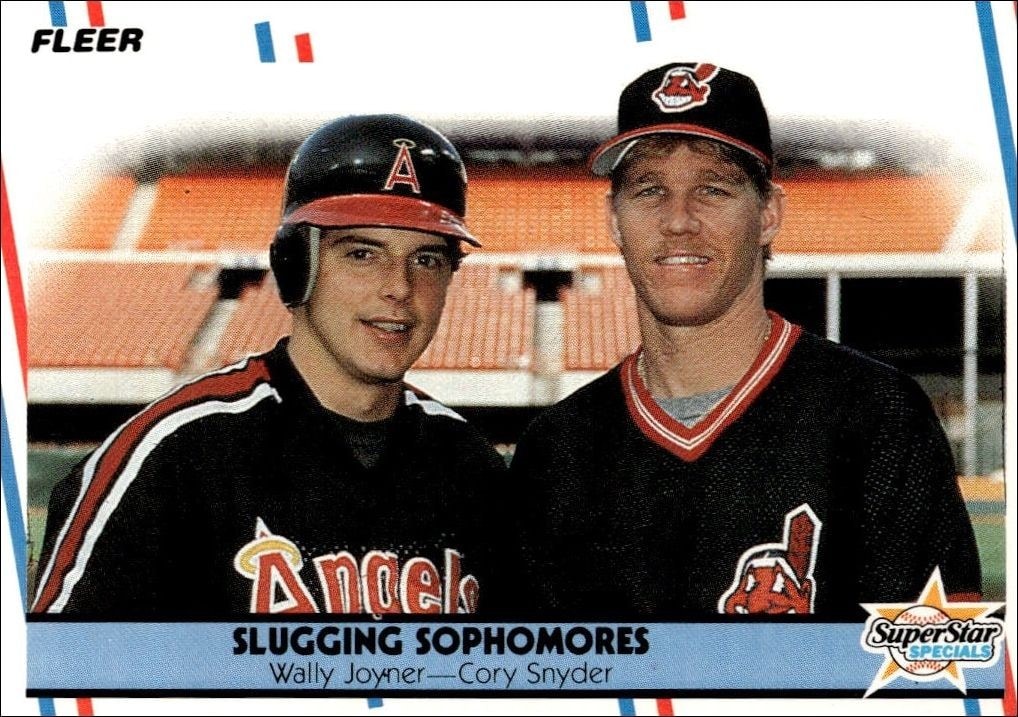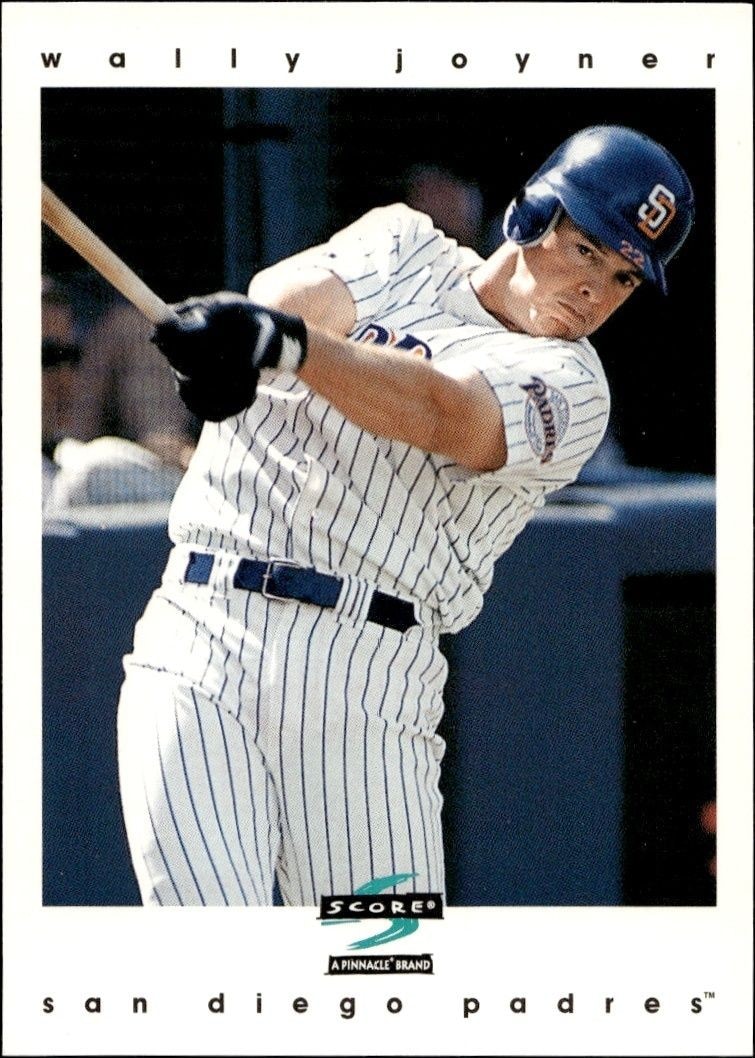




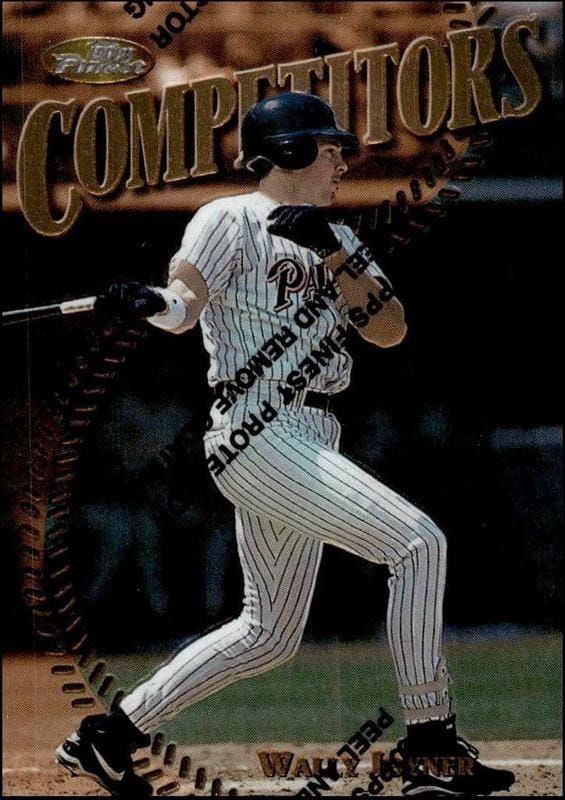

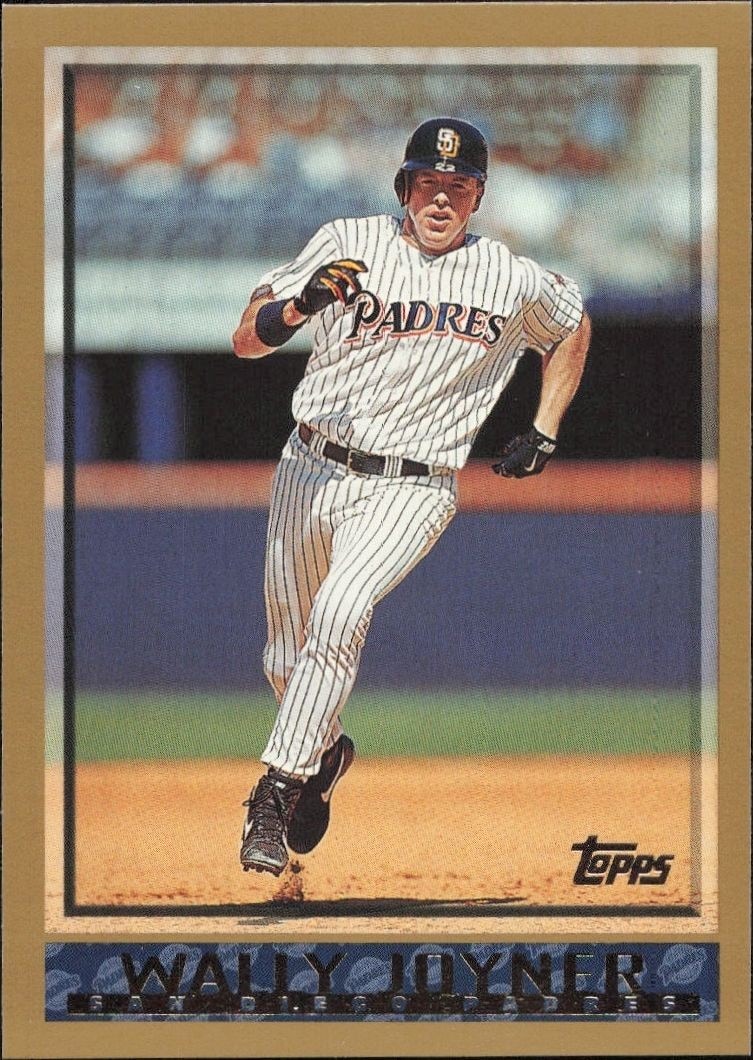
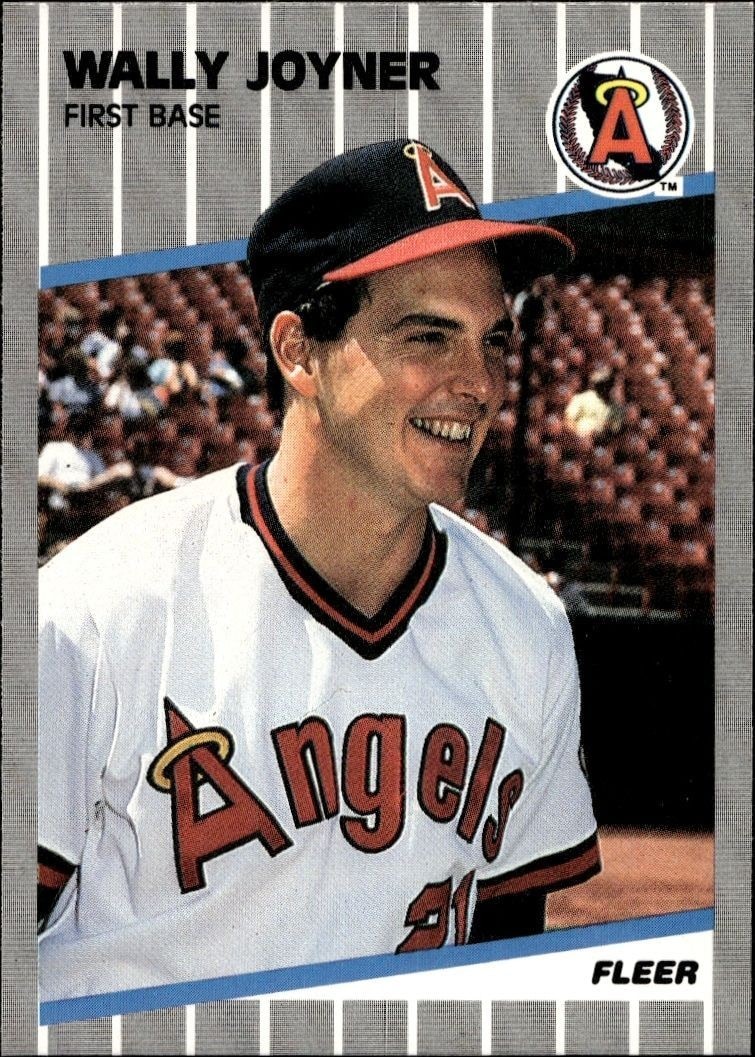
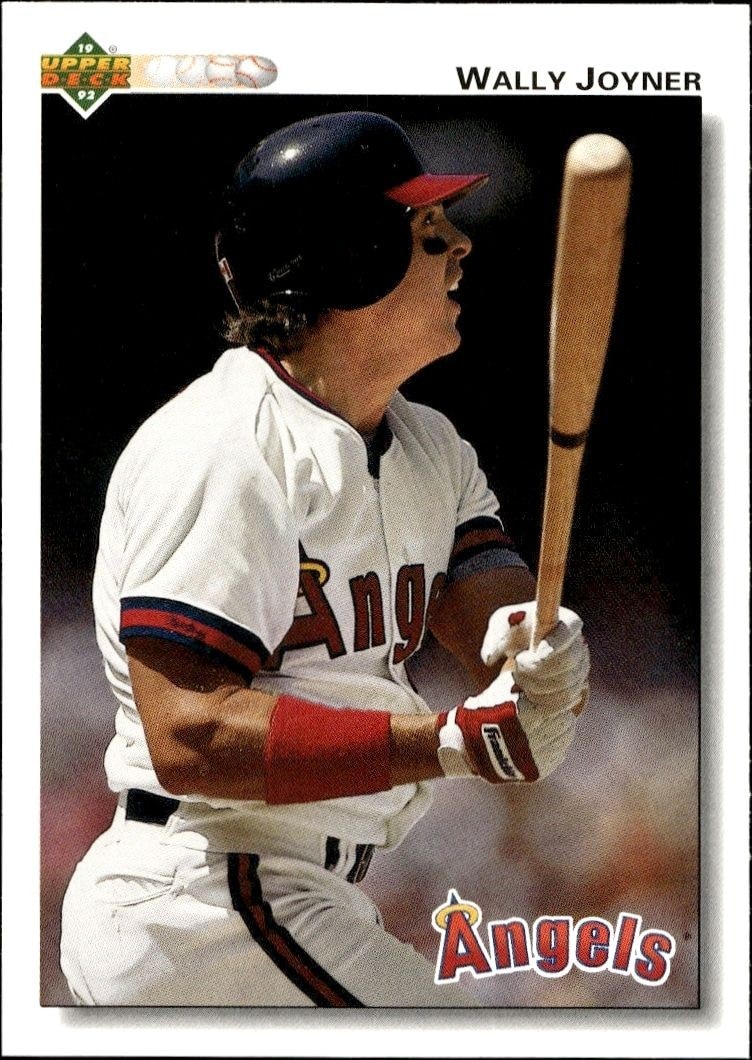

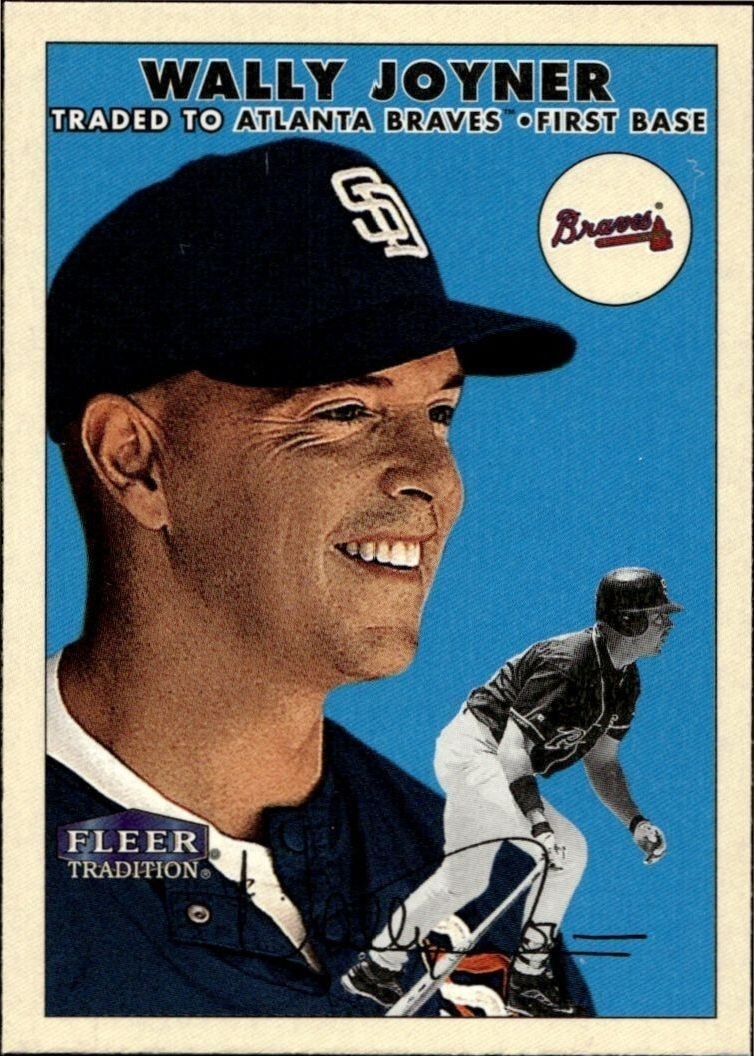
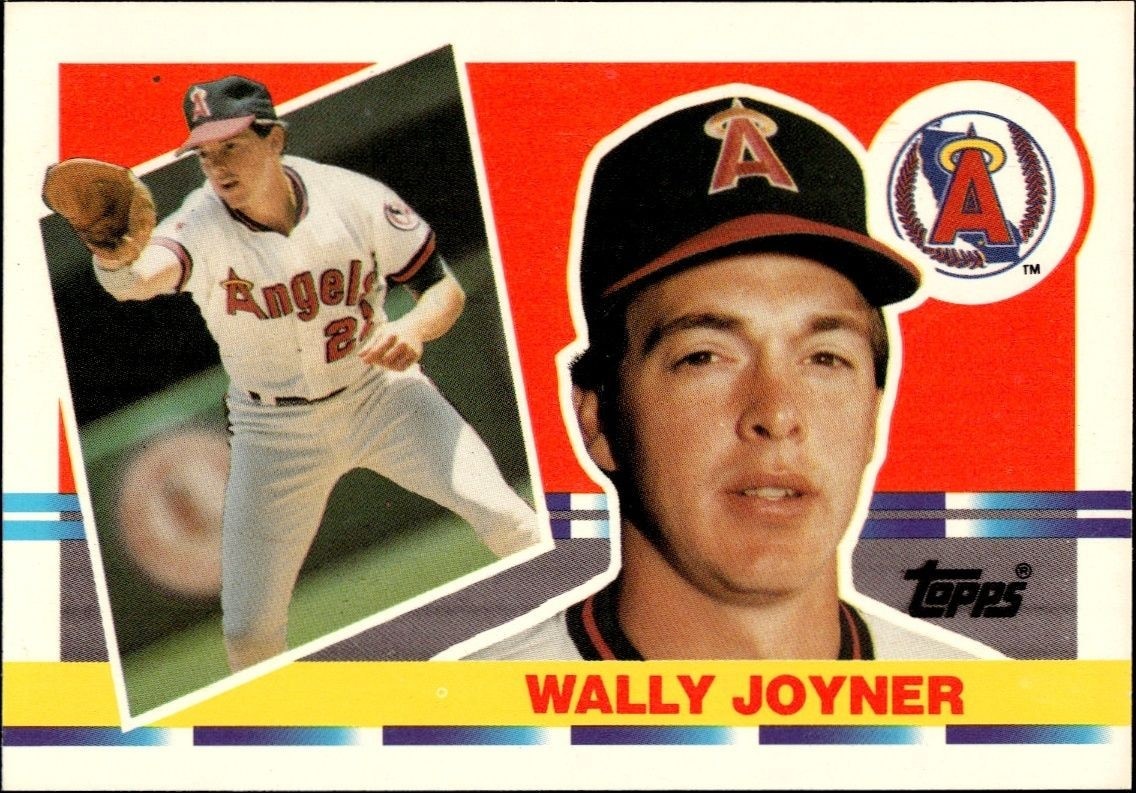
Shop the 1990 Topps Wally Joyner #525 baseball card on SuperCatch. This product represents the standard issue from the 1990 Topps set.
1990 • Topps
Major League Baseball • Los Angeles Angels
Excellent
525
New
Shipping Calculated at Checkout
Arrives in 4-6 daysEstimated delivery October 24, 2026 - October 26, 2026
30-day Returns| Condition | Value | Source | Trend | Price Details |
|---|---|---|---|---|
$1.28 | Guide Estimate | 0% | ||
$4.37 | Guide Estimate | -17.2% | ||
$7.27 | Guide Estimate | 0% | ||
$8.00 | Guide Estimate | 0% | ||
$66.00 | Guide Estimate | 0% | ||
$31.00 | Guide Estimate | 0% | ||
$50.94 | Guide Estimate | -0.2% | ||
$31.00 | Guide Estimate | 0% | ||
Raw / Ungraded
PriceCharting Price Guide · Guide Estimate evidence · captured Oct 16, 2026
The 1990 Topps Wally Joyner #525 baseball card captures a specific moment in Major League Baseball history during his tenure with the Los Angeles Angels. Released by Topps in 1990, this card is part of the company's flagship annual series, which remains one of the most recognizable and widely collected baseball card products in the hobby. Collectors often seek out cards from this era to complete base sets or to focus on players who defined the late 1980s and early 1990s MLB landscape. Wally Joyner was a prominent first baseman during this period, and his inclusion in the 1990 Topps lineup makes this card a standard reference point for vintage baseball enthusiasts. The card number 525 places it within the main checklist, distinguishing it from inserts or parallel variations that might carry different design treatments or scarcity levels. For those building a comprehensive collection of 1990 Topps releases, this card serves as an essential component of the base set. Whether you are a long-time collector focusing on the Angels franchise or someone exploring the broader history of MLB through its trading card archives, this product represents a tangible link to that era of the sport. Collectors interested in the 1990s baseball card boom will find this product particularly relevant. It reflects the design standards and player rosters of that specific year, offering a snapshot of Joyner's career while wearing the Angels uniform. As with all vintage sports cards, the condition and centering of individual copies can vary, but the catalog identity remains consistent across all listings under this product page. ## Sources - Topps 1990 Baseball Card Set Overview —.topps.com
10 hours ago
We'll pre-fill the product details from this catalog entry, so your listing lands on this exact page. Just add photos of your copy, pick its condition, and set your price.
The catalog profile below summarizes the card identity, featured subject, and notable collectible traits.
The subject, team, league, and sport context tied to this card.
Production details and format-specific attributes.
Material
Card Stock
Language
English
Compare prices, grades, photos, and shipping from approved sellers.
New
Excellent
See how many public collections currently include this card.
0 collectors have this card
This 1990 Topps base card represents an entry-level tier for Wally Joyner, trading at a modest premium typical for accessible major league players from this era. While Joyner holds a solid place in Angels history, the absence of special parallels or rookie designation keeps this specific issue grounded in the general market. It serves as a foundational piece for broad set collectors rather than commanding the high-tier valuations seen with star rookies or inserts.
As a standard base card from the 1990 Topps set, this item carries no inherent scarcity mechanics such as serial numbering, short printing, or parallel variations. The supply is determined by the original mass production run of the base set, making it widely available to collectors. Consequently, the card's value is driven by condition and player demand rather than limited supply constraints.
Investment potential for this specific card is limited by its status as a non-rookie, base issue, which typically lacks the exponential growth drivers seen in early-career parallels. Demand is sustained primarily by nostalgia and the need to complete basic set runs rather than speculative interest in the player's career trajectory. Collectors should view this as a low-cost acquisition for variety rather than a high-growth asset.