



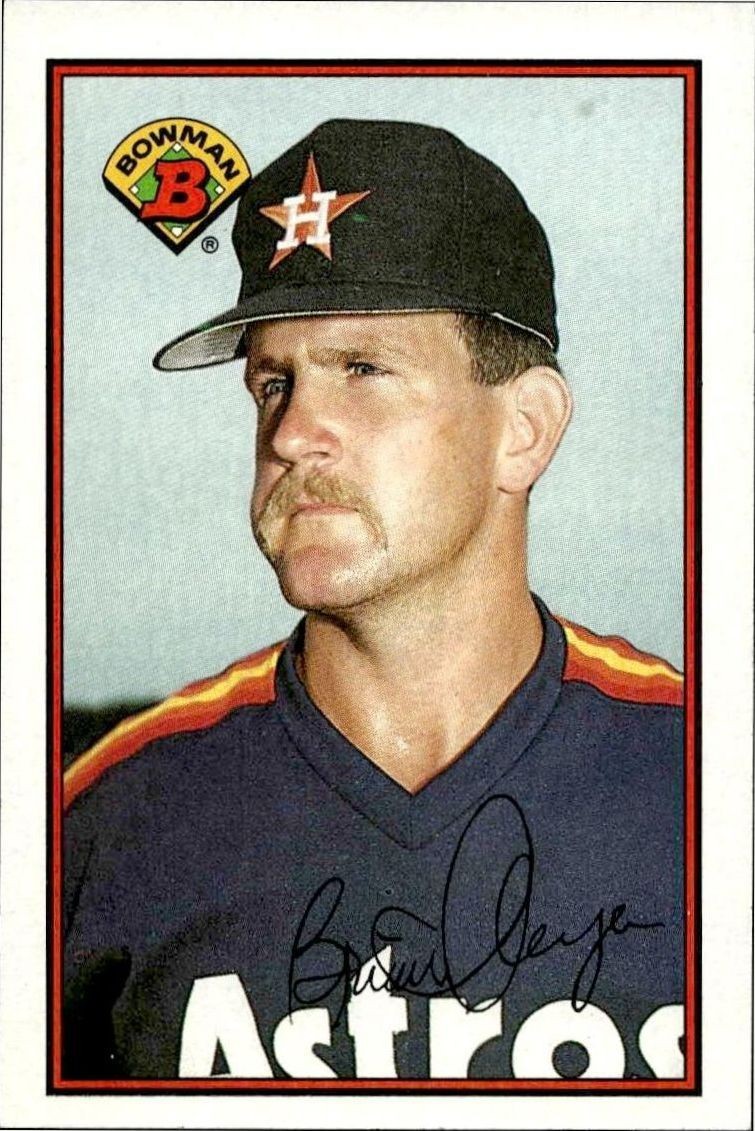
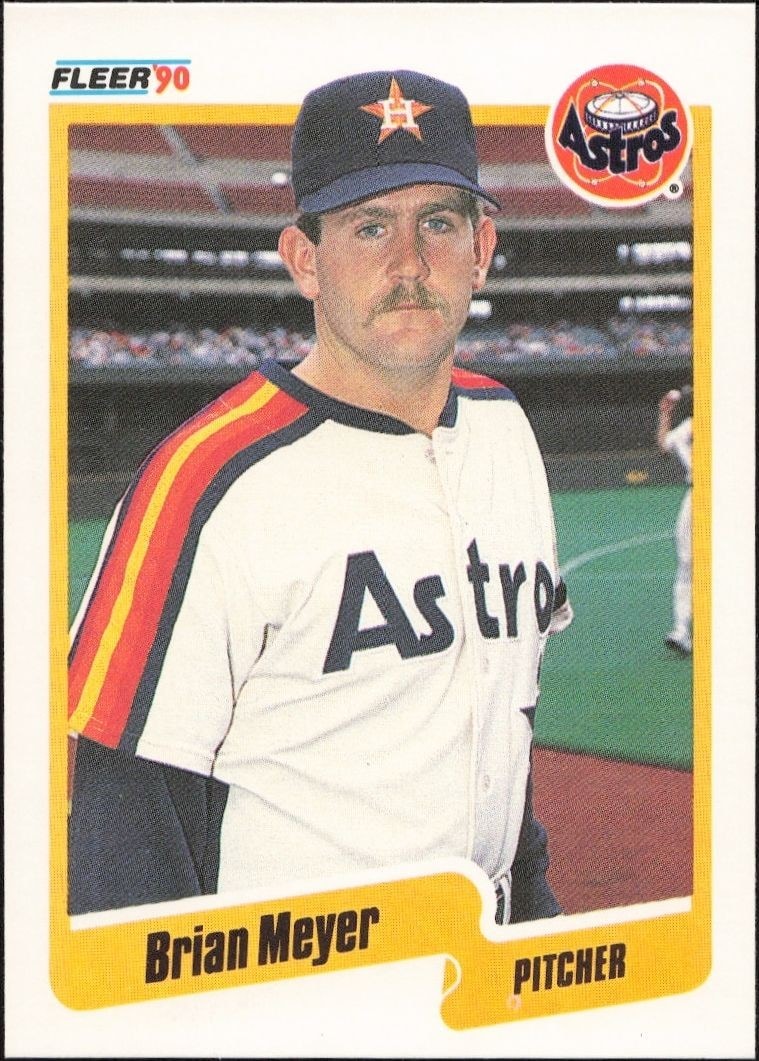
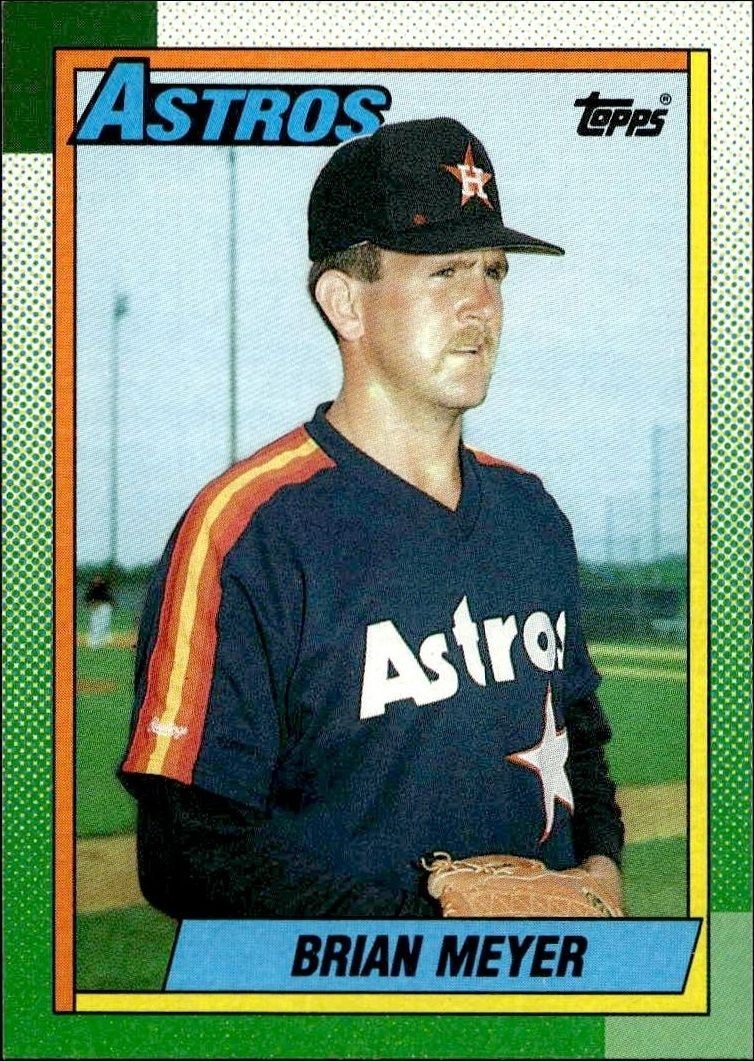
Explore the 1991 Fleer Brian Meyer #510 baseball card, featuring the Houston Astros prospect in one of Fleer's first major baseball releases.
1991 • Fleer
Major League Baseball • Houston Astros
Excellent
510
New
Shipping Calculated at Checkout
This seller is away until 10/19/2026 — orders are still accepted and ship after they return.30-day Returns| Condition | Value | Source | Trend | Price Details |
|---|---|---|---|---|
$1.32As of 9/26/2026 | Asking Prices | |||
$1.40As of 4/13/2026 | Evidence Type Unavailable | |||
Raw / Ungraded
eBay Active Listings · Asking Prices evidence · captured Sep 26, 2026
History is building. At least two days of matching observations are needed to show a trend.
Each point is the last stored observation that day for this printing, condition, grader, autograph status and source. Gaps mean no observation; guide estimates and asking prices are not completed sales.The 1991 Fleer Brian Meyer #510 card captures a specific moment in baseball history, marking the debut of Fleer as a primary manufacturer of major league baseball cards after years of limited presence. For collectors, this card represents the introduction of a new competitor that would eventually reshape the hobby's landscape. Brian Meyer is featured here as a Houston Astros prospect, highlighting his status during the early 1990s before his MLB debut. The card serves as a tangible link to the Astros' minor league system during a transitional period for the franchise. Collectors often seek this card number to complete set builds or to focus on Astros prospects from the early 90s. The #510 card is part of the base set, offering a straightforward yet visually striking presentation of the player. As Fleer's entry into the market gained traction, cards from this initial release became highly sought after by those interested in the evolution of trading card design and the history of the brands. For investors and hobbyists alike, the 1991 Fleer Brian Meyer #510 card offers a blend of historical significance and team-specific relevance. It is a staple for those tracking the careers of Astros players from that era or studying the impact of new manufacturers on the collecting market. The card's enduring appeal lies in its place within the broader narrative of baseball card manufacturing, making it a valuable addition to any focused collection.
1 day ago
We'll pre-fill the product details from this catalog entry, so your listing lands on this exact page. Just add photos of your copy, pick its condition, and set your price.
The catalog profile below summarizes the card identity, featured subject, and notable collectible traits.
The subject, team, league, and sport context tied to this card.
Production details and format-specific attributes.
Material
Card Stock
Language
English
Compare prices, grades, photos, and shipping from approved sellers.
New
Excellent
See how many public collections currently include this card.
0 collectors have this card
This 1991 Fleer Brian Meyer card represents a foundational entry-level piece for collectors seeking early-career memorabilia from the Houston Astros era. As a standard base card with no special attributes, it trades at the lower end of the player's market spectrum, serving primarily as a budget-friendly option for filling gaps in complete set collections rather than commanding significant standalone premiums.
The card lacks any scarcity-enhancing features such as serial numbering, short-print designation, or parallel processing, placing it firmly within the standard base set distribution. This absence of limited-edition mechanics means the supply is determined by the original mass production volume of the 1991 Fleer set, resulting in a widely available item that does not benefit from exclusive collector demand drivers.
Investment potential is limited by the card's status as a non-rookie, standard-issue print from a mid-90s set that lacks the historical significance of earlier decades. While it holds nostalgic value for Astros fans, the lack of rookie-card status or unique attributes suggests steady but modest demand, making it a stable collectible for completionists rather than a high-growth asset for speculative investors.