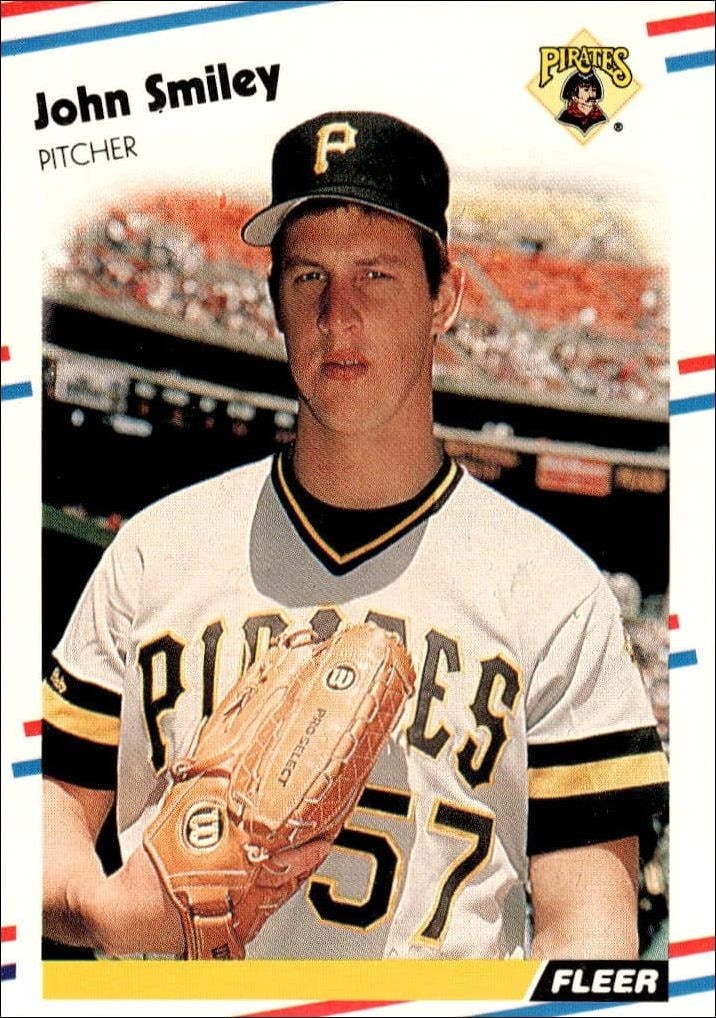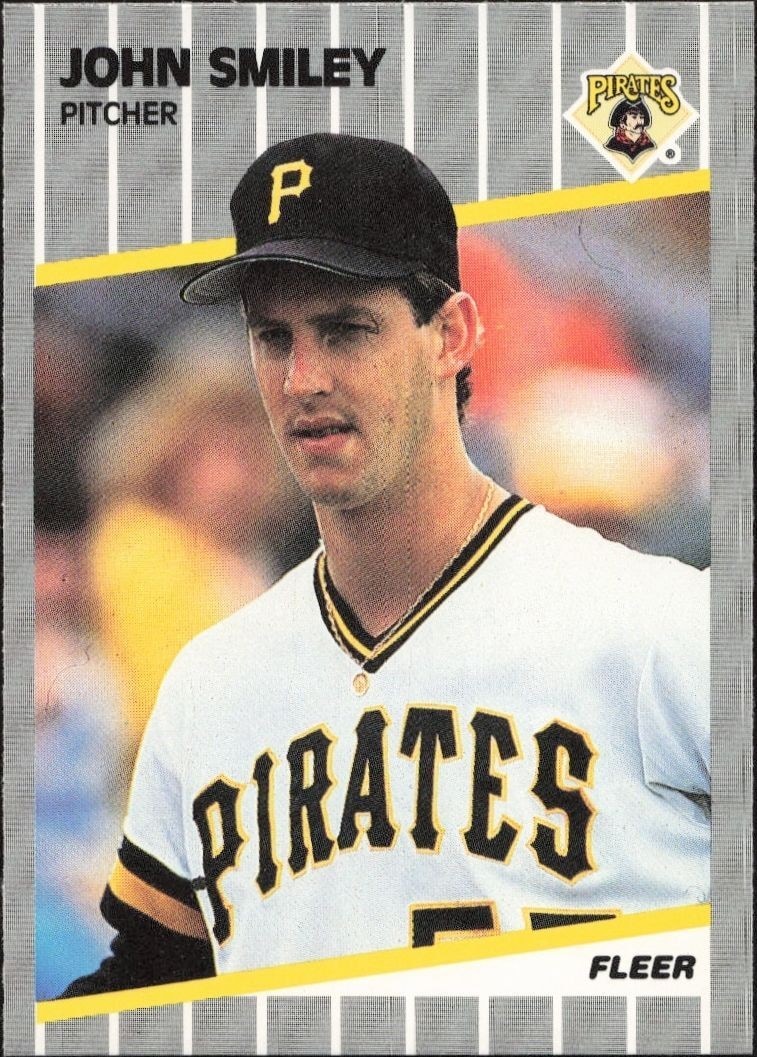






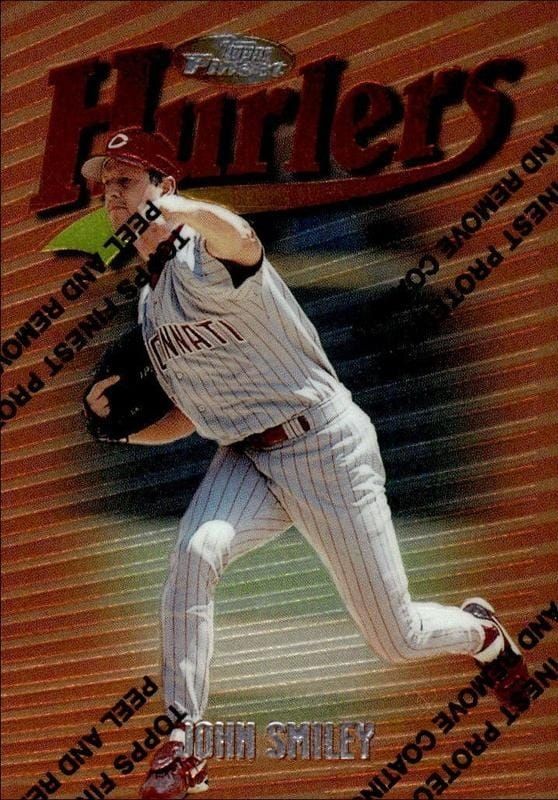
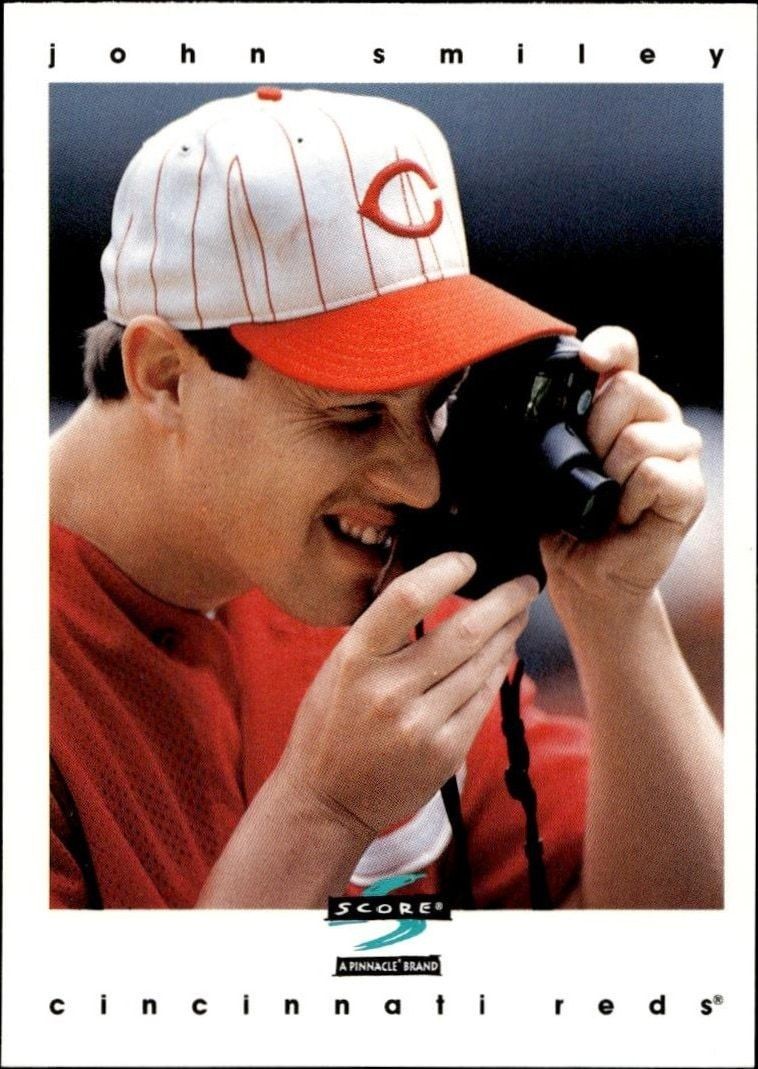
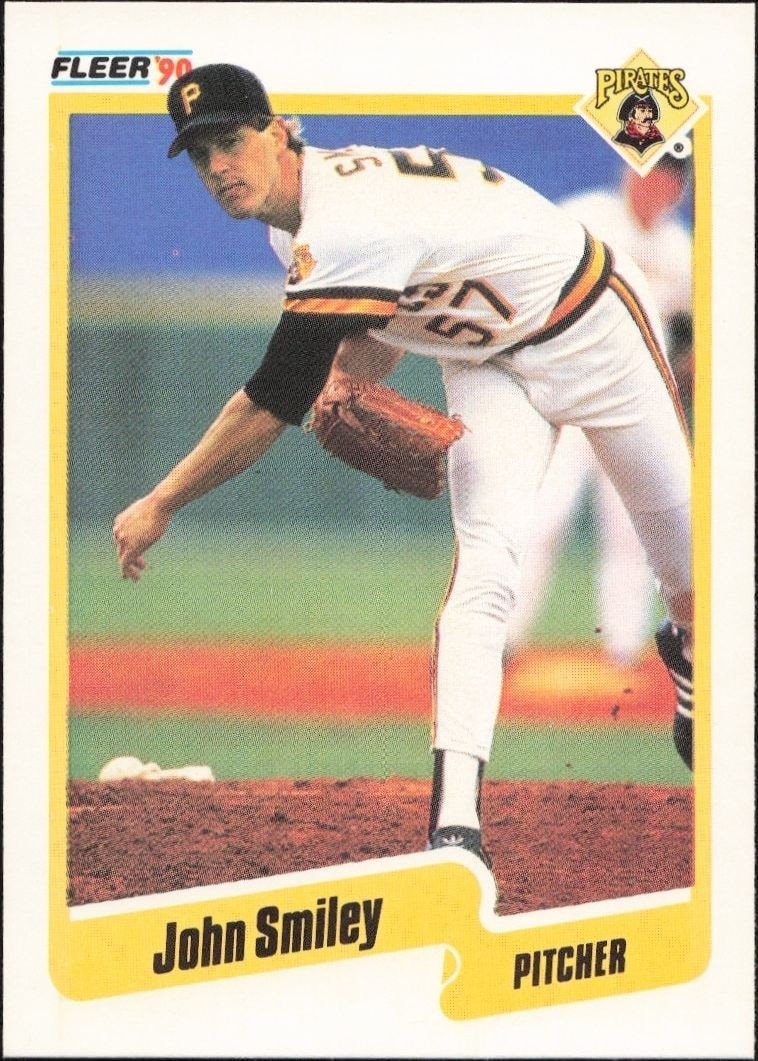
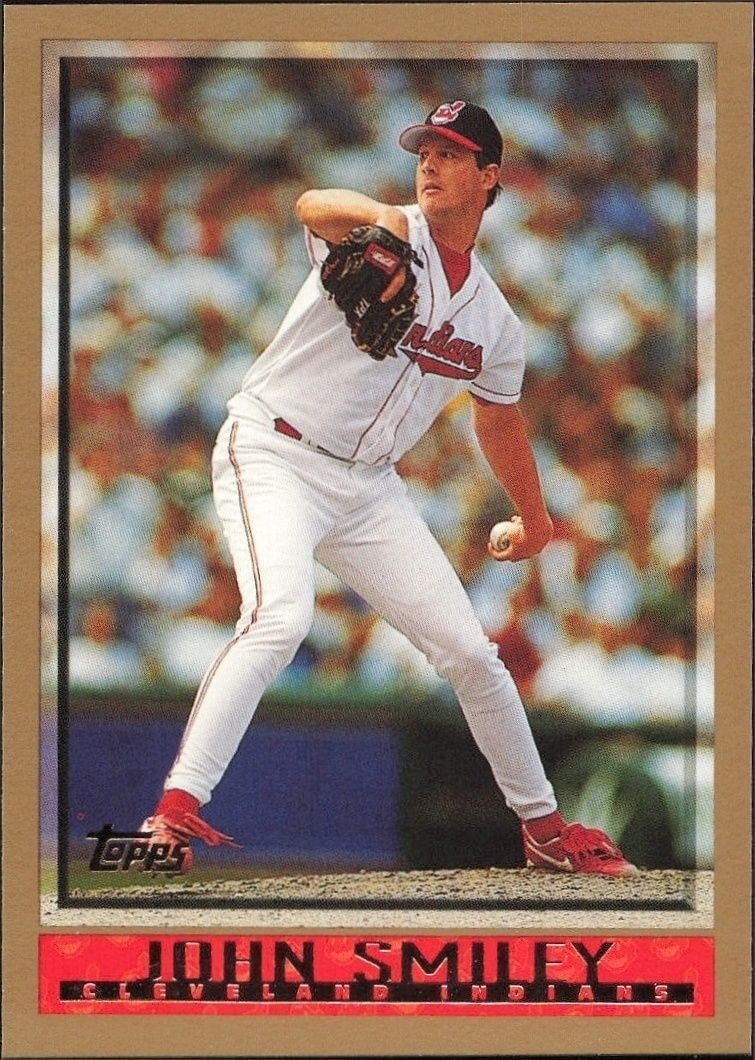
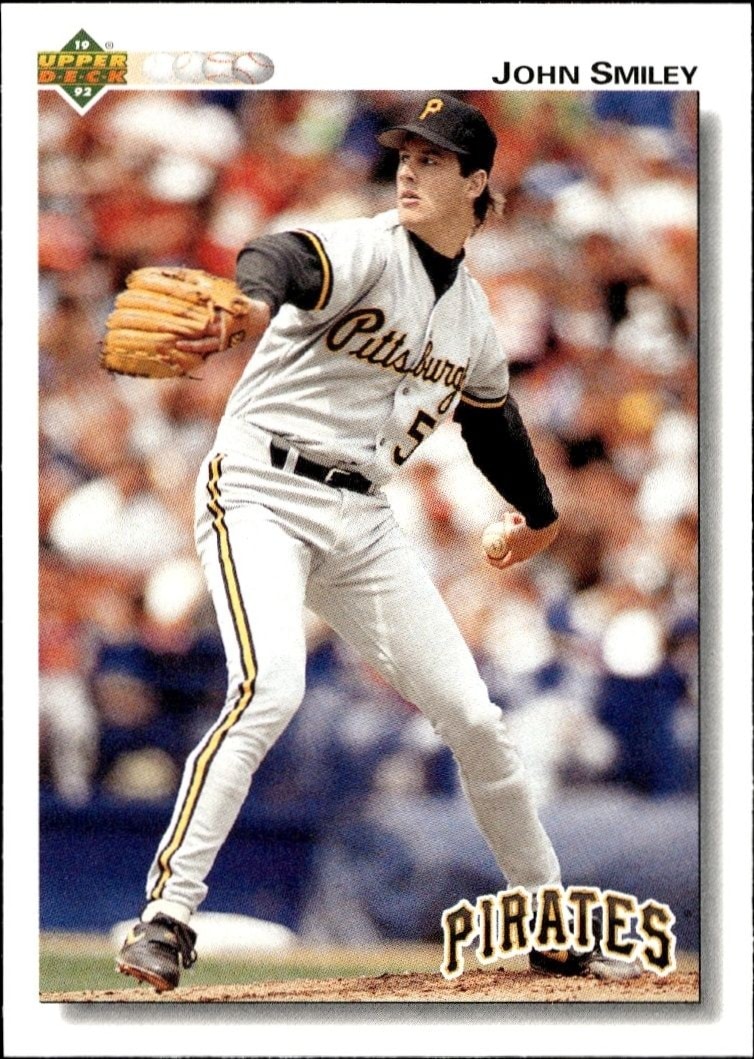
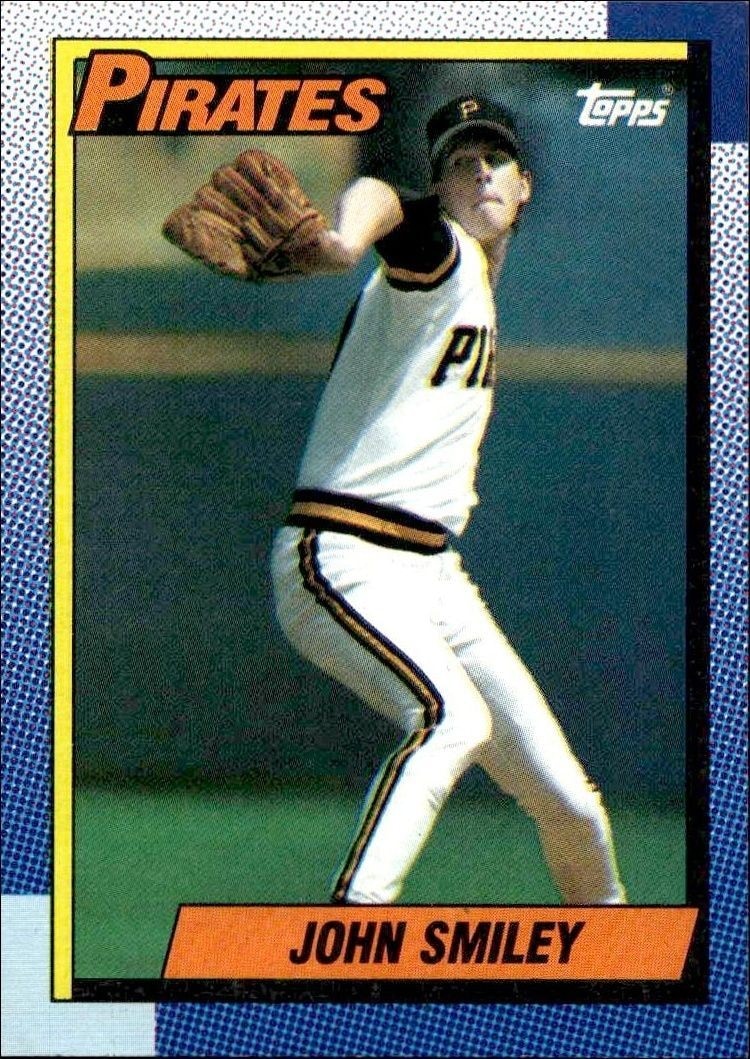
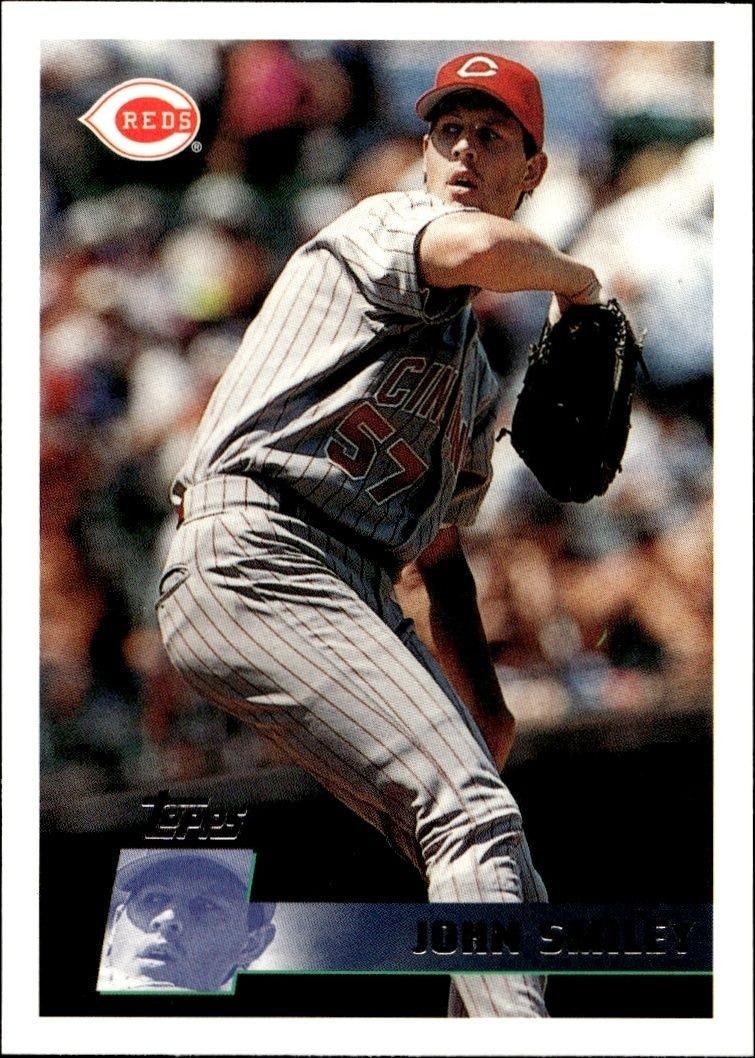
Explore the 1991 Fleer baseball card featuring John Smiley, card #50. This vintage MLB release captures the Pittsburgh Pirates pitcher from a pivotal era in baseball history.
1991 • Fleer
Major League Baseball • Pittsburgh Pirates
Near Mint
50
New
Shipping Calculated at Checkout
This seller is away until 10/19/2026 — orders are still accepted and ship after they return.30-day Returns| Condition | Value | Source | Trend | Price Details |
|---|---|---|---|---|
$1.17 | Asking Prices | +18.2% | ||
Raw / Ungraded
eBay Active Listings · Asking Prices evidence · captured Oct 17, 2026
The 1991 Fleer John Smiley #50 card stands as a distinct entry in the history of modern baseball trading cards. Released during a transformative period for the sport, this issue represents the brand's early foray into a design language that would soon redefine the collecting landscape. For enthusiasts of the Pittsburgh Pirates, this card serves as a tangible connection to the team's roster during the early 1990s, a time marked by intense competition and evolving fan engagement. John Smiley, a right-handed pitcher for the Pirates, appears on this card, offering collectors a specific snapshot of his career trajectory. This approach makes the John Smiley #50 card a favorite among those who appreciate the minimalist design principles of that era. The card number, 50, places it near the beginning of the base set, often making it a sought-after target for completists looking to fill the initial gaps in their collections. Collecting vintage baseball cards from the early 1990s has gained significant momentum as a way to preserve the sport's recent history. The 1991 Fleer release offers a unique opportunity to own a piece of MLB heritage before the market explosion of the mid-90s. Whether you are a dedicated Pirates fan, a specialist in Smiley's career, or a generalist exploring the Fleer brand, this card provides a solid foundation for any collection. The enduring appeal of 1991 Fleer lies in its balance of accessibility and historical significance, making it a staple for those who value the tangible artifacts of baseball's past. As the hobby continues to grow, understanding the context of specific releases like the John Smiley #50 card becomes increasingly important. This product represents not just a single player, but a moment in time for the Pittsburgh Pirates and the broader baseball community. Collectors often find value in the nostalgia and historical accuracy that such vintage issues provide, making them essential additions to any serious assembly of baseball memorabilia.
1 day ago
We'll pre-fill the product details from this catalog entry, so your listing lands on this exact page. Just add photos of your copy, pick its condition, and set your price.
The catalog profile below summarizes the card identity, featured subject, and notable collectible traits.
The subject, team, league, and sport context tied to this card.
Production details and format-specific attributes.
Material
Card Stock
Language
English
Compare prices, grades, photos, and shipping from approved sellers.
New
Near Mint
See how many public collections currently include this card.
0 collectors have this card
This 1991 Fleer card represents a baseline entry point for John Smiley collectors, trading at a modest price tier relative to his broader portfolio. As a standard issue from a mass-produced era, it lacks the condition premiums associated with graded examples or special parallels. The current market reflects its status as a common component of vintage baseball sets rather than a high-value centerpiece.
The card carries no special scarcity attributes such as serial numbering, short-print designations, or one-of-one status. It is a base parallel within the 1991 Fleer set, meaning supply is effectively unlimited compared to restricted subsets. This standard classification ensures that availability remains high, preventing any scarcity-driven price inflation.
As a non-rookie card from a high-volume set, the investment potential is limited by the sheer volume of existing copies. Collector demand is likely driven by nostalgia for the 1990s era rather than specific player milestones or card rarity. While it serves as an affordable way to complete a team or player set, it does not exhibit the growth mechanics typical of rookie cards or limited-edition parallels.