



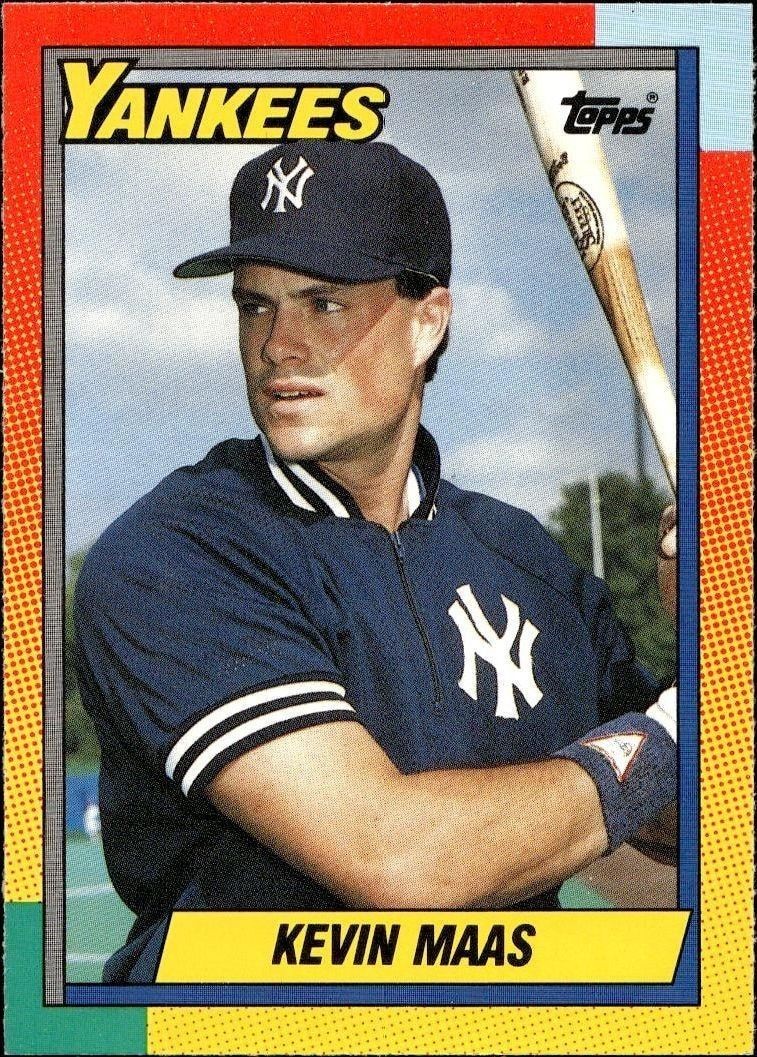
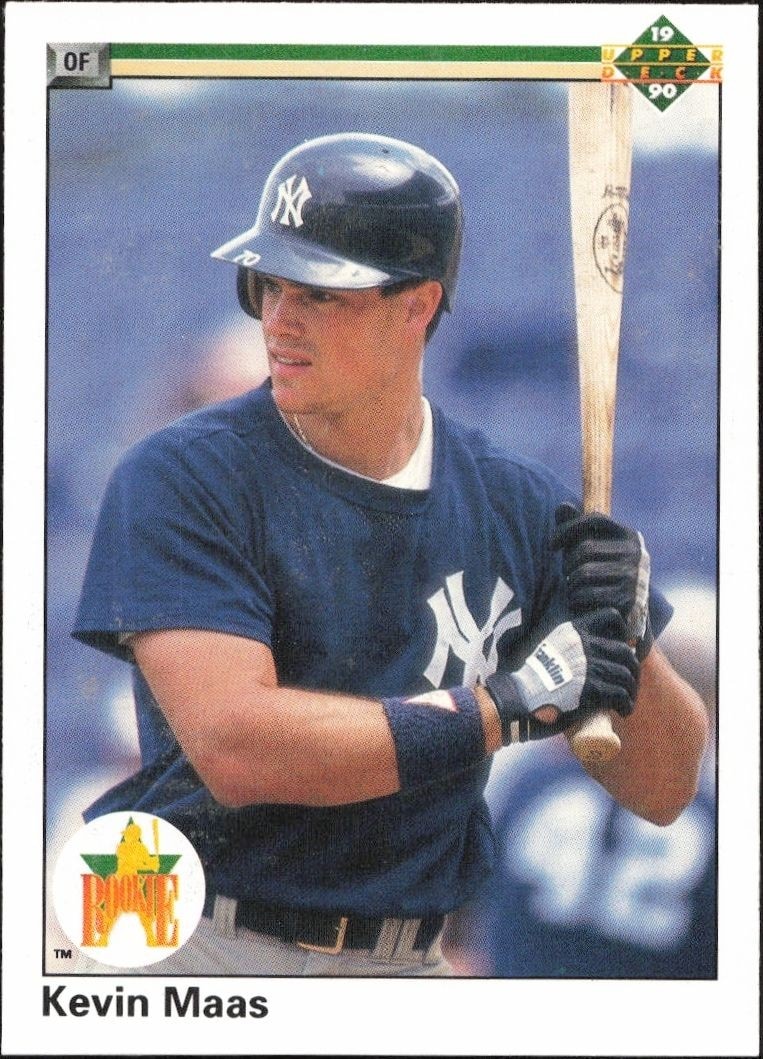

The 1991 Fleer Kevin Maas #672 baseball card features the New York Yankees player in one of the most recognizable designs of the 1990s trading card era.
1991 • Fleer
Major League Baseball • New York Yankees
Near Mint
672
New
Shipping Calculated at Checkout
Arrives in 5-7 daysEstimated delivery October 23, 2026 - October 25, 2026
Seller returns October 19, 2026.30-day Returns| Condition | Value | Source | Trend | Price Details |
|---|---|---|---|---|
$0.29 | Guide Estimate | 0% | ||
Raw / Ungraded
PriceCharting Price Guide · Guide Estimate evidence · captured Oct 7, 2026
The 1991 Fleer Kevin Maas #672 card represents a significant piece of New York Yankees history from the early 1990s. Released during a period when Fleer revitalized its brand with bold, colorful aesthetics, this card captures the essence of the era's design language. The bright blue border and vibrant layout are hallmarks of the 1991 Fleer set, making it instantly recognizable to collectors who grew up with these classics. While he may not be the most household name in baseball, his tenure with the Yankees provides a specific snapshot of the team's roster during a competitive decade. For collectors, this card serves as a tangible link to that time, offering a chance to complete a set that is widely regarded as one of the most visually distinct in modern sports card history. This card, featuring Maas, adheres to the set's standard format, providing a consistent and appealing look for those building complete collections. Whether you are a dedicated Yankees fan or a general baseball card enthusiast, adding this piece to your collection connects you with the nostalgia of 90s baseball culture. The card's enduring popularity ensures it remains a staple for those looking to own a piece of Fleer's golden era. Collecting vintage cards like the 1991 Fleer Kevin Maas #672 is about more than just the player; it is about preserving the visual history of the sport. The design elements, from the font choices to the background textures, reflect the marketing trends of the early 1990s. This makes the card not just a trading item, but a small piece of art that appeals to both sports fans and design aficionados. As the market for vintage cards continues to grow, sets from this period, including this card, maintain their relevance and appeal among collectors who value authenticity and historical significance.
12 hours ago
We'll pre-fill the product details from this catalog entry, so your listing lands on this exact page. Just add photos of your copy, pick its condition, and set your price.
The catalog profile below summarizes the card identity, featured subject, and notable collectible traits.
The subject, team, league, and sport context tied to this card.
Production details and format-specific attributes.
Material
Card Stock
Language
English
Compare prices, grades, photos, and shipping from approved sellers.
New
Near Mint
See how many public collections currently include this card.
0 collectors have this card
This 1991 Fleer card represents a budget-tier entry for the New York Yankees, trading well below the premium valuations associated with franchise icons or top-tier rookies. Its current positioning reflects a stable but low-demand status within the broader 1990s baseball market, suitable only for those seeking affordable roster completions rather than high-value acquisitions. The absence of special attributes keeps it firmly in the base set category, limiting its appeal to casual collectors.
As a standard base card without noted parallels, short-print designations, or serial numbering, this item carries no structural scarcity mechanics beyond standard production volumes. The supply is effectively unlimited relative to collector demand, as it lacks the limited-edition features that typically constrain availability and drive value premiums. Consequently, it remains an abundant find with no unique rarity factors to distinguish it from its peers in the 1991 Fleer set.
Investment potential is minimal given the card's status as a non-rookie, base-issue from a high-volume production year. Collector demand is likely driven solely by the need to complete team sets rather than speculative growth, as the subject lacks the rookie-card premium or iconic status that typically fuels long-term appreciation. This card is best viewed as a consumable collectible for historical interest rather than a vehicle for capital preservation or growth.