

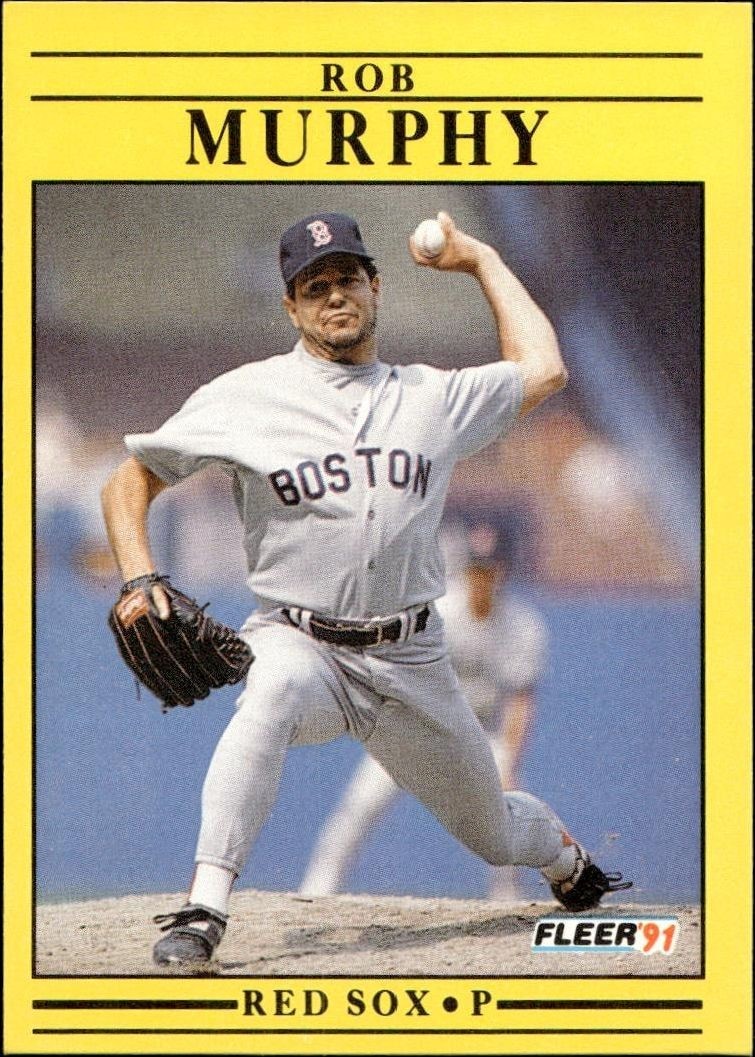
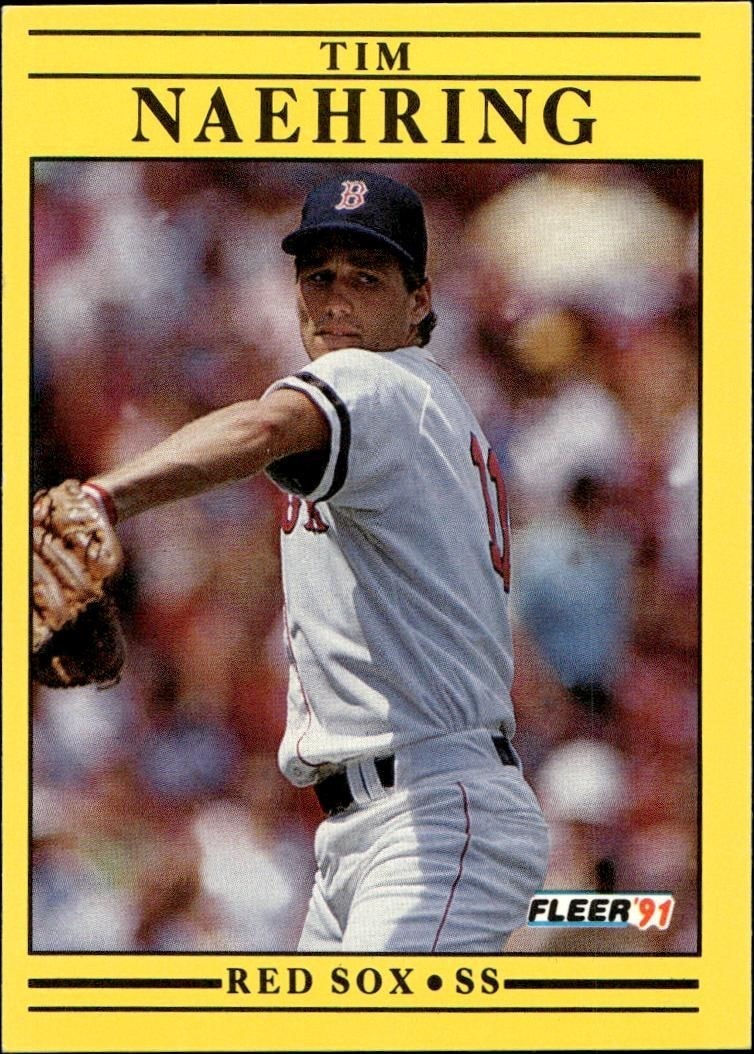
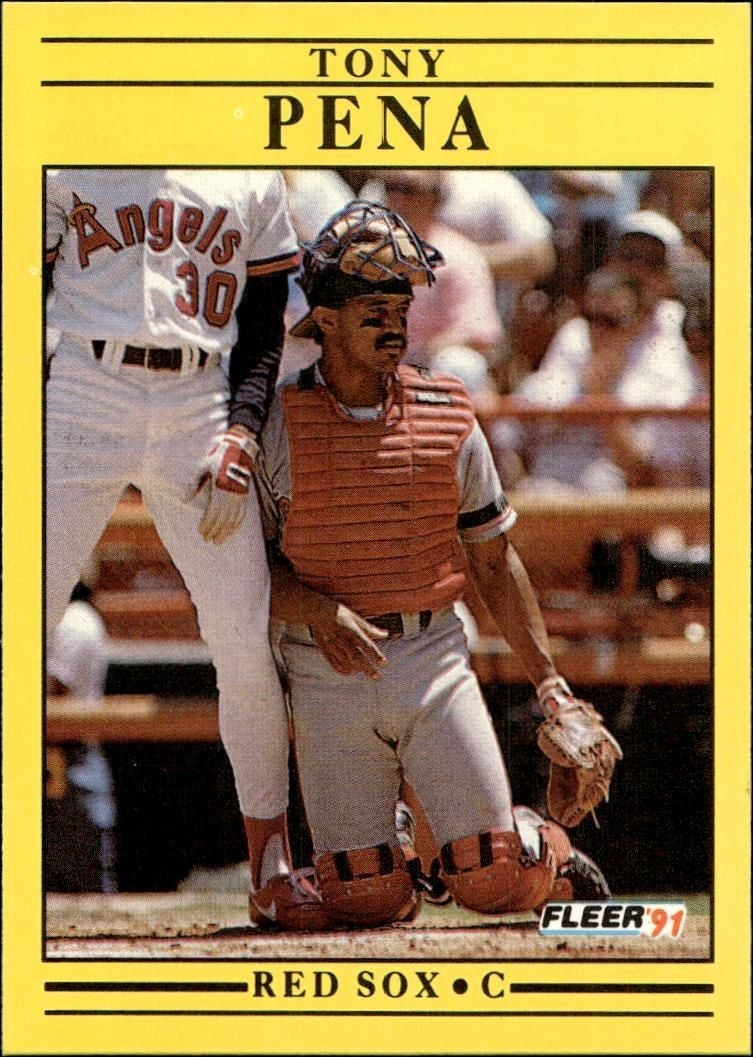


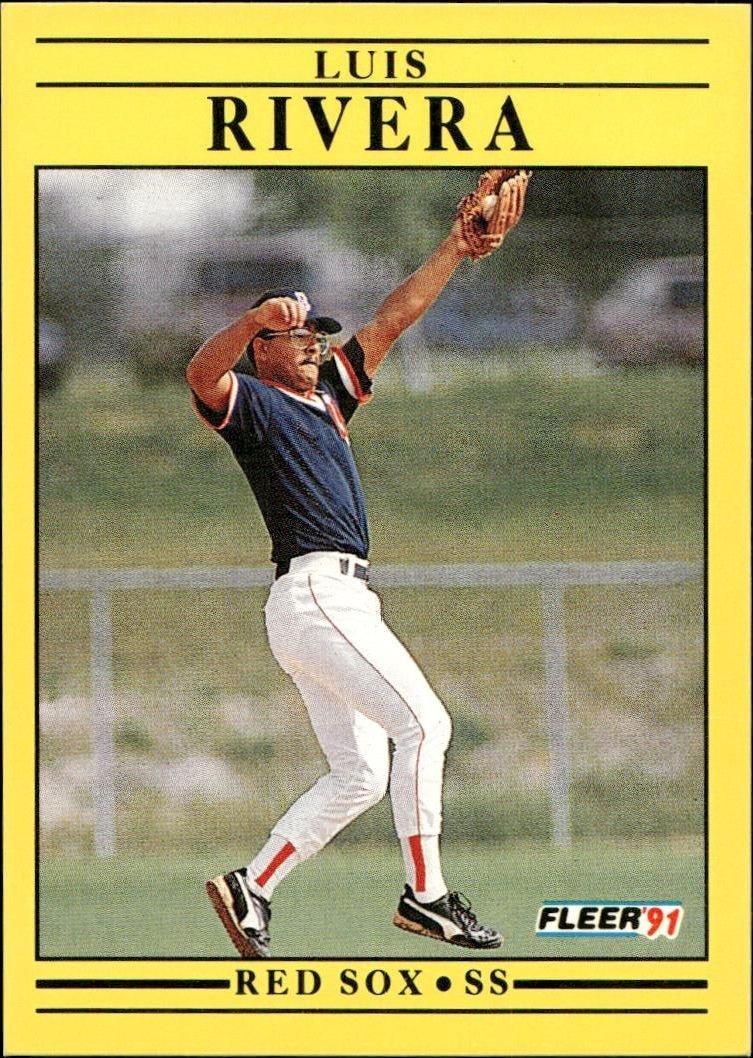

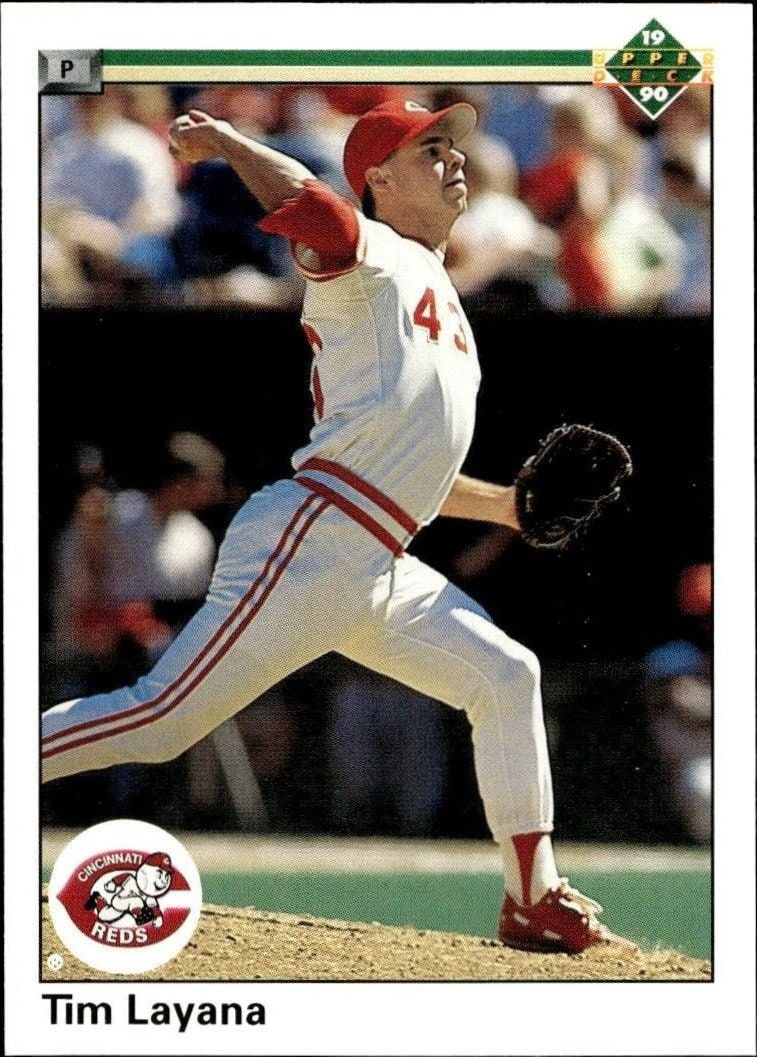
The 1991 Fleer Tim Layana #69 card offers collectors a tangible link to the Cincinnati Reds' 1991 roster and the evolution of Fleer's design aesthetic.
1991 • Fleer
Major League Baseball • Cincinnati Reds
Excellent
69
New
Shipping Calculated at Checkout
This seller is away until 10/19/2026 — orders are still accepted and ship after they return.30-day Returns| Condition | Value | Source | Trend | Price Details |
|---|---|---|---|---|
$1.01 | Guide Estimate | |||
Raw / Ungraded
PriceCharting Price Guide · Guide Estimate evidence · captured Oct 16, 2026
History is building. At least two days of matching observations are needed to show a trend.
Each point is the last stored observation that day for this printing, condition, grader, autograph status and source. Gaps mean no observation; guide estimates and asking prices are not completed sales.The 1991 Fleer Tim Layana #69 card stands as a significant piece of early 1990s baseball card history, capturing the Cincinnati Reds catcher during a pivotal era for Major League Baseball. Released by Fleer in 1991, this product represents a time when the brand was re-establishing its presence in the hobby, moving away from its classic designs toward more modern, vibrant aesthetics that would define the decade's collecting culture. Tim Layana, a durable and respected backstop, is featured here as card number 69 in the base set. For collectors focusing on Cincinnati Reds history, this card serves as a documented record of the team's lineup during the early '90s. Collectors often seek out specific numbers from this era to complete set runs or to focus on the careers of players who were staples of the league. Whether you are building a comprehensive collection of Reds players or exploring the broader landscape of 1991 baseball cards, this product provides a direct connection to that specific moment in sports history. By focusing on the catalog details and historical context, collectors can make informed decisions about adding this piece to their portfolio. The card remains a popular subject for those tracking the careers of players who defined the pre-steroid era of baseball, offering a glimpse into the game's past through the lens of one of its most iconic manufacturers.
20 hours ago
We'll pre-fill the product details from this catalog entry, so your listing lands on this exact page. Just add photos of your copy, pick its condition, and set your price.
The catalog profile below summarizes the card identity, featured subject, and notable collectible traits.
The subject, team, league, and sport context tied to this card.
Production details and format-specific attributes.
Material
Card Stock
Language
English
Compare prices, grades, photos, and shipping from approved sellers.
New
Excellent
See how many public collections currently include this card.
0 collectors have this card
This 1991 Fleer Tim Layana card represents a low-tier entry point within the broader baseball collectible market, reflecting its status as a non-star player from a mass-produced set. The current market position suggests minimal premium compared to key rookies or stars, as the card lacks any special attributes that would drive significant price appreciation. It trades at a baseline level typical for standard base cards of players who did not achieve major Hall of Fame recognition or sustained star status.
The card carries no special rarity attributes, meaning it is a standard base issue from the 1991 Fleer set with no serial numbering, parallel finishes, or short-print designations. Supply is effectively unlimited relative to collector demand, as it was printed in large quantities without any mechanical constraints on availability. This lack of scarcity mechanics ensures it remains common and easily replaceable in the secondary market.
As a non-rookie card of a player with limited mainstream recognition, this item offers minimal investment potential or collector demand drivers. The absence of rookie status or special set positioning means it does not participate in the premium pricing dynamics typical of key player cards. Collectors seeking this item are likely motivated by personal preference or set completion rather than speculative value growth.