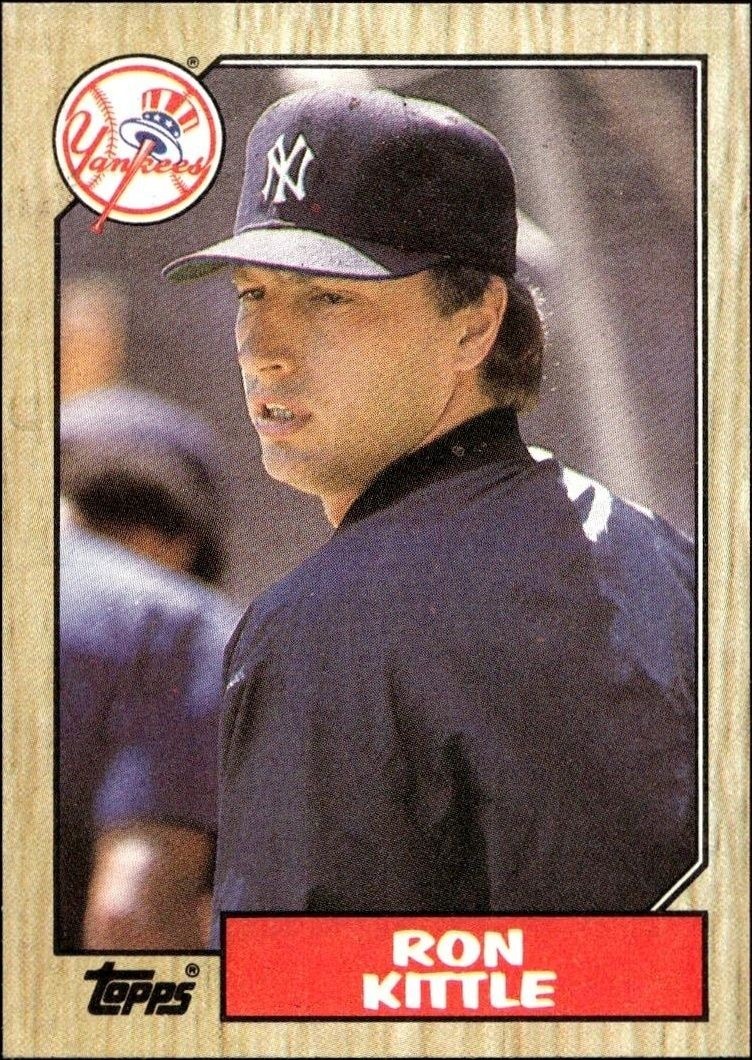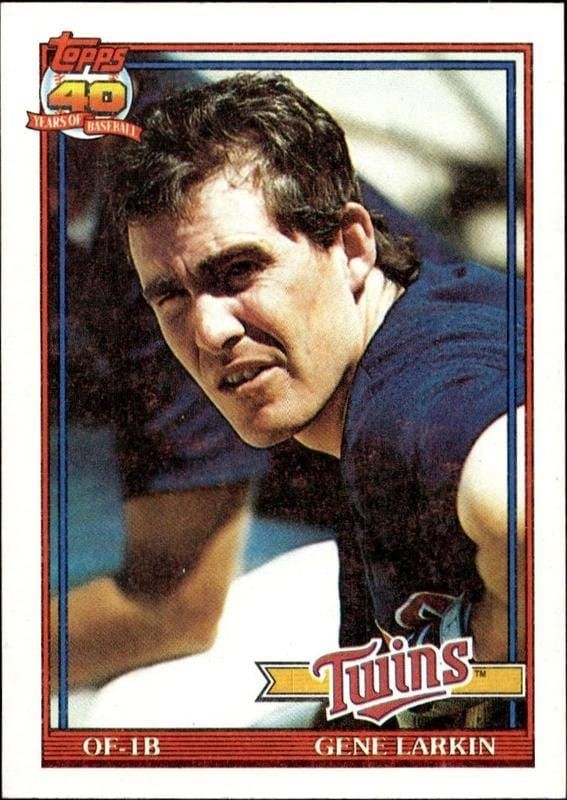

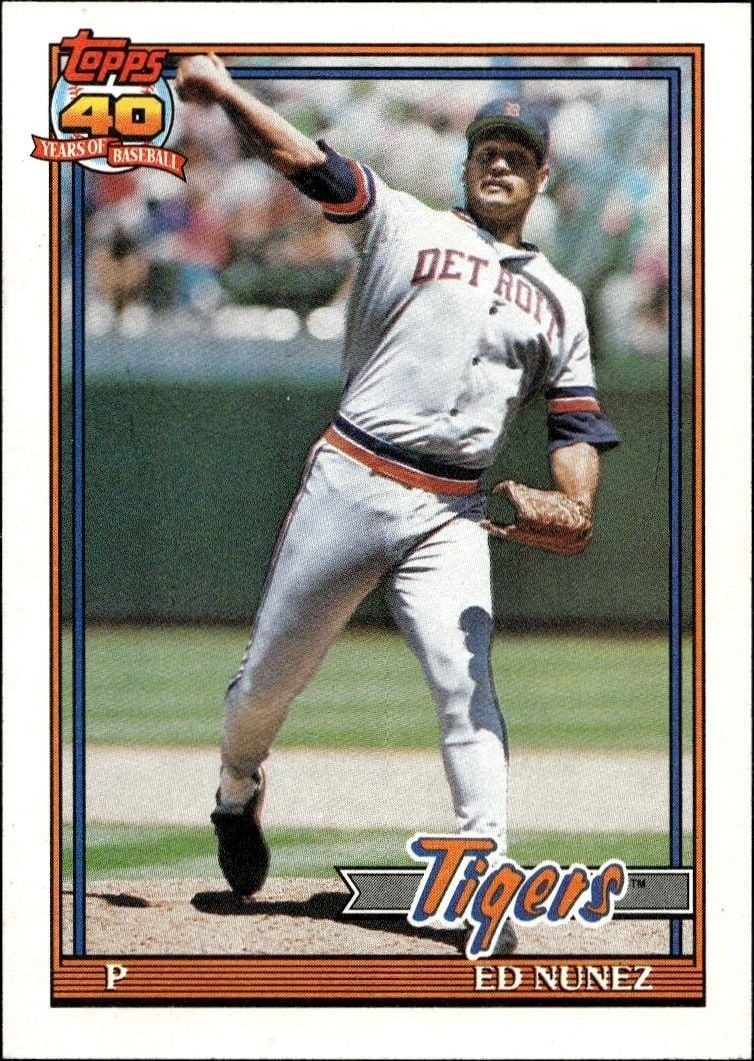

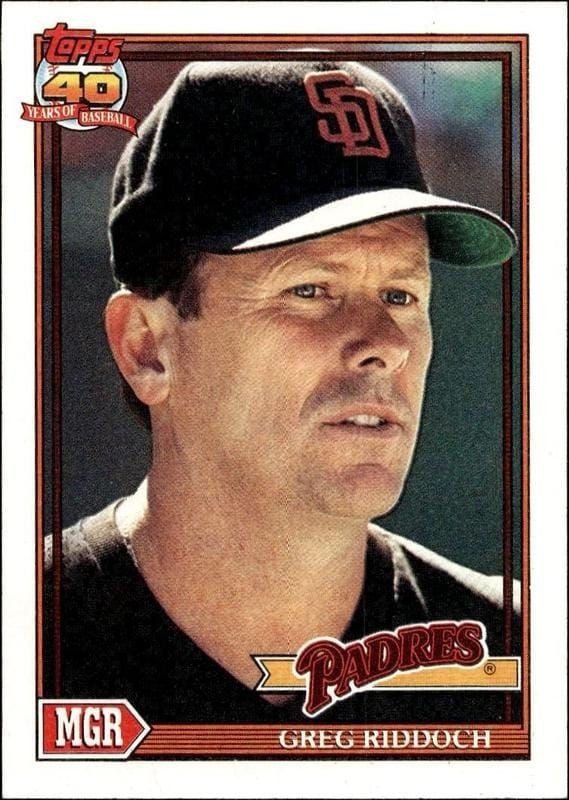



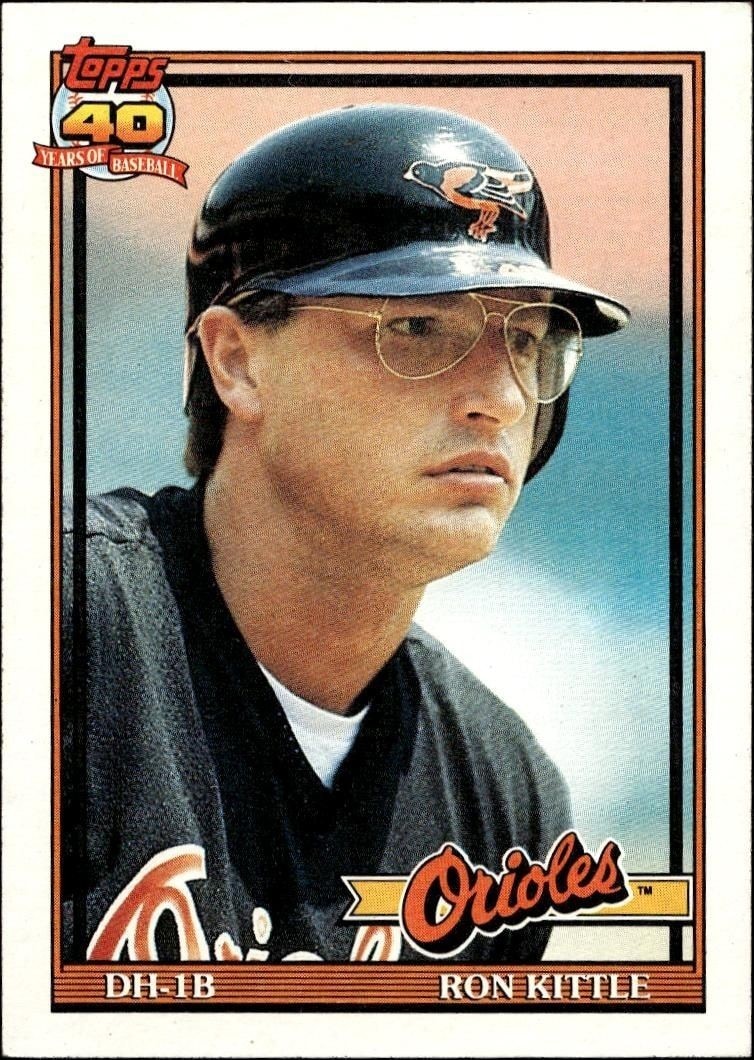

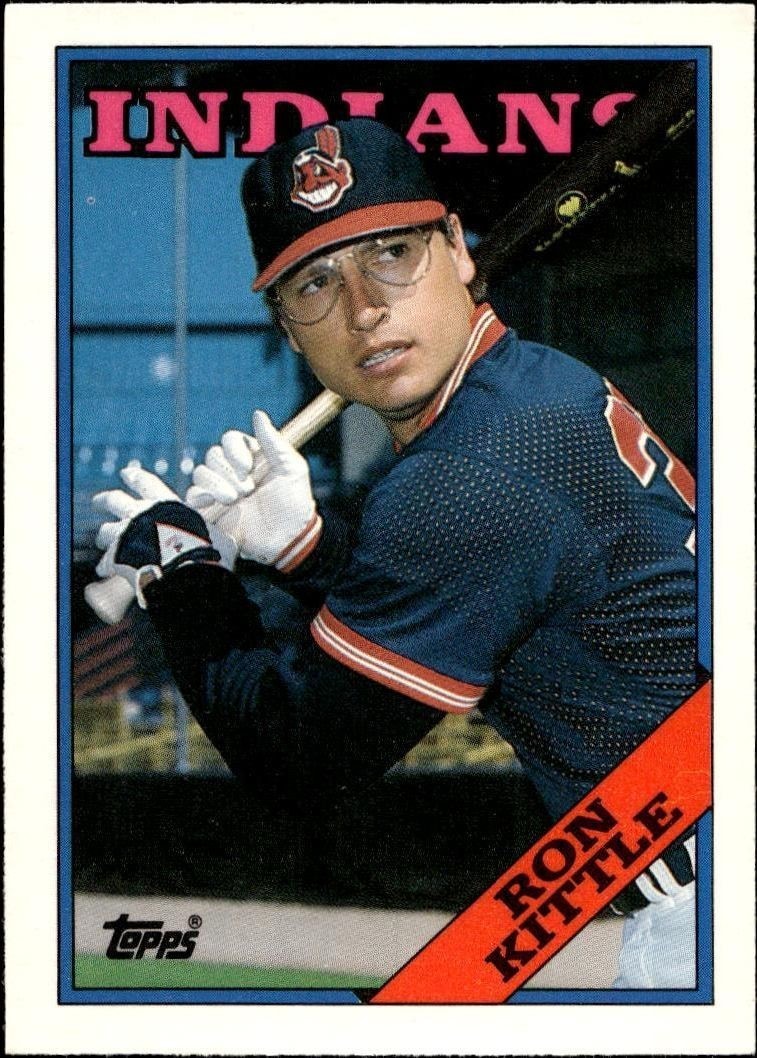

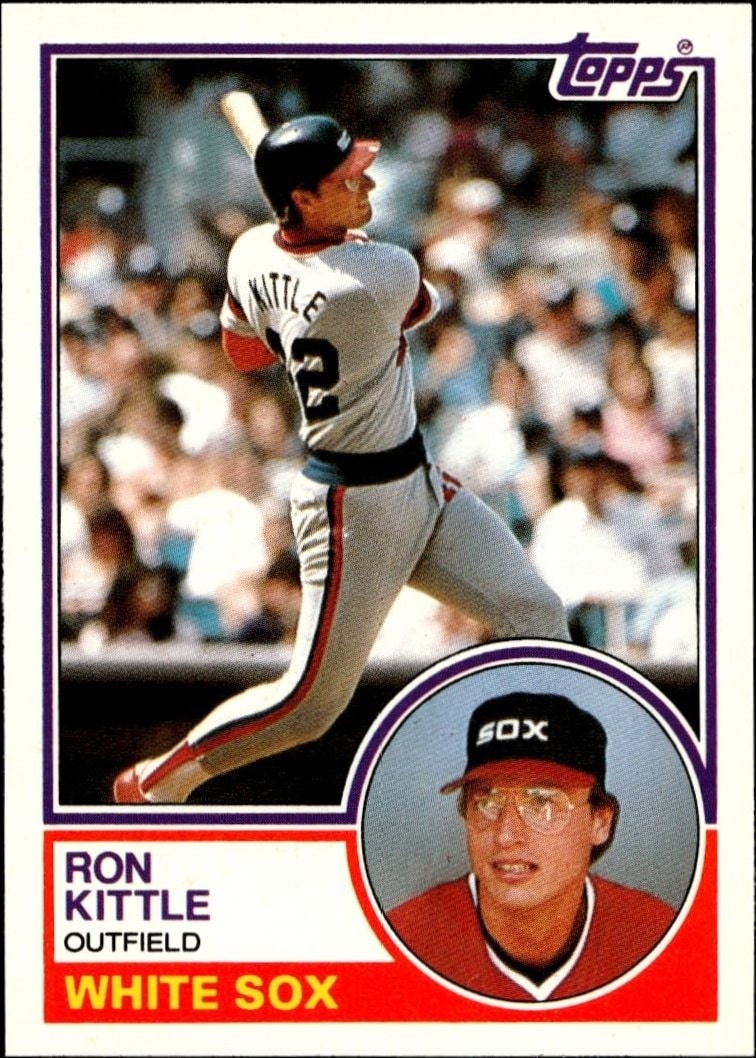
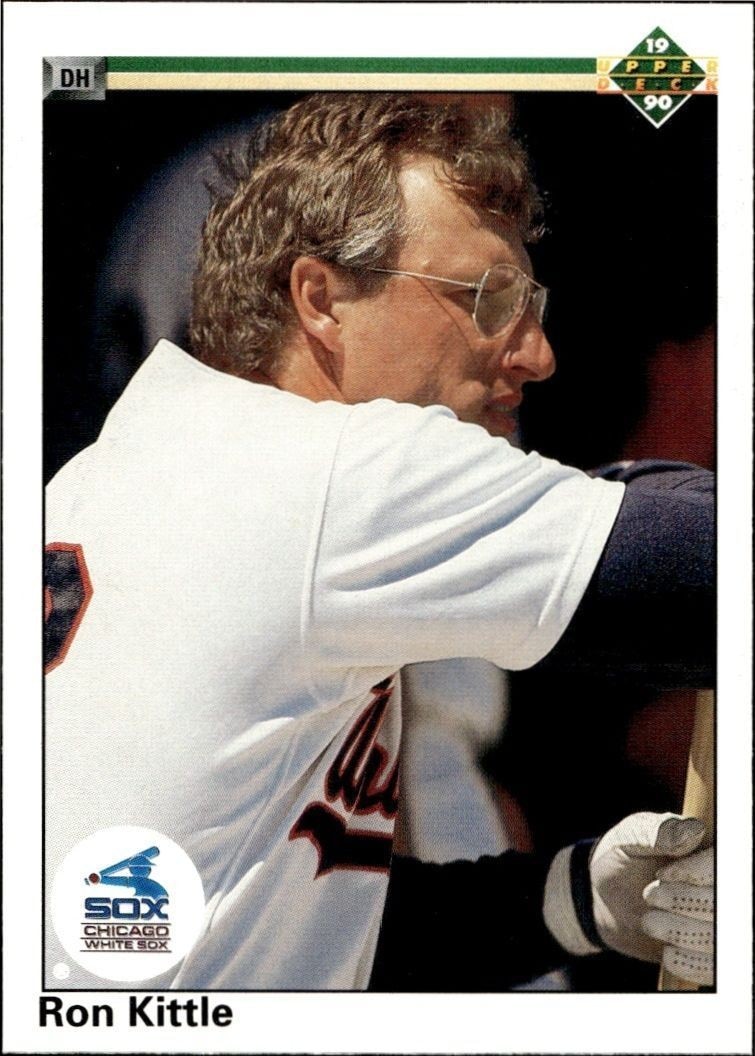
The 1991 Topps Ron Kittle #324 card captures the Baltimore Orioles player during his final MLB season, offering a tangible piece of 1990s baseball history for dedicated collectors.
1991 • Topps
Major League Baseball • Baltimore Orioles
Excellent
324
New
Shipping Calculated at Checkout
Arrives in 5-7 daysEstimated delivery October 23, 2026 - October 25, 2026
Seller returns October 19, 2026.30-day Returns| Condition | Value | Source | Trend | Price Details |
|---|---|---|---|---|
$1.42 | Guide Estimate | 0% | ||
$1.50As of 9/20/2026 | Completed Sales | |||
$5.00 | Guide Estimate | 0% | ||
$9.35 | Guide Estimate | +0.1% | ||
$10.00 | Guide Estimate | 0% | ||
$36.07 | Guide Estimate | +0.2% | ||
$116.00 | Guide Estimate | 0% | ||
$54.00 | Guide Estimate | 0% | ||
$89.61 | Guide Estimate | +0.3% | ||
$54.00 | Guide Estimate | 0% | ||
Raw / Ungraded
PriceCharting Price Guide · Guide Estimate evidence · captured Oct 13, 2026
The 1991 Topps Ron Kittle #324 card serves as a specific entry point for collectors focusing on Baltimore Orioles history or the 1990s baseball era. Ron Kittle spent the majority of his career with the Orioles, making this card a relevant piece for fans tracking the franchise's roster changes during the early 1990s. For investors and hobbyists alike, cards from this period represent a distinct chapter in sports card manufacturing, bridging the gap between the vintage boom and the modern expansion era. The 1991 Topps Ron Kittle #324 card is often sought after by players who specialize in individual athlete collections, particularly those documenting Kittle's tenure with the Orioles. While the base set is widely available, specific player cards like this one help complete niche portfolios for enthusiasts of the American League East. Whether you are looking to fill a gap in a personal archive or acquire a piece of baseball history, understanding the context of the 1991 Topps Ron Kittle #324 card is essential. The card reflects the design standards of its time, offering a clean and classic look that remains popular among vintage card collectors today.
1 day ago
We'll pre-fill the product details from this catalog entry, so your listing lands on this exact page. Just add photos of your copy, pick its condition, and set your price.
The catalog profile below summarizes the card identity, featured subject, and notable collectible traits.
The subject, team, league, and sport context tied to this card.
Production details and format-specific attributes.
Material
Card Stock
Language
English
Compare prices, grades, photos, and shipping from approved sellers.
New
Excellent
See how many public collections currently include this card.
0 collectors have this card
This 1991 Topps Ron Kittle card represents a standard base card from a post-peak era of the player's career, resulting in a modest market value relative to his more iconic rookie or prime-season issues. The lack of special attributes indicates it trades at the lower end of the set's price spectrum, appealing primarily to budget-conscious completists rather than high-end collectors. While the Orioles connection provides a baseline of interest, the card does not command a significant premium over comparable non-star cards from the same production run.
As a standard base card within the 1991 Topps set, this item does not benefit from serial numbering, short-print status, or parallel variations that typically constrain supply. Its availability is determined by the original mass-production volume of the base set, which was designed for broad distribution rather than scarcity. Consequently, the supply is relatively unencumbered by special edition mechanics, making it widely accessible on the secondary market.
The investment potential is limited by the card's position as a non-rookie, base-issue from a mid-1990s release, where collector demand is generally driven by completion needs rather than speculative growth. Without parallel upgrades or rookie card designation, the primary value driver is the player's legacy with the Baltimore Orioles, which sustains steady but modest demand. Collectors are more likely to acquire this for set completion than as a standalone asset with significant appreciation potential.