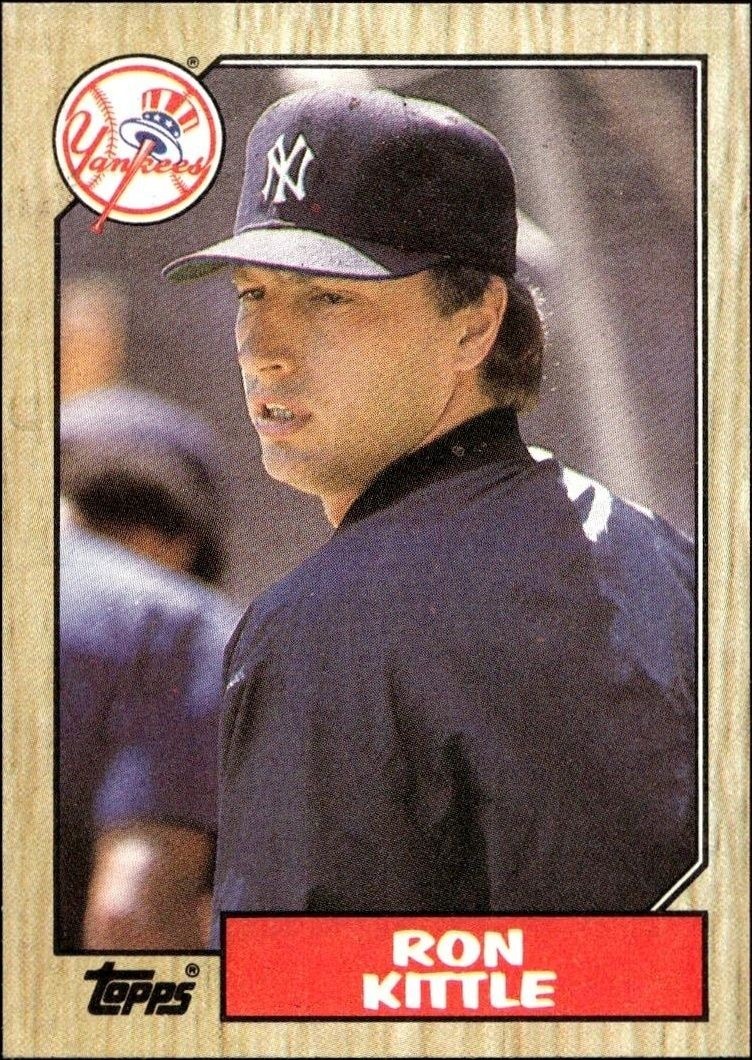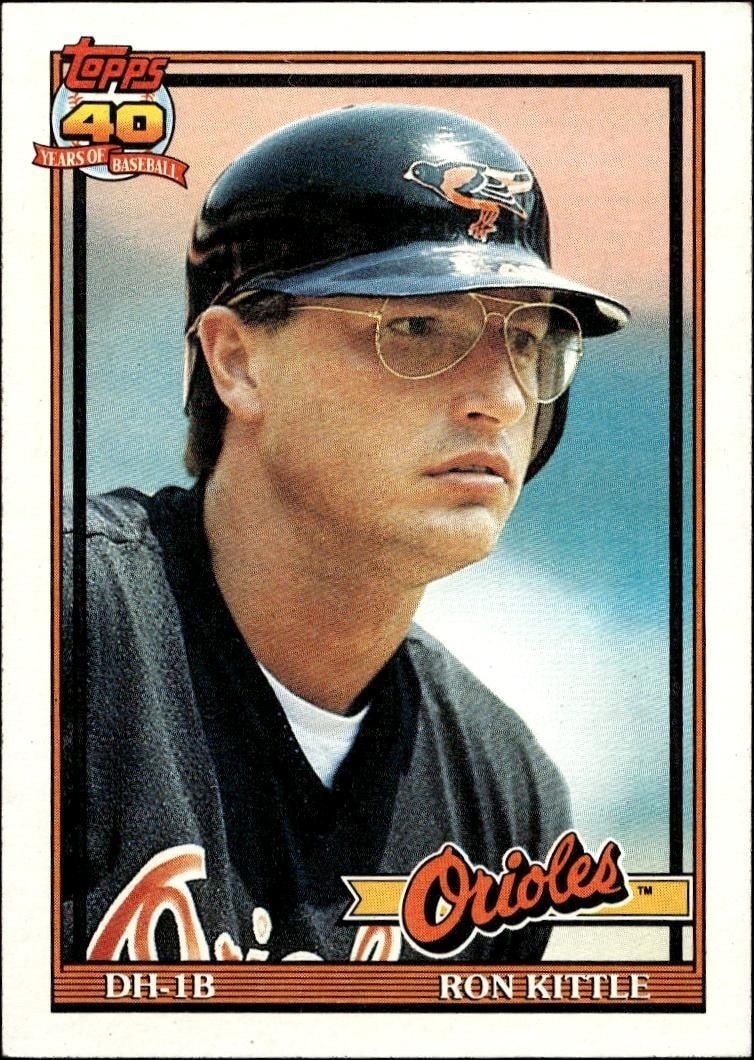

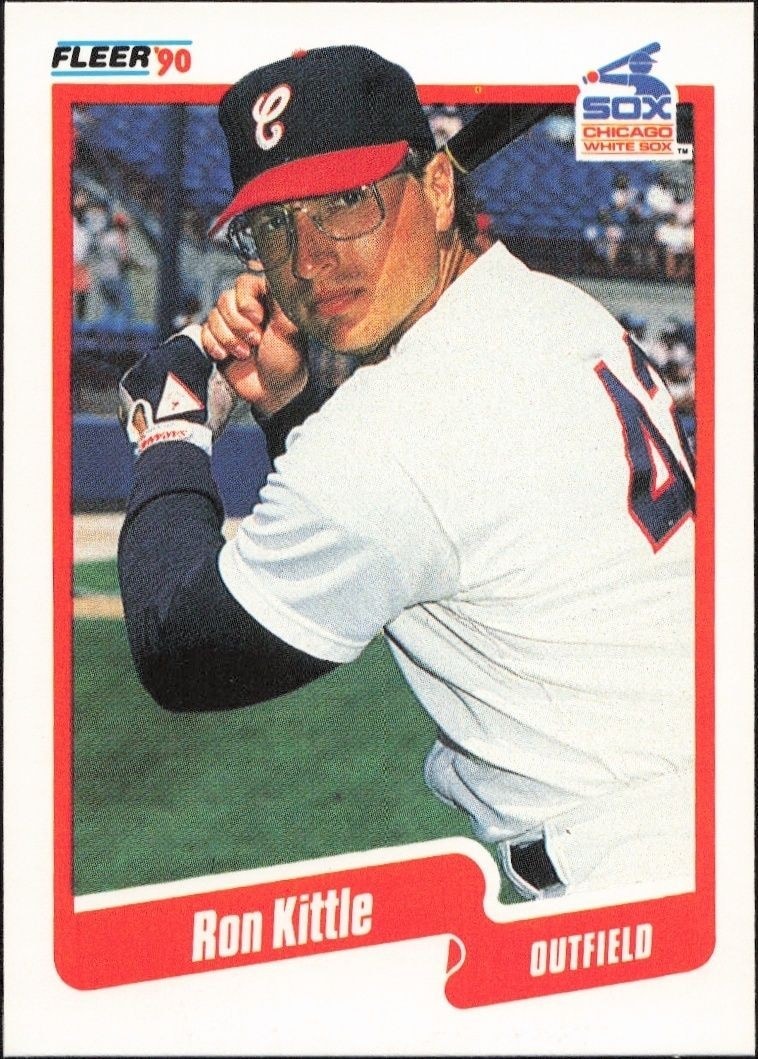
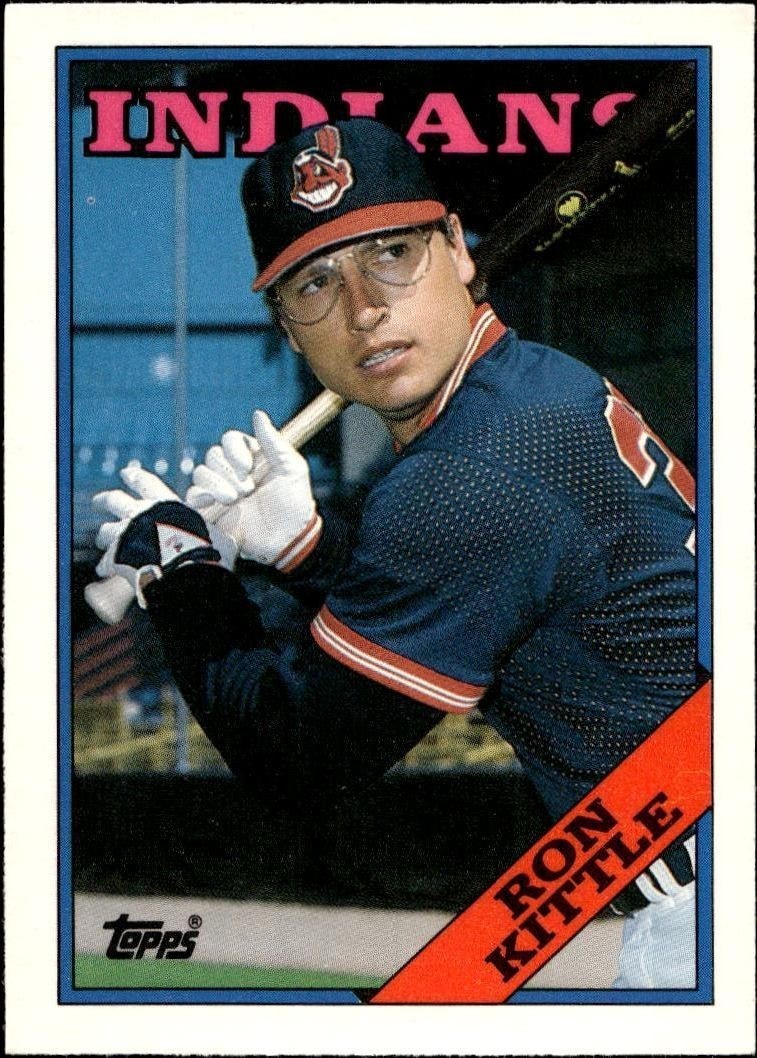

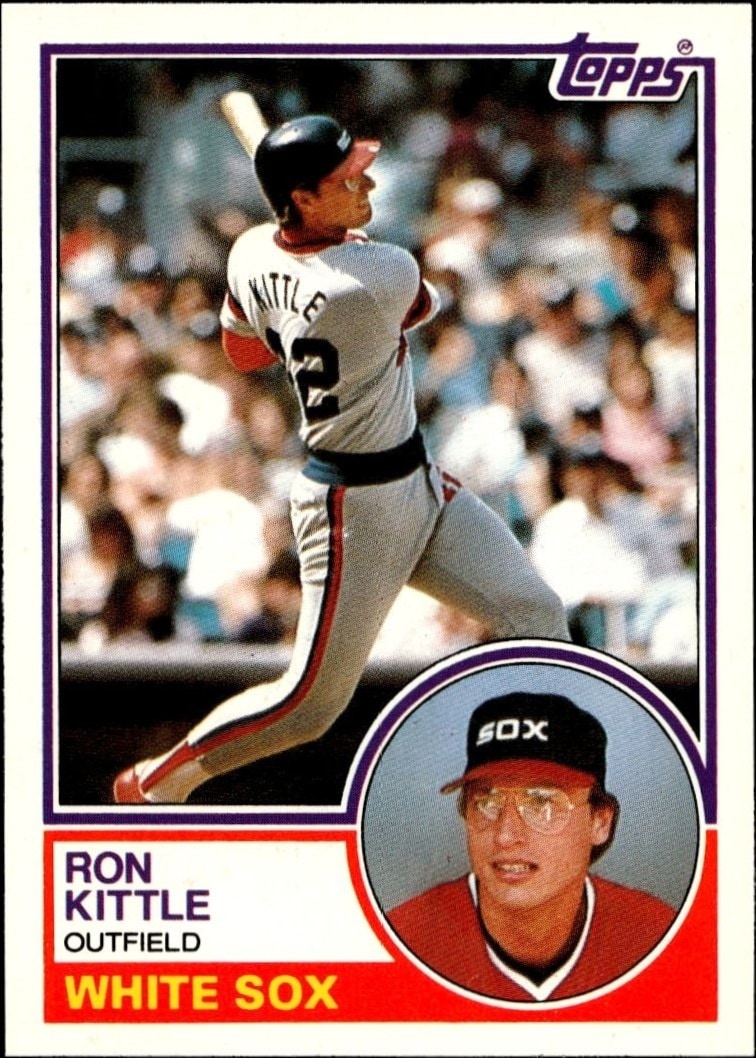
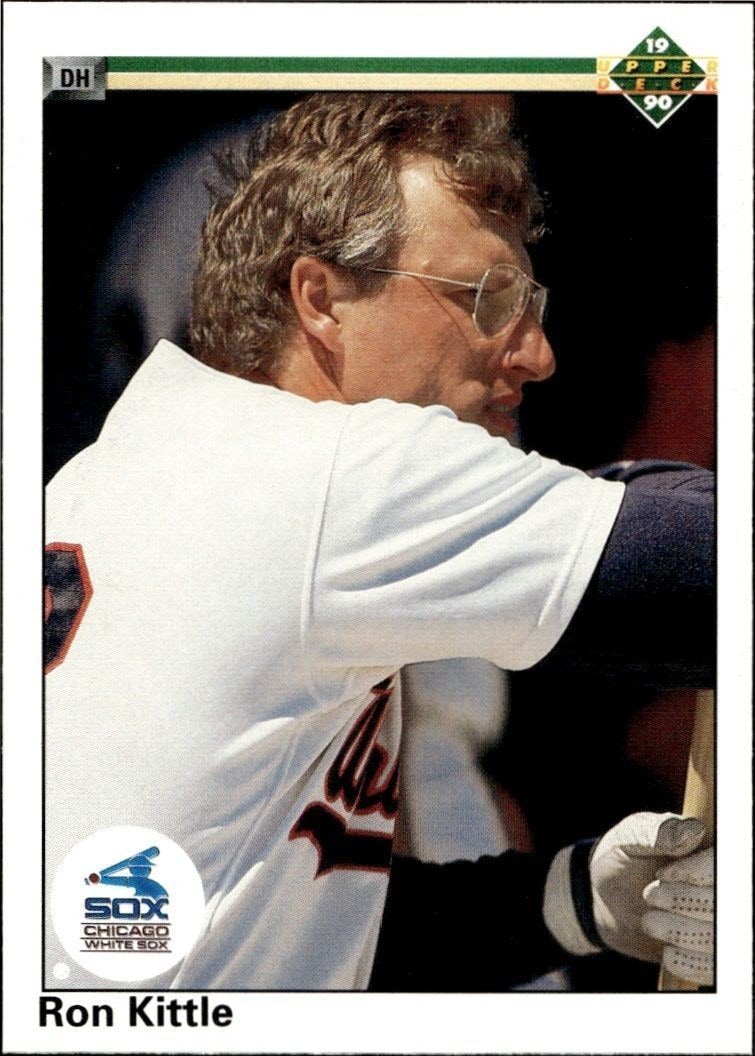
The 1990 Topps Ron Kittle #79 baseball card features the Chicago White Sox utility player in the iconic Topps design of the early 90s era.
1990 • Topps
Major League Baseball • Chicago White Sox
Excellent
79
New
Shipping Calculated at Checkout
Arrives in 4-6 daysEstimated delivery October 23, 2026 - October 25, 2026
Seller returns October 19, 2026.30-day Returns| Condition | Value | Source | Trend | Price Details |
|---|---|---|---|---|
$0.99As of 9/21/2026 | Guide Estimate | |||
Raw / Ungraded
PriceCharting Price Guide · Guide Estimate evidence · captured Sep 21, 2026
History is building. At least two days of matching observations are needed to show a trend.
Each point is the last stored observation that day for this printing, condition, grader, autograph status and source. Gaps mean no observation; guide estimates and asking prices are not completed sales.The 1990 Topps Ron Kittle #79 baseball card represents a specific moment in Chicago White Sox history, capturing the player during his tenure with the team. As part of the 1990 Topps set, this card is defined by the manufacturer's signature layout and typography that collectors recognize immediately. For many, this release serves as a nostalgic connection to the early 1990s baseball landscape, a period marked by distinct visual styles and team rosters that have since become part of sports memorabilia history. Ron Kittle, known for his versatility on the field, appears on card number 79 within the base set. The 1990 Topps brand was instrumental in shaping the modern trading card aesthetic, and this issue is often sought after by those who appreciate the era's design language. Collectors who focus on vintage baseball cards often look for players like Kittle to round out their collections, as these cards offer a tangible link to past seasons and team dynamics. Whether you are a dedicated Chicago White Sox fan or a general baseball card enthusiast, the 1990 Topps Ron Kittle #79 provides a concrete piece of sports history. It allows collectors to explore the depth of team rosters from a specific year, offering insight into the players who contributed to the game during that time. This card stands as a fundamental component for anyone building a library of classic baseball cards from the late 1980s and early 1990s.
1 day ago
We'll pre-fill the product details from this catalog entry, so your listing lands on this exact page. Just add photos of your copy, pick its condition, and set your price.
The catalog profile below summarizes the card identity, featured subject, and notable collectible traits.
The subject, team, league, and sport context tied to this card.
Production details and format-specific attributes.
Material
Card Stock
Language
English
Compare prices, grades, photos, and shipping from approved sellers.
New
Excellent
See how many public collections currently include this card.
0 collectors have this card
This 1990 Topps Ron Kittle card represents a baseline entry point in his market, trading at the lower end of the spectrum compared to his more sought-after rookie or premium parallels. As a standard base card from a mid-tier era, it lacks the condition sensitivity and rarity premiums that drive higher valuations for elite athletes. Consequently, it serves primarily as a bulk acquisition for completists rather than a standalone investment piece.
The card possesses no special scarcity attributes, existing as a standard base issue from the 1990 Topps set without serial numbering or short-print status. This lack of limited edition mechanics means the supply is effectively unlimited relative to collector demand, resulting in high availability. The absence of parallels or inserts further dilutes any potential rarity premium, keeping the item in the common tier of the hobby.
With no rookie card designation or high-grade rarity factors, this item offers minimal appreciation potential beyond modest inflation adjustments. Collector demand is driven solely by completion needs for complete set builders rather than speculative interest in the player's career trajectory. Investors should view this as a low-yield asset suitable only for filling gaps in existing collections rather than capital growth.