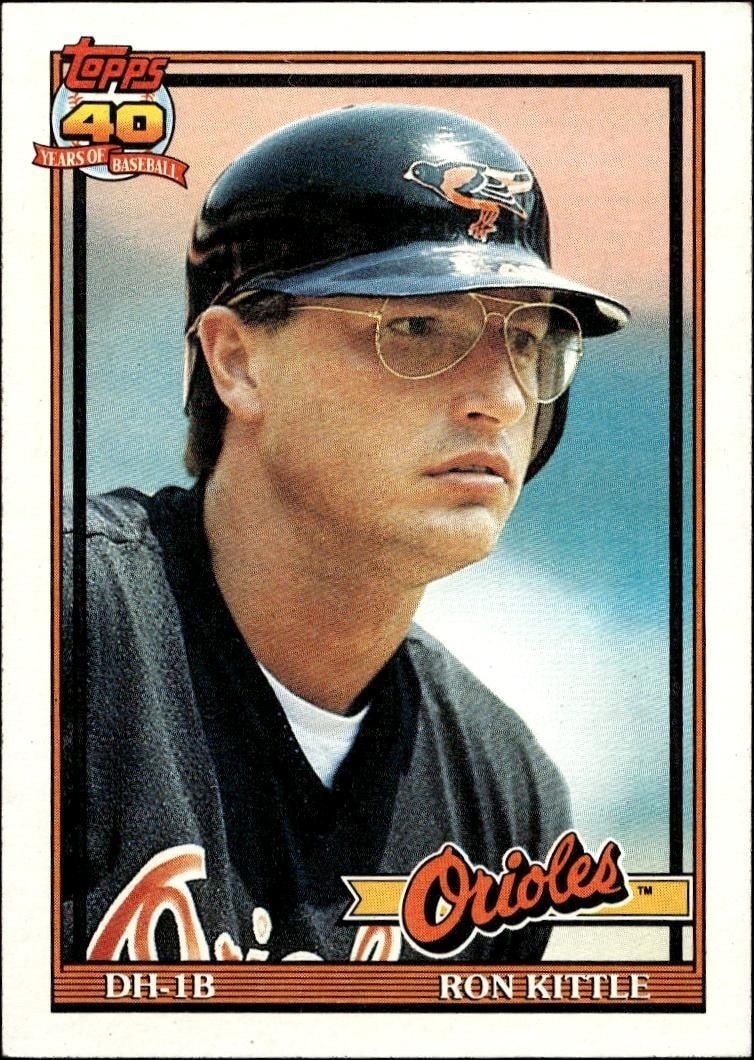





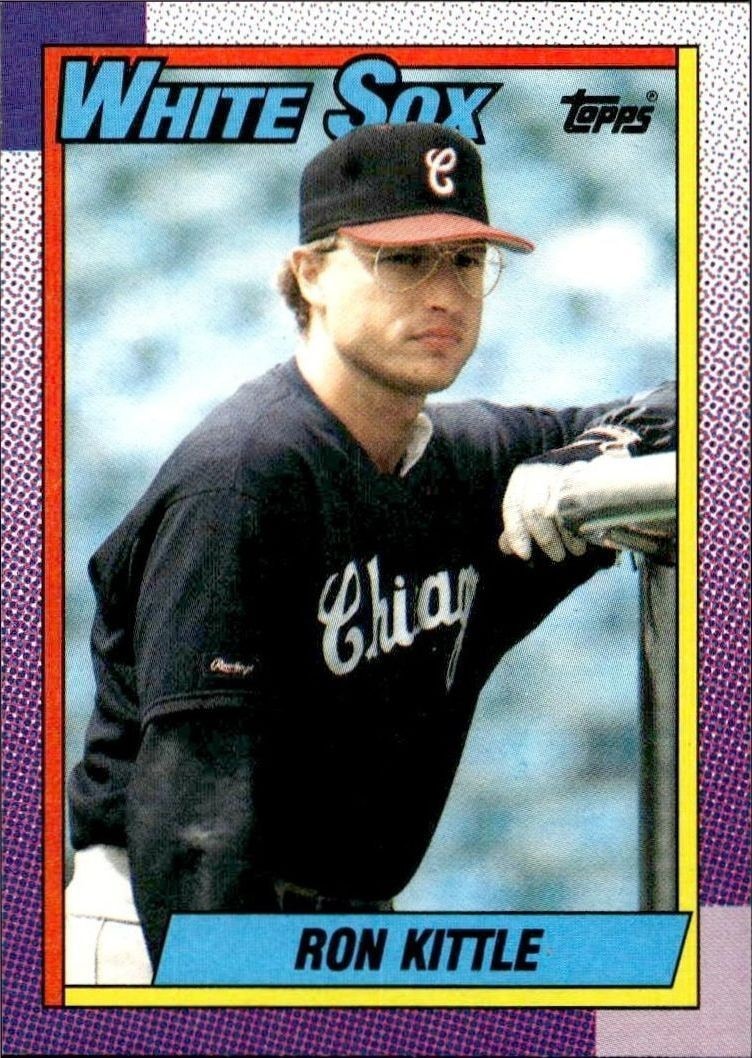


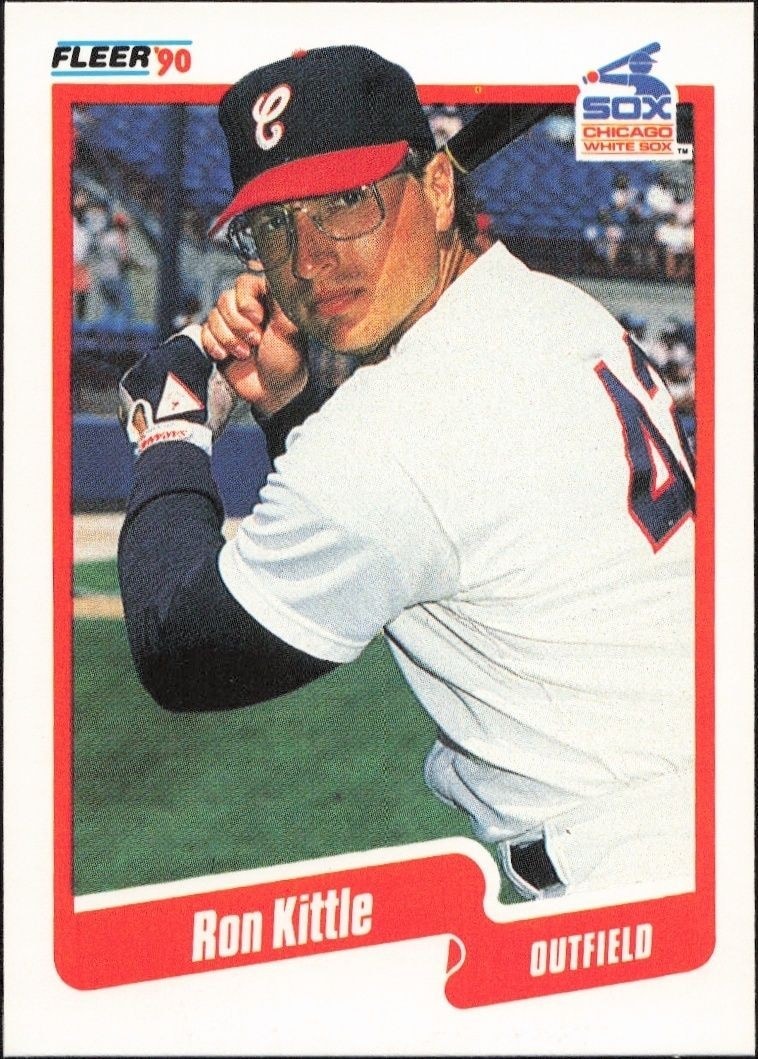
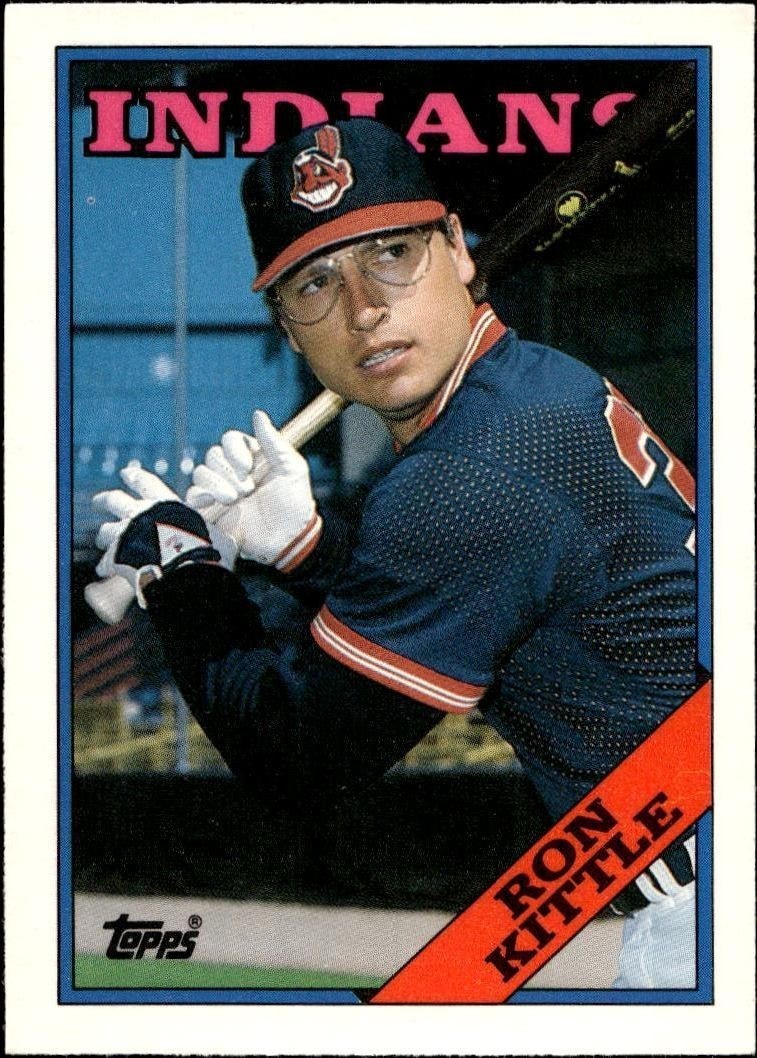

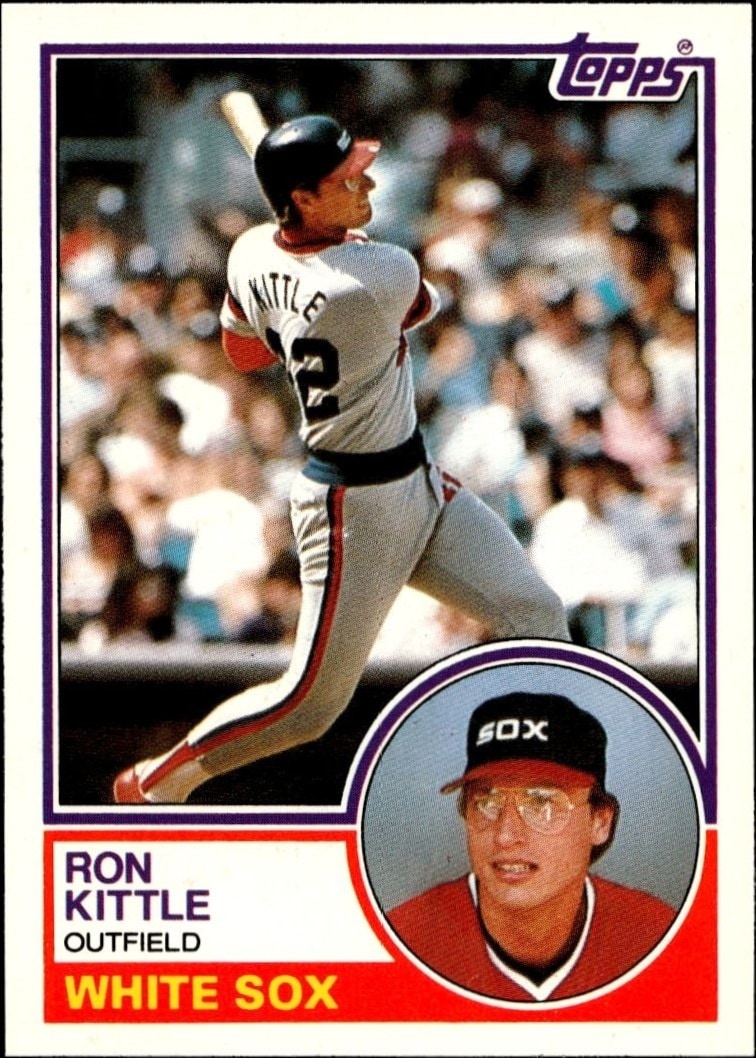
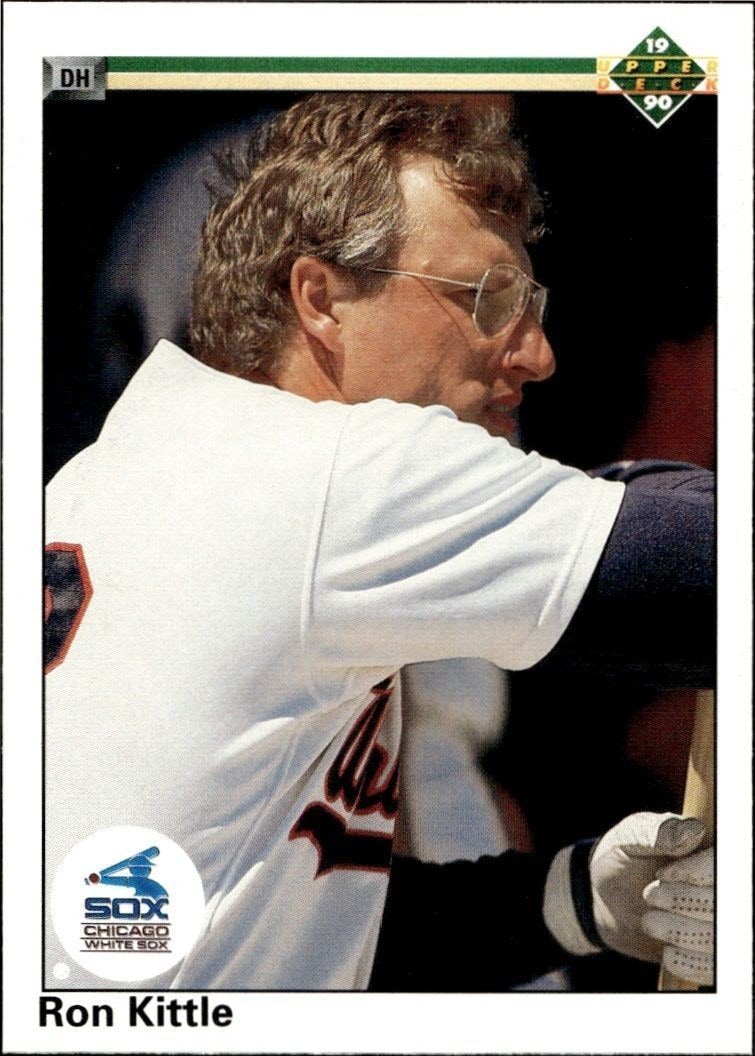
Explore the 1987 Topps Ron Kittle #584 baseball card, a classic piece of MLB trading card history featuring the New York Yankees player.
1987 • Topps
Major League Baseball • New York Yankees
Excellent
584
New
Shipping Calculated at Checkout
Arrives in 5-7 daysEstimated delivery October 23, 2026 - October 25, 2026
Seller returns October 19, 2026.30-day Returns| Condition | Value | Source | Trend | Price Details |
|---|---|---|---|---|
$0.99 | Guide Estimate | -1% | ||
$14.54 | Guide Estimate | -0.3% | ||
$16.00 | Guide Estimate | 0% | ||
Raw / Ungraded
PriceCharting Price Guide · Guide Estimate evidence · captured Oct 15, 2026
The 1987 Topps Ron Kittle #584 baseball card represents a specific moment in Major League Baseball history, capturing the player during his tenure with the New York Yankees. As part of the 1987 Topps set, this card is recognized by collectors for its place within one of the most widely distributed and historically significant annual releases in the hobby. The design reflects the era's aesthetic, offering a straightforward portrait that highlights the athlete's identity without the complex graphics found in later years. For enthusiasts of vintage sports trading cards, this numbered entry serves as a tangible connection to the 1980s MLB landscape. Ron Kittle's appearance on card #584 allows collectors to build portfolios around specific seasons, teams, or brands. Collectors frequently look for this card number to complete base set collections or to track the career paths of players who appeared in the league during that decade. Whether you are focusing on New York Yankees memorabilia or broader baseball history, this card provides a foundational element for any serious collection. The 1987 Topps Ron Kittle #584 card is a staple for those who appreciate the nostalgia and historical context of the sport. It offers a glimpse into the roster composition and visual style of that particular year, making it a valuable addition for anyone interested in the evolution of baseball card design and the players who graced the field during this time. From raw cards to professionally graded slabs, the market for 1987 Topps releases remains active and diverse. This card stands as a reminder of the enduring appeal of physical trading cards and the stories they tell about the game's past.
11 hours ago
We'll pre-fill the product details from this catalog entry, so your listing lands on this exact page. Just add photos of your copy, pick its condition, and set your price.
The catalog profile below summarizes the card identity, featured subject, and notable collectible traits.
The subject, team, league, and sport context tied to this card.
Production details and format-specific attributes.
Material
Card Stock
Language
English
Compare prices, grades, photos, and shipping from approved sellers.
New
Excellent
See how many public collections currently include this card.
0 collectors have this card
This 1987 Topps base card of Ron Kittle sits at the lower end of the market value spectrum for Yankees collectibles, reflecting its status as a common entry rather than a premium tier item. While Kittle’s brief but impactful tenure with New York provides historical interest, the card lacks the condition rarity or special finish that typically commands a premium in the secondary market. It trades in line with general bulk-market expectations for standard issues from this era, offering accessibility rather than exclusivity.
As a standard base card from the 1987 Topps set, this item does not possess any serial numbering, short-print status, or parallel variations that would artificially constrain supply. The scarcity is driven purely by natural wear and tear over decades, meaning high-grade examples are naturally fewer but not artificially limited by the manufacturer. Without special attributes or limited edition markers, the supply remains relatively fluid compared to serial-numbered or short-print counterparts.
Investment potential is limited by the card’s position as a non-premium base set entry, which typically sees modest appreciation tied only to broad vintage sports market trends. While rookie cards or special inserts for players of this era often benefit from stronger collector demand, this specific parallel lacks the scarcity mechanics that drive significant value growth. Collectors may acquire it for portfolio diversification or personal completion, but it does not exhibit the scarcity-driven demand mechanics required for strong investment returns.