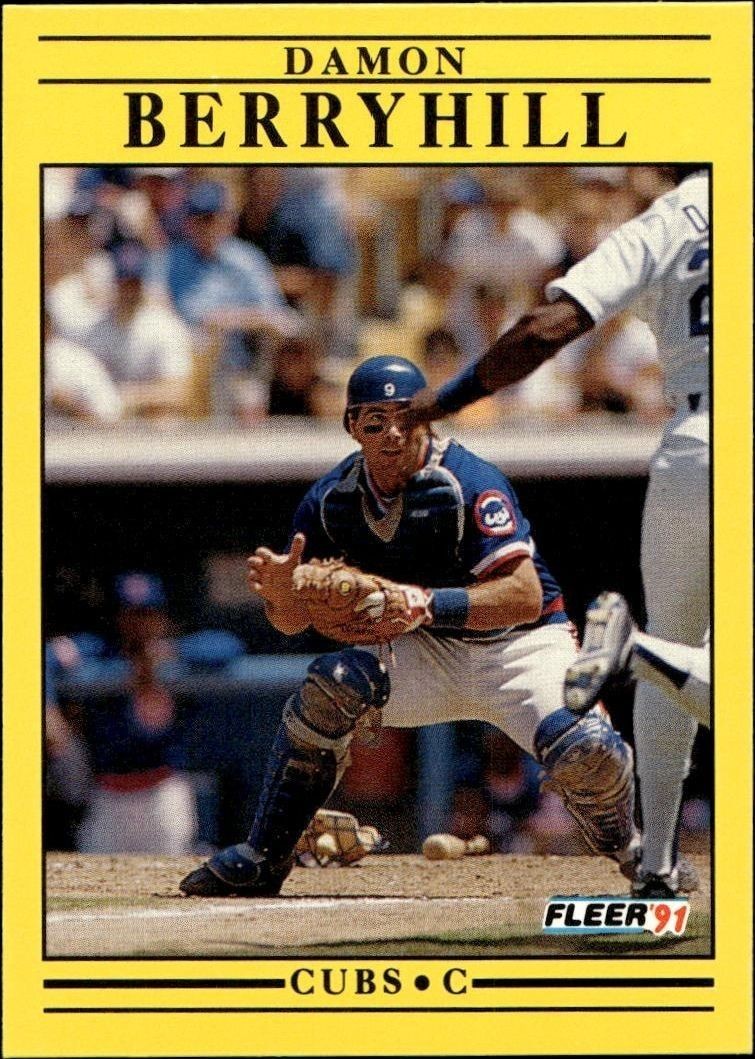



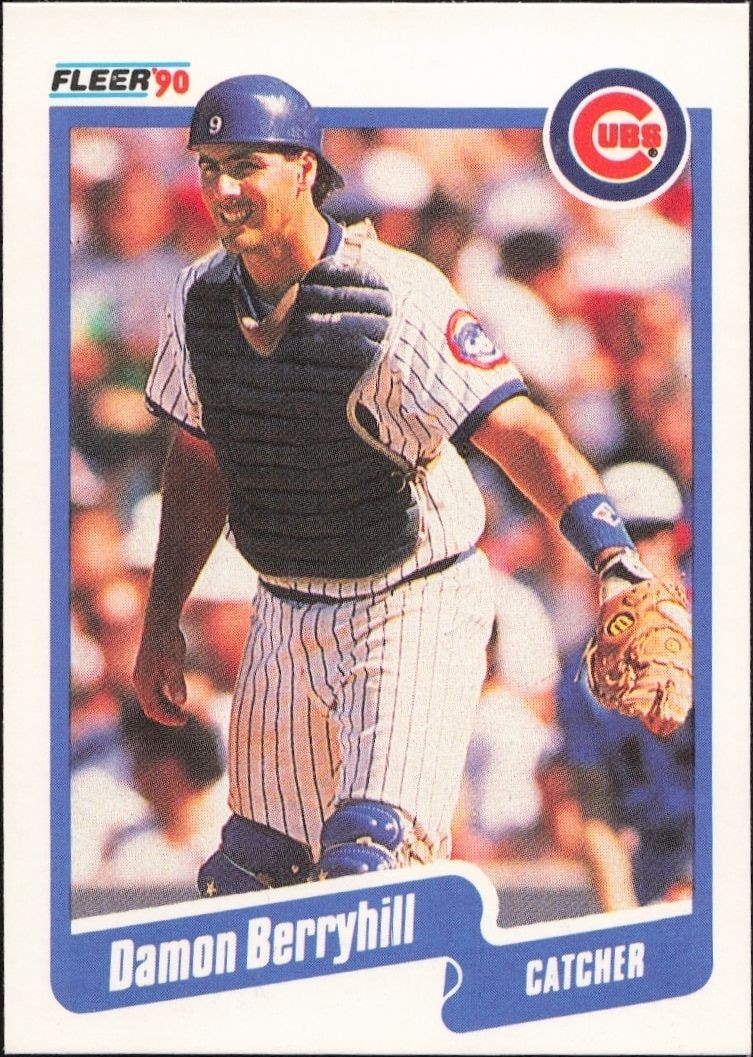
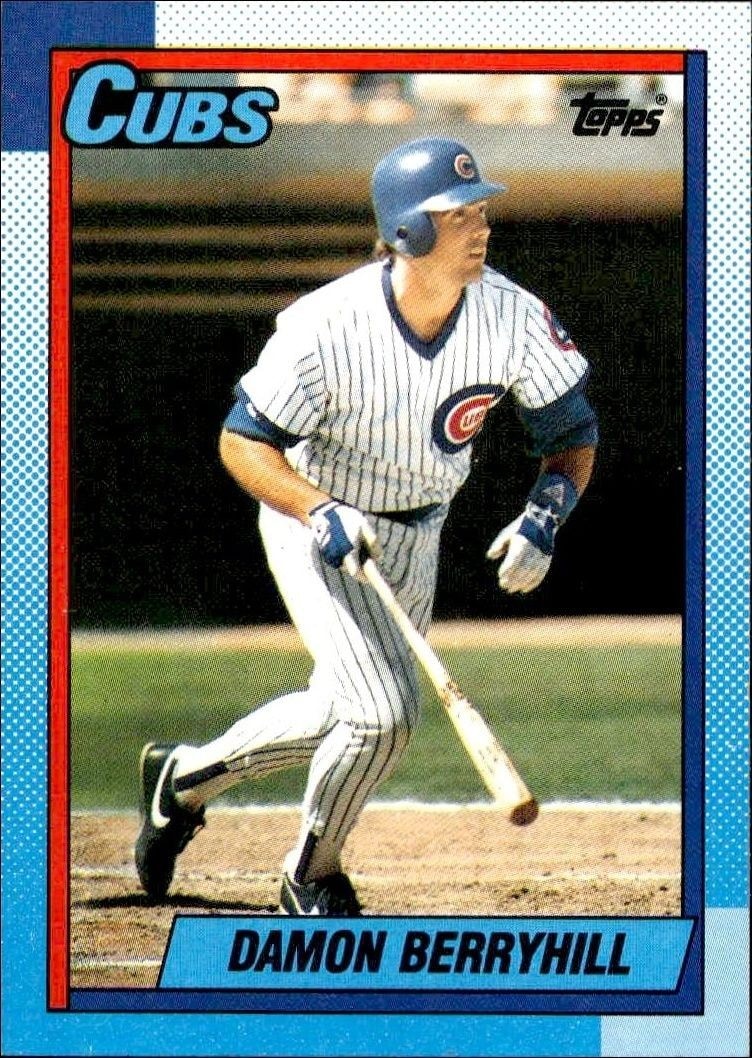
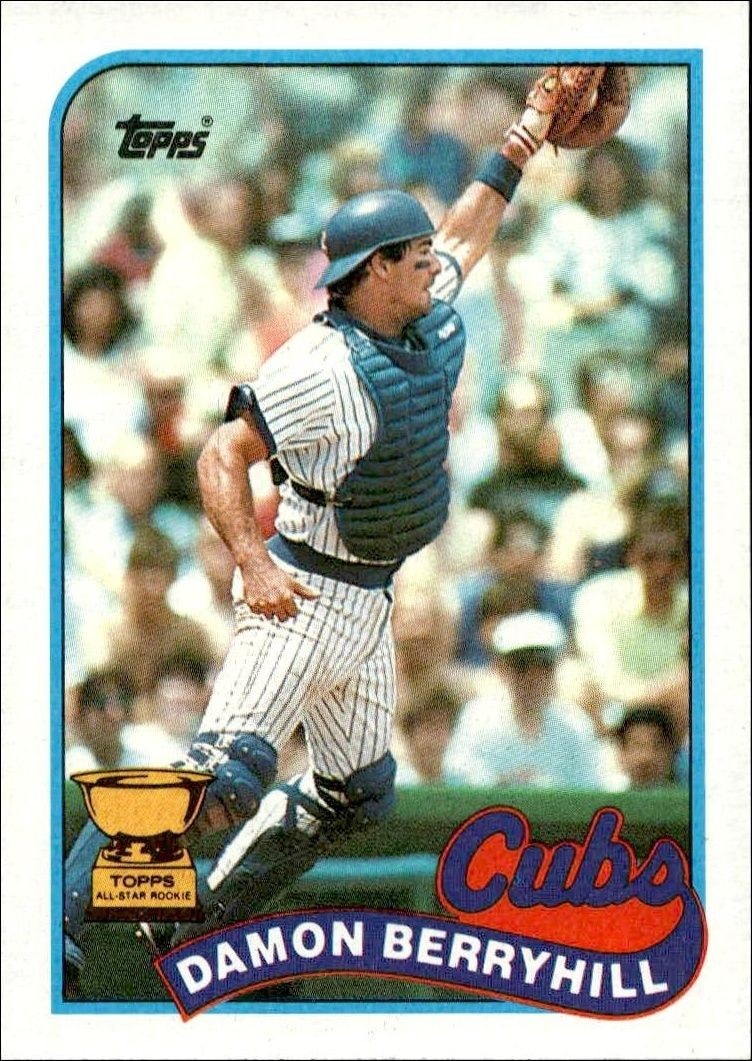
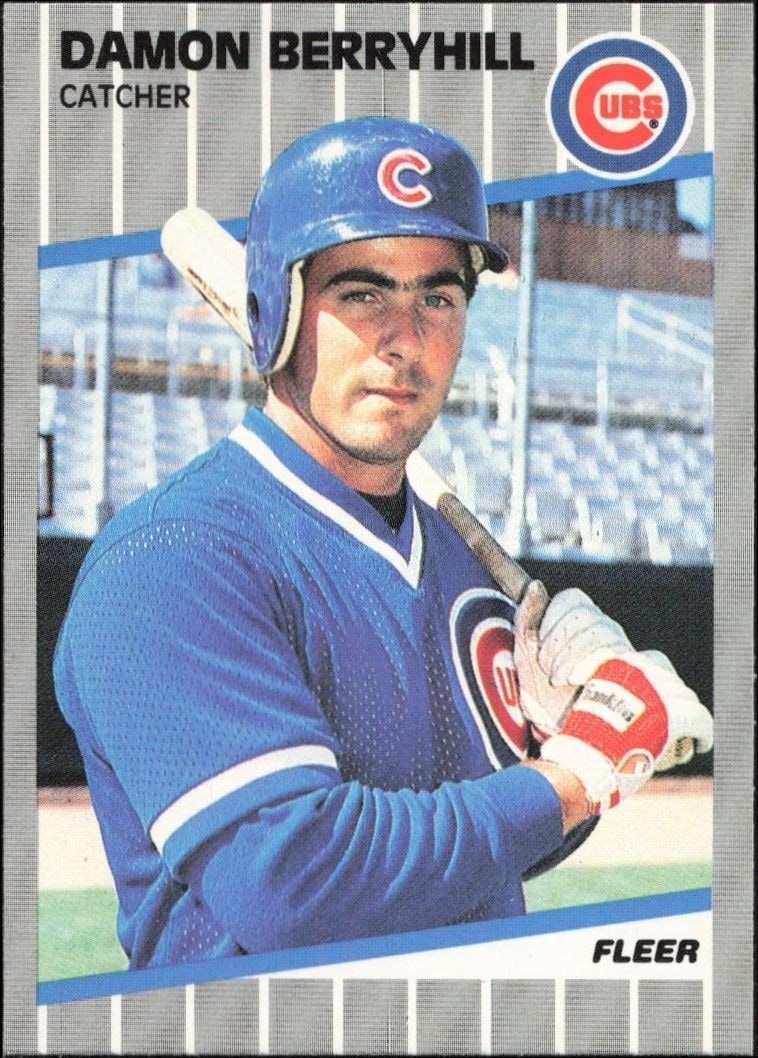
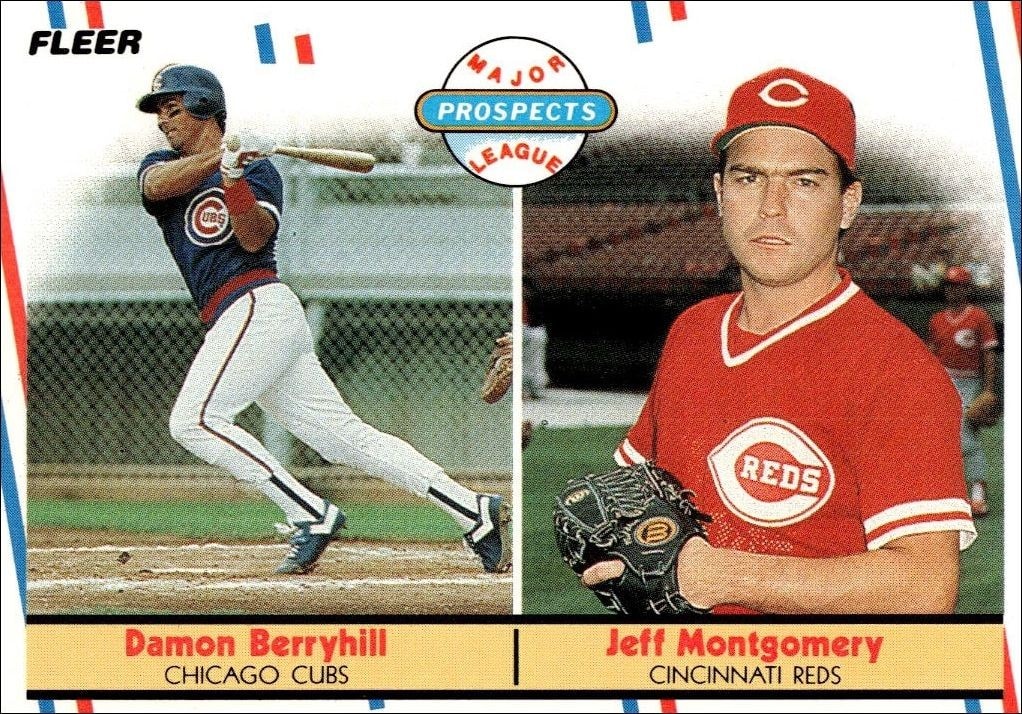
The 1991 Topps Stadium Club #28 Damon Berryhill baseball card represents a specific snapshot of the Chicago Cubs roster during the early 1990s, offering collectors a tangible piece of that era's MLB history.
1991 • Topps • Stadium Club
Major League Baseball • Chicago Cubs
Near Mint
28
New
Shipping Calculated at Checkout
Arrives in 4-6 daysEstimated delivery October 23, 2026 - October 25, 2026
Seller returns October 19, 2026.30-day Returns| Condition | Value | Source | Trend | Price Details |
|---|---|---|---|---|
$0.99 | Asking Prices | |||
Raw / Ungraded
eBay Active Listings · Asking Prices evidence · captured Oct 15, 2026
History is building. At least two days of matching observations are needed to show a trend.
Each point is the last stored observation that day for this printing, condition, grader, autograph status and source. Gaps mean no observation; guide estimates and asking prices are not completed sales.The 1991 Topps Stadium Club #28 Damon Berryhill baseball card stands as a notable entry for collectors focusing on the Chicago Cubs' roster from the early 1990s. This card, numbered 28 in the set, features Berryhill during his tenure with Chicago, providing a direct link to the team's lineup during that particular season. For enthusiasts of vintage sports memorabilia, cards from this period offer a distinct aesthetic and historical context that differentiates them from modern releases. Collecting the 1991 Topps Stadium Club series appeals to those who appreciate the design language and production values of the era. Damon Berryhill's inclusion in this lineup makes this card a valuable component for builders seeking to complete the full set or those specifically interested in Cubs history. Whether you are looking to add a piece of your childhood to your collection or seeking a specific player for a subset, this card provides a clear and recognizable image of Berryhill in his Cubs uniform. The appeal of the 1991 Topps Stadium Club #28 lies in its role as a primary base card within the series. It serves as an essential reference point for understanding the composition of the Cubs' infield during that time. Collectors often pursue these cards to fill gaps in their personal archives or to preserve a piece of baseball's rich heritage. The card's straightforward design and clear player identification make it an accessible and popular choice for both novice and seasoned collectors alike. As you explore the world of vintage baseball cards, the 1991 Topps Stadium Club series offers a compelling glimpse into the sport's past, with the Damon Berryhill #28 card serving as a key piece of that narrative.
1 day ago
We'll pre-fill the product details from this catalog entry, so your listing lands on this exact page. Just add photos of your copy, pick its condition, and set your price.
The catalog profile below summarizes the card identity, featured subject, and notable collectible traits.
The core identity of the card within the set.
The subject, team, league, and sport context tied to this card.
Production details and format-specific attributes.
Material
Card Stock
Language
English
Compare prices, grades, photos, and shipping from approved sellers.
New
Near Mint
See how many public collections currently include this card.
0 collectors have this card
This 1991 Stadium Club base card represents an entry-level price tier for Damon Berryhill, reflecting its status as a standard issue rather than a premium subset. While Berryhill holds significance as a key figure in the Cubs' early 90s lineup, this specific base variant lacks the scarcity drivers that typically command premiums over similar era counterparts. The current market positioning indicates it trades at the lower end of the spectrum for non-rookie, non-parallel cards from this specific brand and year.
As a base card with no noted special attributes, this item does not benefit from serial numbering, short-print designations, or parallel variations that artificially constrain supply. The lack of unique scarcity mechanics means the available inventory is determined entirely by original production volumes and surviving population, rather than intentional distribution limits. Consequently, it shares the broadest availability within the Stadium Club set, making it the most common variant for this player in this release.
Investment potential is limited by the card's position as a standard base issue, which typically sees minimal appreciation compared to parallel or insert versions from the same set. Collector demand for this specific card is driven primarily by general Cubs memorabilia interest rather than specific scarcity metrics or rookie card premiums. Long-term value growth is unlikely to outpace the broader market for 1990s baseball cards unless the player achieves significant Hall of Fame-level recognition, which is not indicated by the current attributes.