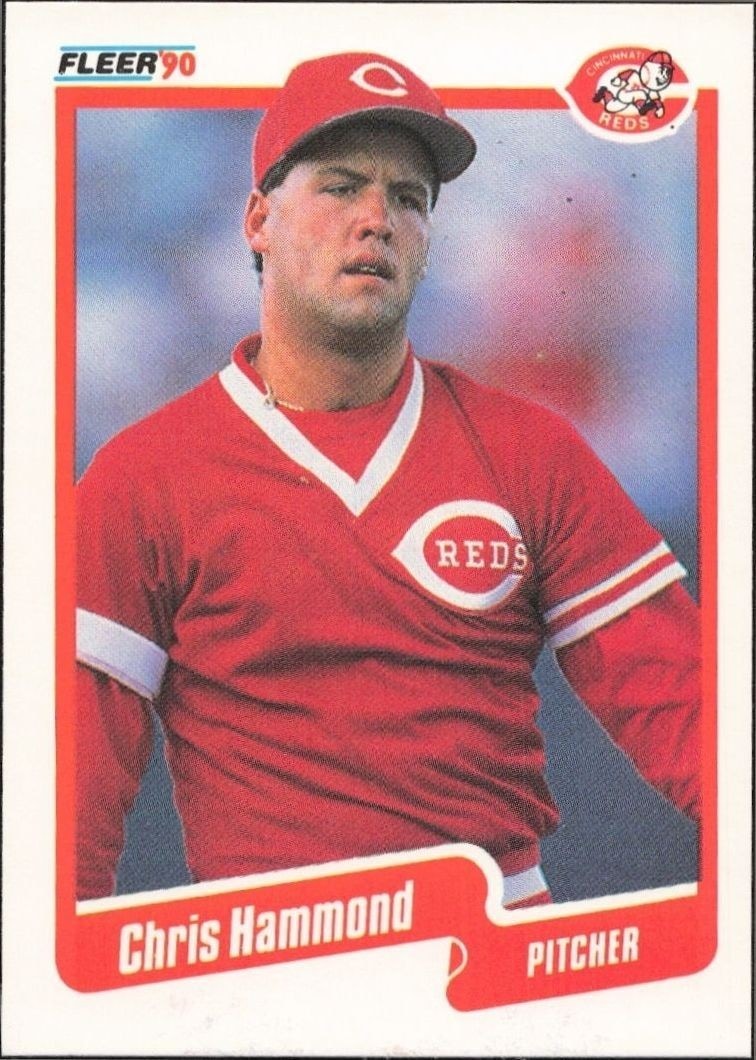



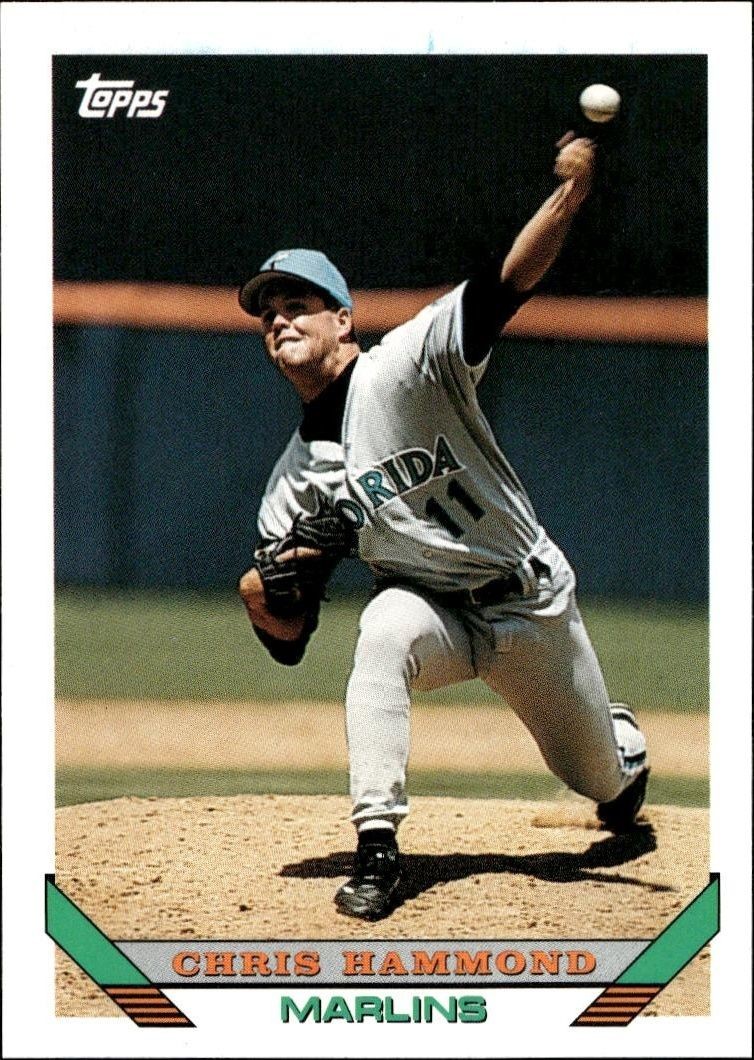
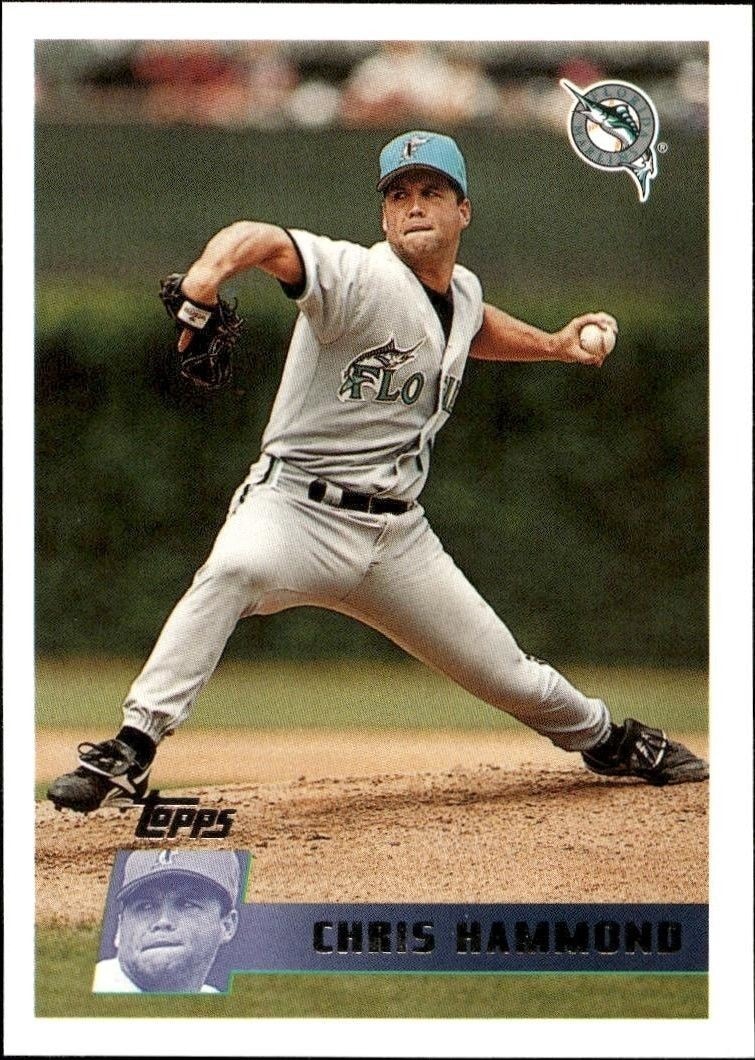
The 1994 Topps Chris Hammond Gold #189 baseball card is a premium foil parallel from the classic 1994 Topps set, featuring the Florida Marlins infielder.
1994 • Topps • Gold
Major League Baseball • Florida Marlins
Near Mint
189
New
Shipping Calculated at Checkout
Arrives in 5-7 daysEstimated delivery October 23, 2026 - October 25, 2026
Seller returns October 19, 2026.30-day Returns| Condition | Value | Source | Trend | Price Details |
|---|---|---|---|---|
$1.00As of 9/27/2026 | Guide Estimate | |||
Raw / Ungraded
PriceCharting Price Guide · Guide Estimate evidence · captured Sep 27, 2026
History is building. At least two days of matching observations are needed to show a trend.
Each point is the last stored observation that day for this printing, condition, grader, autograph status and source. Gaps mean no observation; guide estimates and asking prices are not completed sales.The 1994 Topps Chris Hammond Gold #189 stands out within the broader 1994 Topps baseball card release as a high-end foil parallel. This card number is recognized by collectors for its distinctive metallic finish, which contrasts sharply with the standard base cards issued during that era. As a parallel variant, the Gold treatment adds a layer of visual appeal and rarity that appeals to both set builders and specialized collectors who focus on premium finishes. Chris Hammond’s tenure with the Florida Marlins during the mid-1990s represents a significant period in the franchise's early history. This card captures Hammond in his Marlins uniform, offering a tangible connection to the team's development phase in Major League Baseball. For investors and hobbyists alike, parallels from the 1994 Topps set are often sought after for their durability and classic design language, which has remained a staple in sports memorabilia collecting. The Gold parallel is particularly notable for its bold aesthetic, making it a standout piece in any collection of 1990s baseball cards. Collectors often target this card number to complete their parallel sets or to acquire a higher-quality example of Hammond's career. The enduring popularity of the 1994 Topps brand ensures that variants like this Gold #189 remain relevant in the secondary market. Whether you are looking to add depth to a Marlins collection or focus on premium parallels from the 1990s, this card offers a compelling option for serious enthusiasts.
13 hours ago
We'll pre-fill the product details from this catalog entry, so your listing lands on this exact page. Just add photos of your copy, pick its condition, and set your price.
The catalog profile below summarizes the card identity, featured subject, and notable collectible traits.
The core identity of the card within the set.
The subject, team, league, and sport context tied to this card.
Production details and format-specific attributes.
Material
Card Stock
Language
English
Compare prices, grades, photos, and shipping from approved sellers.
New
Near Mint
See how many public collections currently include this card.
0 collectors have this card
This 1994 Topps Chris Hammond card sits at the lower end of the market value spectrum, reflecting its status as a base parallel rather than a premium insert or rookie card. While the player has MLB experience, the lack of special attributes keeps this specific sheet in a budget-friendly tier compared to more sought-after contemporaries from the same era. It represents an accessible entry point for collectors focusing on the original Florida Marlins roster without commanding the premiums associated with higher-tier variations.
The card lacks any scarcity drivers such as serial numbering, short-print status, or unique parallels, meaning it is part of the standard base set production. This unrestricted supply model typically results in higher availability in the secondary market, preventing significant value appreciation based on rarity alone. Collectors should view this as a common variant where condition becomes the primary differentiator rather than limited edition mechanics.
As a non-rookie card from a standard base set, the investment potential is limited by the sheer volume of existing copies and the absence of rookie-card premium mechanics. Demand is likely driven primarily by completists building specific team sets or players rather than speculative investors seeking high returns. Long-term value stability is more probable than aggressive growth, making it suitable for collection purposes rather than financial speculation.