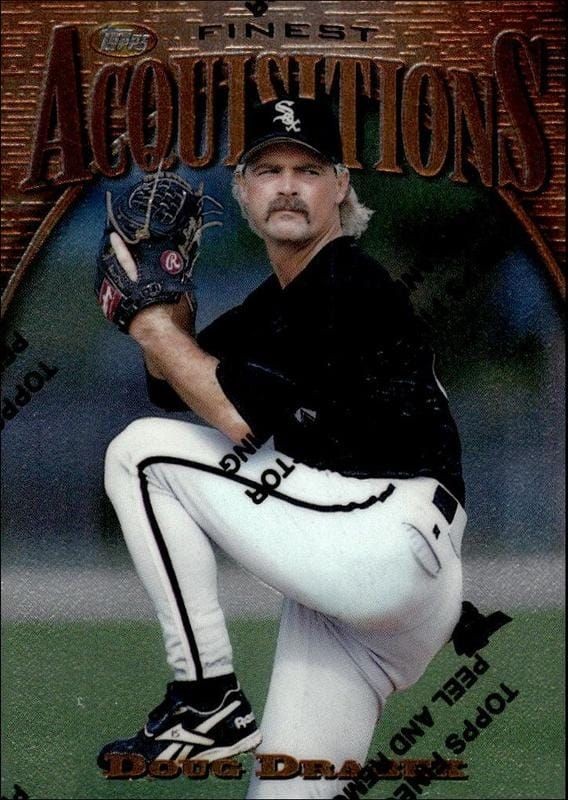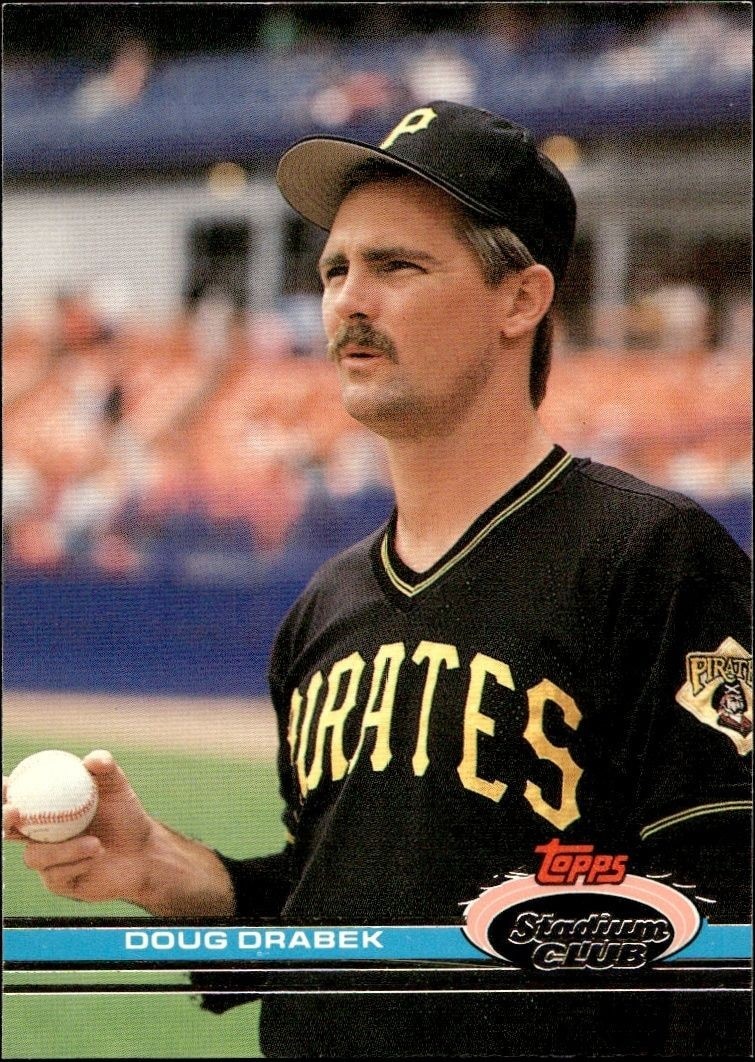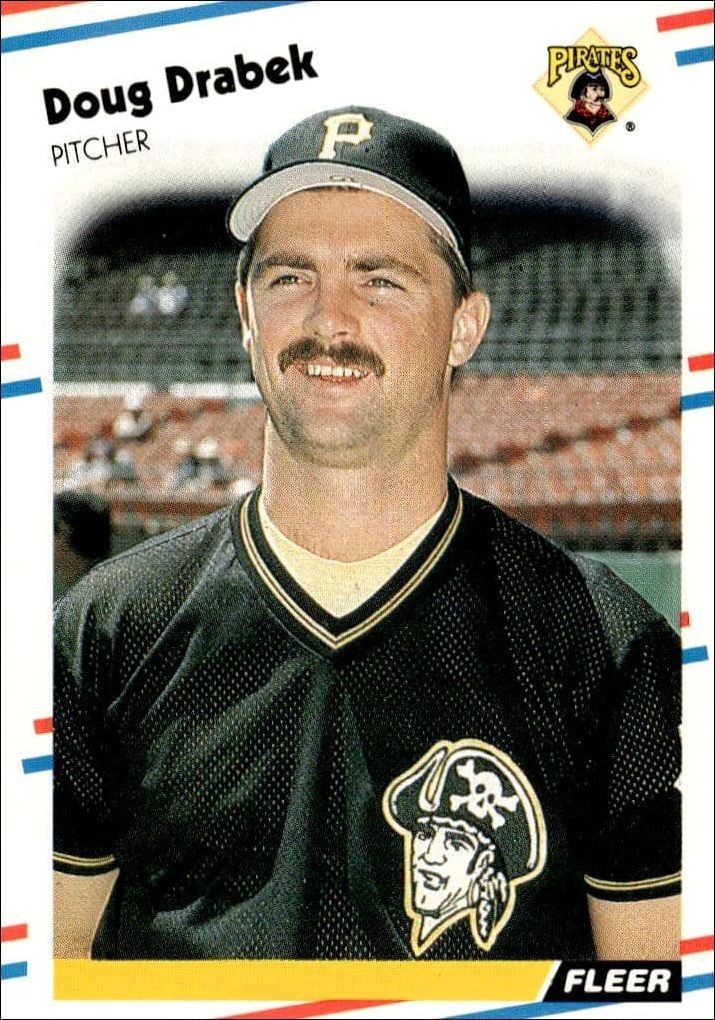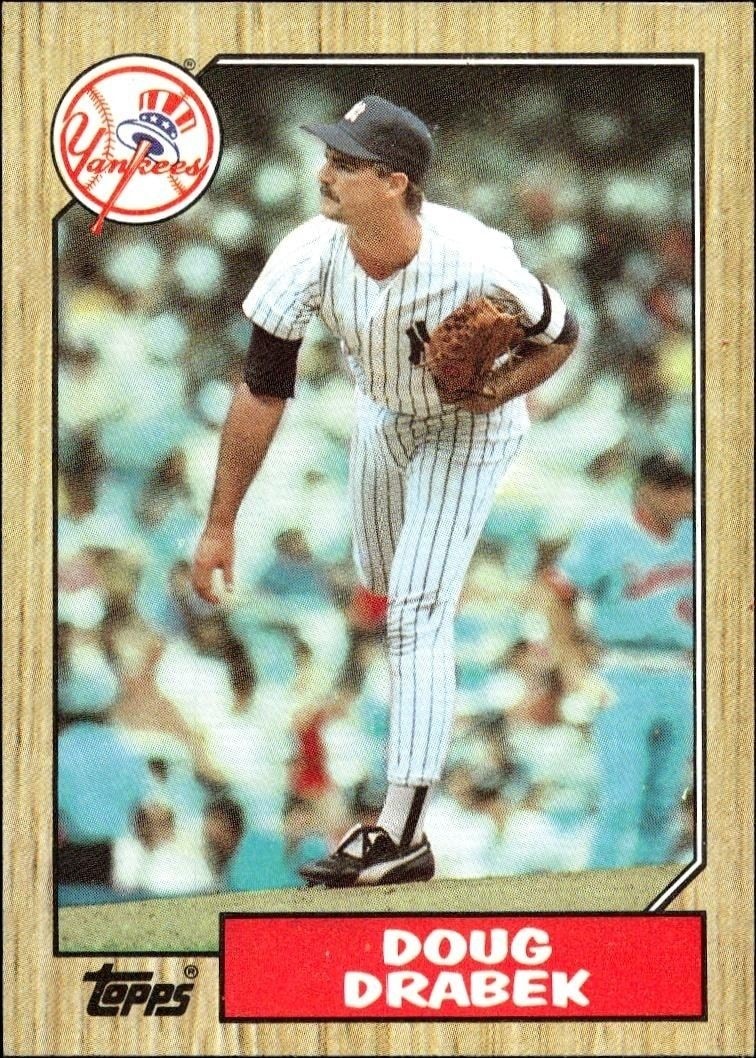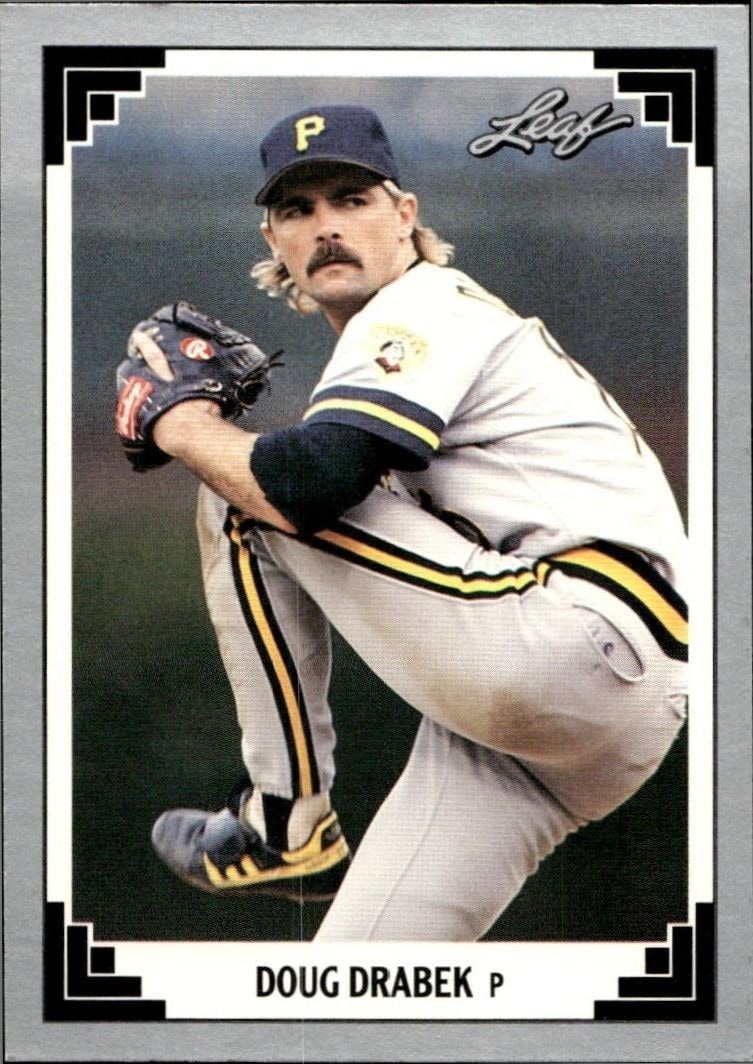





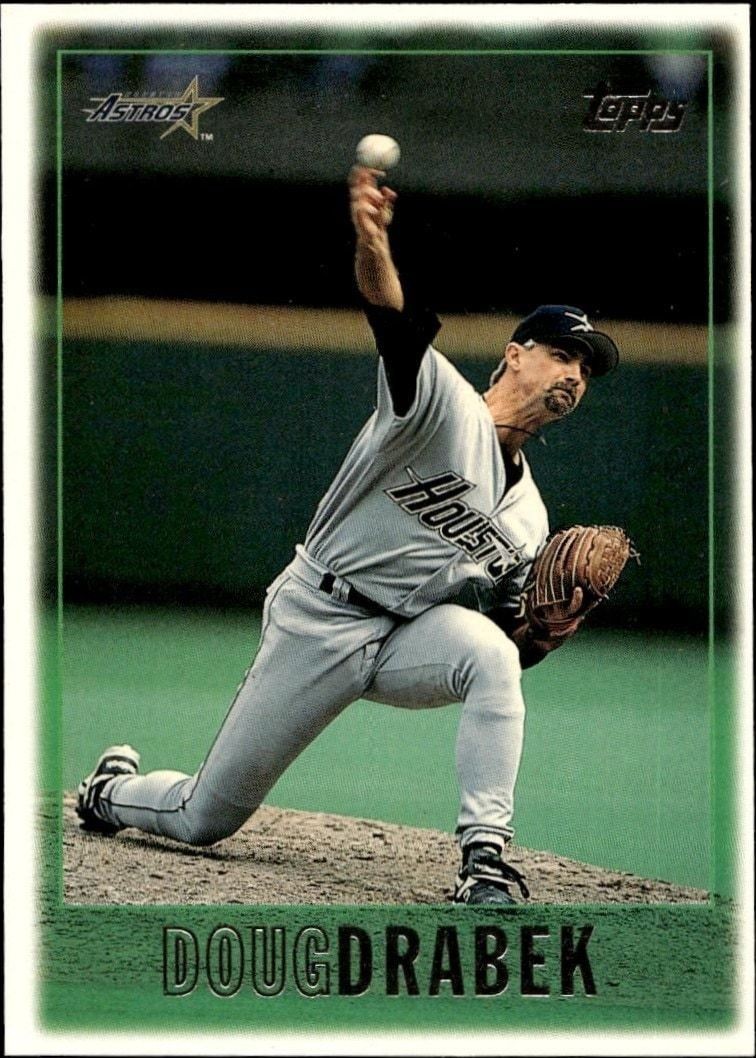


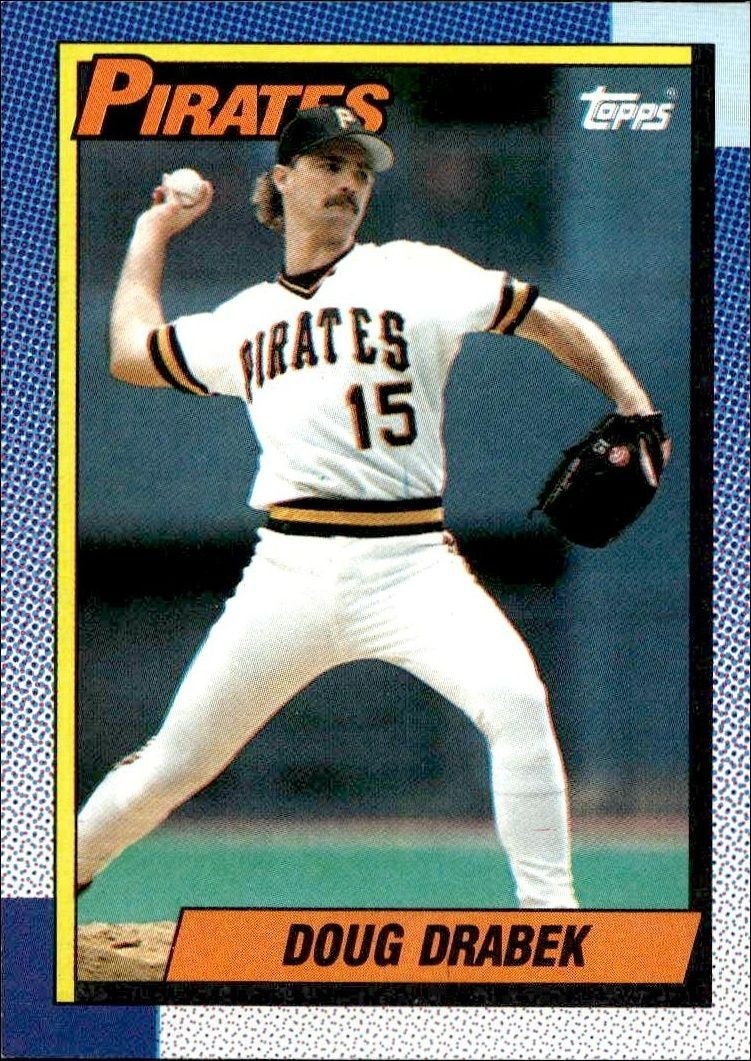
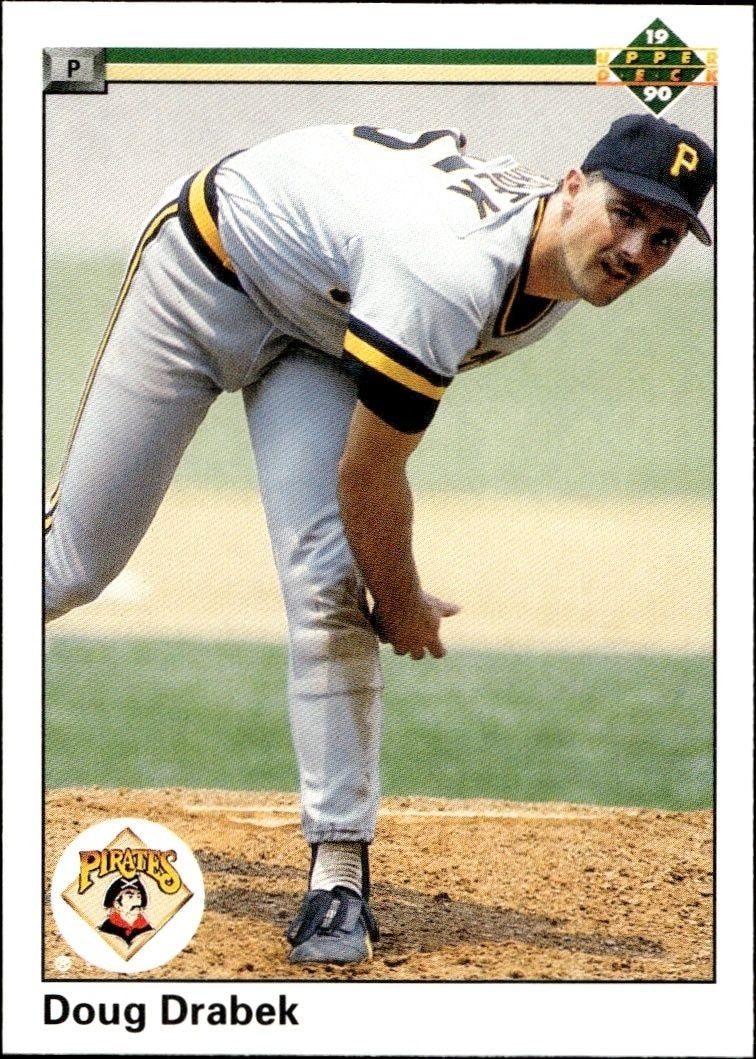
The 1994 Topps Doug Drabek #220 Gold parallel offers a premium foil finish to this Houston Astros baseball card, appealing to collectors seeking distinctive set variations.
1994 • Topps • Gold
Major League Baseball • Houston Astros
Near Mint
220
New
Shipping Calculated at Checkout
Arrives in 5-7 daysEstimated delivery October 23, 2026 - October 25, 2026
Seller returns October 19, 2026.30-day Returns| Condition | Value | Source | Trend | Price Details |
|---|---|---|---|---|
$1.49As of 9/25/2026 | Guide Estimate | |||
Raw / Ungraded
PriceCharting Price Guide · Guide Estimate evidence · captured Sep 26, 2026
History is building. At least two days of matching observations are needed to show a trend.
Each point is the last stored observation that day for this printing, condition, grader, autograph status and source. Gaps mean no observation; guide estimates and asking prices are not completed sales.The 1994 Topps Doug Drabek #220 Gold parallel stands out as a distinctive variation within one of baseball's most recognized trading card series. This release features the Houston Astros pitcher, capturing his presence in the league during the mid-1990s season. The Gold parallel treatment adds a layer of visual appeal that separates it from the standard base cards, making it a sought-after item for those who appreciate unique subset finishes. Collectors often focus on completing sets or hunting for specific parallel variants to add depth to their portfolios. The Gold foil treatment applied to card number 220 provides a shimmering aesthetic that catches the light differently than the standard print run. For investors and hobbyists alike, owning a piece of the 1994 Topps baseball card landscape means acquiring a tangible connection to that era of the sport. Doug Drabek's inclusion in this premium subset highlights the manufacturer's approach to creating variety within the annual release. Whether you are a long-time fan of the Houston Astros or a dedicated collector of 1990s baseball memorabilia, this card offers a compelling addition to any collection. The Gold parallel is not just another card; it is a specific variant that demands attention due to its distinctive finish. Understanding the nuances of parallel cards can enhance the collecting experience. The Gold variation represents a deliberate design choice by the manufacturer to offer collectors an alternative to the base card. This creates a more dynamic market for enthusiasts looking to diversify their holdings. By focusing on the specific attributes of the 1994 Topps Doug Drabek #220 Gold parallel, collectors can make informed decisions about their acquisitions, valuing the unique characteristics that each variant brings to the table.
14 hours ago
We'll pre-fill the product details from this catalog entry, so your listing lands on this exact page. Just add photos of your copy, pick its condition, and set your price.
The catalog profile below summarizes the card identity, featured subject, and notable collectible traits.
The core identity of the card within the set.
The subject, team, league, and sport context tied to this card.
Production details and format-specific attributes.
Material
Card Stock
Language
English
Compare prices, grades, photos, and shipping from approved sellers.
New
Near Mint
See how many public collections currently include this card.
0 collectors have this card
This 1994 Topps Doug Drabek card represents a baseline entry point for Houston Astros collectors, reflecting its status as a common base card from a standard set. While it lacks the premium tier associated with rookie issues or high-grade variations, it remains accessible for casual fans looking to complete a team set. The current market positioning indicates steady, low-volume trading activity typical of non-star player cards from this era.
As a standard base card with no special attributes such as parallels, short prints, or serial numbering, this item carries no artificial scarcity mechanisms. Its supply is determined solely by the original mass production run of the 1994 Topps set, making it widely available in the secondary market. Consequently, it does not benefit from the limited supply dynamics that drive value in elite variants.
Investment potential is limited due to the absence of rookie status, which is a primary driver for long-term appreciation in baseball card collecting. Demand is likely restricted to completists seeking specific team representations rather than investors targeting high-growth assets. Collectors should view this item as a functional component of a set rather than a standalone speculative asset.