


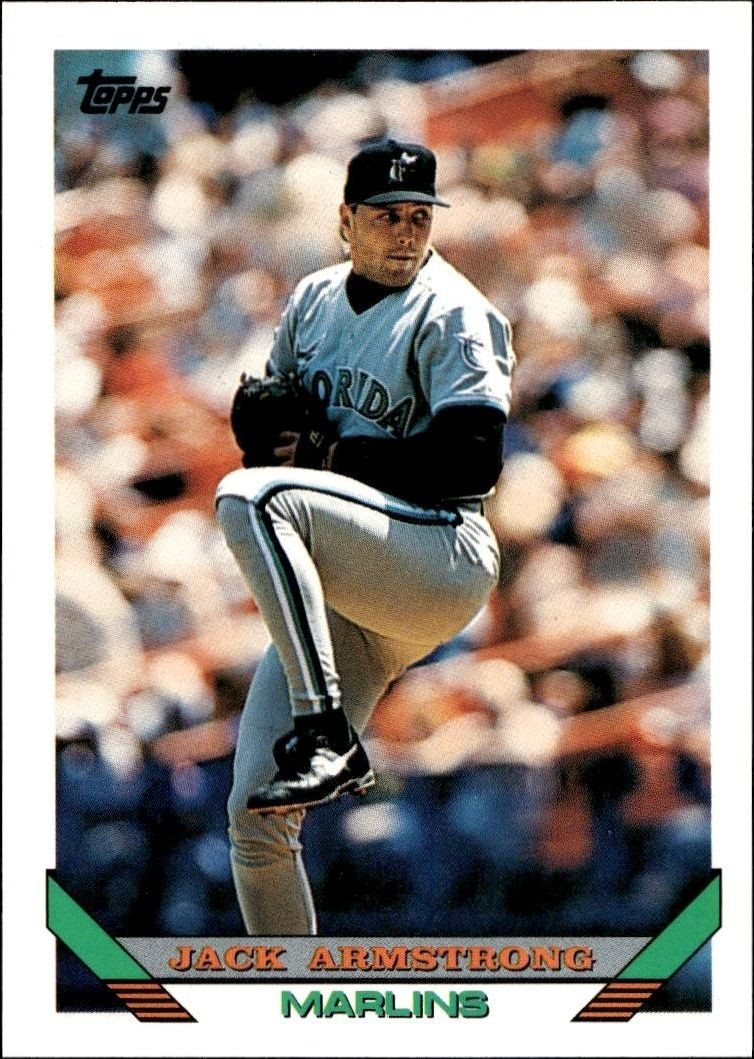
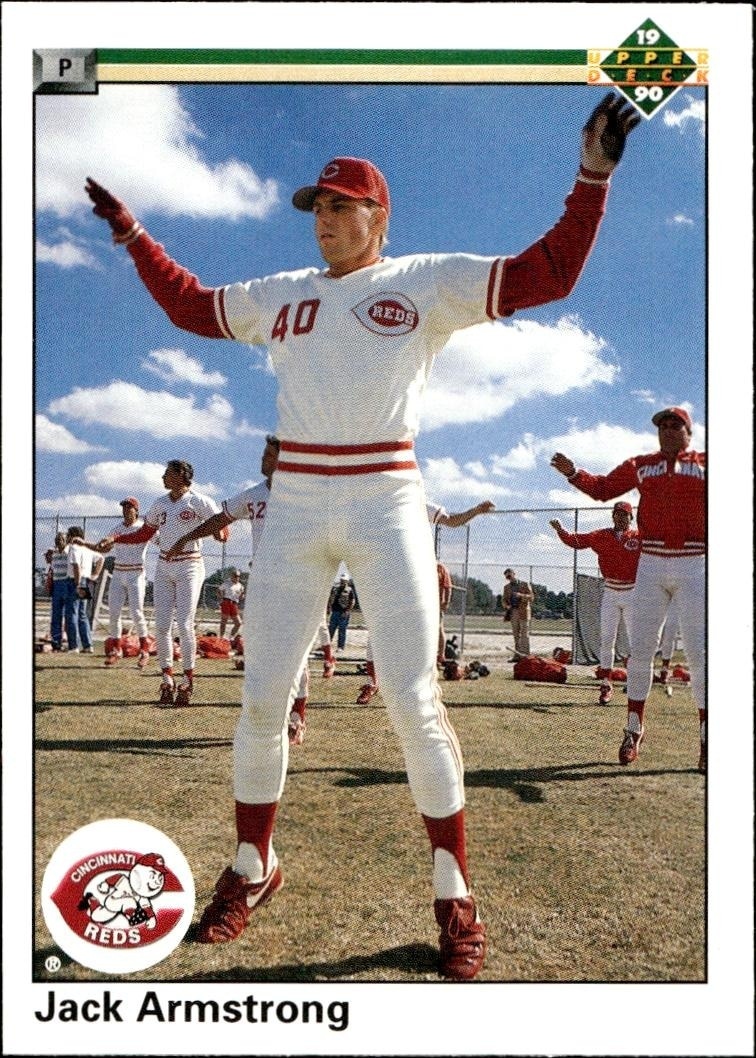
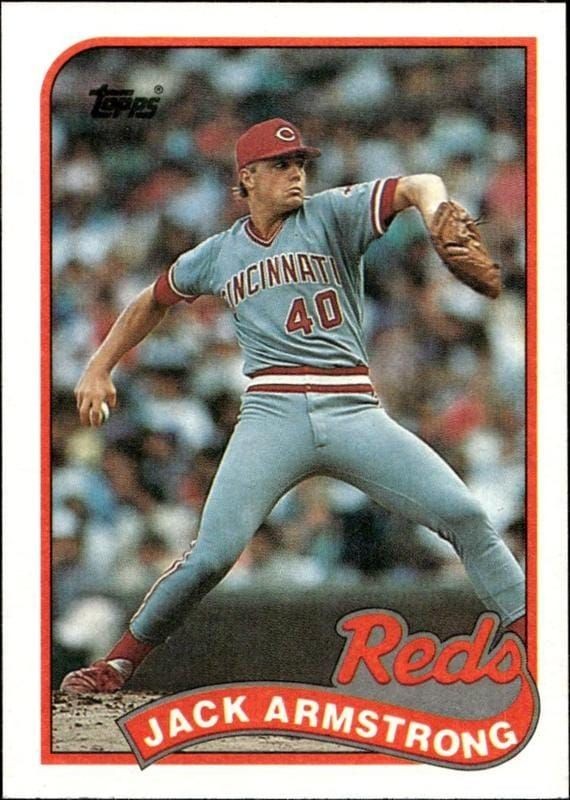
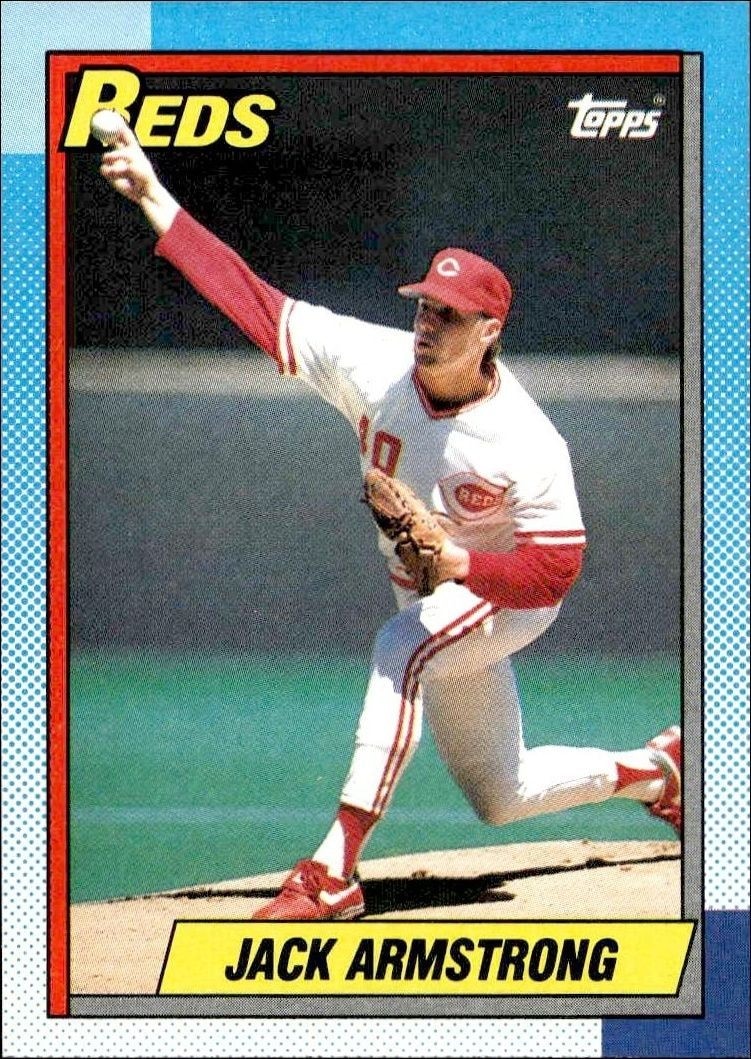
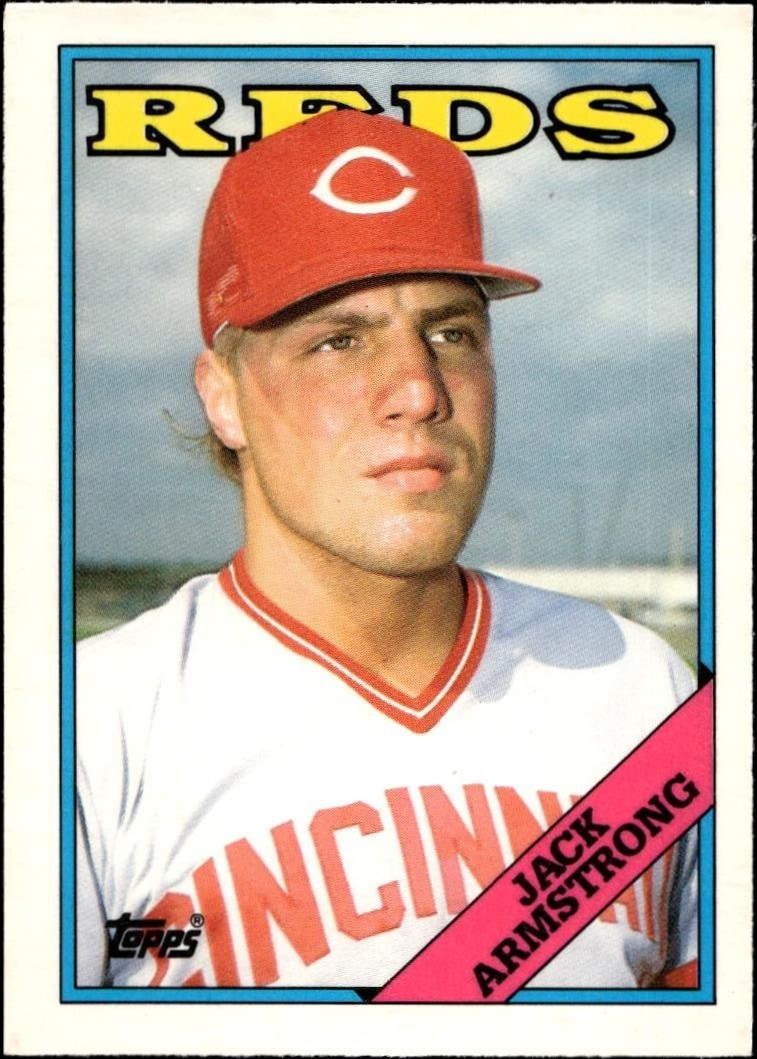
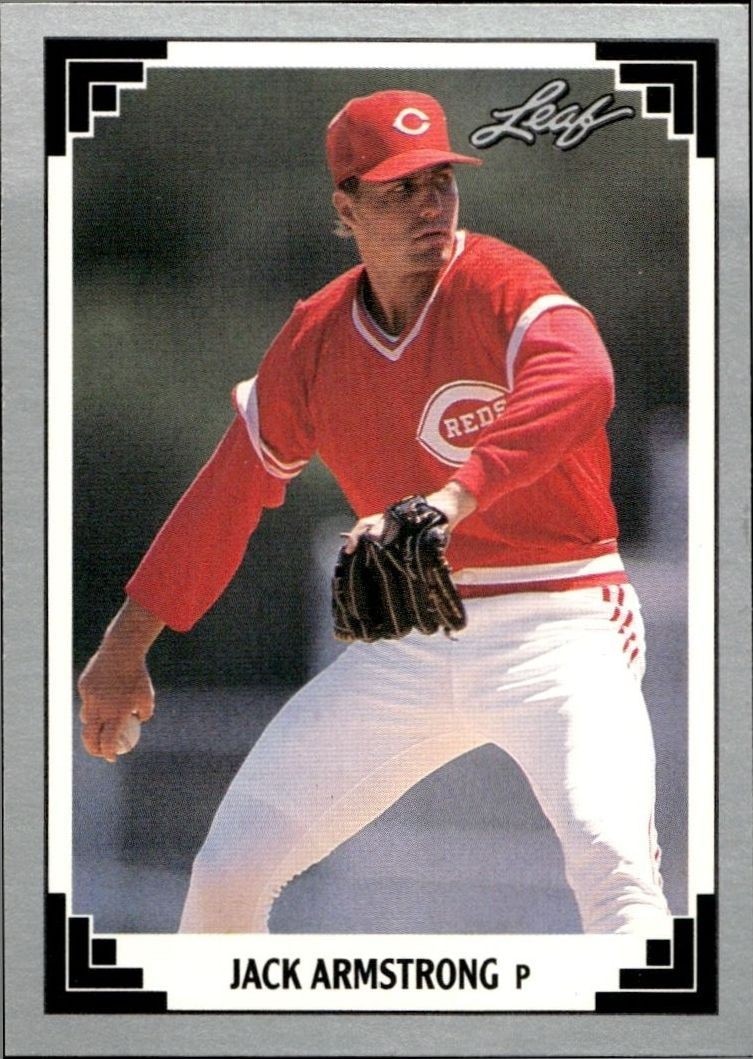
Identify the 1994 Topps baseball card featuring Florida Marlins player Jack Armstrong. This product is the Gold parallel variant, numbered #551 in the base set.
1994 • Topps • Gold
Major League Baseball • Florida Marlins
Near Mint
551
New
Shipping Calculated at Checkout
Arrives in 4-6 daysEstimated delivery October 24, 2026 - October 26, 2026
30-day Returns| Condition | Value | Source | Trend | Price Details |
|---|---|---|---|---|
$1.00 | Asking Prices | 0% | ||
Raw / Ungraded
eBay Active Listings · Asking Prices evidence · captured Oct 16, 2026
The 1994 Topps baseball card series remains a cornerstone for collectors documenting the early expansion era of Major League Baseball. This entry features Jack Armstrong, who was a key starting pitcher for the newly formed Florida Marlins during their inaugural season. As card #551 in the base set, it captures a pivotal moment in franchise history, offering a tangible connection to the team's debut year. The Gold parallel variation distinguishes this card from its base counterparts through its distinctive metallic finish. Released by Topps in 1994, the brand was known for its straightforward, photo-centric design that prioritized clarity and player identification. The Gold parallel treatment adds a layer of visual appeal, utilizing a foil stamping process that gives the card a shimmering, premium appearance without altering the underlying photographic composition. Collectors often seek out these foil variations to add visual diversity to their base set collections. For investors and hobbyists alike, cards from the mid-1990s hold significant nostalgic value. Jack Armstrong's presence on this card represents the player's tenure with Florida before his subsequent moves throughout his career. The Gold parallel is a sought-after subset within the Topps ecosystem, appealing to those who appreciate the contrast between the standard card and its more luxurious foil counterpart. Owning a piece of the 1994 Topps Jack Armstrong Gold parallel allows collectors to highlight a specific player within the context of a historic season. Whether building a complete base set or focusing on parallel variations, this card serves as a vital component for anyone tracking the evolution of baseball card design in the 1990s. The enduring popularity of Topps products ensures that this card remains a relevant and recognizable item in the sports trading card market.
18 hours ago
We'll pre-fill the product details from this catalog entry, so your listing lands on this exact page. Just add photos of your copy, pick its condition, and set your price.
The catalog profile below summarizes the card identity, featured subject, and notable collectible traits.
The core identity of the card within the set.
The subject, team, league, and sport context tied to this card.
Production details and format-specific attributes.
Material
Card Stock
Language
English
Compare prices, grades, photos, and shipping from approved sellers.
New
Near Mint
See how many public collections currently include this card.
0 collectors have this card
This card represents a baseline entry-level asset for the 1994 Topps set, reflecting its status as a common base card of a young Jack Armstrong during the Florida Marlins' early expansion era. Its current market positioning is subdued, consistent with high-supply, non-premium cards from this specific vintage year that have not seen significant appreciation. Value is primarily driven by bulk set completion needs rather than individual player demand or condition scarcity.
As a standard base card with no noted parallels, short-print designations, or serial numbering, this item carries no inherent scarcity mechanics beyond its original print run distribution. The absence of special attributes means it exists in the highest possible supply tier within the 1994 Topps product line. Consequently, it lacks the limited-edition constraints that typically drive secondary market premiums for collectors seeking specific subsets or variations.
The investment potential is limited due to the card's classification as a non-premium base issue from a high-volume production year. While the 1994 Topps set holds nostalgic value for collectors of the Marlins' inaugural seasons, this specific unadorned card does not capture the rookie-card premium or parallel rarity that typically fuels growth. Long-term value retention relies on general vintage set demand rather than individual card uniqueness or scarcity drivers.