


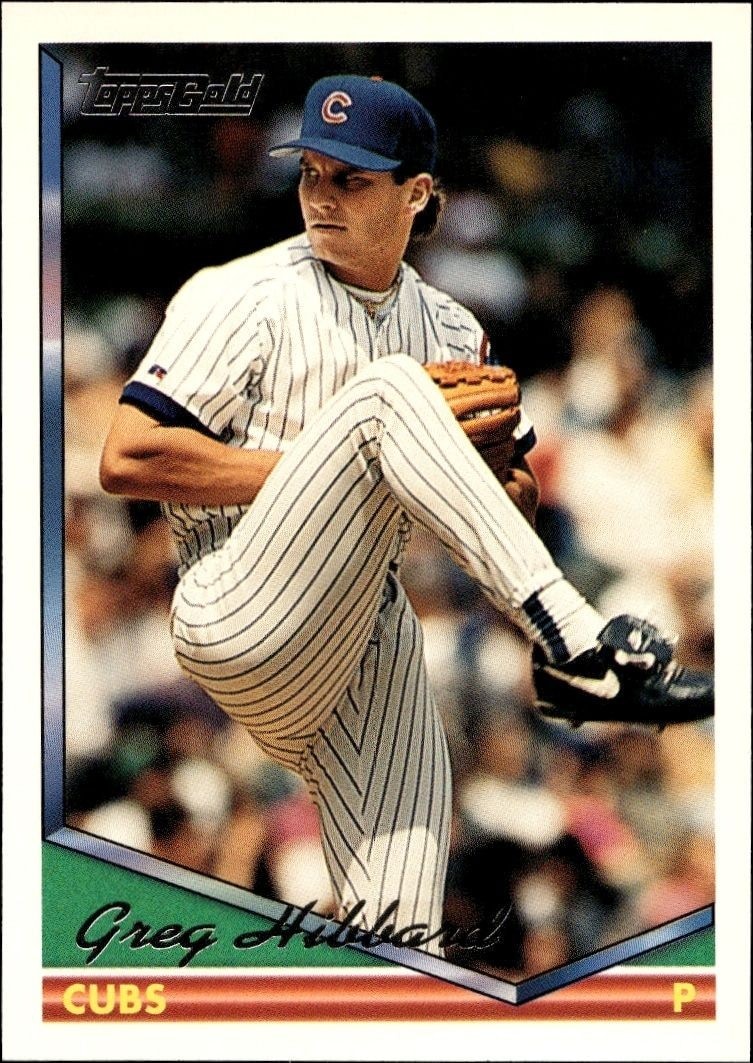
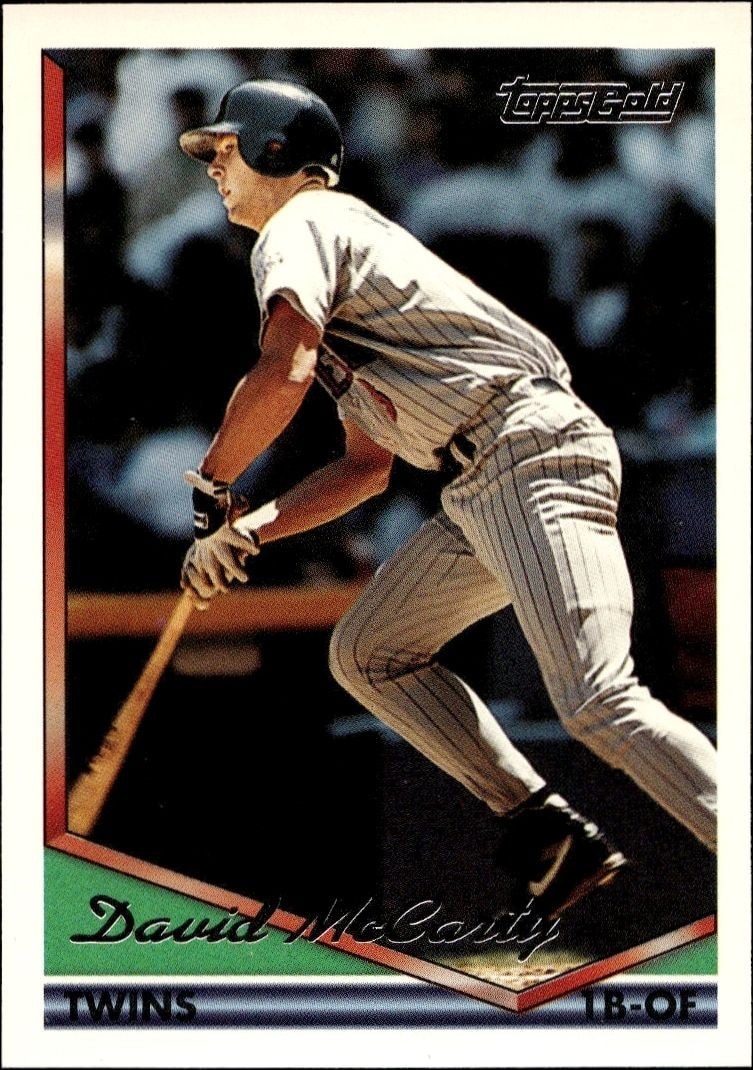


The 1994 Topps Jim Poole #449 Gold parallel baseball card features the Baltimore Orioles player with a distinctive metallic foil treatment.
1994 • Topps • Gold
Major League Baseball • Baltimore Orioles
Near Mint
449
New
Shipping Calculated at Checkout
Arrives in 4-6 daysEstimated delivery October 26, 2026 - October 28, 2026
30-day Returns| Condition | Value | Source | Trend | Price Details |
|---|---|---|---|---|
$1.25 | Asking Prices | 0% | ||
Raw / Ungraded
eBay Active Listings · Asking Prices evidence · captured Oct 17, 2026
The 1994 Topps Jim Poole #449 Gold parallel baseball card offers a distinctive alternative to the standard base issue, featuring a metallic foil finish that sets it apart within the set. This parallel variation was produced by Topps for the 1994 baseball season, highlighting Jim Poole during his tenure with the Baltimore Orioles. For collectors focused on the 1994 Topps set, this Gold parallel represents a key variant due to its unique surface treatment and visual appeal. The card number 449 places it within the main sequence of the 1994 Topps baseball card release, ensuring it fits seamlessly into any organized collection. The Gold parallel treatment adds a layer of rarity and visual interest, making it a desirable target for those seeking to complete the parallel subsets of the era. Unlike the standard glossy cards, the Gold variant provides a premium look that stands out on the shelf or in a display case. Collecting 1994 Topps cards has remained popular among baseball enthusiasts, with many hunters specifically targeting the parallel variations to add depth to their portfolios. Jim Poole’s inclusion in this set provides a snapshot of his career with the Orioles, making this card a valuable piece for team-specific collectors or those building comprehensive league collections. The Gold parallel is particularly noted for its shine and durability, maintaining its luster over time when handled with care. Whether you are looking to complete a set, add a premium parallel to your portfolio, or gift a unique piece of baseball history, this card delivers both aesthetic and nostalgic value. Explore the diverse inventory available to find the perfect example of this classic 1990s parallel.
1 day ago
We'll pre-fill the product details from this catalog entry, so your listing lands on this exact page. Just add photos of your copy, pick its condition, and set your price.
The catalog profile below summarizes the card identity, featured subject, and notable collectible traits.
The core identity of the card within the set.
The subject, team, league, and sport context tied to this card.
Production details and format-specific attributes.
Material
Card Stock
Language
English
Compare prices, grades, photos, and shipping from approved sellers.
New
Near Mint
See how many public collections currently include this card.
0 collectors have this card
This 1994 Topps Jim Poole card sits at the lower end of the market value spectrum, reflecting its status as a non-premium insert within a high-volume set. The current pricing indicates it trades well below the tier of key rookies or star players, serving primarily as an affordable entry point for Orioles collectors. Its value is anchored by the nostalgic appeal of mid-90s baseball rather than any scarcity or condition premium.
As a standard base card from the 1994 Topps set, this item carries no special scarcity mechanics such as serial numbering, short printing, or parallel variants. The supply is effectively unlimited relative to collector demand, as it was produced in mass quantities without restrictive distribution limits. Consequently, it lacks the finite supply constraints that typically drive rarity premiums in the secondary market.
Given its classification as a common base card, the investment outlook is limited to modest appreciation driven by general nostalgia for 1990s baseball memorabilia. There are no rookie card premiums or unique attributes to suggest strong demand drivers beyond casual collection needs. Long-term value stability relies on the broader health of vintage sports card markets rather than specific card scarcity.