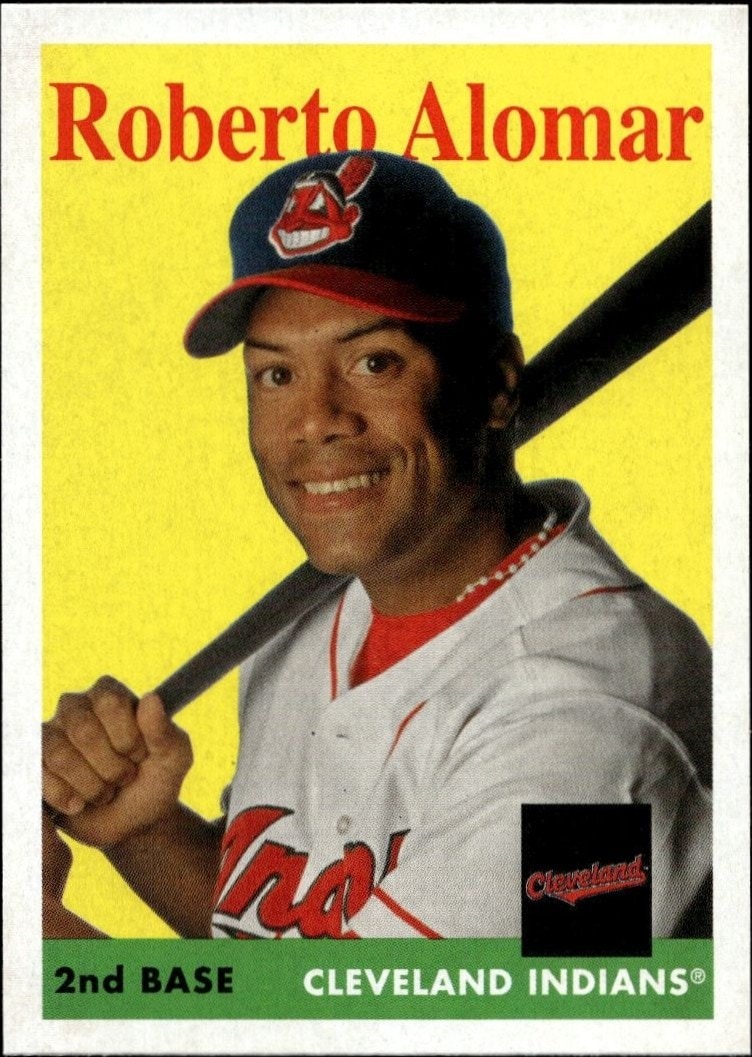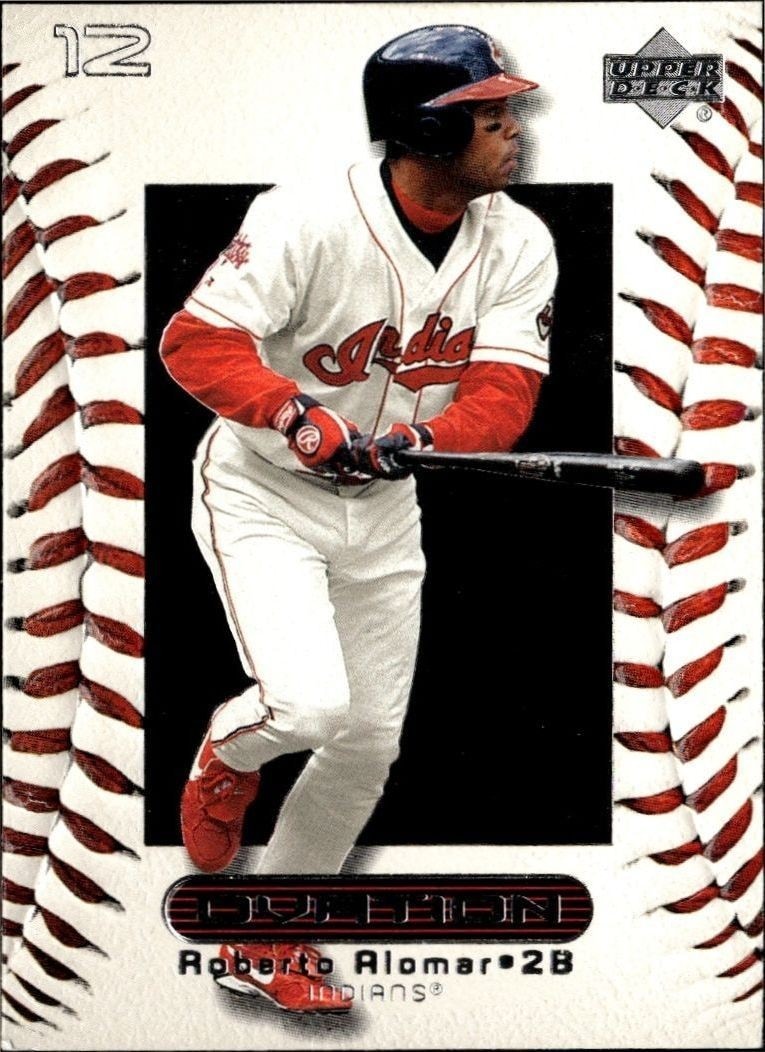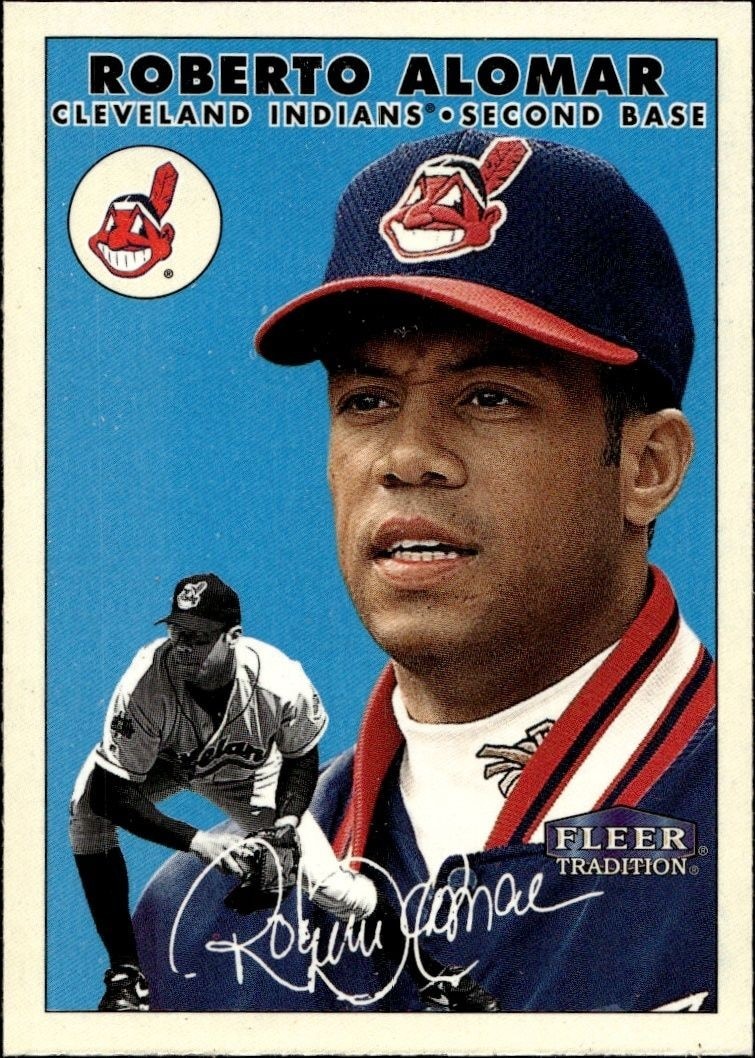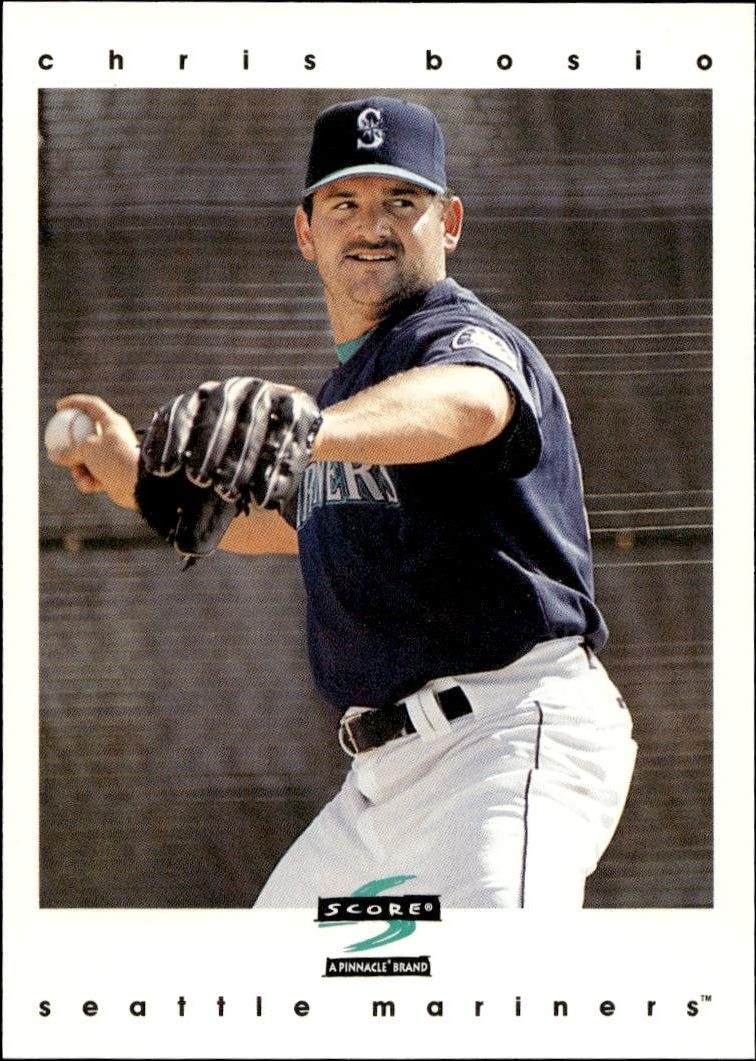



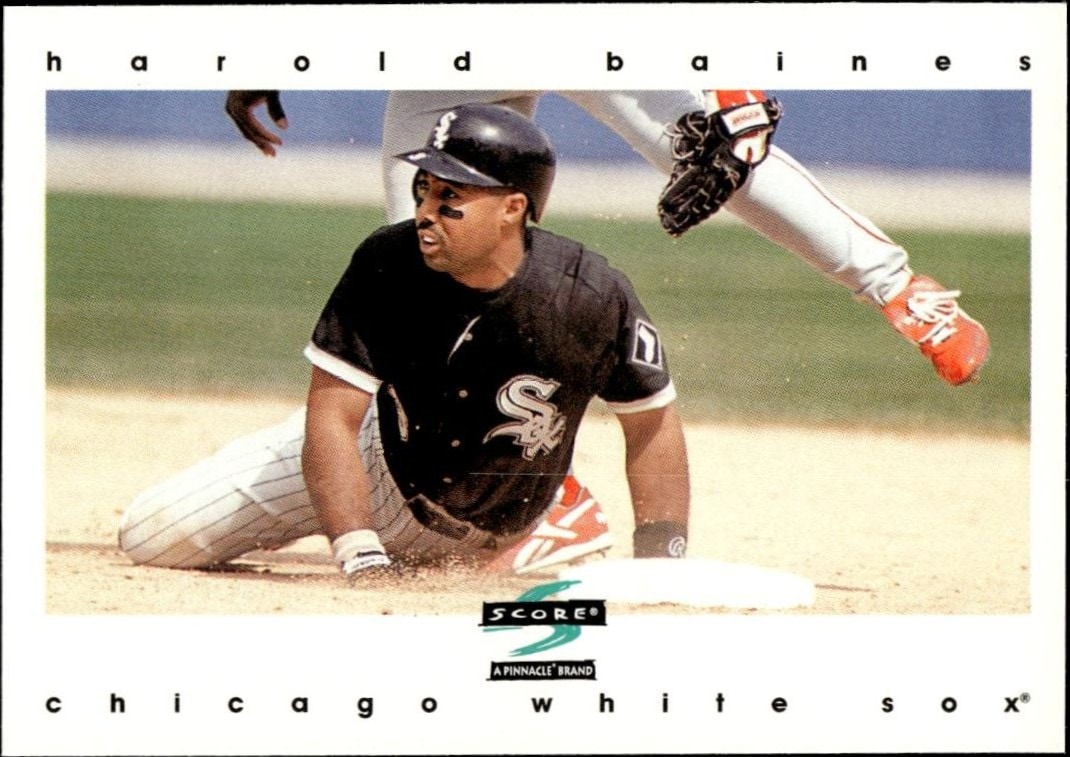


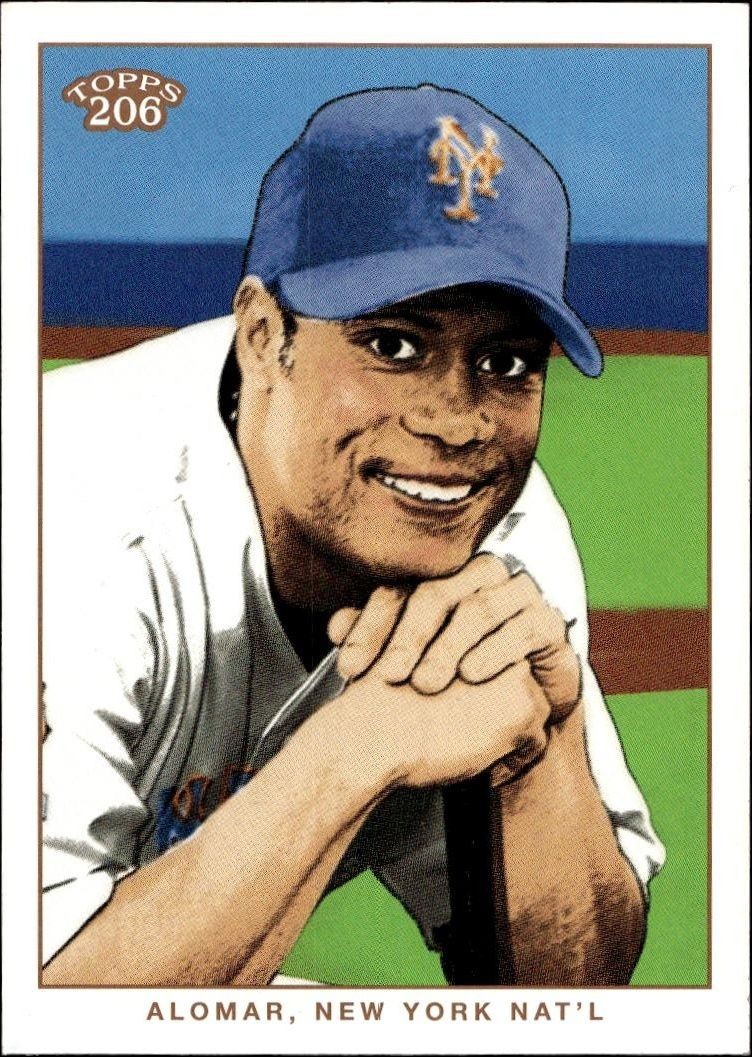
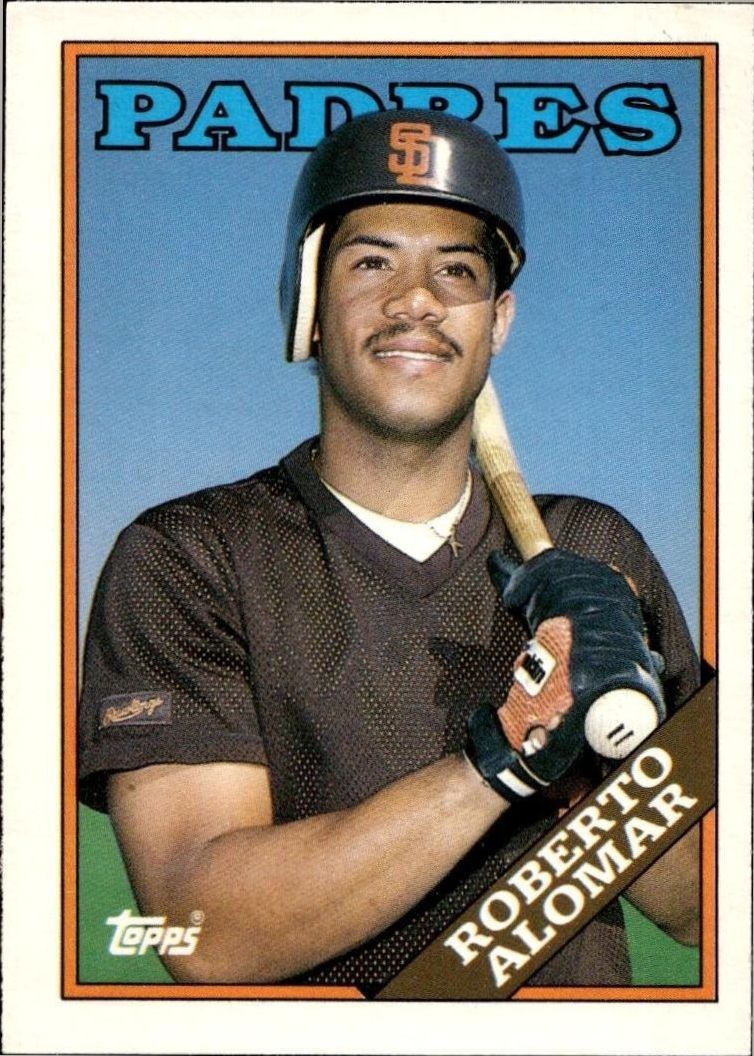
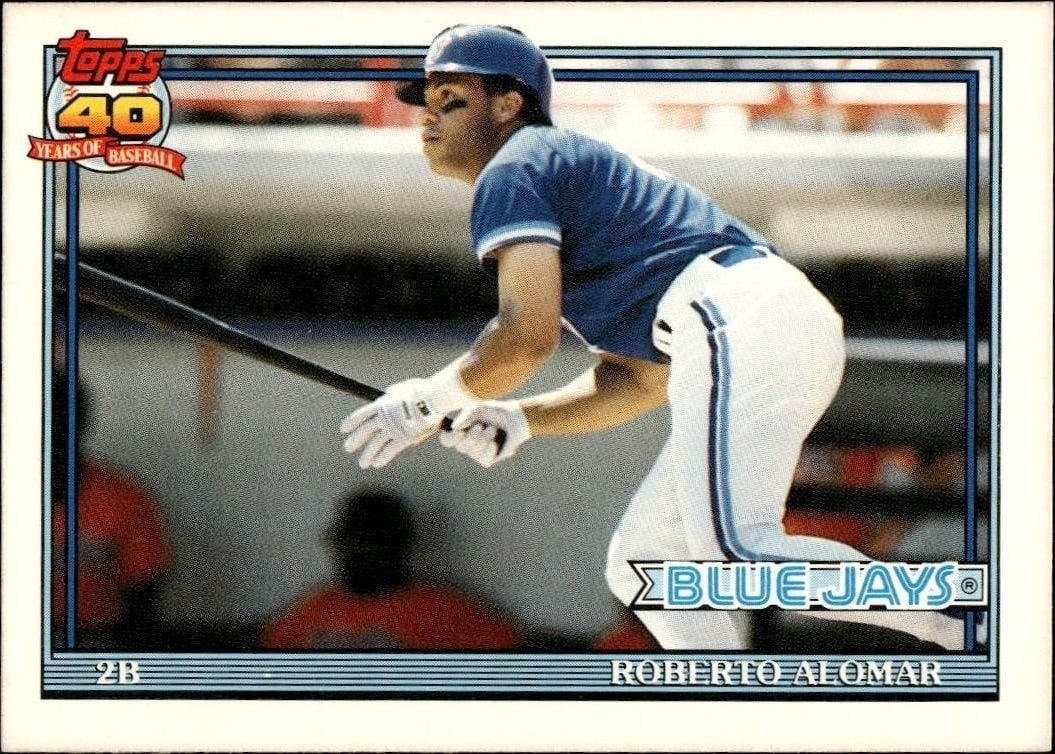

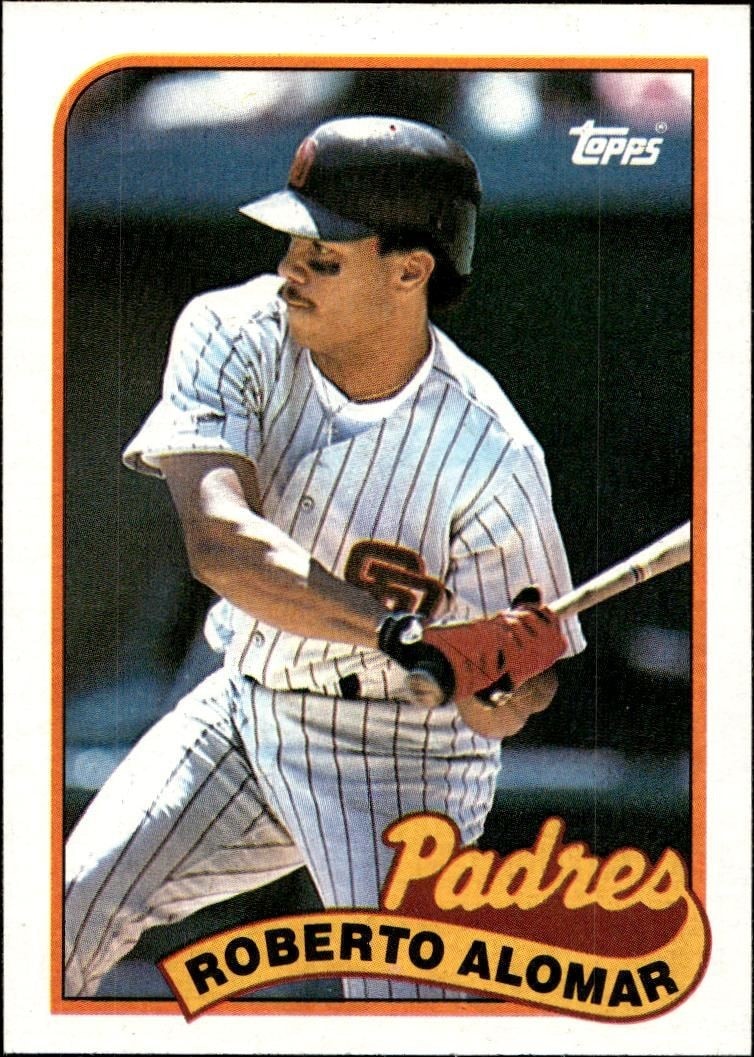


The 1997 Pinnacle Score Roberto Alomar #67 is a staple of 1990s baseball card collecting. This card captures the Baltimore Orioles star during a pivotal era of his career.
1997 • Score
Major League Baseball • Baltimore Orioles
Near Mint
67
New
Shipping Calculated at Checkout
Arrives in 4-6 daysEstimated delivery November 12, 2026 - November 14, 2026
30-day Returns| Condition | Value | Source | Trend | Price Details |
|---|---|---|---|---|
$0.25As of 10/14/2026 | Guide Estimate | |||
$32.00As of 10/14/2026 | Guide Estimate | |||
$15.00As of 10/14/2026 | Guide Estimate | |||
$24.99As of 10/14/2026 | Guide Estimate | |||
$15.00As of 10/14/2026 | Guide Estimate | |||
Raw / Ungraded
PriceCharting Price Guide · Guide Estimate evidence · captured Oct 14, 2026
History is building. At least two days of matching observations are needed to show a trend.
Each point is the last stored observation that day for this printing, condition, grader, autograph status and source. Gaps mean no observation; guide estimates and asking prices are not completed sales.Roberto Alomar #67 from the 1997 Pinnacle Score set represents a distinct moment in baseball card history. Released during the late 1990s, this era was characterized by bold graphic designs and glossy finishes that defined the hobby. For collectors interested in the Baltimore Orioles' history, this card serves as a tangible link to one of the league's most dynamic players of that time. The 1997 Pinnacle Score brand was known for its clean layout and vibrant photography, setting it apart from other releases of the period. Alomar, featured prominently in this base set, was a central figure in MLB during these years. His presence on card #67 makes it a recognizable item for enthusiasts who follow the sport's major stars. Collecting this card often appeals to those who appreciate the aesthetic of 90s sports memorabilia. The Pinnacle Score series remains a popular focus for set builders who value the completeness of a full run. Whether you are looking to complete a roster or add a notable name to your collection, this card offers a classic example of the design trends that dominated the hobby in 1997. It stands as a solid entry point for new collectors or a valuable addition for seasoned investors tracking the value of 90s baseball cards. The enduring appeal of the 1997 Pinnacle Score set lies in its nostalgic design and the star power of its subjects. Alomar's #67 card is a key component for anyone assembling a comprehensive collection of this brand. It reflects the high production values and marketing strategies that made Pinnacle a household name in the trading card industry during its run.
6 days ago
We'll pre-fill the product details from this catalog entry, so your listing lands on this exact page. Just add photos of your copy, pick its condition, and set your price.
The catalog profile below summarizes the card identity, featured subject, and notable collectible traits.
The subject, team, league, and sport context tied to this card.
Production details and format-specific attributes.
Material
Card Stock
Language
English
Compare prices, grades, photos, and shipping from approved sellers.
New
Near Mint
See how many public collections currently include this card.
0 collectors have this card
FAQ
Roberto Alomar #67 is from the 1997 Pinnacle Score baseball card set. This release is part of the broader Pinnacle brand's portfolio of sports trading cards produced in the late 1990s.
Collectors often seek it out to complete full sets or to acquire cards of prominent players from that era.
Card #67 in the 1997 Pinnacle Score set features Roberto Alomar, who was a prominent player for the Baltimore Orioles at the time. This card is a key piece for collectors focusing on Orioles history or Alomar's career.
This 1997 Pinnacle Score card of Roberto Alomar sits at a very accessible entry point, reflecting its status as a standard base card from a mid-90s release. While Alomar is a Hall of Fame-caliber second baseman, this specific iteration lacks the scarcity or premium attributes that typically drive significant value appreciation. Consequently, it trades at a lower tier compared to his rookie cards or high-end parallels, serving primarily as an affordable addition for broad set collectors rather than a high-value investment piece.
The card carries no special scarcity attributes such as serial numbering, short-print status, or unique parallels, placing it firmly in the base set category. This unvarnished presentation means supply is dictated entirely by the original print run, which is generally high for mainstream 1990s baseball products. Without limited edition mechanics or one-of-one designations, the availability remains abundant relative to more exclusive variants in the same set.
As a non-rookie card from a saturated era, this item lacks the primary demand drivers that fuel long-term value growth for Alomar memorabilia. Collector interest is likely limited to those completing specific year-set collections rather than seeking standalone speculative assets. While it holds nostalgic value for fans of his tenure with the Baltimore Orioles, the lack of rarity features suggests minimal upside beyond modest appreciation tied to general vintage sports card trends.