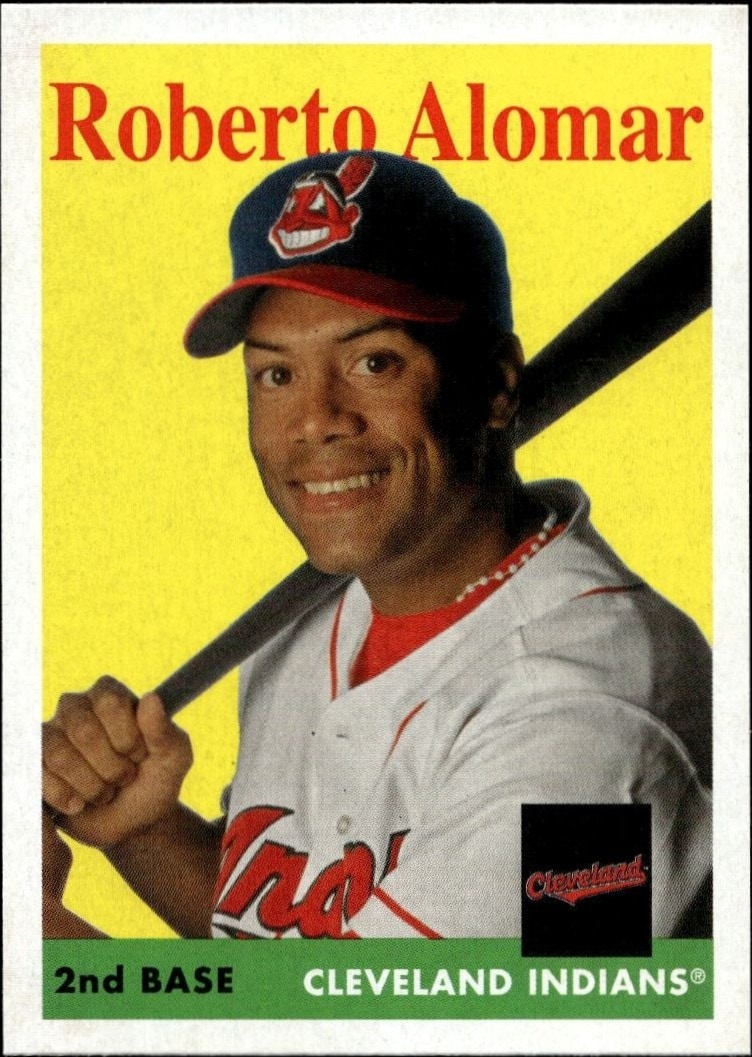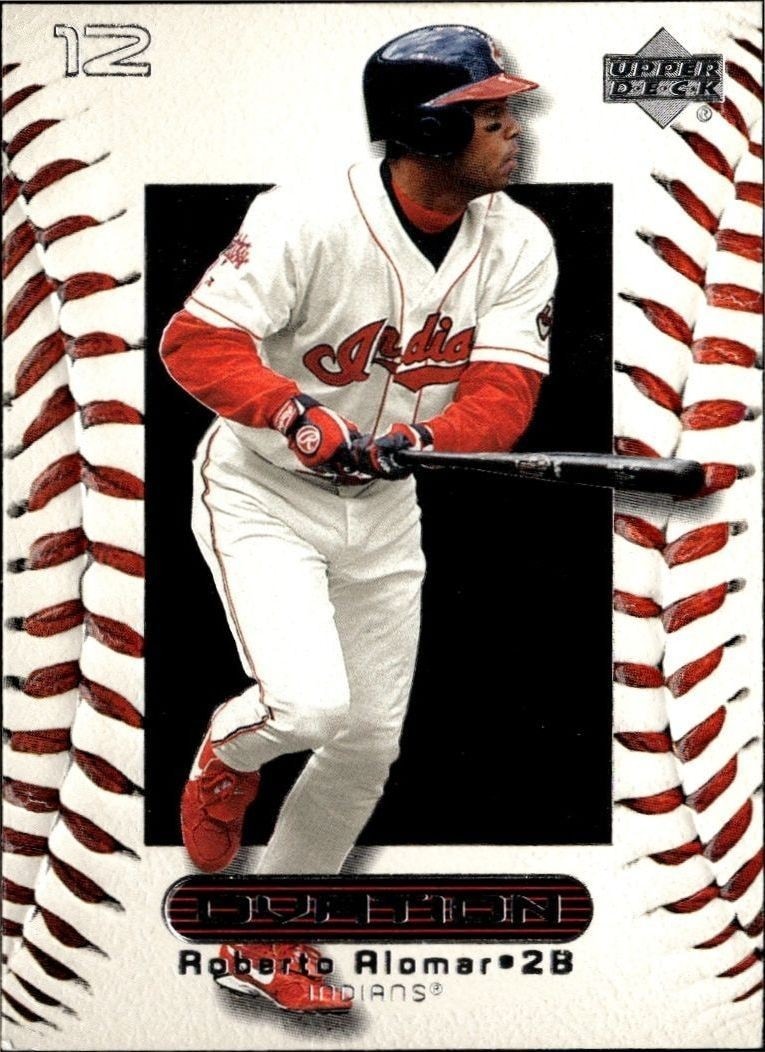


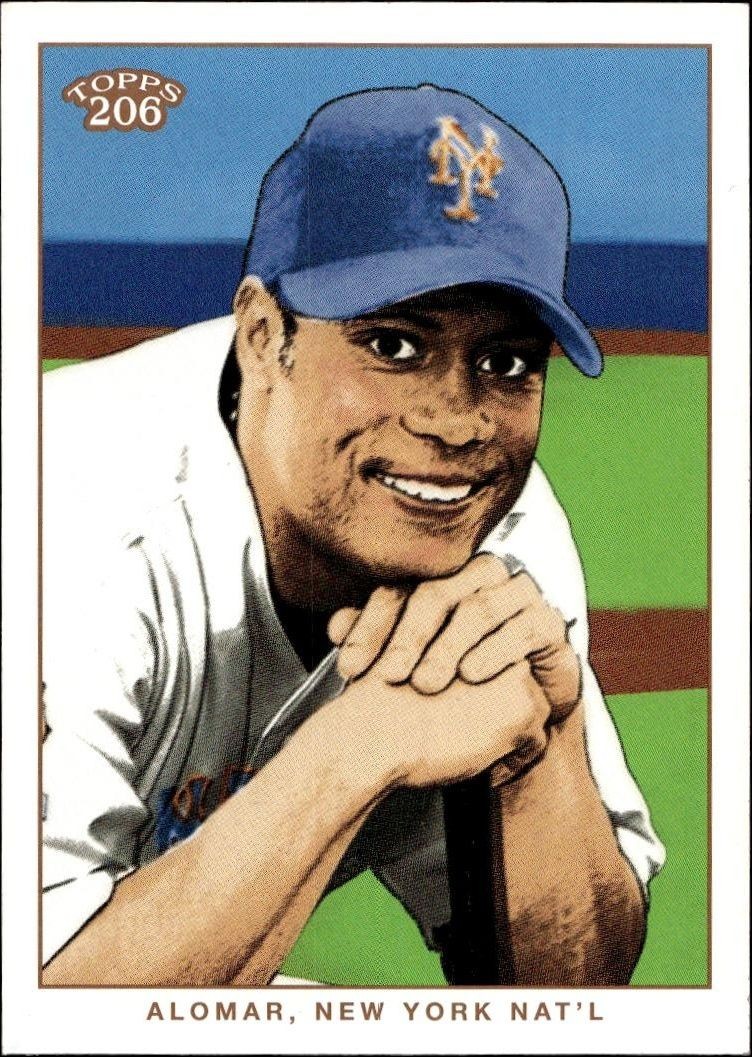
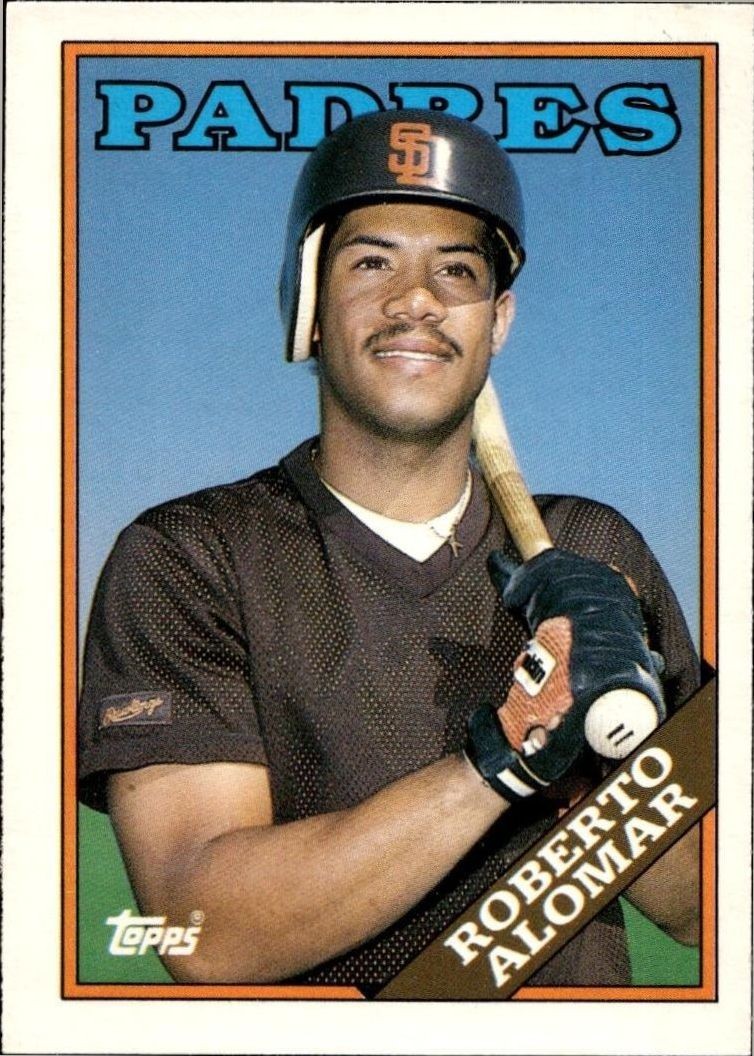

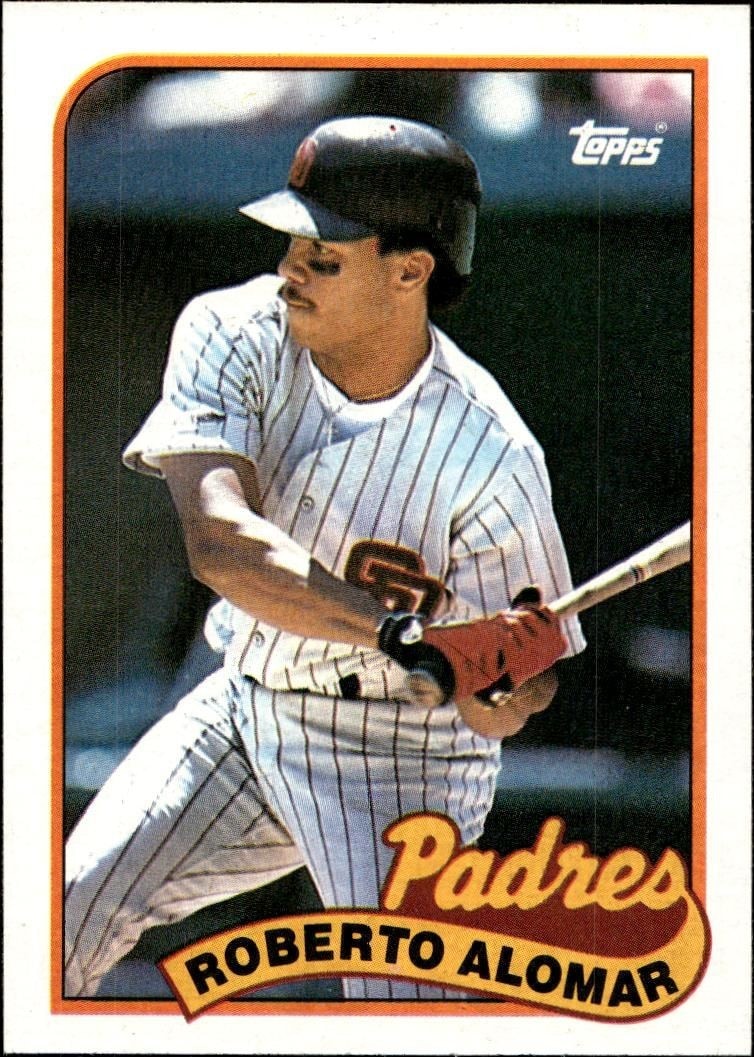


The 1991 Topps Traded Roberto Alomar #2T baseball card features the Toronto Blue Jays infielder in one of the most iconic traded card releases of the early 1990s.
1991 • Topps • Traded
Major League Baseball • Toronto Blue Jays
Excellent
2T
New
Shipping Calculated at Checkout
This seller is away until 10/19/2026 — orders are still accepted and ship after they return.30-day Returns| Condition | Value | Source | Trend | Price Details |
|---|---|---|---|---|
$1.39 | Guide Estimate | +0.7% | ||
$5.00As of 9/24/2026 | Guide Estimate | |||
$6.00 | Guide Estimate | 0% | ||
$9.77 | Guide Estimate | 0% | ||
$21.00 | Guide Estimate | +5% | ||
$28.00 | Guide Estimate | +3.7% | ||
$13.00 | Guide Estimate | +8.3% | ||
$21.24 | Guide Estimate | +2.4% | ||
$13.00 | Guide Estimate | +8.3% | ||
Raw / Ungraded
PriceCharting Price Guide · Guide Estimate evidence · captured Oct 18, 2026
The 1991 Topps Traded Roberto Alomar #2T card represents a significant piece of baseball history for collectors focused on the Toronto Blue Jays. Released during a pivotal era for the franchise, this card captures Roberto Alomar in his rookie season with the team, shortly before he would become a cornerstone of their championship runs. The Traded series is widely recognized for introducing new players and updates mid-season, making cards like #2T highly sought after for their timeliness and design distinctiveness compared to the base 1991 Topps release. Collectors value this card for its association with Alomar’s early career and the enduring legacy of the Blue Jays organization. As a key component of the 1991 Topps Traded set, it appeals to both specialists building set collections and generalists interested in the sport's most dynamic teams of the decade. The card's place in the top-100 numbering sequence of the Traded set further enhances its visibility and desirability among hobbyists. Whether you are looking to complete a personal collection of 1990s baseball memorabilia or invest in a piece of sports history, this card offers a tangible connection to one of the game's most celebrated infielders. The 1991 Topps Traded set remains a staple in many collections, and this card serves as an essential entry point for understanding the era's design trends and player development. For those tracking the history of the Toronto Blue Jays, the 1991 Topps Traded Roberto Alomar #2T card is more than just a trading card; it is a snapshot of a player on the cusp of greatness. Its enduring appeal lies in its simplicity and the historical context it provides, making it a relevant and valuable addition to any serious baseball card collection.
16 hours ago
We'll pre-fill the product details from this catalog entry, so your listing lands on this exact page. Just add photos of your copy, pick its condition, and set your price.
The catalog profile below summarizes the card identity, featured subject, and notable collectible traits.
The core identity of the card within the set.
The subject, team, league, and sport context tied to this card.
Production details and format-specific attributes.
Material
Card Stock
Language
English
Compare prices, grades, photos, and shipping from approved sellers.
New
Excellent
See how many public collections currently include this card.
0 collectors have this card
This 1991 Topps Traded rookie card represents an entry-level tier for Roberto Alomar, reflecting his status as a proven Hall of Fame caliber two-way star despite the modest current pricing. As a base card from a highly popular set, it trades at the lower end of the spectrum compared to parallel or special insert varieties, appealing primarily to budget-conscious collectors. The condition sensitivity is typical for early 90s base issues, where centering and edge wear significantly impact its relative value within the broader Alomar market.
The card lacks any unique scarcity mechanics such as serial numbering, short-print designations, or one-of-one status, placing it in the most abundant tier of the 1991 Topps Traded set. Because it is a standard base parallel, its supply is determined by the original mass production run rather than limited edition constraints. This lack of exclusive attributes means it relies entirely on player demand rather than intrinsic scarcity to maintain its standing among similar base issues.
As a rookie card, this item benefits from the fundamental collector demand associated with Alomar’s early career, yet its base format limits upside potential compared to premium parallels. The 1991 Topps Traded set enjoys enduring popularity, ensuring steady liquidity for ungraded examples, though significant appreciation is unlikely without high-grade certification. Investors should view this as a foundational piece for complete set builders rather than a high-growth asset, given the ample supply of lower-graded copies currently available.