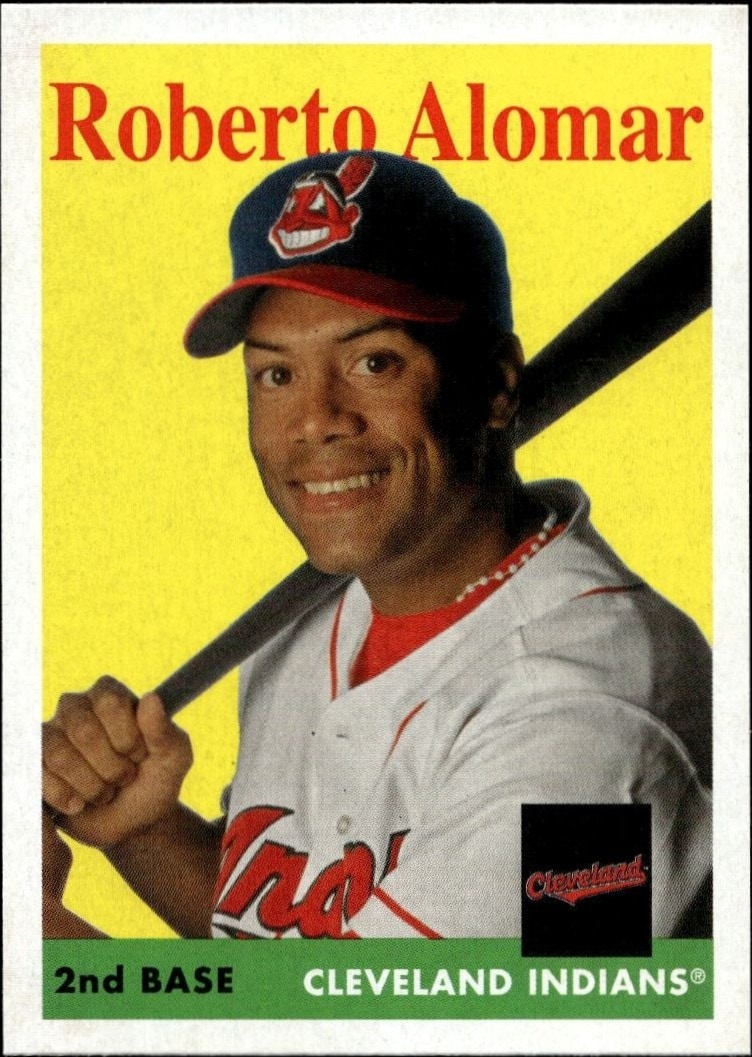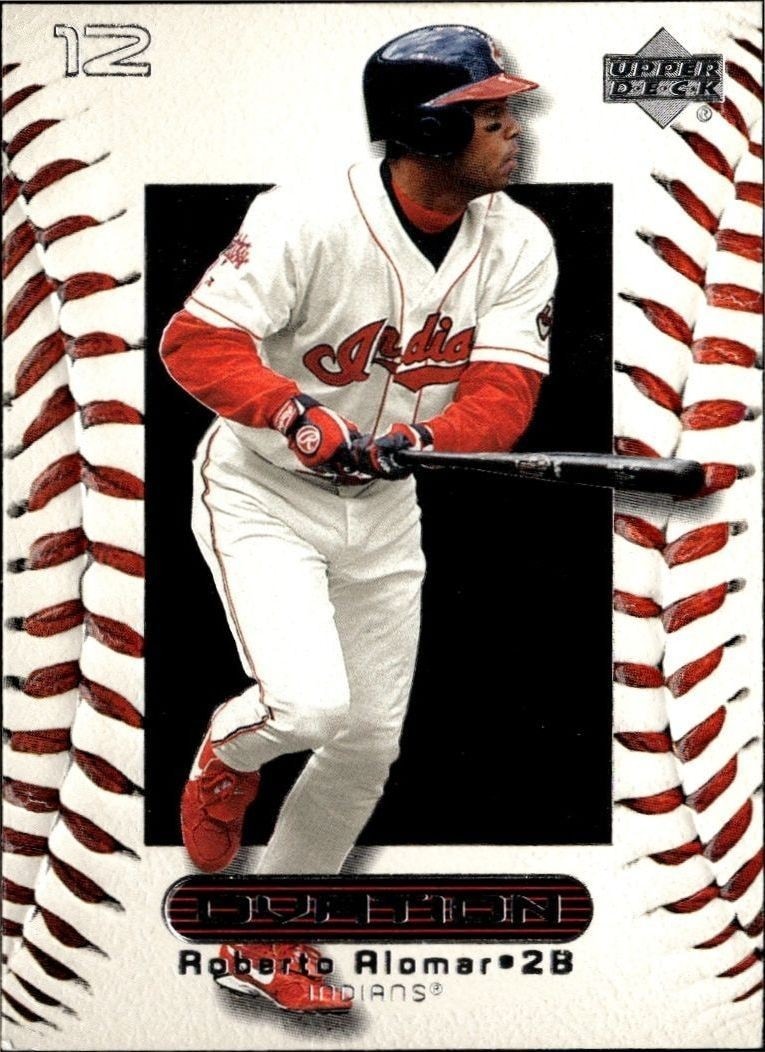




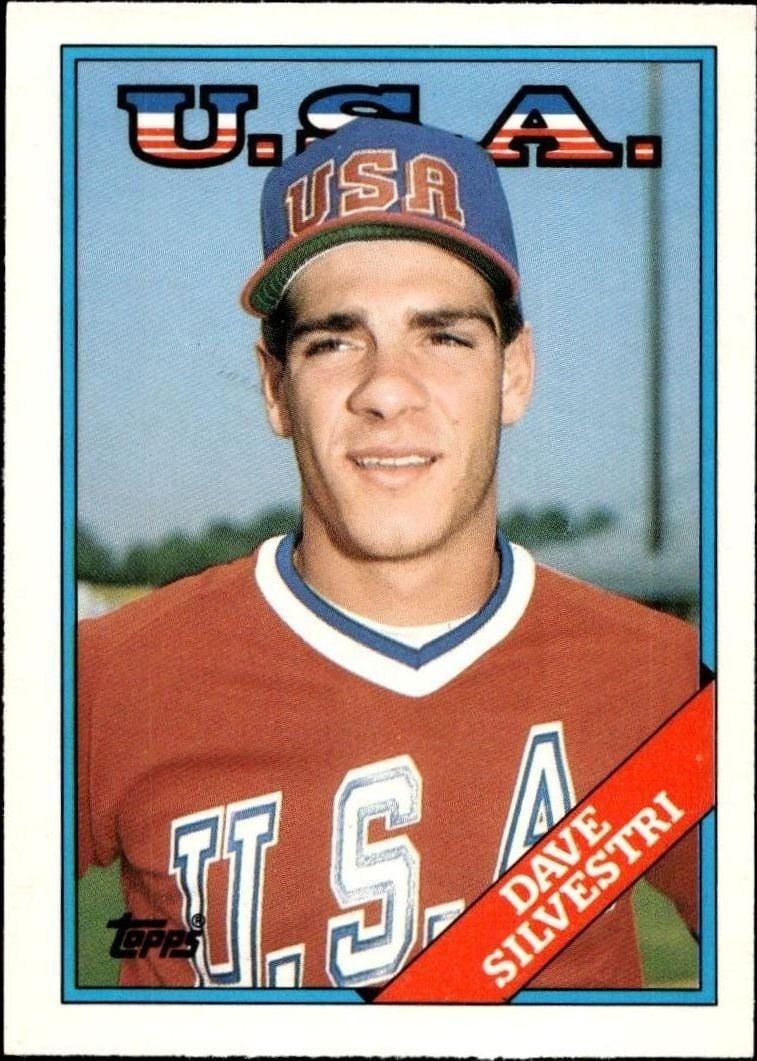
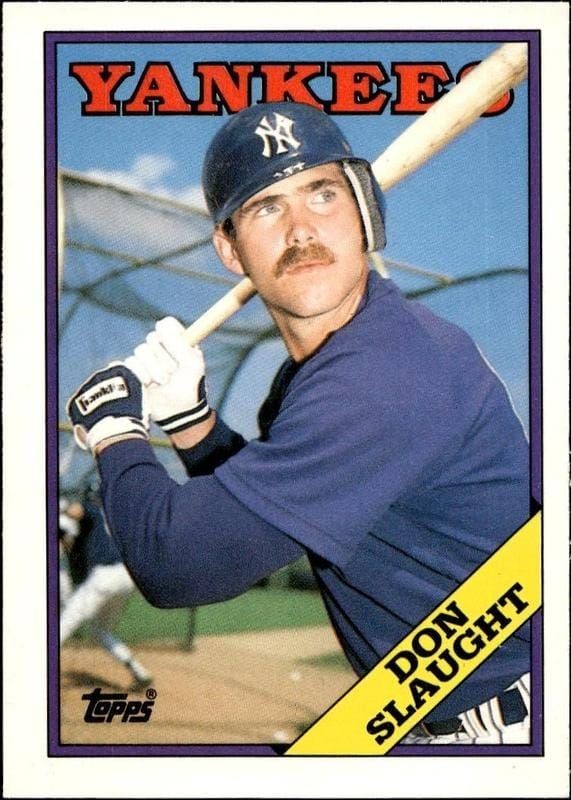


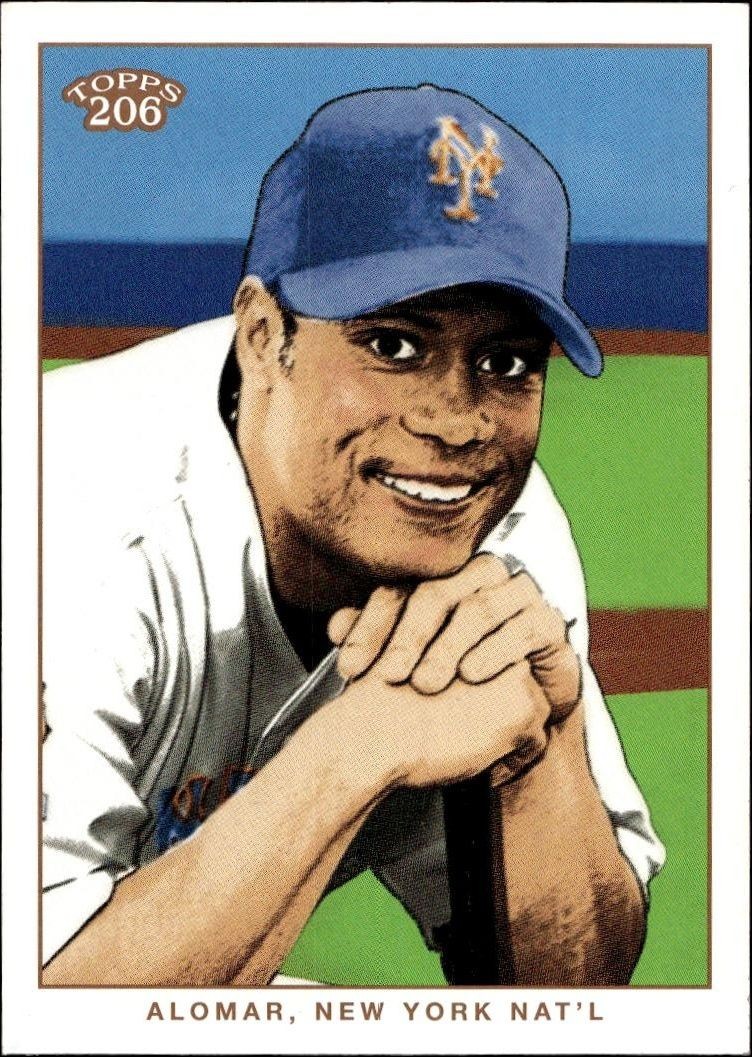
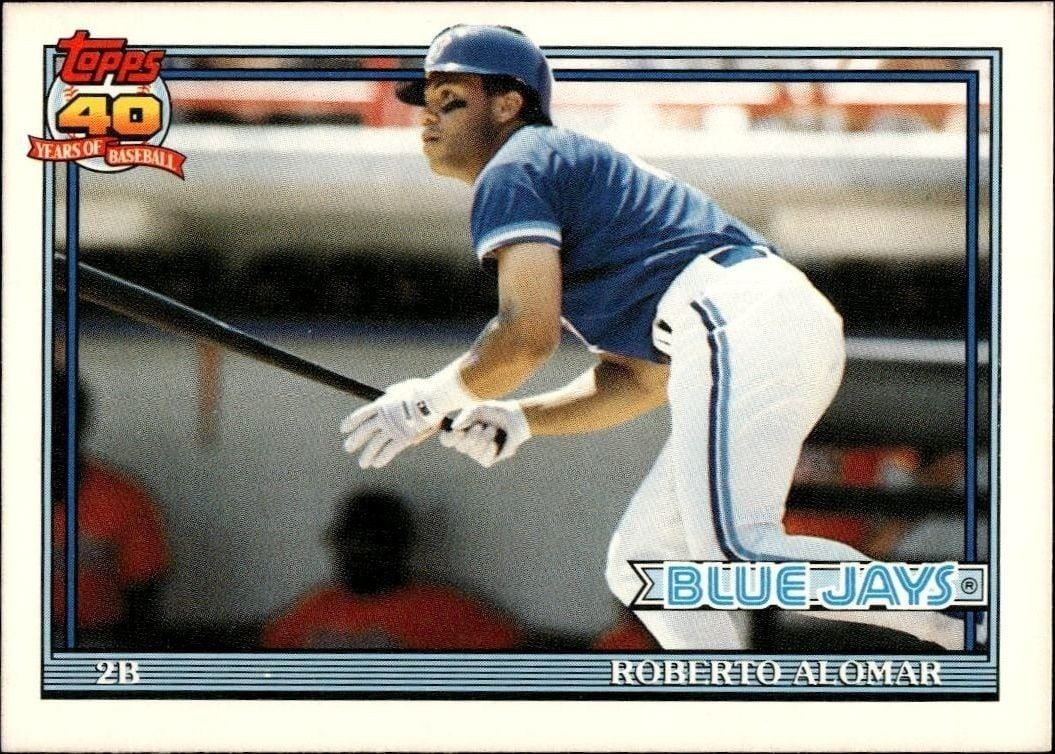

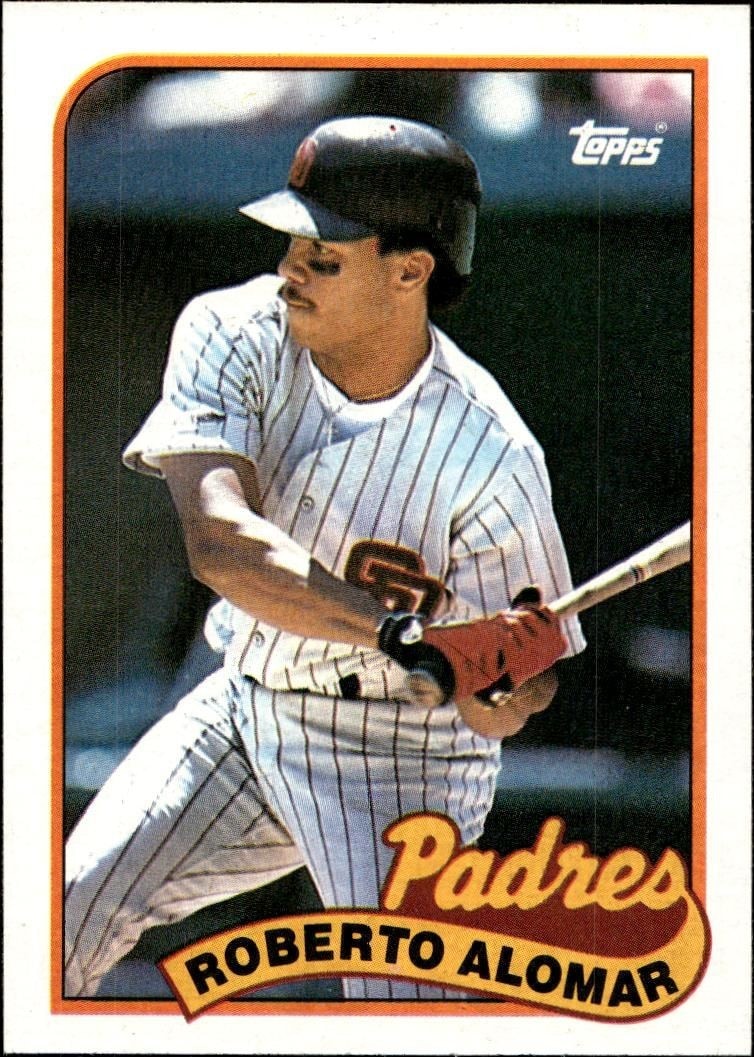


The 1988 Topps Traded Roberto Alomar #4T card captures the early career of the future Hall of Fame second baseman during his tenure with the San Diego Padres.
1988 • Topps • Traded
Major League Baseball • San Diego Padres
Excellent
4T
New
Shipping Calculated at Checkout
This seller is away until 10/19/2026 — orders are still accepted and ship after they return.30-day Returns| Condition | Value | Source | Trend | Price Details |
|---|---|---|---|---|
$1.44 | Guide Estimate | -4% | ||
$1.49As of 9/25/2026 | Completed Sales | |||
$7.50 | Guide Estimate | 0% | ||
$8.49 | Guide Estimate | +2.9% | ||
$14.99 | Guide Estimate | 0% | ||
$16.00 | Guide Estimate | 0% | ||
$69.00 | Guide Estimate | +32.7% | ||
$32.00 | Guide Estimate | +33.3% | ||
$52.69 | Guide Estimate | +32.8% | ||
$55.00 | Guide Estimate | 0% | ||
Raw / Ungraded
PriceCharting Price Guide · Guide Estimate evidence · captured Oct 18, 2026
The 1988 Topps Traded Roberto Alomar #4T card represents a significant entry in vintage baseball collectibles, documenting the early professional years of Roberto Alomar with the San Diego Padres. Released within the supplementary Traded series, this card number is distinct from the base 1988 Topps set, offering collectors a specific variant that highlights players who were traded or promoted during the season. For those focused on San Diego Padres history, this release serves as a tangible link to Alomar's formative years before his legendary tenure with the Cleveland Indians and subsequent Hall of Fame career. As a product of the late 1980s, this card appeals to investors and hobbyists interested in the aesthetic and historical context of that era. The design reflects the graphic sensibilities of 1988, providing a nostalgic touchstone for collectors who value the visual evolution of sports trading cards. While Alomar is not listed as a rookie card in this catalog entry, his presence in the Traded series marks an important chapter in his development as a major league player. The card stands as a key piece for anyone building a comprehensive collection of Padres memorabilia or tracking the career arcs of prominent MLB figures. Collectors often seek this card to complete set runs, add depth to their Padres collections, or as a foundational piece in broader career profiles. The card's identity within the Topps brand ensures its place in the hierarchy of modern baseball card collecting, offering a standardized reference point for enthusiasts. Whether you are a long-time hobbyist or a new collector exploring the 1988 season, this card provides a direct connection to the sport's rich history and the players who shaped it. For those interested in the broader market of vintage sports cards, understanding the context of the Traded series is essential. These cards often feature different backgrounds, layouts, or player movements compared to the base set, making them unique identifiers for specific seasons. The 1988 Topps Traded Roberto Alomar #4T remains a sought-after item for its historical significance and the player's eventual status in the sport. It offers a compelling option for gifting to baseball fans or adding to a curated portfolio of 1980s collectibles.
19 hours ago
We'll pre-fill the product details from this catalog entry, so your listing lands on this exact page. Just add photos of your copy, pick its condition, and set your price.
The catalog profile below summarizes the card identity, featured subject, and notable collectible traits.
The core identity of the card within the set.
The subject, team, league, and sport context tied to this card.
Production details and format-specific attributes.
Material
Card Stock
Language
English
Compare prices, grades, photos, and shipping from approved sellers.
New
Excellent
See how many public collections currently include this card.
0 collectors have this card
This 1988 Topps Traded card of Roberto Alomar sits in an accessible entry-level price tier, reflecting its status as a common base parallel within a widely distributed set. While Alomar’s career significance is substantial, the lack of special attributes keeps this specific item trading below the premium commanded by his rookie cards or high-grade variations. The current market positioning suggests it serves as an affordable acquisition for collectors completing base sets rather than a standalone investment piece.
As a standard base card from the 1988 Topps Traded set with no noted special attributes, this item does not carry scarcity mechanics such as serial numbering, short-print designation, or one-of-one exclusivity. Its supply is determined by the original print run of a mass-market product, meaning it is readily available to the general collector pool. Without limited edition parallels or unique identifiers, the card relies entirely on condition quality rather than scarcity for any potential value differentiation.
The investment potential for this card is limited by its position as a common base issue, lacking the rookie-card premium or parallel rarity that typically drives significant appreciation. Collector demand is likely steady for set completionists but does not exhibit the strong demand seen in Alomar's more exclusive releases. Long-term value stability will depend heavily on preserving pristine condition, as raw copies of this nature are subject to abundant supply without the protective buffer of graded exclusivity.