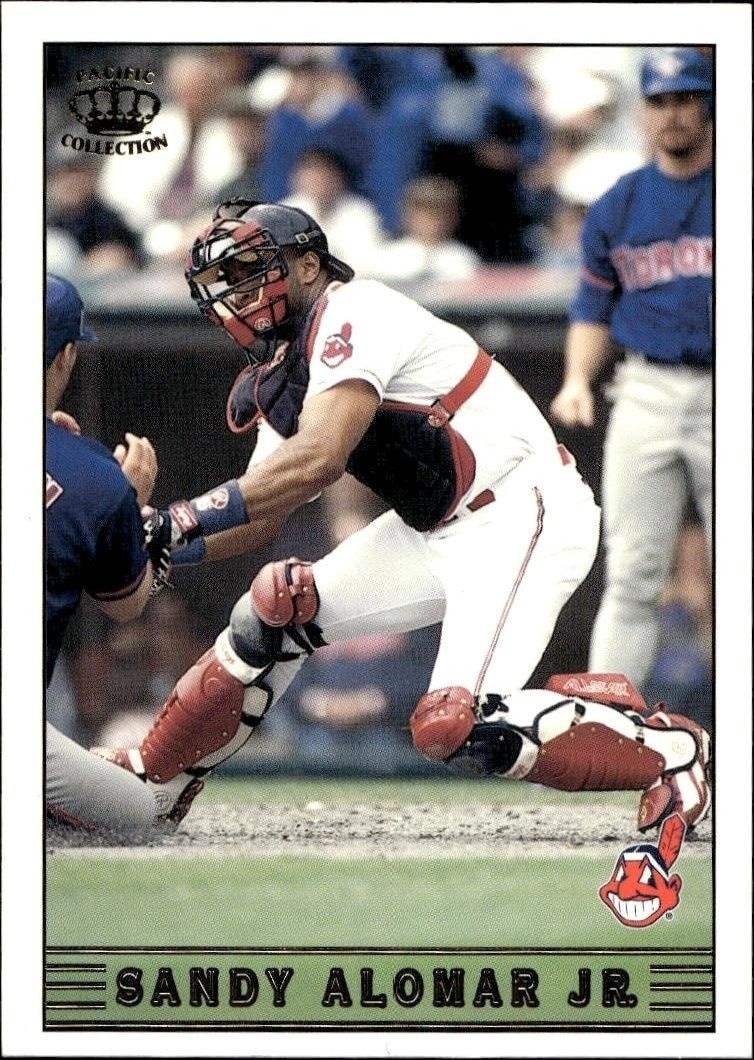





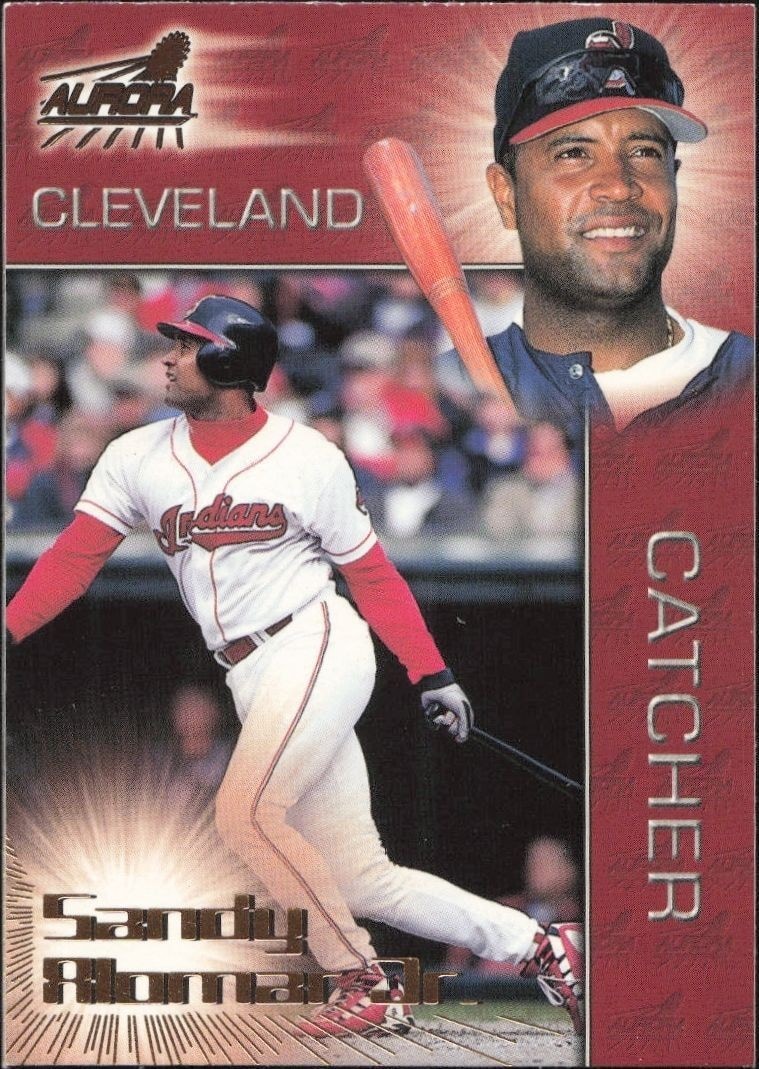
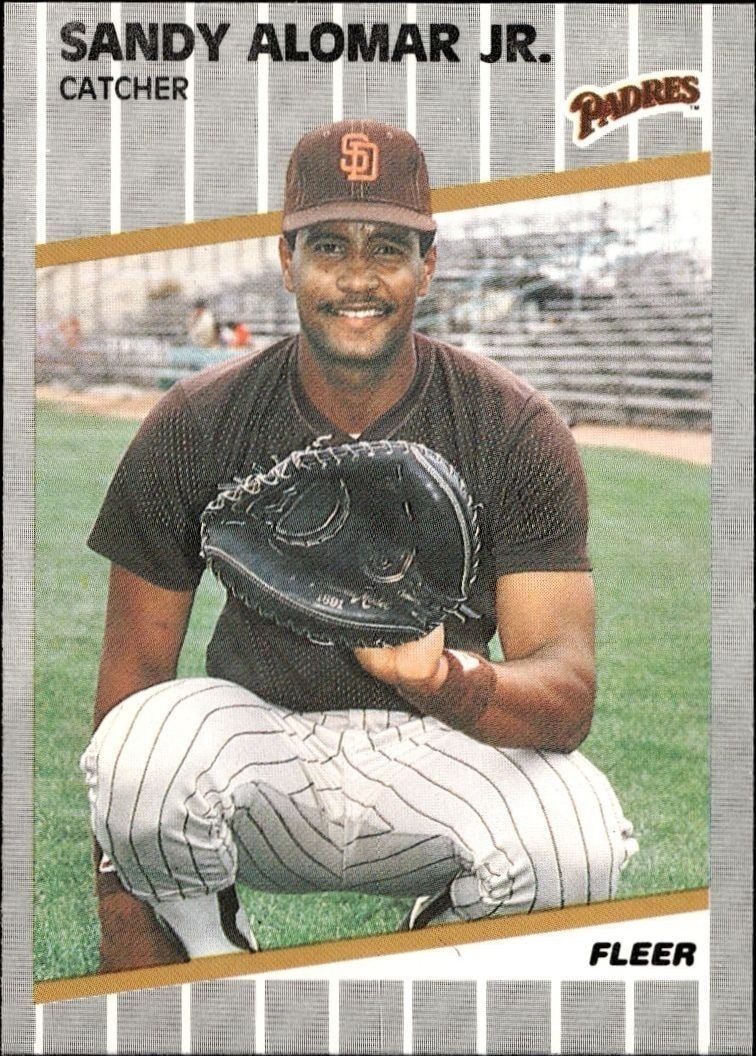


The 1999 Pacific Paramount Sandy Alomar Jr. #70 is a notable Cleveland Indians baseball card from the Pacific Paramount series.
1999 • Pacific • Paramount
Major League Baseball • Cleveland Indians
Near Mint
70
New
Shipping Calculated at Checkout
Arrives in 5-7 daysEstimated delivery October 23, 2026 - October 25, 2026
Seller returns October 19, 2026.30-day Returns| Condition | Value | Source | Trend | Price Details |
|---|---|---|---|---|
$4.99As of 9/21/2026 | Guide Estimate | 0% | ||
Raw / Ungraded
PriceCharting Price Guide · Guide Estimate evidence · captured Sep 22, 2026
The 1999 Pacific Paramount Sandy Alomar Jr. #70 represents a specific moment in late-90s baseball card design. As part of the Pacific Paramount series, this card features Sandy Alomar Jr. During his tenure with the Cleveland Indians. Sandy Alomar Jr. Was a central figure for the Cleveland Indians, serving as the team's primary catcher throughout the 1990s. His presence on the field during a highly competitive era adds historical context to this collectible. For those building collections focused on the Cleveland Indians or the 1999 season, card number 70 offers a direct connection to the roster composition of that year. The card's placement within the Paramount set provides a structured way to track and organize this player's representation in the product. Collectors often seek out cards from the Pacific Paramount series for their aesthetic appeal and the prestige associated with the Pacific brand. The 1999 release captures the visual style of the turn of the millennium, a period that saw significant innovation in sports card manufacturing. Whether you are a fan of Sandy Alomar Jr. Or a historian of Cleveland Indians memorabilia, this card serves as a tangible piece of that sports history. It is a valuable component for those assembling comprehensive sets of 90s baseball cards or focusing on specific player milestones. The catalog allows for easy navigation through card numbers and subjects, helping collectors identify exactly where this product fits in their broader acquisition goals. By focusing on the identity and context of the card, collectors can appreciate its role in the wider landscape of sports trading cards.
1 day ago
We'll pre-fill the product details from this catalog entry, so your listing lands on this exact page. Just add photos of your copy, pick its condition, and set your price.
The catalog profile below summarizes the card identity, featured subject, and notable collectible traits.
The core identity of the card within the set.
The subject, team, league, and sport context tied to this card.
Production details and format-specific attributes.
Material
Card Stock
Language
English
Compare prices, grades, photos, and shipping from approved sellers.
New
Near Mint
See how many public collections currently include this card.
0 collectors have this card
This 1999 Pacific Paramount Sandy Alomar, Jr. card trades at a modest price point, reflecting its status as a standard base card from a late-career snapshot of the Cleveland Indians catcher. While Alomar was a significant figure in MLB history, this specific iteration lacks the premium drivers typically associated with his peak value, such as rookie status or high-grade rarity. It serves as an accessible entry point for collectors focusing on his tenure with Cleveland rather than commanding the high tiers seen in his more sought-after issues.
As a base card within the 1999 Pacific Paramount set, this item does not possess specific scarcity mechanics like serial numbering, short printing, or parallel treatments that would artificially constrain supply. The absence of noted special attributes indicates it is part of the standard print run, meaning availability is determined primarily by condition rather than intentional distribution limits. Consequently, its rarity is functionally equivalent to the broader set's base population, relying on collector preference rather than exclusive production caps.
The investment potential for this card is limited by its positioning as a non-rookie, base issue from a set that does not typically drive significant secondary market volume for this player. Demand is likely driven by specific Cleveland Indians memorabilia collectors or those building complete set investments, rather than broad speculative interest in Alomar's career longevity. Without parallel variants or rookie status to enhance desirability, long-term appreciation is unlikely to outpace more premium issues from his career timeline.