




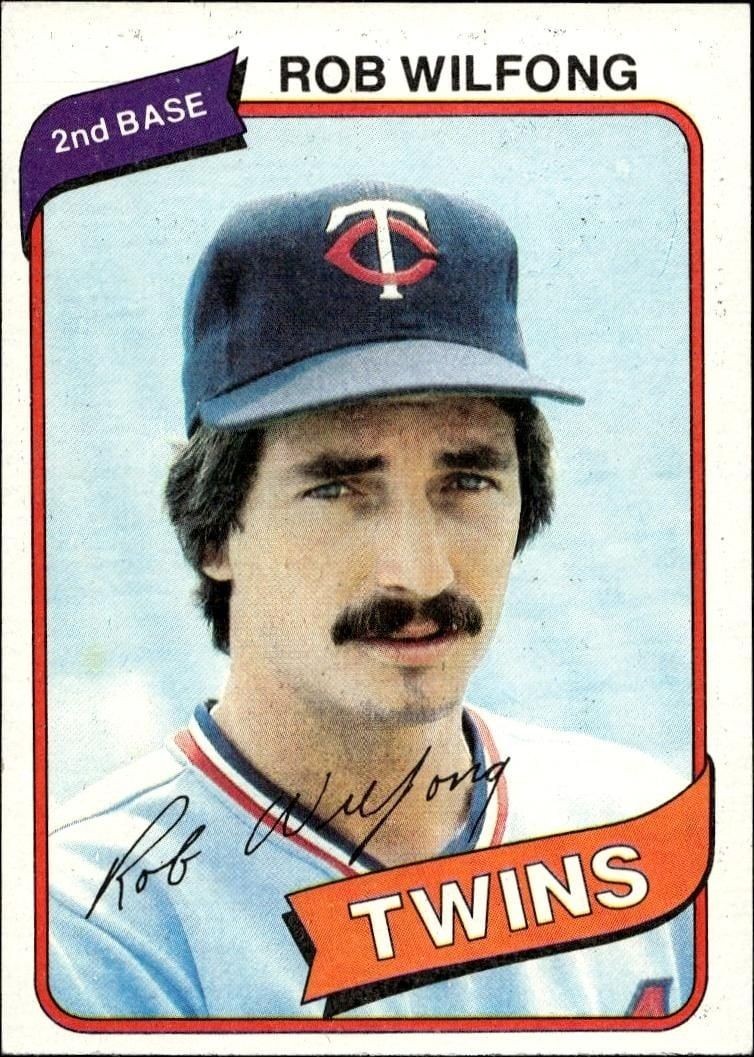
The 1987 Topps Rob Wilfong #251 baseball card is a staple of 1980s vintage collecting, featuring the Los Angeles Angels infielder in the iconic Topps design.
1987 • Topps
Major League Baseball • Los Angeles Angels
Excellent
251
New
Shipping Calculated at Checkout
Arrives in 5-7 daysEstimated delivery October 23, 2026 - October 25, 2026
Seller returns October 19, 2026.30-day Returns| Condition | Value | Source | Trend | Price Details |
|---|---|---|---|---|
$0.76As of 9/27/2026 | Guide Estimate | |||
$5.99As of 9/27/2026 | Guide Estimate | |||
$7.00As of 9/27/2026 | Guide Estimate | |||
$195.00As of 9/27/2026 | Guide Estimate | |||
$90.00As of 9/27/2026 | Guide Estimate | |||
$150.00As of 9/27/2026 | Guide Estimate | |||
$90.00As of 9/27/2026 | Guide Estimate | |||
Raw / Ungraded
PriceCharting Price Guide · Guide Estimate evidence · captured Sep 28, 2026
History is building. At least two days of matching observations are needed to show a trend.
Each point is the last stored observation that day for this printing, condition, grader, autograph status and source. Gaps mean no observation; guide estimates and asking prices are not completed sales.The 1987 Topps Rob Wilfong #251 baseball card stands as a recognizable piece of 1980s sports memorabilia, capturing the infielder during his tenure with the Los Angeles Angels. Released by Topps, this card is part of one of the most widely distributed and collected baseball sets in history, known for its straightforward photography and distinct border design that defined the era. For collectors, the 1987 Topps set offers a complete snapshot of the league roster, making individual cards like Wilfong’s essential for those completing full base set collections. This card number, 251, identifies the player within the standard 792-card checklist, serving as a fundamental component for hobbyists tracking Angels players from the mid-to-late 1980s. As a vintage sports trading card, the 1987 Topps Rob Wilfong #251 appeals to investors and fans alike who value the historical context of the team's lineup during that specific season. Whether used for personal archives, gift-giving to Angels supporters, or portfolio diversification within the hobby, this card represents a tangible connection to baseball history. The product's enduring popularity stems from its accessibility and the nostalgic appeal of the Topps brand, which continues to set the standard for modern releases while honoring its classic predecessors.
9 hours ago
We'll pre-fill the product details from this catalog entry, so your listing lands on this exact page. Just add photos of your copy, pick its condition, and set your price.
The catalog profile below summarizes the card identity, featured subject, and notable collectible traits.
The subject, team, league, and sport context tied to this card.
Production details and format-specific attributes.
Material
Card Stock
Language
English
Compare prices, grades, photos, and shipping from approved sellers.
New
Excellent
See how many public collections currently include this card.
0 collectors have this card
This 1987 Topps base card represents a low-tier entry point within Rob Wilfong's market, reflecting his role as a utility player rather than a franchise cornerstone. The current pricing indicates a saturated supply with minimal collector interest, typical for non-rookie, non-star players from this era. It trades significantly below any premium tier associated with significant career achievements or rare parallels.
As a standard base card with no noted special attributes, this item lacks scarcity drivers such as serial numbering, short-print status, or parallel variants. The supply is effectively unlimited relative to demand, as it was mass-produced and remains widely available in the secondary market. Consequently, it carries no intrinsic rarity premium that would distinguish it from the broader set.
The investment potential is limited due to the absence of rookie card status or unique collectible features that typically drive long-term value appreciation. Collector demand for non-star players from the mid-1980s remains niche and largely speculative, with no inherent mechanics to support sustained price growth. This card is best suited for completionists rather than investors seeking appreciating assets.