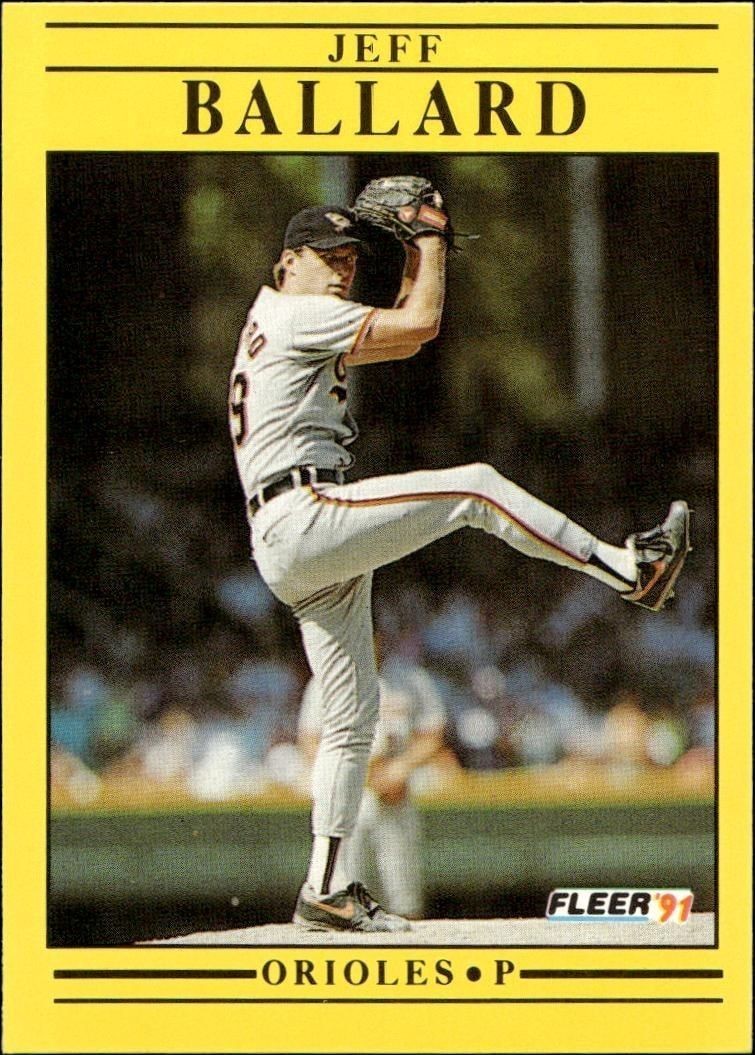





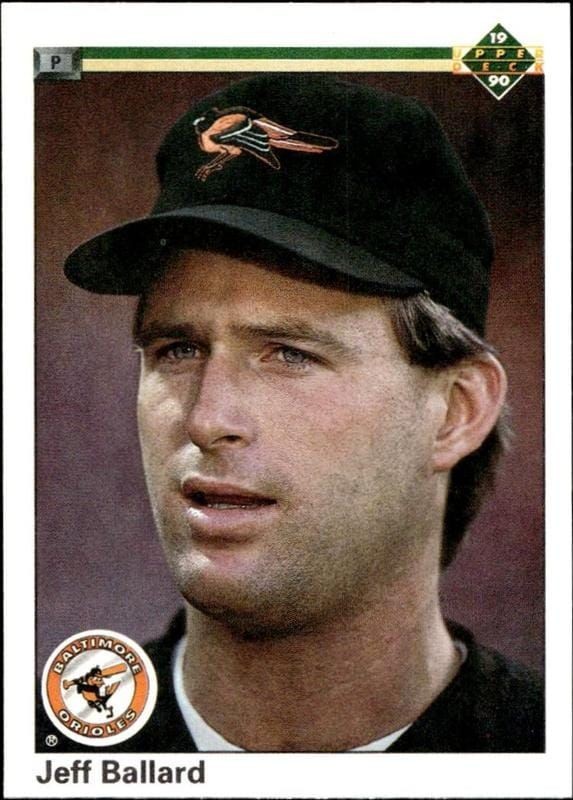
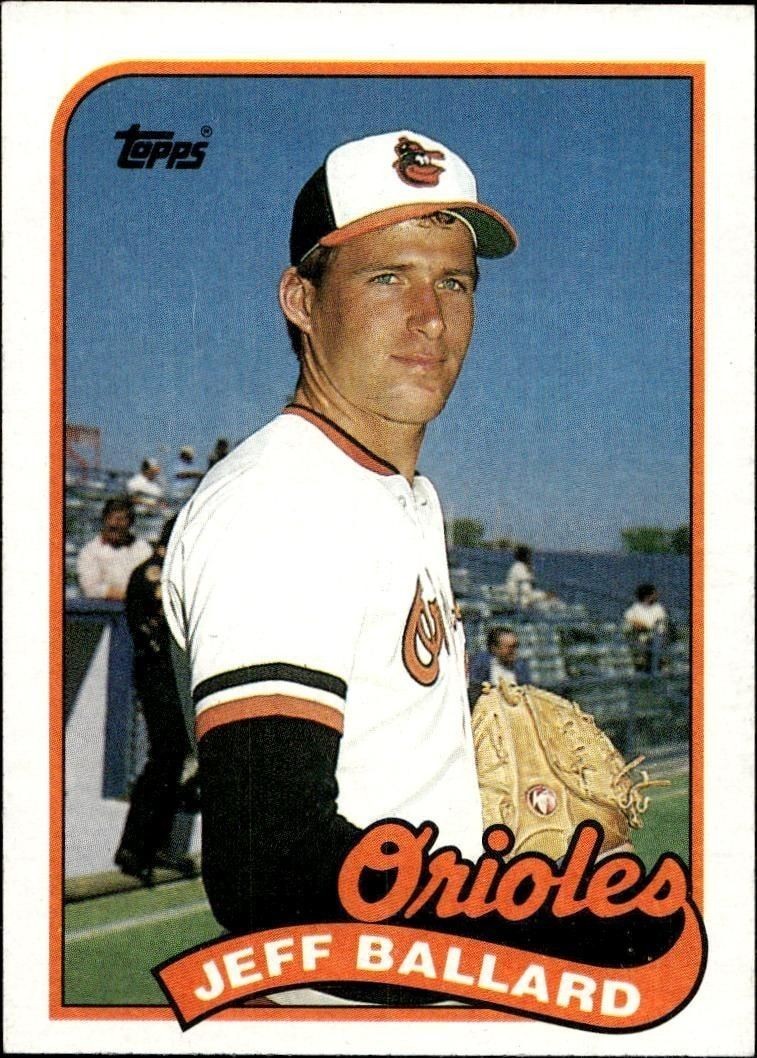


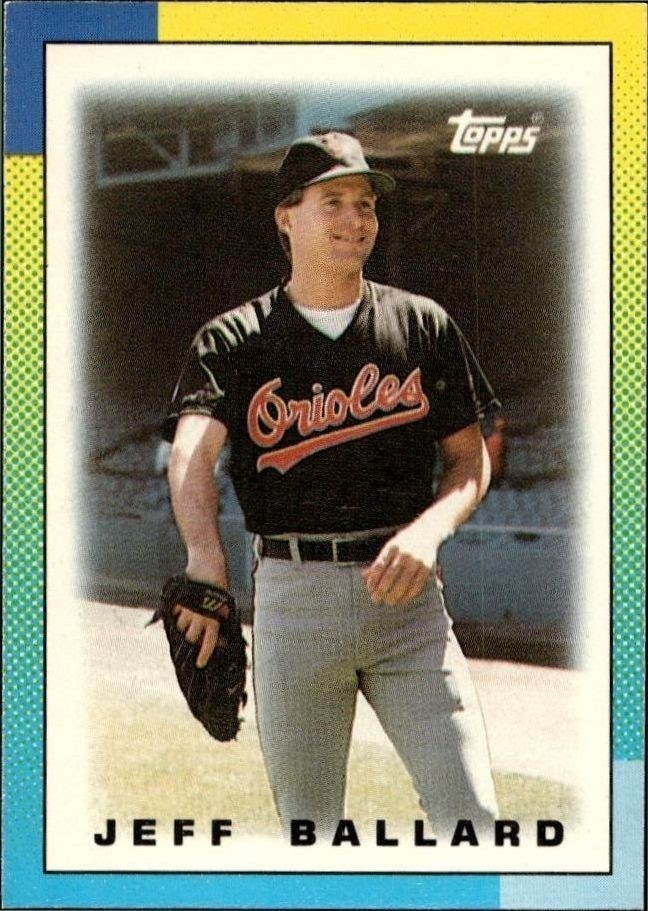

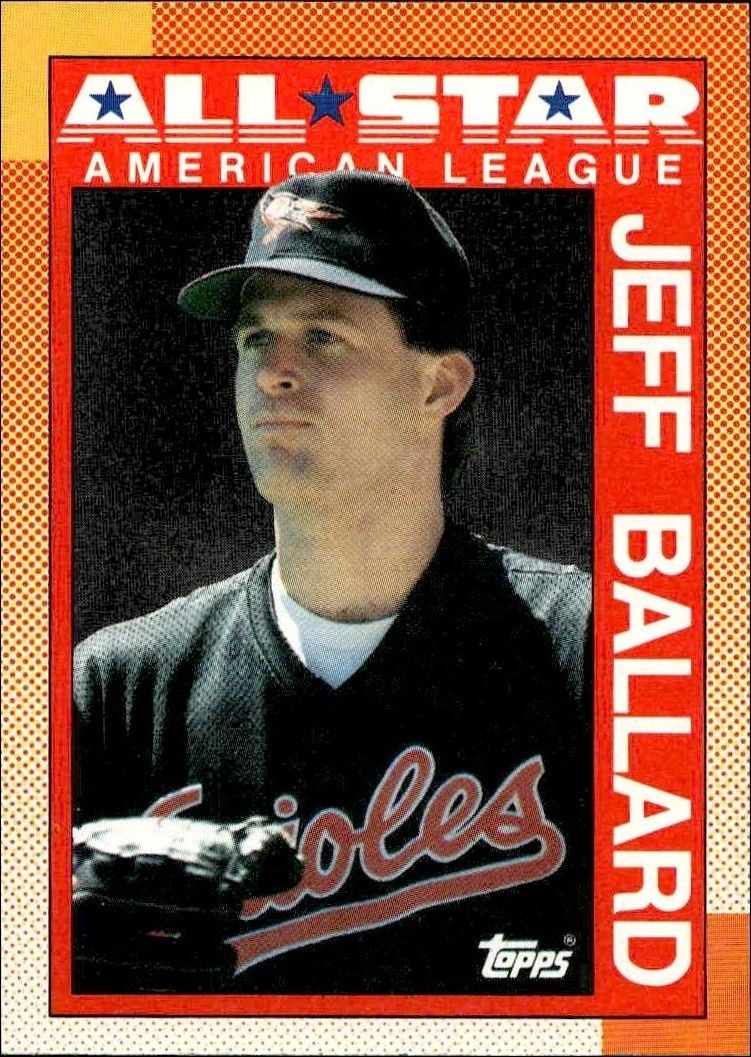

The 1988 Fleer Jeff Ballard #554 sports card represents a distinct entry in the brand's vintage baseball lineup. This card features the Baltimore Orioles player from the late 1980s era.
1988 • Fleer
Major League Baseball • Baltimore Orioles
Near Mint
554
New
Shipping Calculated at Checkout
Arrives in 5-7 daysEstimated delivery October 23, 2026 - October 25, 2026
Seller returns October 19, 2026.30-day Returns| Condition | Value | Source | Trend | Price Details |
|---|---|---|---|---|
$0.99 | Asking Prices | |||
Raw / Ungraded
eBay Active Listings · Asking Prices evidence · captured Oct 5, 2026
History is building. At least two days of matching observations are needed to show a trend.
Each point is the last stored observation that day for this printing, condition, grader, autograph status and source. Gaps mean no observation; guide estimates and asking prices are not completed sales.The 1988 Fleer Jeff Ballard #554 sports card stands as a notable entry in the vintage baseball collecting community. Released by Fleer during a pivotal era for the brand, this card offers collectors a tangible connection to the late 1980s baseball landscape. As one of the primary manufacturers of trading cards during this period, Fleer established a unique visual identity that continues to attract enthusiasts of classic designs. Jeff Ballard, featured on card number 554, is identified with the Baltimore Orioles organization in this release. For collectors focused on team-specific sets or player subsets, this card provides a specific data point for tracking progress. The 1988 set is widely recognized among hobbyists for its distinct aesthetic, which diverged significantly from previous years and set the stage for the brand's future resurgence. Owning a card from this year allows enthusiasts to explore the design evolution that occurred when Fleer reintroduced baseball as a core category. Collecting from the 1988 Fleer base set often involves hunting for specific players and card numbers to complete the full sequence. The #554 designation places Ballard within the broader context of the year's roster, offering a piece of the historical record. Whether you are aiming to fill gaps in a personal archive or simply appreciate the craftsmanship of vintage sports cards, this product represents a solid addition to any collection. The enduring appeal of 1980s baseball cards lies in their nostalgia and the historical snapshot they provide of the sport during that decade. For those interested in the broader scope of baseball memorabilia, this card serves as an accessible entry point into the hobby. The combination of the Fleer brand, the 1988 year, and the Baltimore Orioles affiliation creates a specific niche for targeted collecting. By acquiring this card, collectors engage with a piece of trading card history that remains relevant for its design and historical context.
10 hours ago
We'll pre-fill the product details from this catalog entry, so your listing lands on this exact page. Just add photos of your copy, pick its condition, and set your price.
The catalog profile below summarizes the card identity, featured subject, and notable collectible traits.
The subject, team, league, and sport context tied to this card.
Production details and format-specific attributes.
Material
Card Stock
Language
English
Compare prices, grades, photos, and shipping from approved sellers.
New
Near Mint
See how many public collections currently include this card.
0 collectors have this card
As a 1988 Fleer card for Jeff Ballard, this item sits in the entry-level tier of vintage baseball collectibles, reflecting the market reality for players who did not achieve sustained stardom. The absence of special attributes means it trades at standard market rates for base cards of this era, with value driven primarily by age and brand recognition rather than individual player prestige. Current pricing indicates a liquid but modest valuation, typical for mass-produced vintage inserts featuring reserve or role-player talent.
This card carries no specific scarcity mechanics such as serial numbering, short-print designation, or parallel variations, placing it firmly in the base set category. The supply is effectively unlimited within the context of the secondary market, as there are no constraints on print runs or unique identifiers to limit availability. Consequently, the card relies entirely on its status as a standard base issue from a major manufacturer to define its physical distinctiveness.
The investment potential is limited by the lack of a rookie card designation or unique parallel status, which are key drivers for long-term appreciation in the vintage market. Collector demand for this specific item is likely driven by general set completionists rather than specific player-focused interest, resulting in stable but low-growth prospects. Without special attributes to differentiate it from the broader pool of 1988 Fleer cards, it serves better as a fill-in for collection diversity than as a standalone asset.