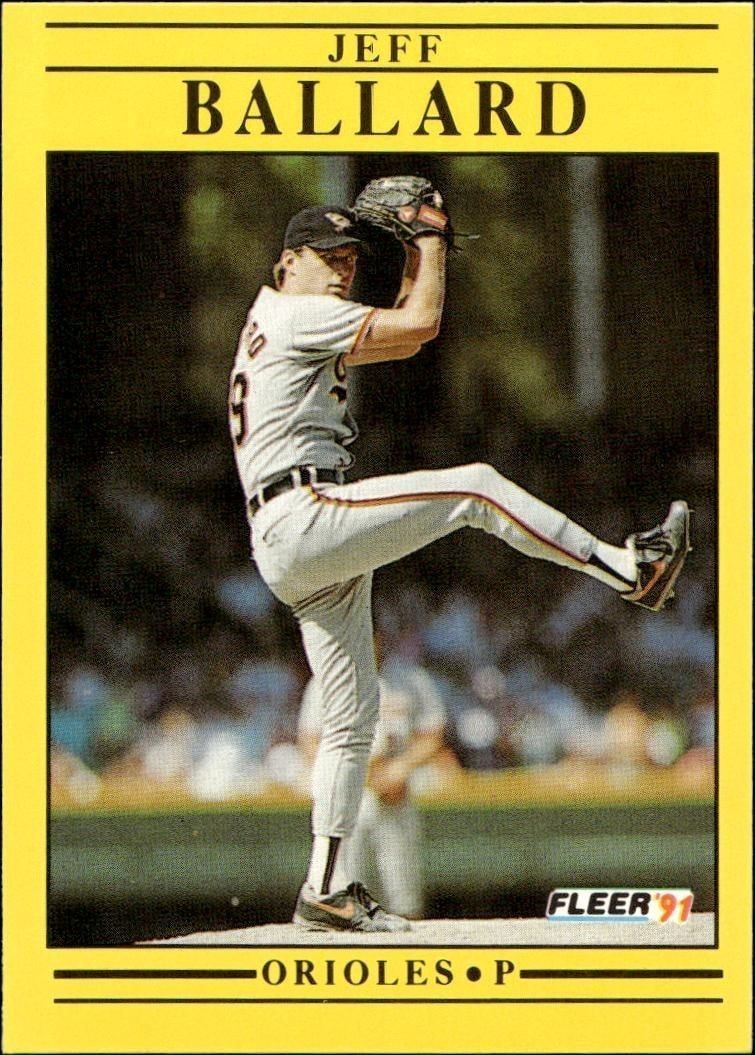




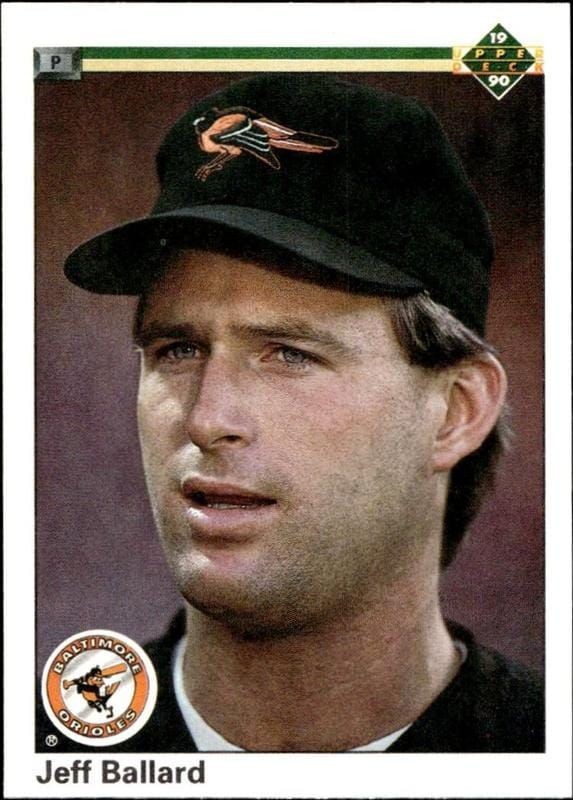
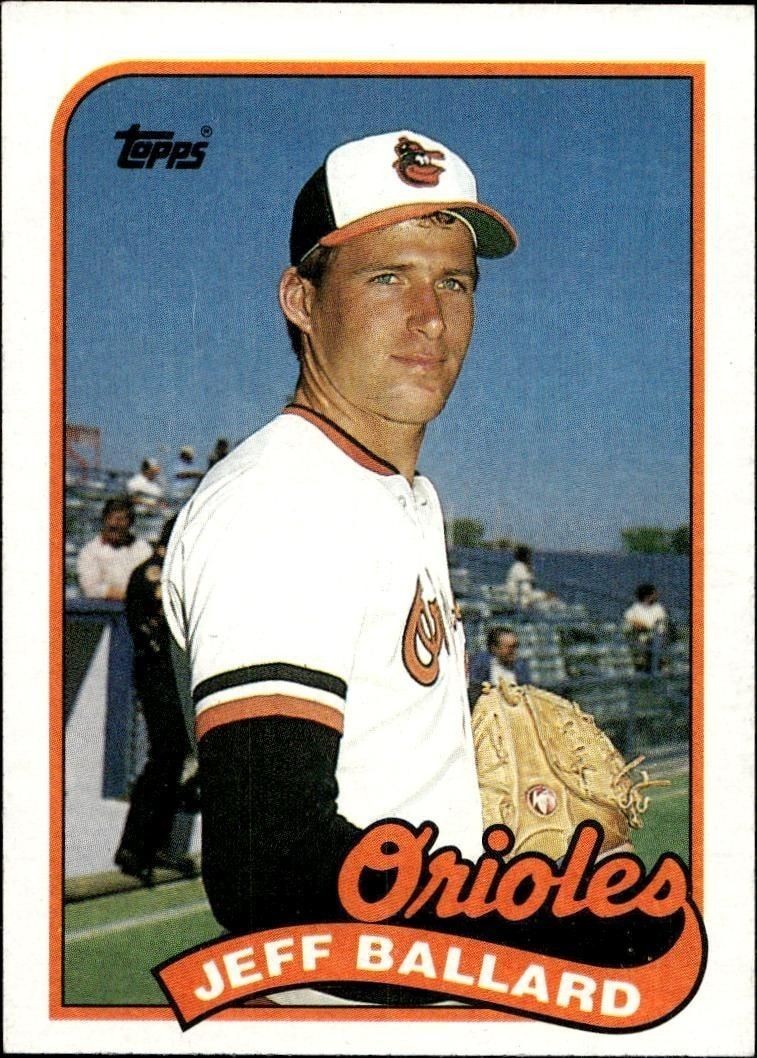


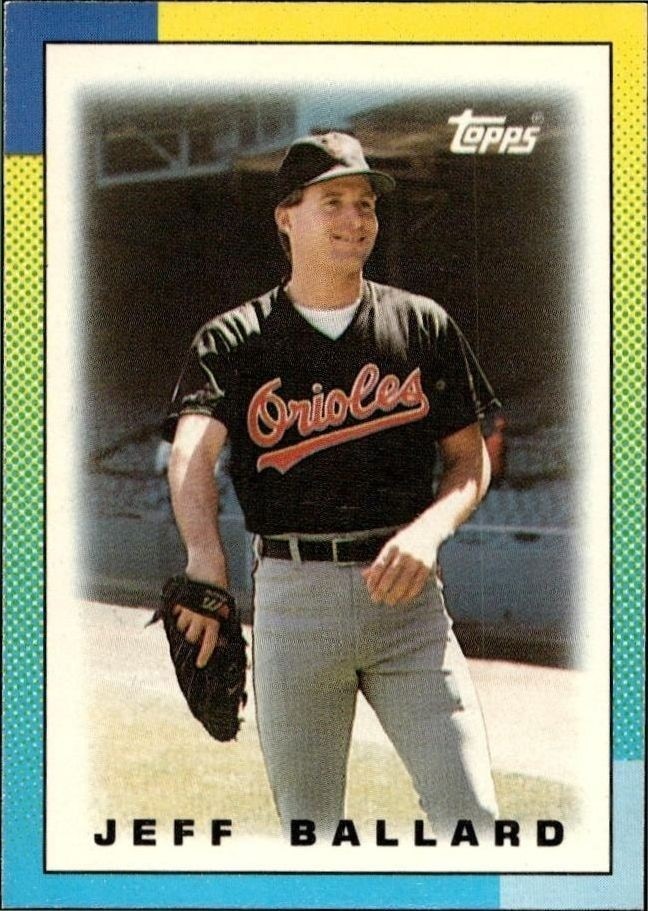


The 1990 Topps #394 Jeff Ballard baseball card is a vintage collectible featuring the Baltimore Orioles player.
1990 • Topps
Major League Baseball • Baltimore Orioles
Excellent
394
New
Shipping Calculated at Checkout
Arrives in 5-7 daysEstimated delivery October 29, 2026 - October 31, 2026
30-day Returns| Condition | Value | Source | Trend | Price Details |
|---|---|---|---|---|
$0.99 | Guide Estimate | 0% | ||
$45.10 | Guide Estimate | 0% | ||
$50.00 | Guide Estimate | 0% | ||
$254.00 | Guide Estimate | |||
$78.00 | Guide Estimate | |||
$195.00 | Guide Estimate | |||
$117.00 | Guide Estimate | |||
Raw / Ungraded
PriceCharting Price Guide · Guide Estimate evidence · captured Oct 23, 2026
The 1990 Topps #394 Jeff Ballard baseball card represents a tangible piece of early 1990s sports memorabilia history. As a product from the renowned Topps brand, this release captures the distinct design aesthetic and cultural context of that specific era in baseball trading cards. Collectors often seek out cards from 1990 for their nostalgic value and the vibrant, classic layout that defined the brand's output during that period. Jeff Ballard is featured prominently on this card number, representing his time with the Baltimore Orioles. For fans and historians of the sport, this card serves as a specific reference point for that season and team. While Ballard may not be a household name to casual observers, his presence on a mainstream Topps release makes this card a valuable component for dedicated set builders who aim to complete the full 1990 Topps baseball series. The 1990 Topps #394 Jeff Ballard baseball card appeals to a broad range of collectors. Some focus on the visual appeal of the era's design, while others concentrate on team-specific collecting, aiming to acquire every card associated with the Baltimore Orioles from that year. Additionally, investors in vintage sports cards often view 1990 releases as a foundational block of the modern trading card market, making this card an interesting entry point for those looking to explore pre-1995 issues. Whether you are hunting for a specific player, completing a team set, or simply appreciating the history of the 1990 Topps brand, this card offers a direct connection to the past. It stands as a durable artifact of the sport's enduring appeal. Collectors can explore various listings for this card to find the condition and grade that best suits their personal collecting goals and budget.
3 days ago
We'll pre-fill the product details from this catalog entry, so your listing lands on this exact page. Just add photos of your copy, pick its condition, and set your price.
The catalog profile below summarizes the card identity, featured subject, and notable collectible traits.
The subject, team, league, and sport context tied to this card.
Production details and format-specific attributes.
Material
Card Stock
Language
English
Compare prices, grades, photos, and shipping from approved sellers.
New
Excellent
See how many public collections currently include this card.
0 collectors have this card
As a 1990 Topps card of Jeff Ballard, this item sits at the entry-level tier of the secondary market, reflecting the standard pricing for non-star players from this era. The lack of special attributes or notable career achievements keeps its value grounded in basic hobby circulation rather than premium collector demand. It represents a baseline acquisition point for those completing broad set collections rather than seeking high-yield assets.
This card is a standard base issue within the 1990 Topps set, meaning it carries no serial numbering, short-print designations, or parallel variations to constrain supply. Its availability is determined solely by the total print run of the base set, resulting in a high population of identical cards in the market. Consequently, it lacks the scarcity mechanics that typically drive value appreciation in modern or vintage sports collectibles.
Given the absence of rookie status or unique attributes, this card offers minimal investment potential beyond basic set completion utility. The broad supply of ungraded base cards from the early 1990s ensures that significant price appreciation is unlikely without exceptional condition grading. Investors should view this as a low-cost filler item rather than a strategic hold for portfolio growth.