











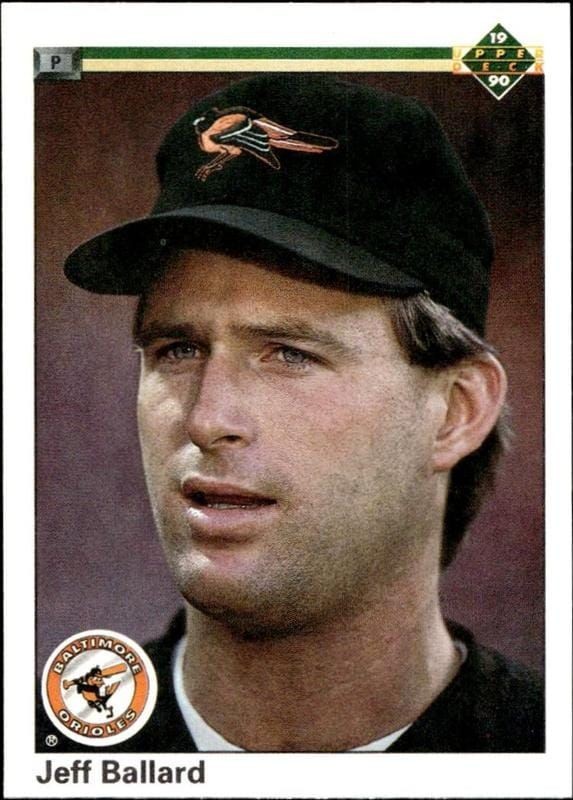
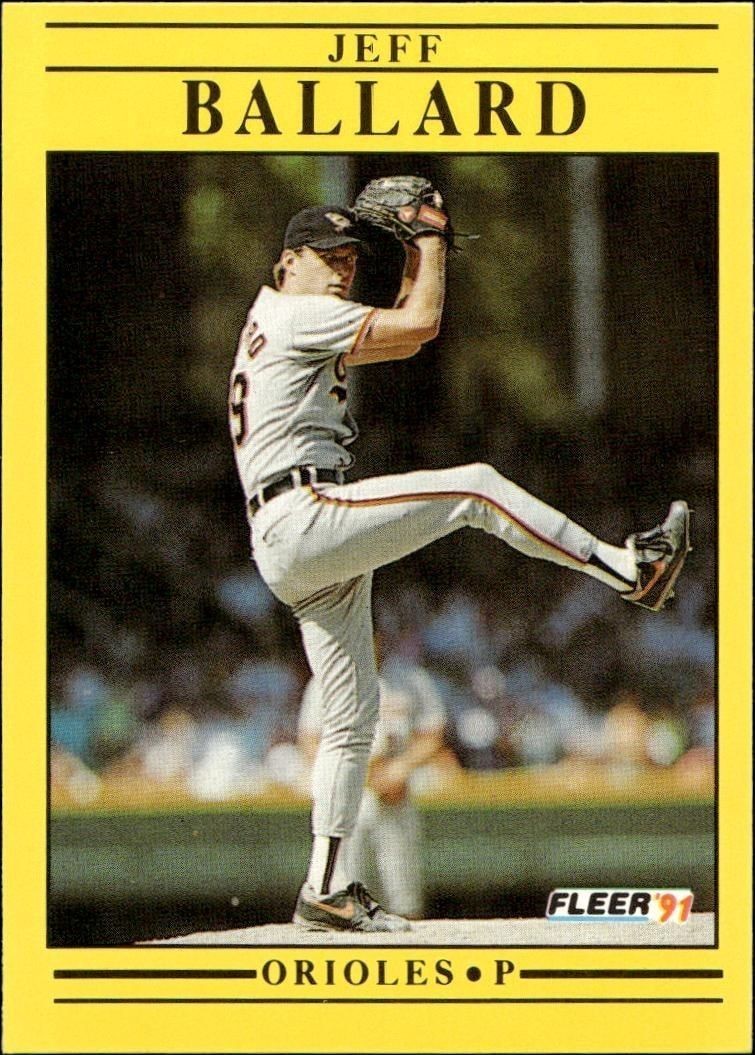

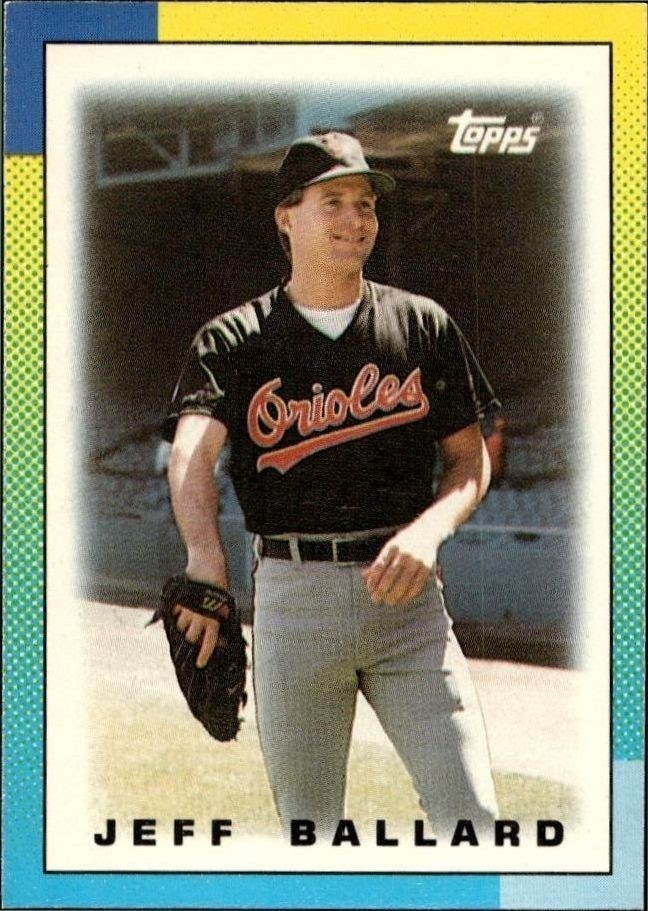

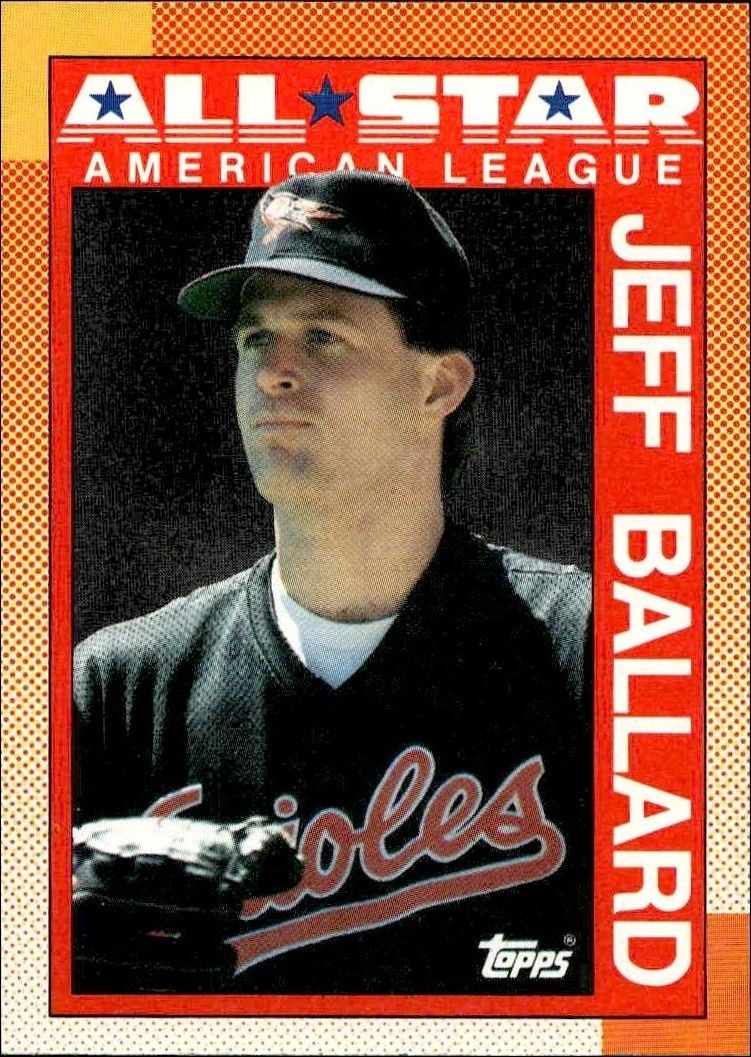


Explore the 1989 Topps baseball card featuring Jeff Ballard, card number 69. This classic release captures a moment in Baltimore Orioles history.
1989 • Topps
Major League Baseball • Baltimore Orioles
Excellent
69
New
Shipping Calculated at Checkout
This seller is away until 10/19/2026 — orders are still accepted and ship after they return.30-day Returns| Condition | Value | Source | Trend | Price Details |
|---|---|---|---|---|
$1.68As of 10/1/2026 | Guide Estimate | |||
$24.00As of 10/1/2026 | Guide Estimate | |||
$11.00As of 10/1/2026 | Guide Estimate | |||
$18.26As of 10/1/2026 | Guide Estimate | |||
$11.00As of 10/1/2026 | Guide Estimate | |||
Raw / Ungraded
PriceCharting Price Guide · Guide Estimate evidence · captured Oct 1, 2026
History is building. At least two days of matching observations are needed to show a trend.
Each point is the last stored observation that day for this printing, condition, grader, autograph status and source. Gaps mean no observation; guide estimates and asking prices are not completed sales.The 1989 Topps baseball card numbered 69 features Jeff Ballard, offering collectors a tangible connection to the Baltimore Orioles roster during that specific season. As part of the massive 1989 Topps base set, this card represents a standard entry point for enthusiasts looking to build comprehensive collections of late-1980s baseball memorabilia. Jeff Ballard appeared in Major League Baseball during the late 1980s, making his 1989 Topps issue a relevant piece for fans of that era. The card's design follows the iconic aesthetic of the 1989 Topps brand, characterized by its clean layout and vibrant photography that defined sports trading cards of the time. Collectors often seek this card not only for its individual significance but also as a necessary component for those completing the full 792-card base set. Whether you are a dedicated Baltimore Orioles fan or a general baseball card collector, the 1989 Topps Jeff Ballard #69 offers a straightforward way to add a piece of sports history to your collection. The card's enduring popularity stems from the nostalgia associated with the 1989 season and the recognizable Topps branding that has been a staple in the hobby for decades. The 1989 Topps release remains a foundational part of modern baseball card collecting, and this card stands as a testament to the era's design and production values.
1 day ago
We'll pre-fill the product details from this catalog entry, so your listing lands on this exact page. Just add photos of your copy, pick its condition, and set your price.
The catalog profile below summarizes the card identity, featured subject, and notable collectible traits.
The subject, team, league, and sport context tied to this card.
Production details and format-specific attributes.
Material
Card Stock
Language
English
Compare prices, grades, photos, and shipping from approved sellers.
New
Excellent
See how many public collections currently include this card.
0 collectors have this card
This 1989 Topps card of Jeff Ballard represents an accessible entry point into vintage Baltimore Orioles memorabilia, trading at a modest price tier typical for non-star relief pitchers of that era. While it lacks the premium valuation associated with franchise icons, it holds steady appeal for specialized collectors focusing on Orioles history or 1980s baseball aesthetics. The current market positioning suggests it is a liquid asset for casual collectors rather than a high-value investment piece.
As a standard base card from a mass-produced 1989 Topps set, this item carries no serial numbering, short-print designation, or parallel variations that would artificially constrain supply. Its scarcity is driven solely by its age and the general wear associated with three-decade-old cardboard, meaning condition becomes the primary differentiator for value. Without unique production limits, the available supply remains relatively abundant compared to parallel or insert versions of the same player.
Collector demand for this card is likely niche, driven primarily by completists of the 1989 Topps set or dedicated Baltimore Orioles fans rather than broad market speculation. As a non-rookie card for a player with limited mainstream stardom, it does not benefit from rookie-card premiums or significant career milestone narratives. Long-term value growth will likely remain flat, serving better as a affordable historical artifact than a vehicle for financial appreciation.
