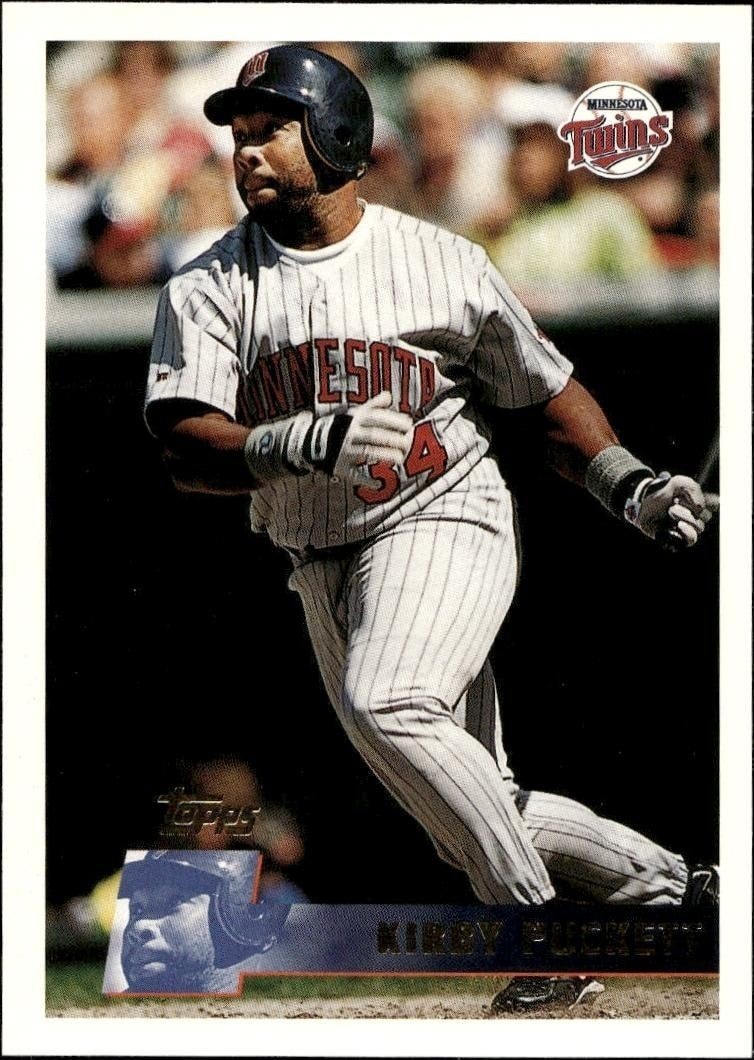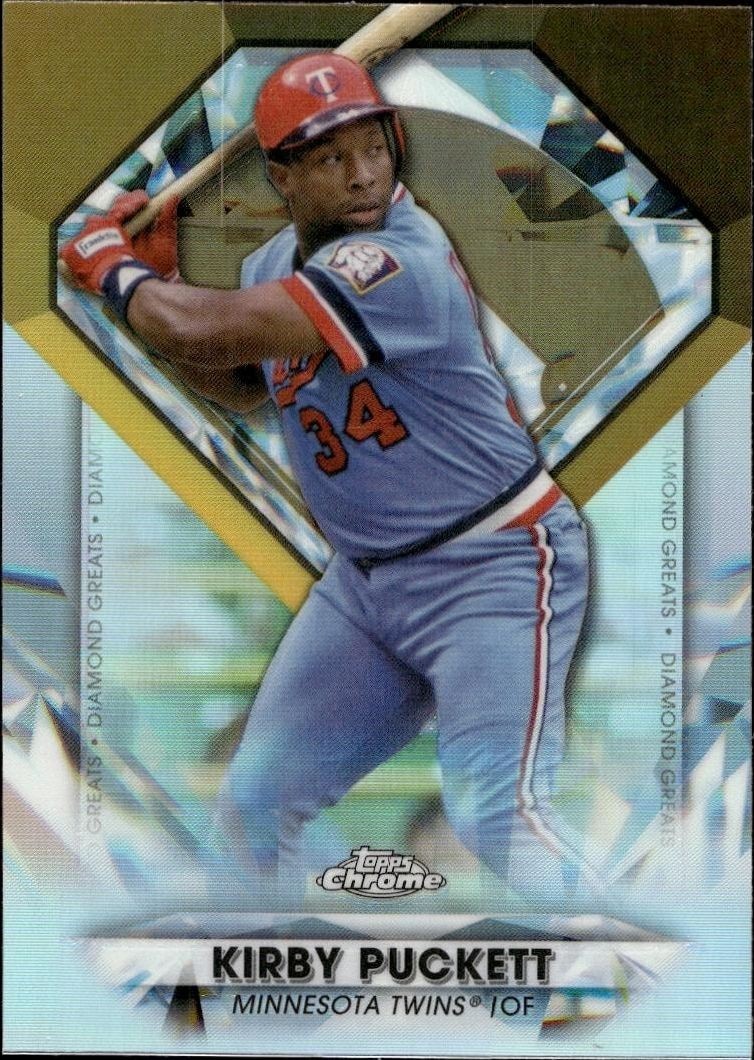

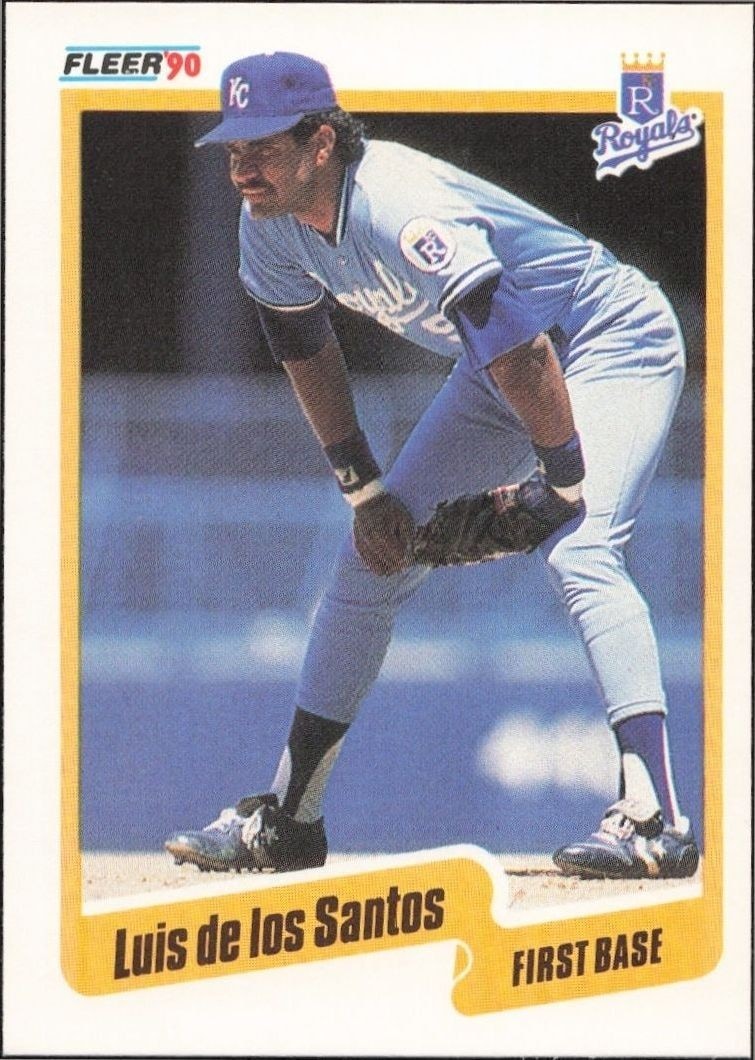


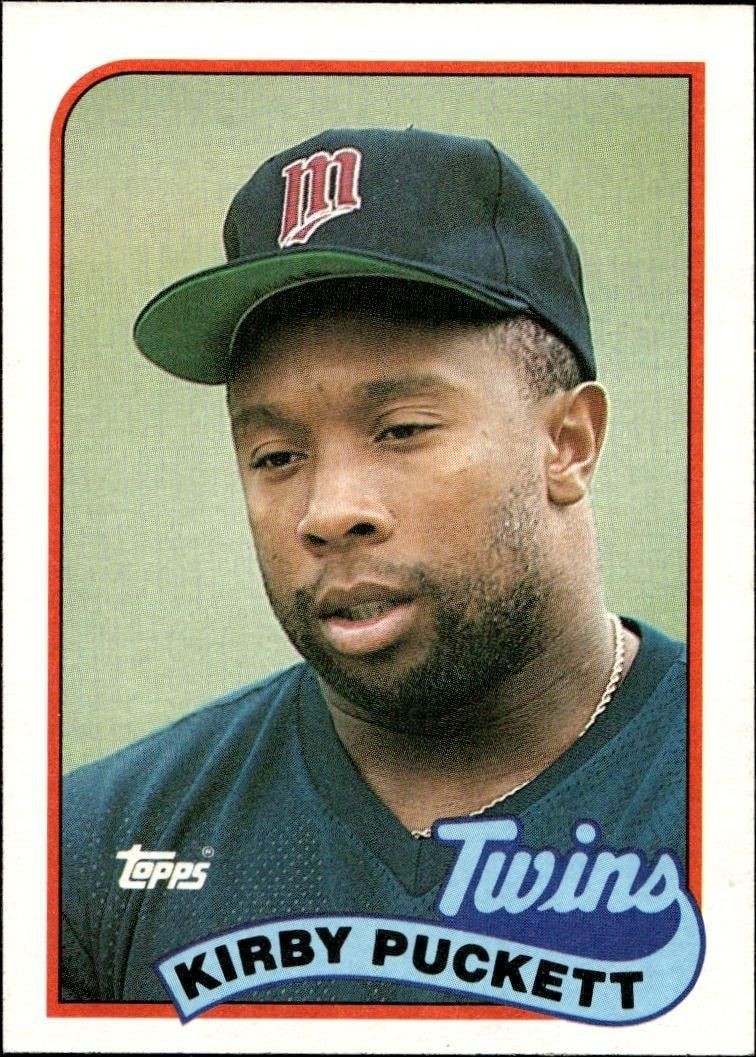
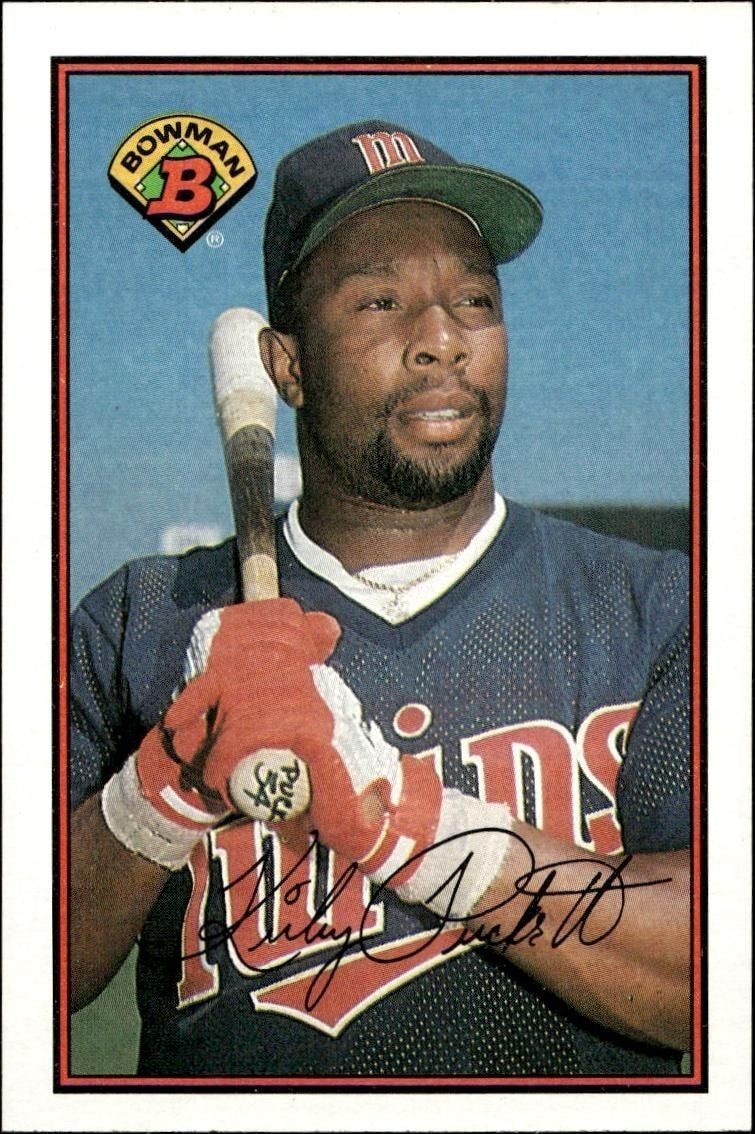

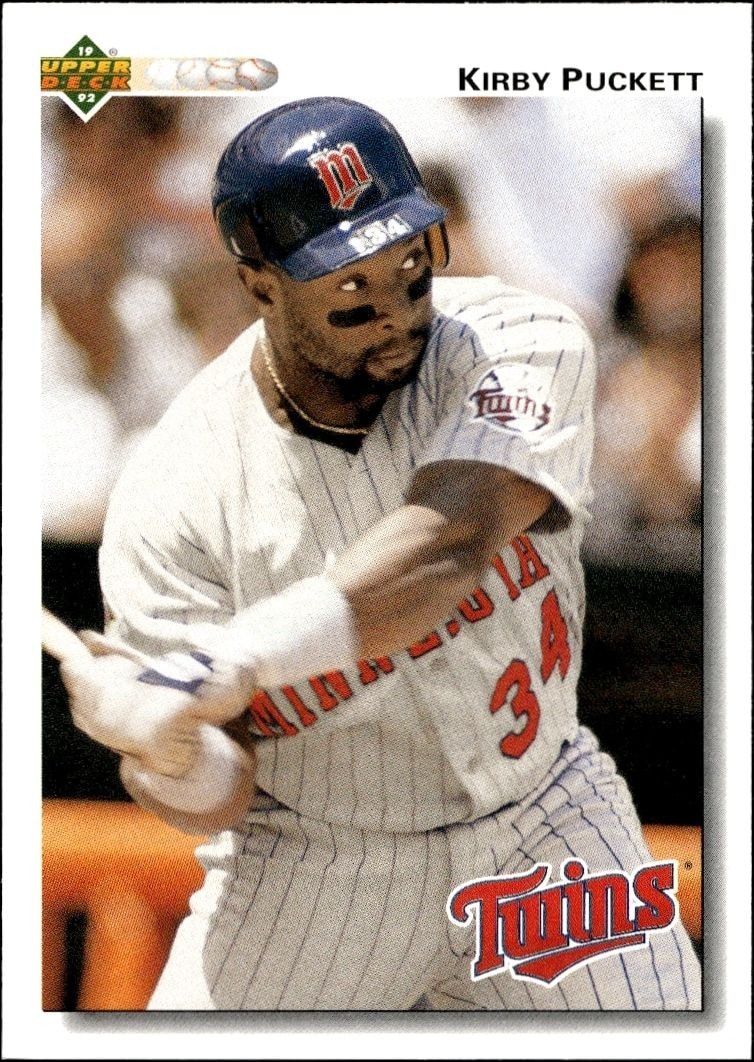
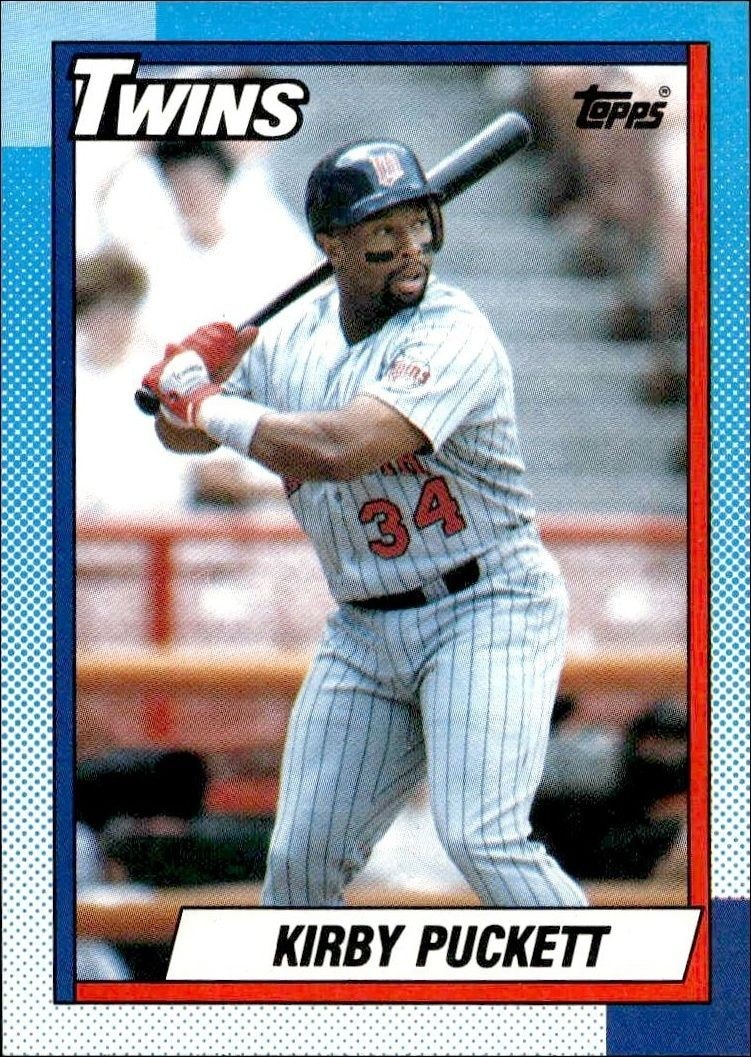
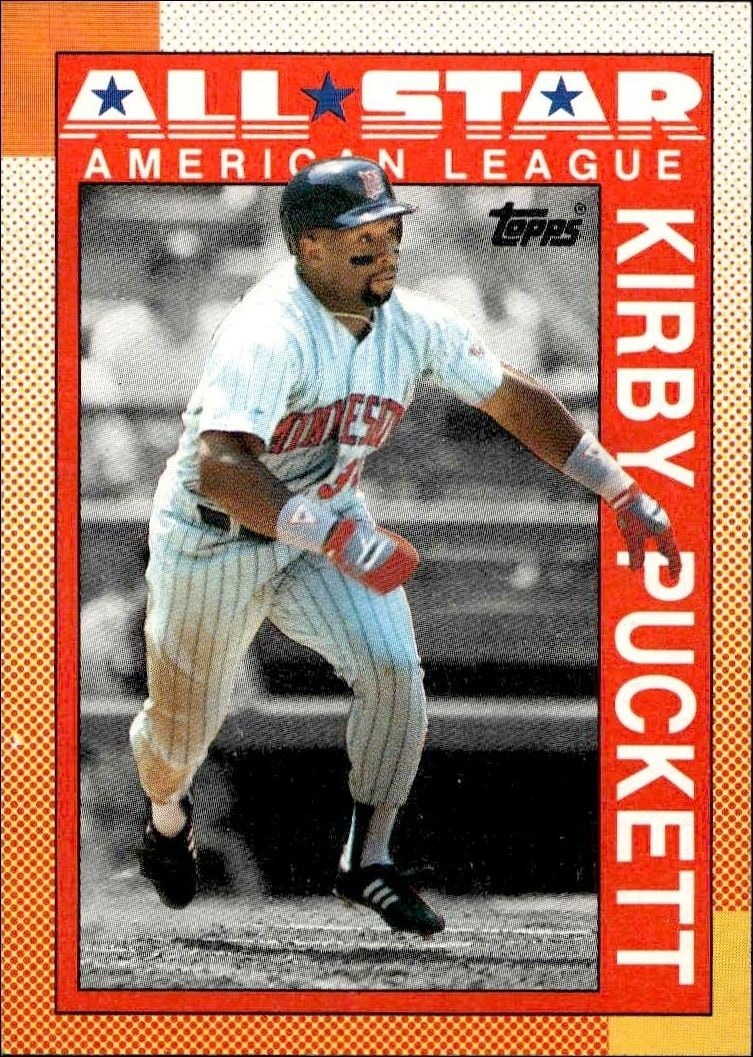

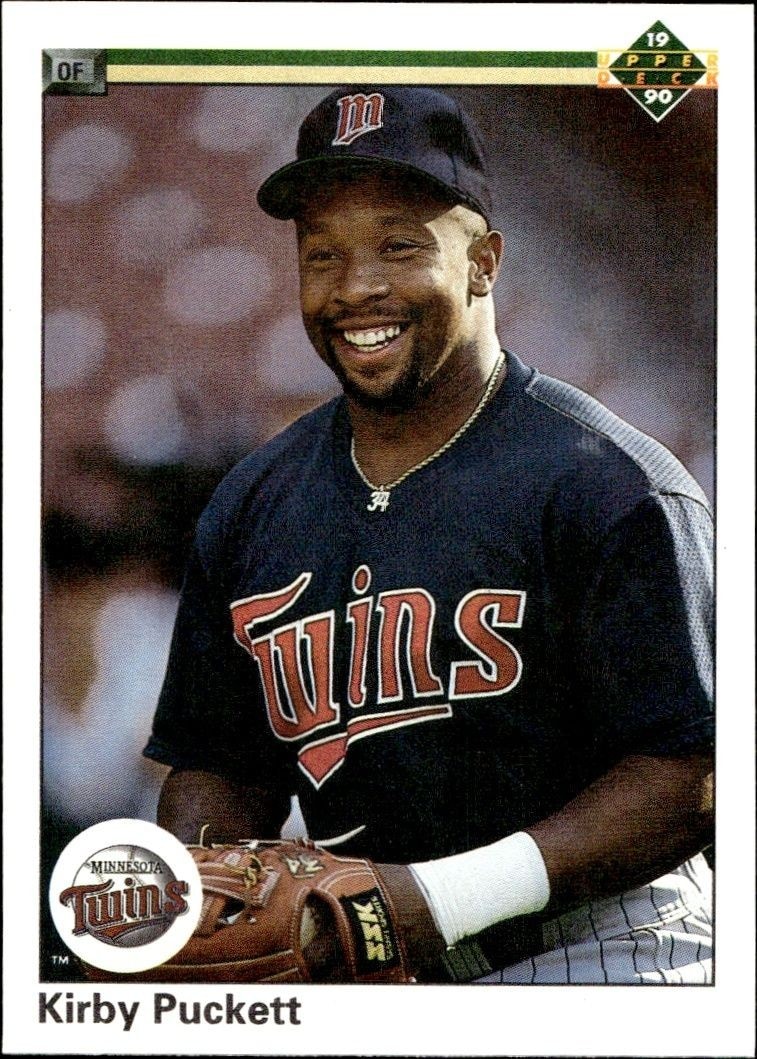
The 1990 Fleer Kirby Puckett #383 is a definitive Minnesota Twins baseball card featuring the franchise legend in one of Fleer's most recognizable designs.
1990 • Fleer
Major League Baseball • Minnesota Twins
Excellent
383
New
Shipping Calculated at Checkout
Arrives in 4-6 daysEstimated delivery November 2, 2026 - November 4, 2026
30-day Returns| Condition | Value | Source | Trend | Price Details |
|---|---|---|---|---|
$1.00 | Guide Estimate | -14.5% | ||
$1.50 | Completed Sales | 0% | ||
$0.99 | Guide Estimate | 0% | ||
$7.62 | Guide Estimate | -0.1% | ||
$9.94 | Guide Estimate | +4.7% | ||
$31.00 | Guide Estimate | -3.1% | ||
$41.00 | Guide Estimate | -2.4% | ||
$13.00 | Guide Estimate | -31.6% | ||
$31.62 | Guide Estimate | -2.2% | ||
$19.00 | Guide Estimate | 0% | ||
Raw / Ungraded
PriceCharting Price Guide · Guide Estimate evidence · captured Oct 24, 2026
Kirby Puckett #383 from the 1990 Fleer baseball card set represents a pivotal moment in sports trading card history. Released during a period when Fleer aggressively redesigned its product to compete with market leaders, this card features the Minnesota Twins star in a bold, action-oriented layout that defined the brand's aesthetic for the decade. As one of the first major sets to modernize the look of baseball cards, the 1990 Fleer release remains a cornerstone for collectors seeking vintage memorabilia from the early 1990s. Kirby Puckett was the face of the Minnesota Twins franchise throughout the 1980s and 1990s, leading the team to multiple playoff appearances and a World Series championship. His dynamic play style and charismatic personality made him one of the most popular players of his era, ensuring that his cards remain highly sought after by Twins fans and baseball historians alike. The #383 card captures Puckett in his prime, offering a tangible connection to his legendary career on the field. For collectors, the 1990 Fleer Kirby Puckett card serves as an essential component for completing vintage baseball sets. Its distinct design and historical significance make it a valuable addition to any collection, particularly for those focused on the Twins or the broader MLB landscape of the era. Whether you are building a comprehensive archive of 1990s baseball cards or looking to acquire a specific player issue, this card offers a compelling piece of sports history.
10/20/26
We'll pre-fill the product details from this catalog entry, so your listing lands on this exact page. Just add photos of your copy, pick its condition, and set your price.
The catalog profile below summarizes the card identity, featured subject, and notable collectible traits.
The subject, team, league, and sport context tied to this card.
Production details and format-specific attributes.
Material
Card Stock
Language
English
Compare prices, grades, photos, and shipping from approved sellers.
New
Excellent
See how many public collections currently include this card.
0 collectors have this card
This 1990 Fleer Kirby Puckett card represents the entry-level tier for a Minnesota Twins legend and MLB Hall of Famer, trading at a modest premium relative to high-grade counterparts but reflecting its status as a common base issue. The current market position indicates strong liquidity for casual collectors, though it lacks the premiumization seen in vintage rookie cards or short-print variants. Its value is anchored by Puckett’s iconic status rather than scarcity, making it an accessible price point for those building foundational Twins collections.
As a standard base card from the 1990 Fleer set, this item carries no serial numbering, short-print designation, or parallel layering that would artificially constrain its supply. The absence of special attributes means it represents the highest population subset of Puckett’s 1990 releases, subject only to natural wear and tear over time. This ubiquity ensures broad availability but eliminates the scarcity-driven demand that typically elevates market value in secondary markets.
While this card offers exposure to Puckett’s enduring legacy as a Twins icon, its position as a common base issue limits significant appreciation potential compared to rarer parallels or graded examples. Collector demand remains steady for raw, ungraded copies due to the low barrier to entry, but the card is unlikely to outperform specialized subsets or vintage rookies. Investors should view this as a volume-play asset for diversification rather than a high-yield store of value.