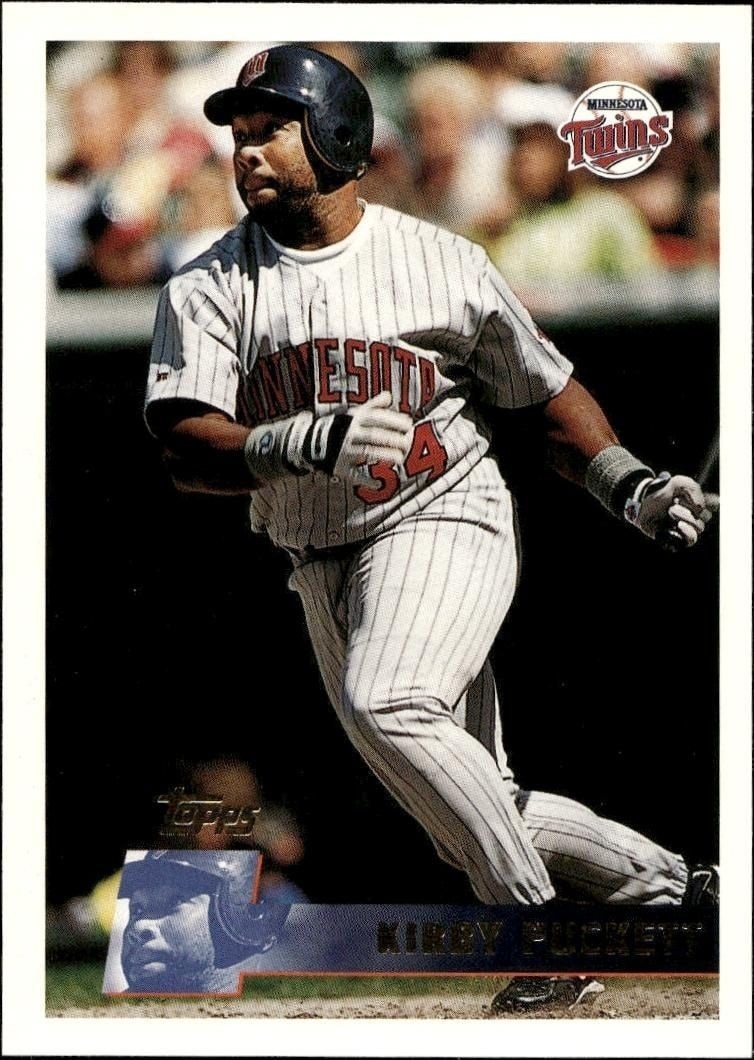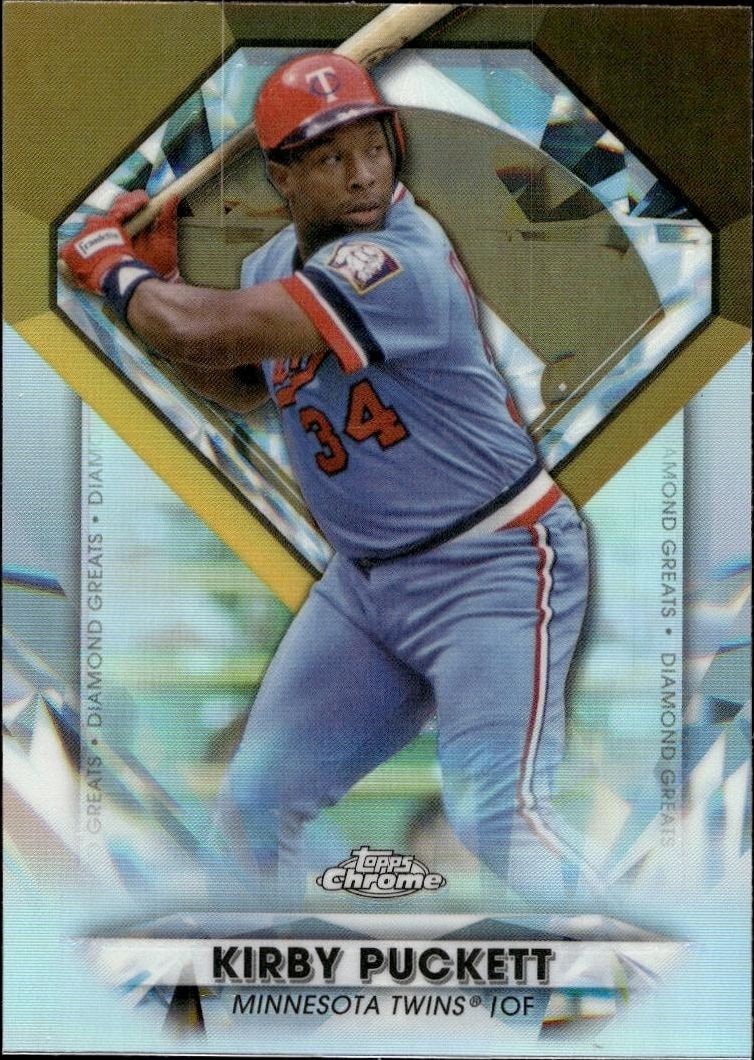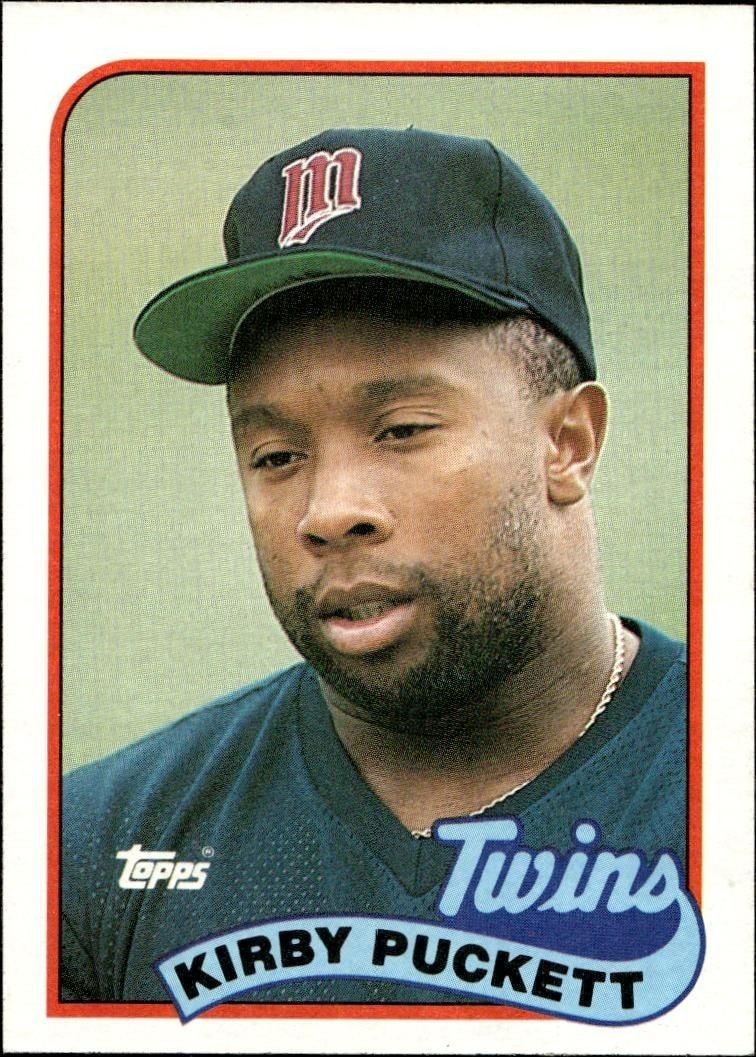
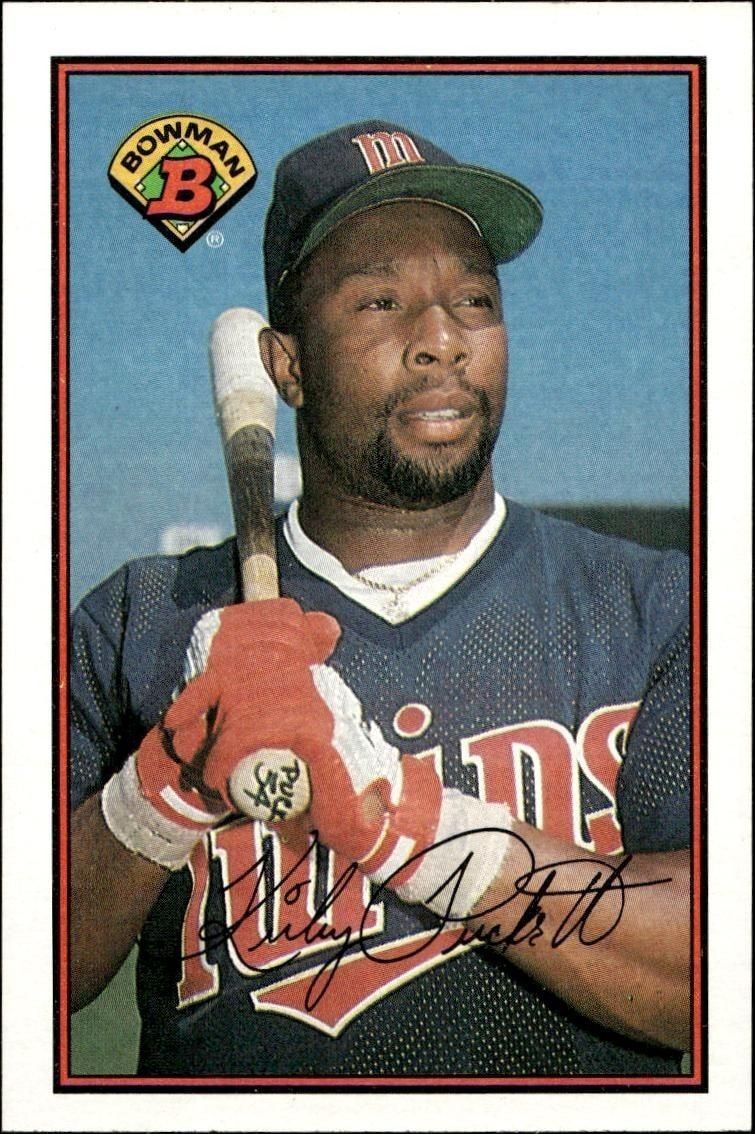


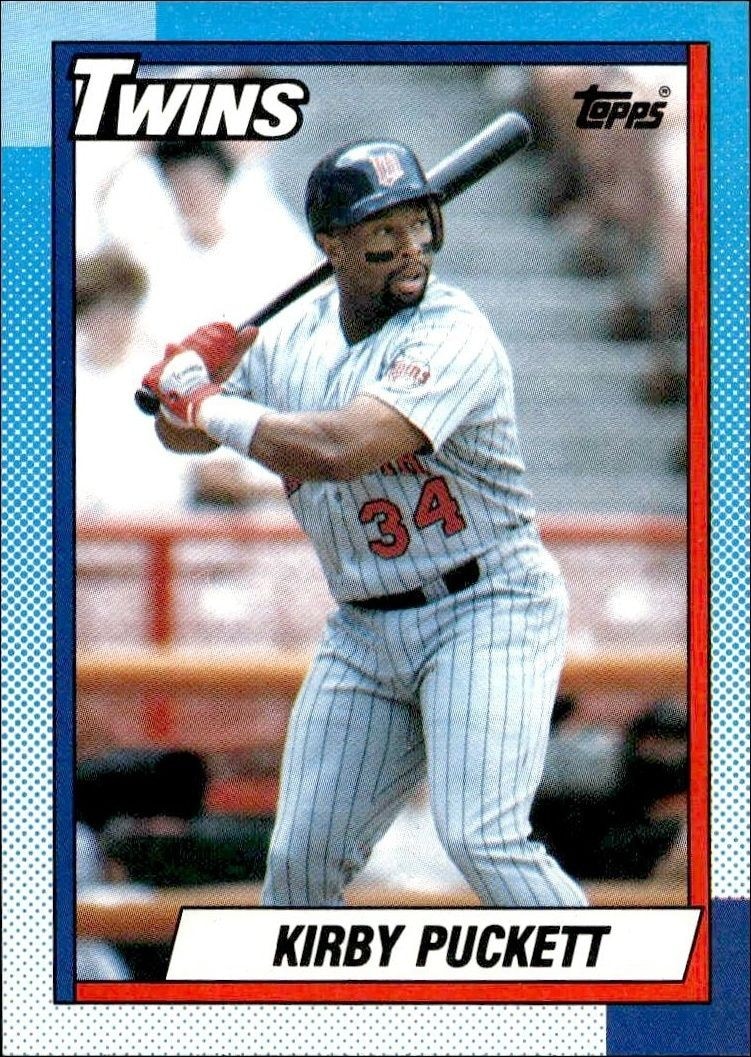

Explore the 1990 Topps Kirby Puckett #391 baseball card, a key piece of vintage sports memorabilia featuring the Minnesota Twins legend.
1990 • Topps
Major League Baseball • Minnesota Twins
Excellent
391
New
Shipping Calculated at Checkout
Arrives in 6-8 daysEstimated delivery October 23, 2026 - October 25, 2026
Seller returns October 19, 2026.30-day Returns| Condition | Value | Source | Trend | Price Details |
|---|---|---|---|---|
$2.25 | Guide Estimate | 0% | ||
$0.99As of 9/23/2026 | Completed Sales | |||
$3.00 | Guide Estimate | 0% | ||
$4.06 | Guide Estimate | +0.5% | ||
$16.02 | Guide Estimate | +2.2% | ||
$32.00 | Guide Estimate | 0% | ||
$42.00 | Guide Estimate | -2.3% | ||
$20.00 | Guide Estimate | 0% | ||
$32.50 | Guide Estimate | -1.5% | ||
$25.00 | Guide Estimate | 0% | ||
Raw / Ungraded
PriceCharting Price Guide · Guide Estimate evidence · captured Oct 15, 2026
The 1990 Topps Kirby Puckett #391 sports card represents a specific moment in the history of the Minnesota Twins franchise. As a staple of the 1990 Topps set, this card features Kirby Puckett, one of the most recognizable names in baseball history, presented in the standard rectangular format that defined the era of sports trading cards. The card number 391 places it within the main base set, offering collectors a straightforward entry point into vintage baseball memorabilia. For enthusiasts of vintage sports cards, the 1990 Topps brand holds a significant place due to its widespread distribution and iconic design language. This product focuses on the Kirby Puckett card, allowing fans to track down specific issues from their favorite teams. The Minnesota Twins connection adds a layer of regional pride and historical context for collectors who follow the team's legacy. Whether you are building a team-specific collection or focusing on individual player cards, this issue provides a tangible link to the 1990 baseball season. Collecting vintage cards involves searching for specific players, teams, and years to complete a set or highlight a favorite athlete. The 1990 Topps Kirby Puckett #391 card fits into this broader hobby by offering a clear, identifiable item for those interested in 1990s baseball. The straightforward nature of the card makes it a versatile addition to any binder or portfolio. As the hobby continues to grow, items from this period remain popular for their nostalgic value and historical significance in the sport. By focusing on the details of the brand, year, and player, collectors can efficiently navigate the vast world of sports cards. This card serves as a representative example of the 1990 Topps release, highlighting the enduring appeal of vintage baseball trading cards among hobbyists and investors alike.
30 minutes ago
We'll pre-fill the product details from this catalog entry, so your listing lands on this exact page. Just add photos of your copy, pick its condition, and set your price.
The catalog profile below summarizes the card identity, featured subject, and notable collectible traits.
The subject, team, league, and sport context tied to this card.
Production details and format-specific attributes.
Material
Card Stock
Language
English
Compare prices, grades, photos, and shipping from approved sellers.
New
Excellent
See how many public collections currently include this card.
0 collectors have this card
This 1990 Topps Kirby Puckett base card represents an entry-level tier within the player's market, trading significantly below his premium parallels or rookie issues. While Puckett holds substantial career significance as a Hall of Fame center fielder, the absence of special attributes keeps this specific slab in the volume-driven segment of the market. It serves as an accessible acquisition point for collectors focusing on team history rather than high-end investment pieces.
As a standard base card from the 1990 Topps set, this item lacks serial numbering, short-print designations, or parallel coatings that would artificially constrain supply. Its availability is driven entirely by natural circulation and the existing population of ungraded or lower-graded examples from a mass-produced run. Consequently, scarcity is not a value driver here, and the card competes directly with the broader pool of identical base issues.
This card functions primarily as a hobby staple for building complete set collections or as a low-cost entry into Twins memorabilia, rather than a standalone appreciating asset. The lack of unique scarcity mechanics means its value will likely track closely with the general inflation of vintage base cards rather than outperforming specialized subsets. Demand is steady among casual collectors but lacks the speculative urgency seen in graded or limited-edition variants.