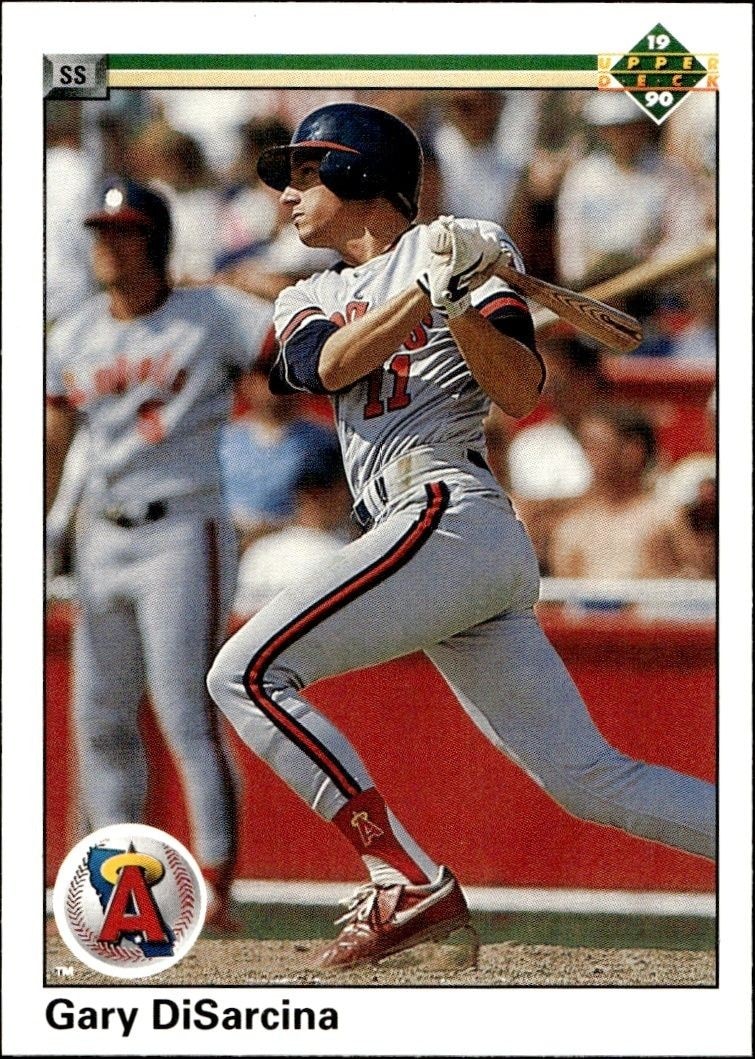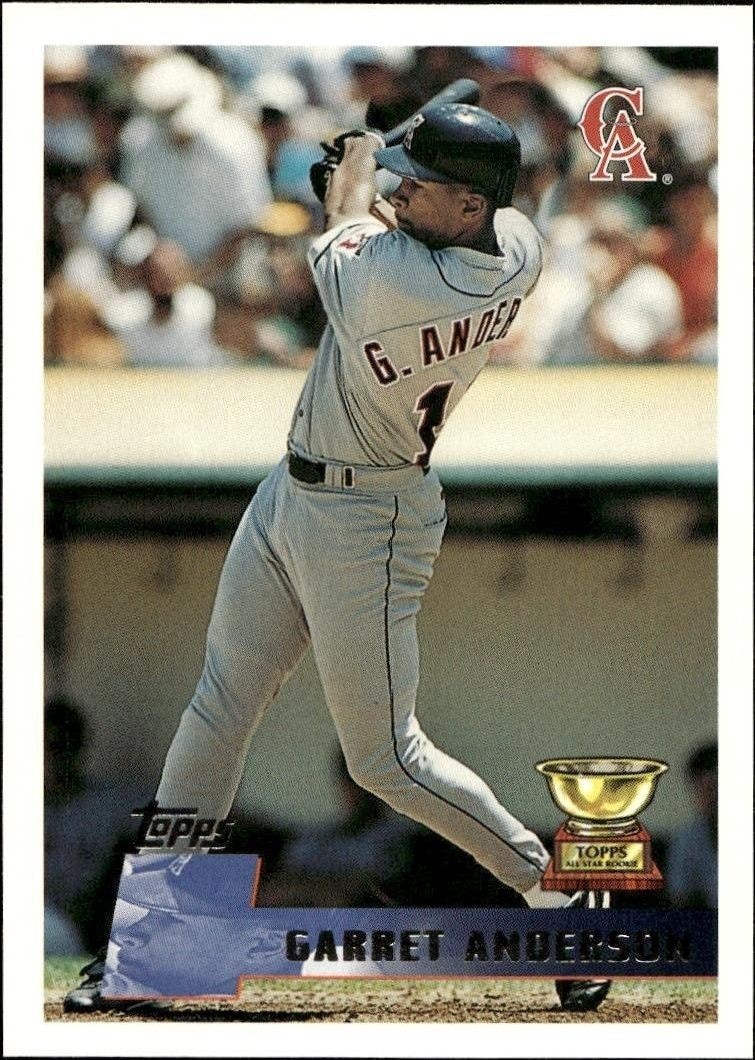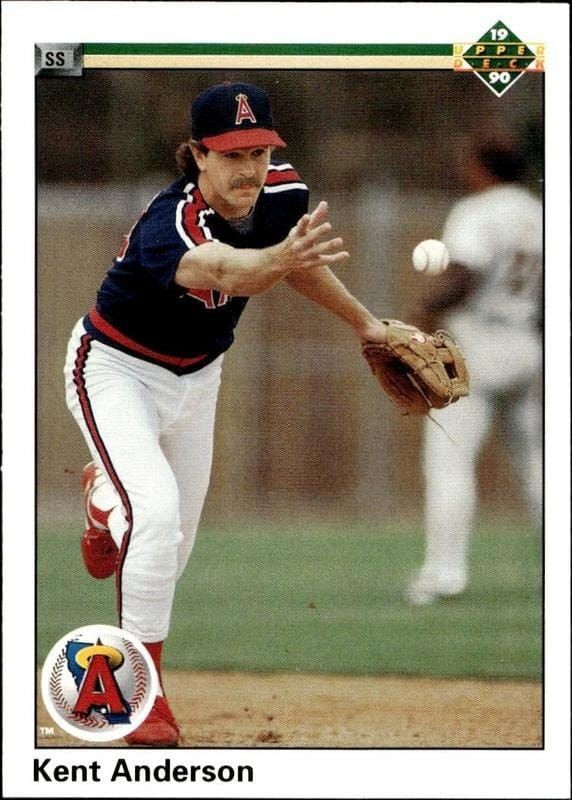
Kent Anderson's 1990 Topps #16 rookie card offers a glimpse into his debut season with the Los Angeles Angels, marking a significant milestone for collectors of Angels memorabilia.
1990 • Topps
Major League Baseball • Los Angeles Angels
Excellent
16
New
Shipping Calculated at Checkout
Arrives in 5-7 daysEstimated delivery October 23, 2026 - October 25, 2026
Seller returns October 19, 2026.30-day Returns| Condition | Value | Source | Trend | Price Details |
|---|---|---|---|---|
$1.44 | Guide Estimate | |||
$6.50 | Guide Estimate | |||
$7.00 | Guide Estimate | |||
Raw / Ungraded
PriceCharting Price Guide · Guide Estimate evidence · captured Oct 18, 2026
History is building. At least two days of matching observations are needed to show a trend.
Each point is the last stored observation that day for this printing, condition, grader, autograph status and source. Gaps mean no observation; guide estimates and asking prices are not completed sales.The 1990 Topps Kent Anderson #16 card stands as a notable entry for collectors focused on the Los Angeles Angels franchise. As Anderson's rookie card, this release marks his first appearance in the mainstream trading card market, offering a tangible connection to his debut season. For investors and set builders alike, rookie cards from this era hold a distinct place in the hobby, representing the starting point of a player's professional journey. Kent Anderson played as an outfielder during his tenure with the Angels. This card, numbered 16 in the base set, features Anderson in his Angels uniform, providing a classic visual reference for fans of the team's history. Collectors often seek out these cards to complete their Angels portfolios or to track the career paths of players who contributed to the team during the early 1990s. While Anderson is not as widely recognized as some superstars of the game, his rookie card remains a valuable piece for specialized collectors. The 1990 Topps series is one of the most widely distributed sets of its time, making individual cards accessible yet meaningful for those tracking specific players. Whether you are building a collection of Angels rookies or exploring the broader landscape of 1990s baseball cards, the Kent Anderson #16 card provides a concrete link to that era. It serves as a foundational piece for anyone interested in the depth and diversity of MLB rosters from the late 20th century.
16 hours ago
We'll pre-fill the product details from this catalog entry, so your listing lands on this exact page. Just add photos of your copy, pick its condition, and set your price.
The catalog profile below summarizes the card identity, featured subject, and notable collectible traits.
The subject, team, league, and sport context tied to this card.
Production details and format-specific attributes.
Material
Card Stock
Language
English
Notable collectible traits associated with this card profile.
Compare prices, grades, photos, and shipping from approved sellers.
New
Excellent
See how many public collections currently include this card.
0 collectors have this card
As a 1990 Topps rookie card for Kent Anderson, this item occupies a niche tier within the broader baseball market, distinct from high-profile stars but holding specific interest for dedicated Angels collectors. The current pricing reflects its status as a minor-league or fringe-major-league player rookie, trading below the premium brackets reserved for Hall of Fame inductees or franchise icons. While it lacks the explosive appreciation potential of superstar rookies, it remains a tangible piece of early-90s baseball history with stable, albeit modest, demand.
The card's scarcity is defined by its position as a base rookie issue from a high-volume 1990 Topps set, meaning it was printed in large quantities without serial numbering or short-print status. Unlike parallel variants or limited-edition inserts, this base card relies on general availability rather than constrained supply mechanics. Consequently, the rarity profile is typical of common rookie cards from that era, where availability is high but condition-sensitive examples may be harder to find.
Investment potential is driven primarily by the rookie-card premium mechanic, which inherently assigns higher baseline value to first-year issues compared to subsequent career cards. Demand is likely sustained by collectors seeking to complete Angels team sets or those focusing on the 1990 Topps brand specifically. While it may not offer significant capital appreciation, it serves as a stable entry-point for diversifying a baseball collection with authentic rookie-era assets.